


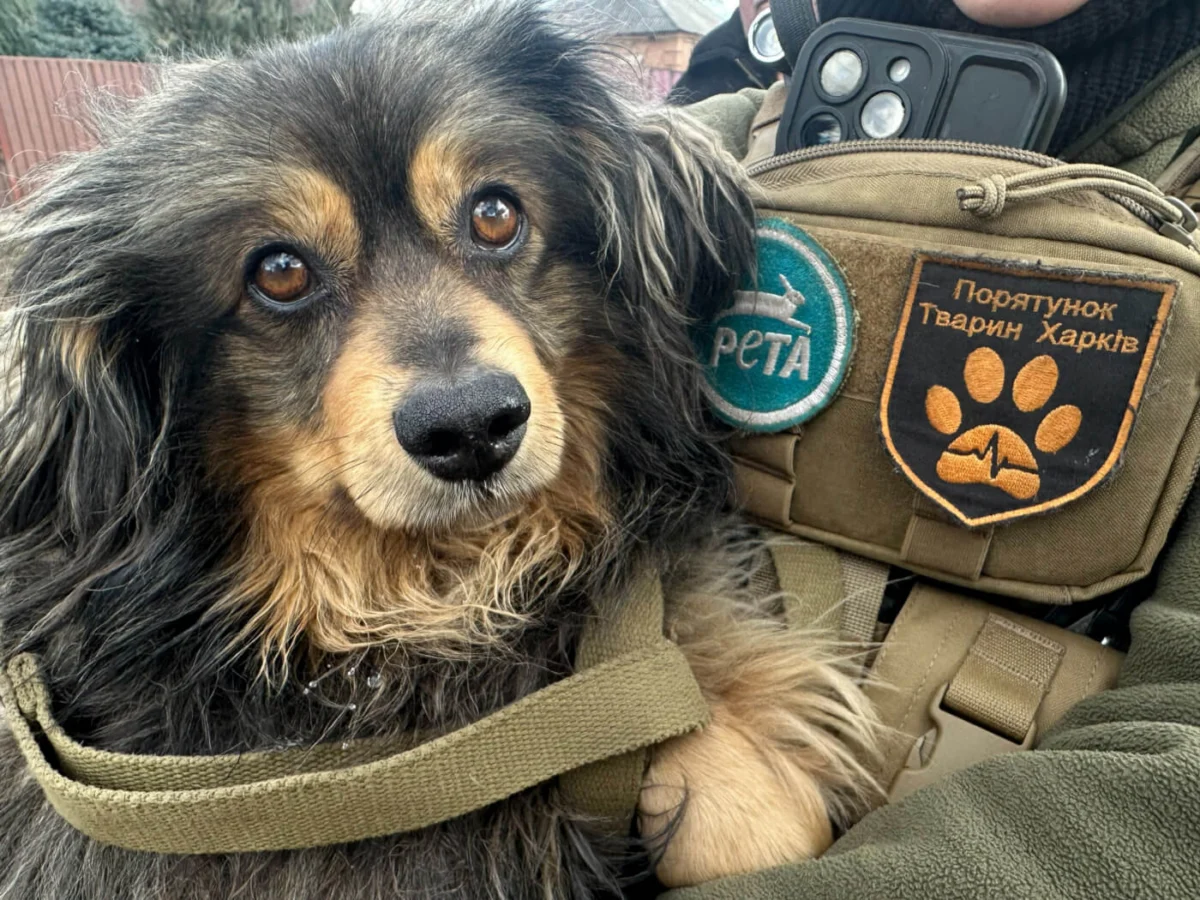
As the conflict in Ukraine enters its fifth year, the landscape of the nation has been irrevocably altered, not only for its human population but for the millions of domestic and farm animals caught in the crossfire. By April 15, 2026, the sounds of daily life in eastern Ukrainian cities like Druzhkivka have been replaced by the persistent hum of surveillance drones and the rhythmic concussions of artillery fire. For the animals left behind in these "grey zones," the war is a relentless cycle of fear, hunger, and physical trauma. However, amidst the rubble of collapsed apartment blocks and scorched streets, a dedicated network of rescuers, spearheaded by Animal Rescue Kharkiv (ARK) and supported by PETA’s Global Compassion Fund, continues to perform high-stakes extractions and provide critical medical interventions.
The scale of the crisis remains staggering. Since the escalation of hostilities in February 2022, an estimated several million pets have been displaced. While many refugees managed to flee with their animals in the early months of the war, the prolonged nature of the fighting has led to a secondary crisis: a massive population of abandoned, stray, and wounded animals wandering through active combat zones. In March 2026 alone, the PETA-supported ARK team successfully intervened in the lives of 848 animals, providing a mix of rescue services, veterinary care, and family reunifications. This brings the total number of animals assisted by PETA-backed entities in Ukraine to over 30,000 since the inception of the conflict.
The Evolution of the Rescue Mission: 2022–2026
The nature of animal rescue in Ukraine has evolved significantly over the past four years. In 2022, the primary focus was on emergency evacuations from rapidly advancing front lines. By 2024 and 2025, the mission shifted toward stabilizing the animal population through massive sterilization programs and the establishment of semi-permanent shelters. Now, in 2026, the operation has reached a level of industrial sophistication necessitated by the permanence of the war.
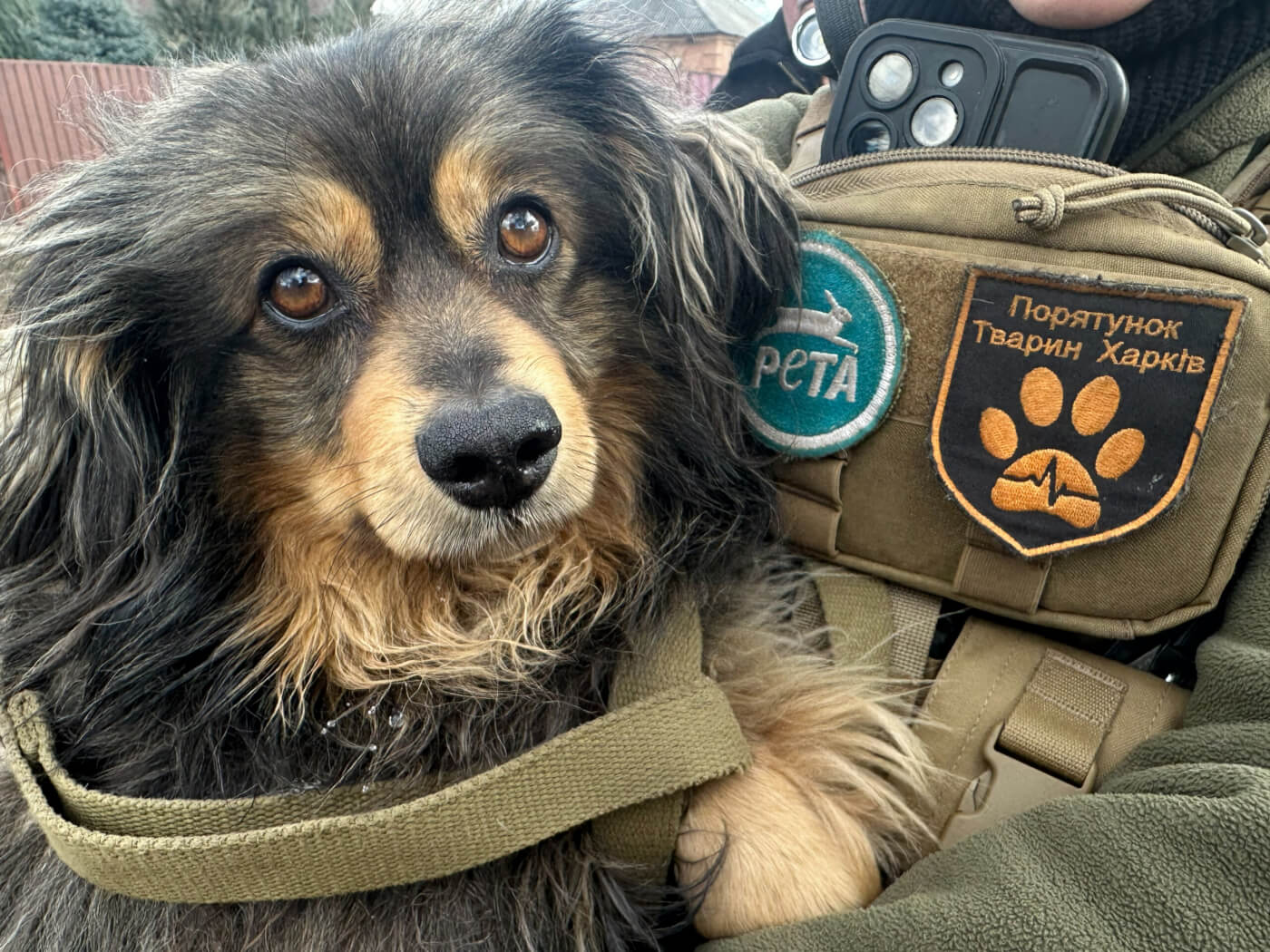
In Druzhkivka, a city that has seen some of the most consistent shelling in recent months, the environment is particularly hostile. The friendly sounds of a once-bustling neighborhood—children playing, cars passing—have been replaced by what locals describe as the "relentless dat-dat-dats" of anti-aircraft fire and the sudden, shattering booms of ballistic impacts. For dogs and cats, whose hearing is far more sensitive than that of humans, this acoustic environment is a source of constant physiological stress. Rescuers report that many animals found in these areas suffer from severe shell shock, manifesting as extreme lethargy, aggression, or a total loss of the "flight" instinct, leaving them vulnerable to further injury.
Expanding Infrastructure: The 24/7 Clinic and Laboratory
A critical development in the spring of 2026 has been the expansion of ARK’s medical facilities. Recognizing that "time equals life" in a war zone, the PETA-backed team has transitioned its clinic and sanctuary operations to a 24/7 schedule. This expansion was made possible by the Global Compassion Fund, which has financed the transformation of previously vacant industrial spaces into high-tech medical hubs.
One of the most significant upgrades is the completion of a large, on-site diagnostic laboratory. In the earlier years of the war, blood samples and diagnostic tests often had to be transported to safer regions or even across borders to Poland for processing. In a combat environment, where logistics are frequently disrupted by road closures or strikes on infrastructure, waiting days for test results was often a death sentence for animals suffering from internal infections or chemical exposure. The new laboratory allows veterinary surgeons to receive results in minutes, enabling immediate surgical interventions.
"In a war zone, every hour we wait for a diagnosis is an hour the animal might not have," a lead veterinarian with ARK stated during the facility’s inauguration. "By bringing the lab to the front lines, we are effectively shortening the bridge between the battlefield and the operating table."

The Monthly Impact: Data from March 2026
The statistical data from March 2026 illustrates the breadth of the operation. Of the 848 animals helped, the majority were dogs and cats, but the team also handled an increasing number of farm animals. As rural villages are evacuated, livestock such as goats, sheep, and chickens are often left in pastures that eventually become minefields or targets for drone strikes.
The March operations included:
- Emergency Extractions: Over 200 animals were removed directly from high-risk areas under active shelling.
- Medical Treatments: Hundreds of animals received treatment for shrapnel wounds, malnutrition, and infectious diseases exacerbated by the lack of clean water in war-torn districts.
- Sterilization and Vaccination: To prevent a post-war ecological crisis, the team continues to prioritize the sterilization of stray populations.
- Reunifications: Despite the four-year gap since many families were separated, the team successfully reunited several dozen pets with owners who had relocated to safer parts of Ukraine or Western Europe.
The process of reunification is often the most emotionally taxing part of the mission. Many owners, now living in temporary housing or abroad, have spent years wondering if their pets survived. The use of social media and microchip databases has become a vital tool for ARK, turning "shattered families" into "whole" ones once again.
The Threat of Drone Warfare and Modern Hazards
One of the most harrowing aspects of the 2026 rescue landscape is the prevalence of FPV (First Person View) drones. Unlike traditional artillery, which is somewhat predictable in its trajectory, drones are agile and can target individual movements. Rescuers must wear tactical gear and utilize signal-jamming equipment to protect their transport vehicles.
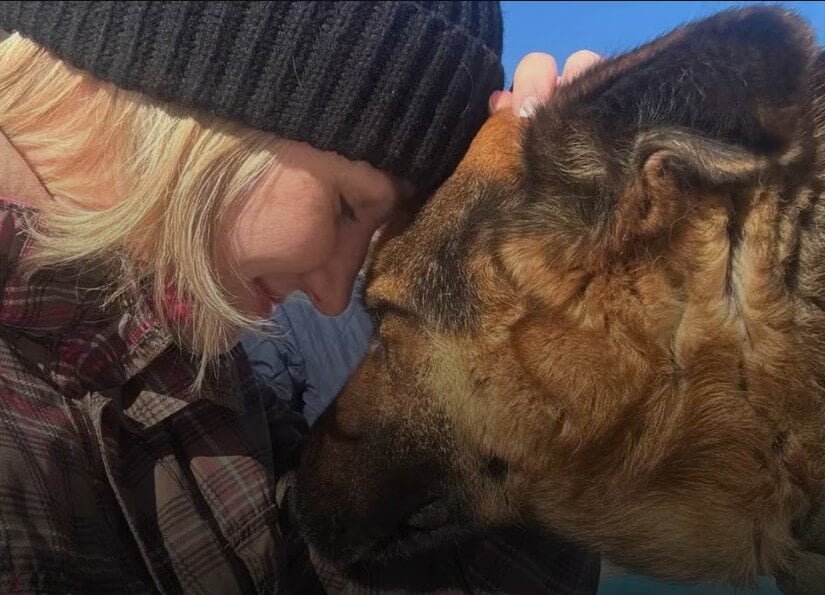
The streets of cities like Druzhkivka are now filled with "smoke and debris," making navigation difficult for rescue vans. Often, the teams must enter collapsed buildings to retrieve cats hiding in the rafters or dogs trapped in basements. These missions require not only veterinary skill but also urban search-and-rescue expertise. The PETA-supported teams have had to adapt, training their staff in basic combat medicine and structural engineering to ensure they can safely navigate the "rubble of once-familiar neighborhoods."
Broader Implications and the Future of Animal Welfare in Ukraine
The work being done by ARK and PETA serves as a blueprint for animal welfare in future conflict zones. The integration of animal rescue into the broader humanitarian response has proven essential for several reasons. First, it addresses public health concerns; large populations of unvaccinated strays can lead to outbreaks of rabies and other zoonotic diseases. Second, it provides a psychological anchor for the civilian population. For many elderly residents who refuse to evacuate the front lines, their pets are their only remaining companions. Providing food and medical care for these animals is, by extension, a form of mental health support for the humans who care for them.
Furthermore, the "sustainable change" mentioned by PETA’s Global Compassion Fund refers to the long-term goal of rebuilding Ukraine’s veterinary infrastructure. The clinics and laboratories being built today are designed to outlast the war, providing the foundation for a modern animal welfare system in a post-conflict Ukraine.
Conclusion: A Call for Continued Vigilance
As the world’s attention occasionally wavers from the protracted conflict, the situation on the ground for animals remains dire. The "relentless drone strikes" and "wastern-lands" described by field reports are a daily reality. The PETA-backed rescuers continue to risk their lives, driven by the belief that every life—regardless of species—has intrinsic value.
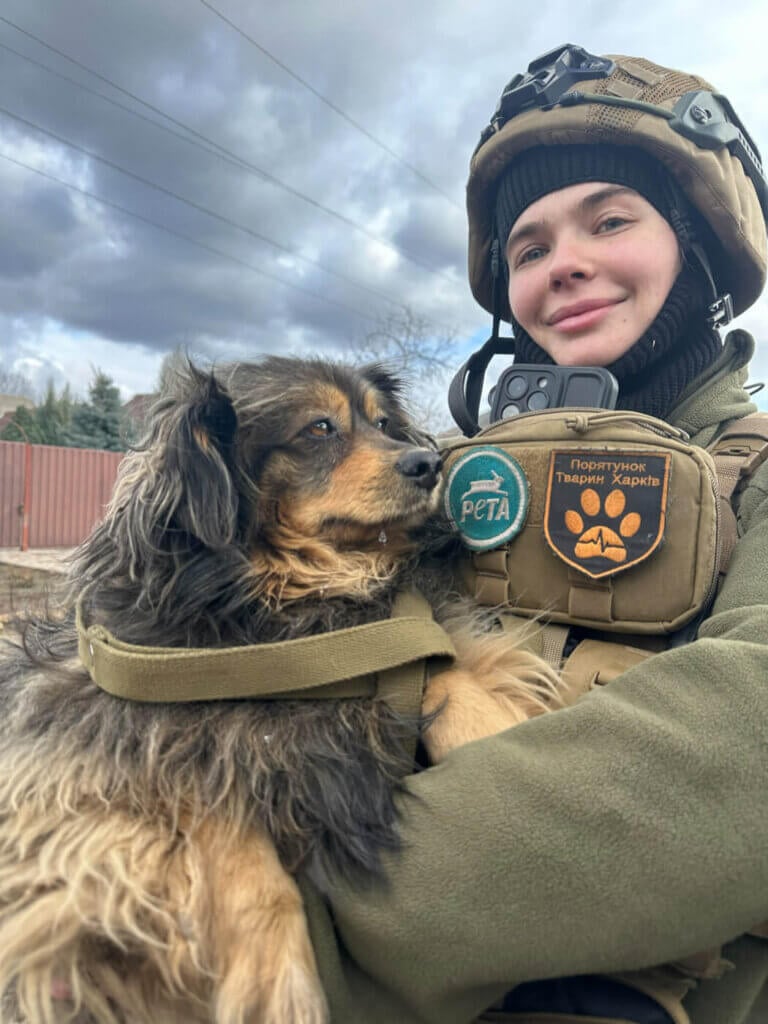
The success of the March 2026 mission and the ongoing expansion of the 24/7 clinic are testaments to the impact of international solidarity. However, as long as the "boom of bombs" continues to echo through the streets of Ukraine, the work of Animal Rescue Kharkiv is far from finished. The goal remains clear: to ensure that no animal is left to suffer alone in the silence of a ruined city, and to continue building a future where survivors—both human and animal—can find a fresh start.

