


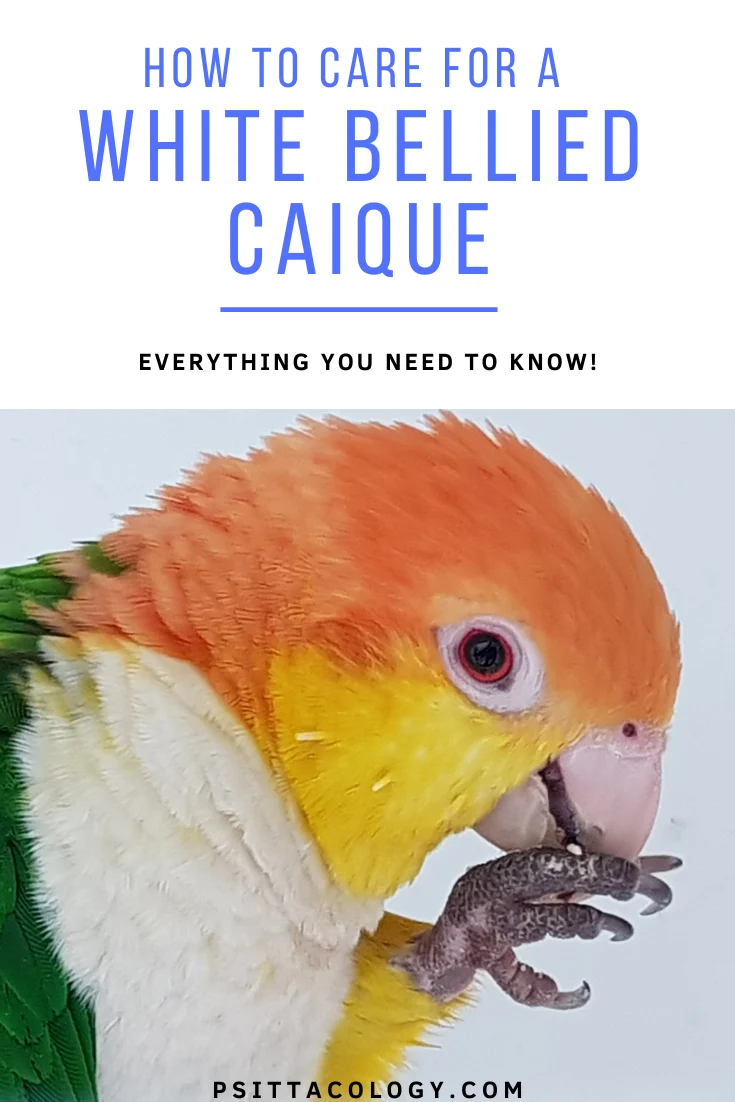
Prospective owners considering the addition of a white-bellied caique (genus Pionites) to their household must first undertake a thorough exploration of the unique care requirements and dynamic personalities exhibited by these South American parrots. Renowned for their vibrant appearance and exuberant disposition, caiques are not merely pets but long-term companions requiring significant commitment and specialized attention. This comprehensive guide delves into their natural history, dietary needs, behavioral characteristics, housing imperatives, and health considerations, offering an essential resource for those prepared to embark on this rewarding yet demanding journey.
Appearance and Taxonomic Nuances of the White-Bellied Caique
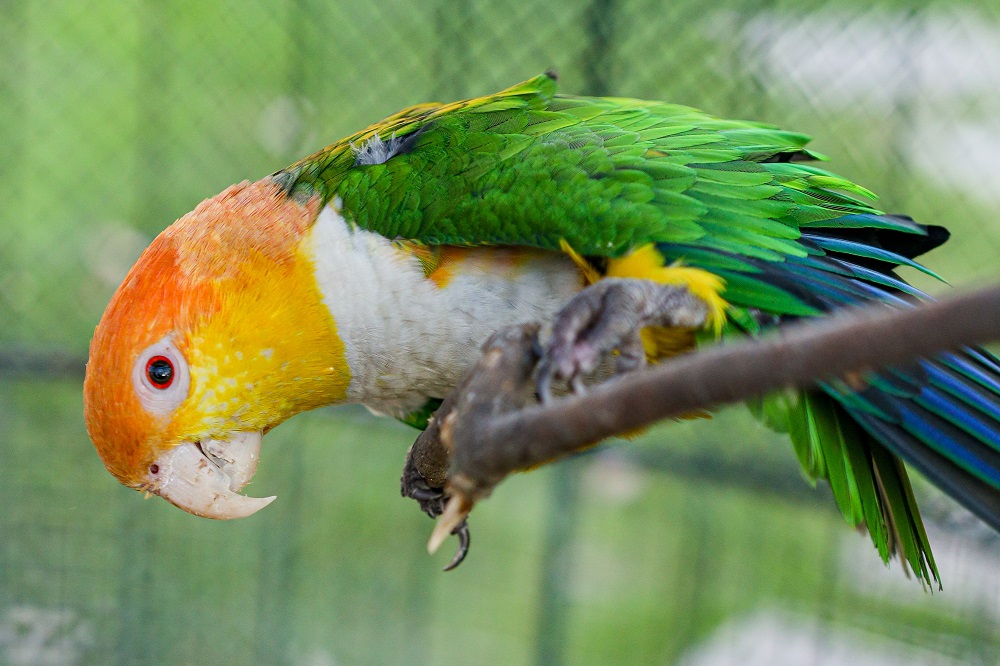
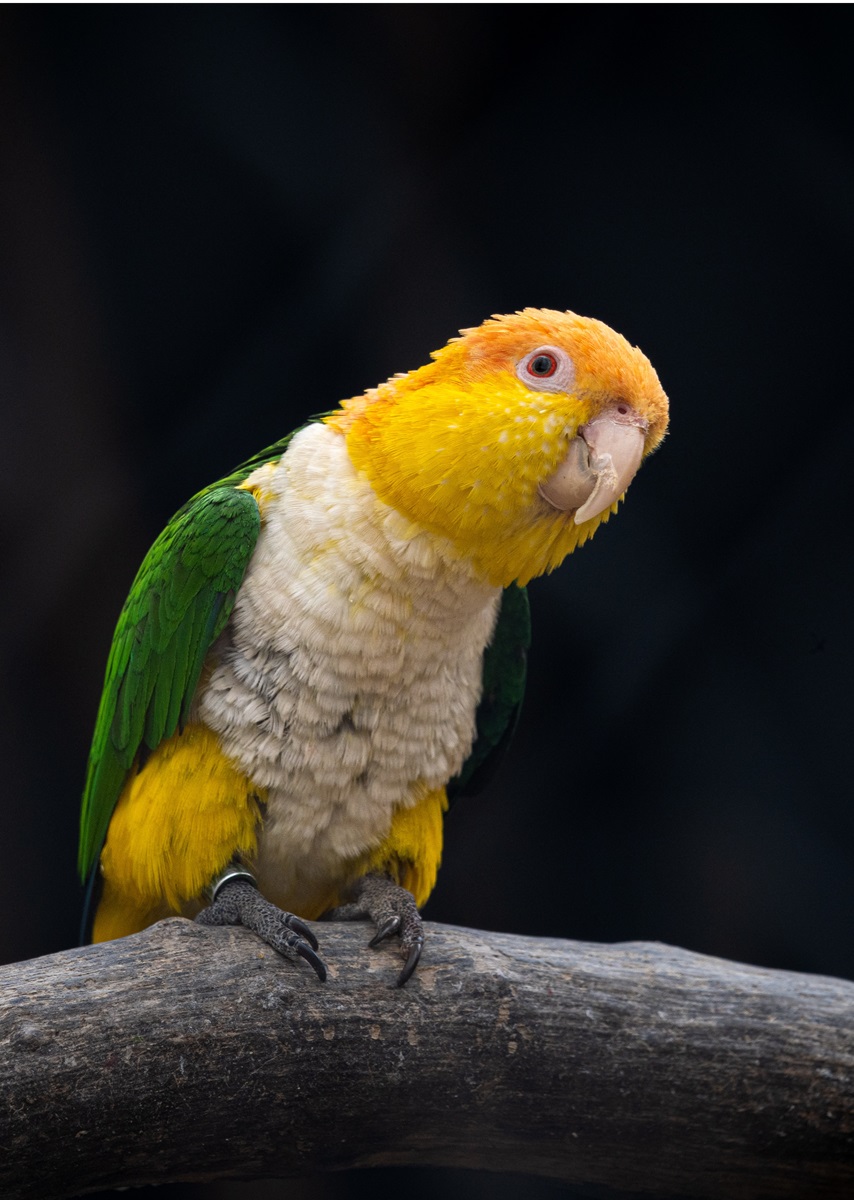
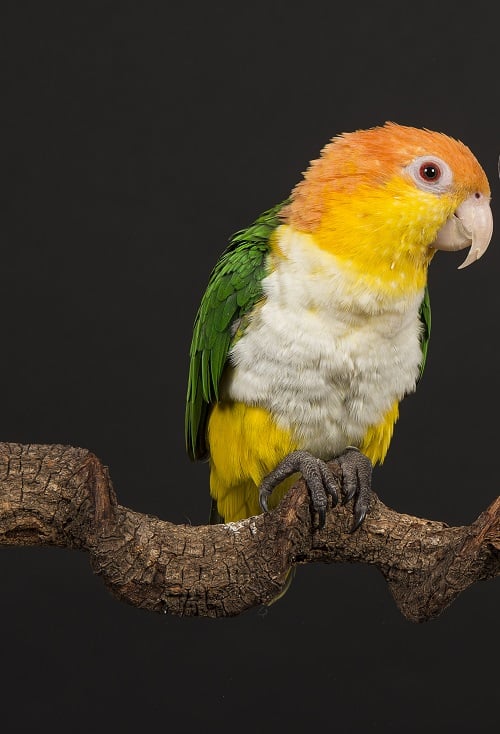
The white-bellied caique is a visually striking parrot, typically reaching an adult length of approximately 23 centimeters (9 inches) and weighing up to 170 grams. Its stocky build, characterized by a comparatively short tail, contributes to its distinctive silhouette. As its common name implies, the species boasts a prominent white to cream-colored chest and belly. Complementing this, the cheeks are often yellow, the head a vivid orange, and the wings and back display a rich green. The beak is typically beige, and a distinguishing feature across all subspecies is the presence of unusual reddish eyes encircled by a bare eye-ring. Sexual dimorphism is not outwardly apparent in white-bellied caiques, necessitating DNA testing for accurate sex determination.
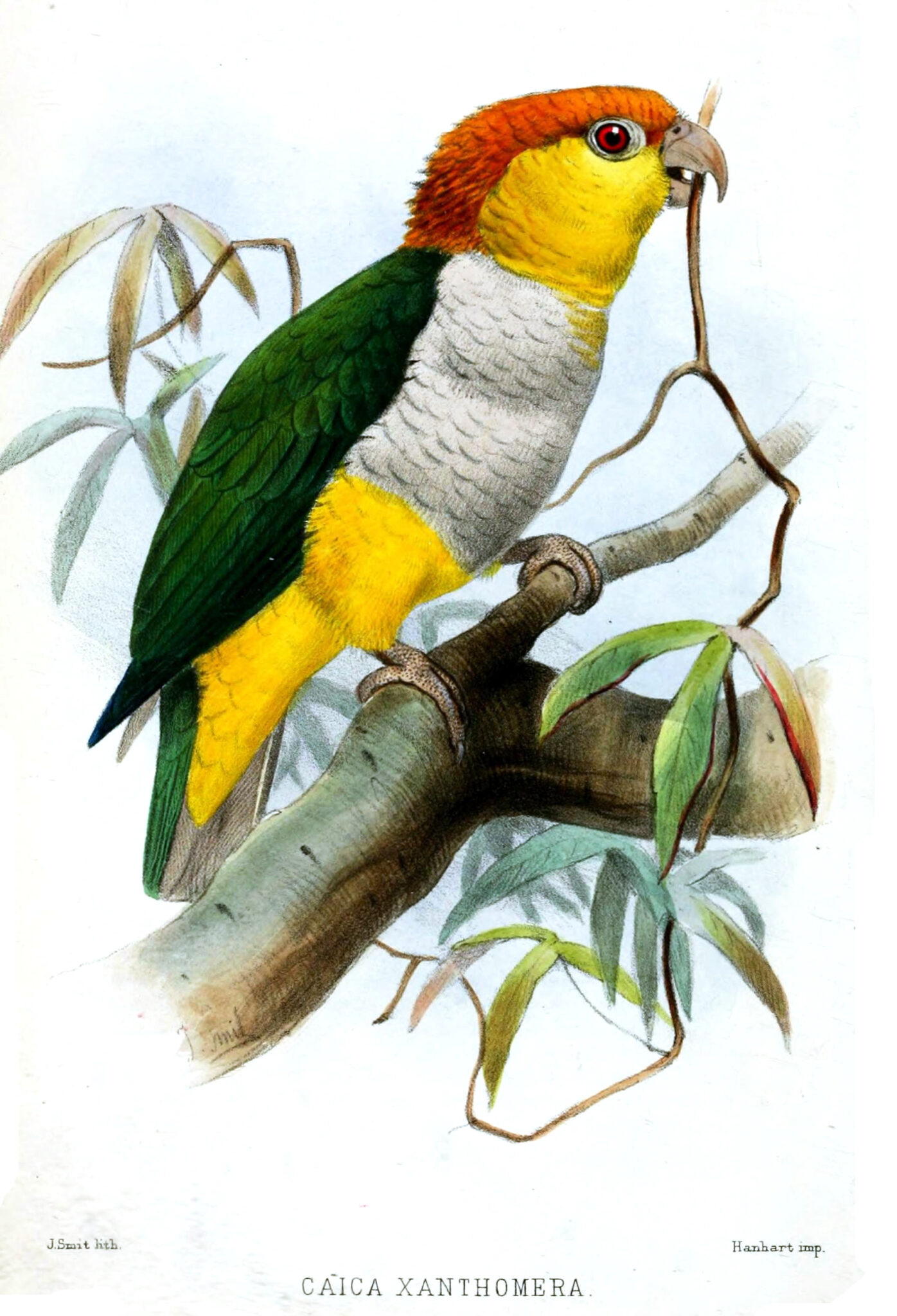
The classification of white-bellied caiques, particularly within the genus Pionites, has been a subject of ongoing scientific discussion. Traditionally, the genus was understood to comprise two distinct species: the white-bellied caique (P. leucogaster) and the black-headed caique (P. melanocephalus). Under this conventional framework, P. leucogaster was further subdivided into three subspecies: P. l. leucogaster (green-thighed caique), P. l. xanthomeria (yellow-thighed caique), and P. l. xanthurus (yellow-tailed caique). These subspecies were primarily differentiated by subtle variations in the coloration of their thighs and tail feathers. However, contemporary ornithological sources, such as "Birds of the World," increasingly advocate for elevating P. xanthomeria and P. xanthurus to full species status, citing more significant genetic and morphological distinctions than previously acknowledged. This taxonomic debate underscores the complexity of avian classification and the continuous refinement of our understanding of biodiversity.
Natural Habitat and Urgent Conservation Status
Indigenous to the lush canopies of the Amazon basin in South America, white-bellied caiques are primarily concentrated in Brazil, with populations also extending into Bolivia, Peru, Ecuador, and other neighboring countries. These social parrots thrive in tropical forest ecosystems, nesting predominantly in hollow trees within the dense canopy. Observations in their natural environment indicate a propensity for forming cohesive groups, typically comprising up to 10 individuals, a social structure that informs their behavioral needs in captivity.
Despite their vibrant presence, the majority of white-bellied caique populations face a precarious future. The International Union for Conservation of Nature (IUCN) lists them as an endangered species, a designation primarily driven by severe habitat loss. Extensive deforestation of the Amazon rainforest for agriculture, logging, and mining operations continues to diminish their natural range at an alarming rate. This ecological degradation not only removes crucial nesting sites and food sources but also fragments existing populations, isolating genetic pools and increasing vulnerability to local extinctions. Conservation efforts, therefore, are critically focused on preserving these vital rainforest habitats and mitigating the impacts of human encroachment.

Wild and Domestic Dietary Requirements
Understanding the natural diet of white-bellied caiques is paramount for replicating optimal nutrition in captivity. A 2014 study by Lee et al., observing 190 wild caiques, documented their consumption of no less than 44 different plant species. Their diet exhibited seasonal variation but consistently featured a high intake of seeds, including those from various fruits. Fruits, often unripe and thus lower in sugar than commercially cultivated varieties, formed another significant component. Flowers and flower buds were also regularly consumed, with some research indicating that caiques act as important pollinators by feeding on pollen and nectar. Occasionally, their diet expanded to include miscellaneous items such as leaves, bark, and even ants. Furthermore, they were observed visiting clay licks, a common behavior among parrots, likely to supplement their mineral intake with essential micronutrients from the soil.
Translating this diverse wild diet into a domestic setting requires careful planning to avoid common pitfalls. A seed-only diet, while frequently offered by inexperienced owners, is nutritionally inadequate, being excessively fatty and deficient in crucial vitamins and minerals necessary for long-term health. Similarly, an exclusively fruit-heavy diet is problematic. Domestic fruits typically contain higher sugar levels than their wild counterparts, and the practice of feeding unripe fruits (which caiques consume in the wild) is not practical or desirable for pet owners.
Instead, a balanced domestic diet for white-bellied caiques should prioritize a high-quality, species-appropriate pelleted diet, constituting approximately 60-70% of their daily intake. The remaining 30-40% should be composed of fresh produce, with a strong emphasis on dark leafy greens and a variety of vegetables (e.g., broccoli, carrots, bell peppers, sweet potato). Fruits should be offered in moderation due to their sugar content. Small portions of cooked grains (like quinoa or brown rice) and legumes can also be provided. Very fatty or sugary items, such as nuts and dried fruits, should be reserved for occasional training treats only. Consistent access to fresh, clean water, ideally from multiple sources, is non-negotiable, and a calcium block should also be made available to support bone health.

The Enigmatic Temperament of the White-Bellied Caique
The temperament of the white-bellied caique is arguably its most defining characteristic, earning it the affectionate moniker "clowns of the parrot world." These birds possess an unparalleled zest for life, characterized by boundless energy, an insatiable curiosity, and a penchant for playful antics. While all parrots exhibit intelligence and playfulness, caiques elevate these traits to an exceptional degree, often engaging in acrobatic displays, "caique surfing" (rolling on their backs), and elaborate dance routines.
However, this vibrant personality comes with a caveat. Caiques are highly intelligent and emotionally complex birds capable of forming exceptionally strong bonds with their human companions. This deep attachment, however, can also lead to challenges, particularly as they mature through puberty. Like many parrot species, caiques can exhibit a tendency to "one-person bond," potentially displaying aggressive or nippy behavior towards other household members or even their preferred human if boundaries are not consistently established and respected. Owners must be prepared for these behavioral shifts and possess the patience and understanding to manage them through positive reinforcement training and consistent socialization.
A well-socialized caique thrives on extensive interaction and requires significant daily out-of-cage time with its owner. Individuals unable to dedicate several hours daily to their caique’s social needs may need to consider acquiring a pair to ensure adequate companionship, though this introduces its own set of dynamics. It is crucial to note that caiques are inherently territorial and generally incompatible with other bird species in the same enclosure or shared play areas. Their assertive nature can lead to serious conflicts over resources such as cages, toys, or food, potentially resulting in severe injury or even death to smaller or less dominant birds.
Living with a caique necessitates a high tolerance for activity and occasional chaos. Their inherent desire to explore and manipulate objects often translates into a tendency to chew, dismantle, and rearrange their environment. This "trail of mayhem" is a natural parrot behavior, but caiques often take it to an extreme, requiring constant supervision and a commitment to providing appropriate outlets for their destructive instincts, such as a continuous supply of safe chew toys. Despite their occasional "cranky" or nippy phases, for those who embrace a dynamic and interactive companion, the white-bellied caique offers an unparalleled level of engagement and entertainment.
Optimal Housing and Environmental Enrichment
Given their prodigious energy levels, white-bellied caiques require substantial living space. Even with ample out-of-cage time, a spacious and thoughtfully equipped enclosure is fundamental to their well-being. A minimum cage size of 24"W x 24"D x 36"H is often recommended, though larger is always preferable. The cage should be constructed from sturdy, non-toxic materials, preferably stainless steel or powder-coated wrought iron, to withstand their powerful beaks and active nature. Secure locking mechanisms are essential, as caiques are remarkably adept at escaping.
Beyond the cage itself, the interior environment must be stimulating and safe. Multiple natural perches of varying diameters and textures (e.g., java wood, manzanita) are crucial for foot health and to prevent pressure sores. Food and water bowls, preferably stainless steel for hygiene, should be cleaned daily. A bird bath or misting schedule is also important for feather health and enjoyment. Crucially, an abundance of parrot-safe toys, including shreddable, foraging, and puzzle toys, must be provided and rotated regularly to prevent boredom and destructive behaviors.

Daily out-of-cage time is non-negotiable for caiques, ideally several hours. To facilitate this, a dedicated "parrot playground" or playstand outside the cage is highly beneficial. This playground, constructed from natural wood to encourage chewing, should be equipped with additional toys and foraging opportunities, creating a safe and stimulating environment for their exploratory endeavors. Any room a caique has access to must be thoroughly "parrot-proofed," removing potential hazards such as toxic plants, electrical cords, small ingestible items, open toilets, and any scented products (candles, air fresheners, cleaning fumes) that can be highly toxic to their sensitive respiratory systems.
Vocalizations and Communication Patterns
Compared to some of their larger parrot cousins, white-bellied caiques are generally considered to have a moderate noise level. This does not, however, equate to silence. As with all parrots, caiques possess the physiological capacity for considerable vocalizations, a necessity for communication across vast distances in their natural rainforest habitat. Their typical vocal repertoire includes a range of whistles, beeps, and soft squawks, which, for much of the day, remain at a relatively acceptable volume for many households, including apartment dwellers. However, they are fully capable of emitting very shrill, piercing screams, particularly when seeking attention, expressing excitement, or signaling alarm. Prospective owners must be prepared for these intermittent bursts of high-volume vocalization.
For individuals seeking a parrot with extensive talking abilities, the caique is not the optimal choice. While some individuals may mimic a few words or phrases, their capacity for vocal imitation generally pales in comparison to champion talkers like African Greys or Amazon parrots. Nevertheless, caiques excel in other forms of vocalization training. They are highly adept at picking up whistles, tunes, and various sounds. Teaching a caique a short tune, such as a wolf whistle, through consistent repetition and positive reinforcement (treat rewards) can be a delightful and enriching activity, fostering a deeper bond between bird and owner while expanding the bird’s behavioral repertoire.
Health and Essential Veterinary Care
Commitment to a white-bellied caique extends to a proactive approach to their health and well-being. Given their average lifespan of 40 years or more, comprehensive veterinary care is a lifelong necessity. Owners must identify and establish a relationship with an experienced avian veterinarian prior to acquiring a bird. Regular annual check-ups are crucial for early detection of potential health issues. Owners should also familiarize themselves with common symptoms of illness in parrots, such as changes in appetite, lethargy, fluffed feathers, discharge from nostrils or eyes, or alterations in droppings, enabling prompt action in emergencies.
Caiques, like other parrot species, are susceptible to various avian diseases. Polyomavirus is a notable concern, particularly in young birds (under four weeks old), where it can cause severe organ damage and be fatal. Vaccination against polyomavirus is highly recommended and should be discussed with an avian veterinarian. Other potential health concerns include Psittacosis (Chlamydiosis), Avian Bornavirus (PBFD), and nutritional deficiencies stemming from an inadequate diet. Behavioral issues like feather plucking, often indicative of stress, boredom, or underlying medical conditions, also require immediate veterinary attention. Preparing for medical emergencies involves having an avian vet’s contact information readily accessible and understanding basic first aid for parrots. This comprehensive approach to health ensures that these vibrant companions can thrive for their exceptionally long lives.
Considerations for Prospective Caique Owners
Adopting a white-bellied caique is a commitment spanning several decades, akin to raising a human child. Their immense intelligence, complex emotional needs, and high energy demand a dedicated, patient, and knowledgeable owner. They are unequivocally not recommended for beginning parrot keepers due to their specific behavioral challenges, which can include aggression, particularly during mating seasons, or seemingly without discernible cause, leading some owners to describe them as "possessed by demons" at times. Success with a caique hinges on consistent socialization, positive reinforcement training, providing a rich and stimulating environment, and a profound understanding of parrot behavior. For those prepared to invest the time, resources, and emotional energy, the white-bellied caique offers an incredibly rewarding and uniquely entertaining companionship, a true "clown" that will fill a home with joy, laughter, and perhaps a touch of delightful mayhem.

