


A common question among prospective rat owners revolves around selecting between male and female rats, a decision that often sparks debate among experienced keepers. While both sexes offer unique charms and make exceptional pets, understanding their distinct characteristics can guide enthusiasts toward the ideal companion for their household. This in-depth exploration delves into the physical, behavioral, and aromatic differences, as well as the implications of spaying and neutering, to provide a comprehensive resource for anyone considering these intelligent and affectionate rodents.
Physical Differentiations: Size and Scent
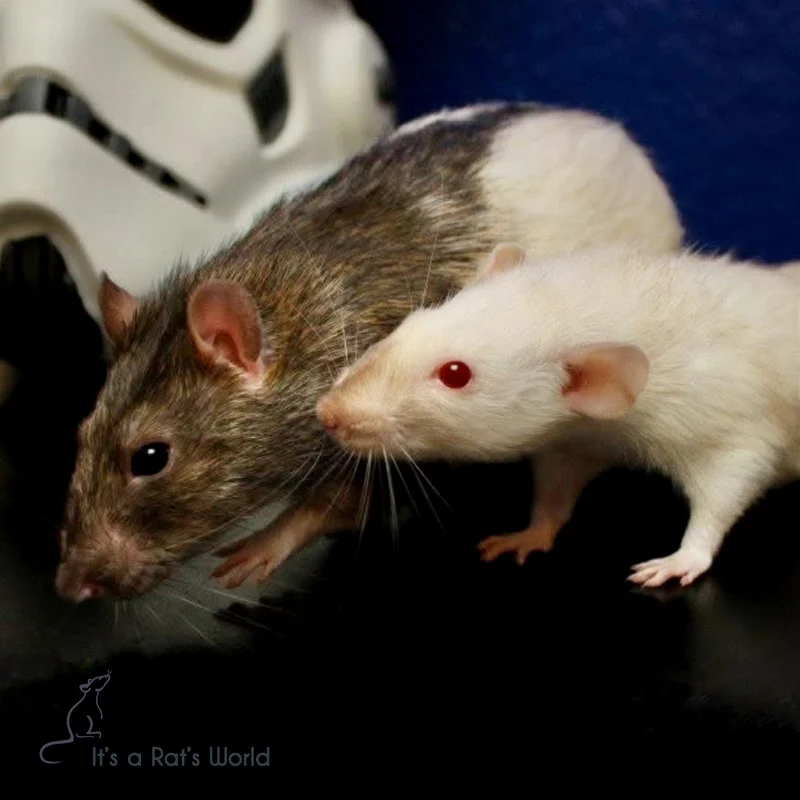
When considering physical attributes, male rats typically exhibit a larger stature compared to their female counterparts. On average, adult males measure between 10 to 12 inches in length, excluding their tails, and weigh approximately 450 to 650 grams (about 1 to 1.4 pounds). Females, on the other hand, are generally smaller, ranging from 9 to 10 inches in length and weighing between 350 to 450 grams (approximately 12.3 ounces to 1 pound). However, these are averages, and individual variations are common. For instance, some male rats may be as small as or smaller than certain female rats, while some females can be quite substantial, rivaling the size of many males. Exceptional individuals, like the described Dover Cliffs weighing a full 2 pounds, highlight the potential for significant size variations within the species.
Beyond size, a noticeable difference lies in coat texture. Adult males, particularly intact ones, often produce more oil on their backs, a substance known as "buck grease." This oily secretion can give their fur a slightly rougher texture and may appear orangish-yellow. In some cases, excessive buck grease can lead to skin irritation and necessitate occasional bathing. Neutering male rats can often mitigate this oil production, leading to a softer coat more akin to that of females.

Another fascinating distinction is the olfactory signature of each sex. Intact male rats possess a distinct aroma often described as reminiscent of warm corn tortillas or tortilla chips, a scent that, while unusual, is generally considered pleasant. Female rats, conversely, emit a fragrance frequently likened to grape soda, often accompanied by a subtle floral or fabric softener note. This aromatic difference is so pronounced that experienced owners can often identify a rat’s sex solely by its scent. Neutering male rats typically alters their scent, causing them to adopt a more floral, grape-like aroma similar to females. The practice of "huffing," or deeply inhaling a rat’s scent, is a common affectionate gesture among rat owners, underscoring the pleasant aromas many of these animals possess.
Behavioral Tendencies: Energy Levels and Social Dynamics
The perceived differences in behavior between male and female rats are often a subject of discussion among owners. A common generalization suggests that males are more inclined to be sedentary and cuddly, while females are more energetic and less prone to prolonged snuggling. However, personal experiences can vary significantly.
While it is true that male rats may become more relaxed and less active as they age, especially after neutering, young males can be quite energetic. Similarly, not all male rats are inherently cuddly; some may prefer to simply be in close proximity to their owners rather than on them. The notion that laziness equates to cuddliness is also not universally applicable.
The energy levels of female rats can also be quite dynamic. While some individuals might exhibit high energy throughout their lives, many, like their male counterparts, tend to mellow with age. The presence of hormonal fluctuations, particularly the estrus cycle in intact females (occurring roughly every four to five days), can contribute to periods of restlessness, hyperactivity, and agitation. Owners who opt for spayed females may miss out on observing these heat-related behaviors, which can include noticeable ear wiggling.
When considering social dynamics and introductions to new rats, a more pronounced difference can emerge. Male rats, particularly after reaching social maturity (typically between 6 to 9 months of age, though some sources suggest an earlier 5-6 months), may experience personality shifts. This period can sometimes lead to increased irritability, agitation, and even aggression towards cagemates or owners. While this is not universal, it is a behavior that can necessitate intervention, often through castration, which has been observed to significantly improve temperament in affected males.
Introductions between male rats, especially to other males, can be particularly challenging. Even the most docile males may exhibit territorial behavior, requiring patience and careful management to ensure peaceful coexistence. While female-female introductions are generally less fraught with conflict, individual personalities can still lead to initial resistance. In cases where aggression poses a risk to other rats, maintaining separate groups or considering neutering are recommended strategies. The author’s experience suggests that introductions between males and females, or between females, tend to be less stressful than male-male introductions.

The Impact of Spaying and Neutering
Sterilization procedures, spaying for females and neutering for males, play a crucial role in both preventing unwanted litters and influencing health and behavior.
Preventing Unplanned Litters: The most immediate benefit of spaying or neutering is the prevention of reproduction. Rats are prolific breeders, with females capable of carrying between 8 to 18 pups per litter. If male and female rats are housed together, even in separate cages, the potential for pregnancy is high due to the female’s ability to become pregnant through cage bars. Responsible pet ownership necessitates sterilization if cohabitation of both sexes is intended.
Minimizing Health Risks: Both sexes are susceptible to hormone-related health issues, but females are particularly prone to mammary tumors, as well as ovarian and uterine diseases. These conditions can significantly shorten a rat’s lifespan. Spaying females between 3 to 6 months of age is strongly recommended by many veterinary professionals and rat welfare organizations to substantially reduce the risk of developing these tumors and diseases. While the procedure can be costly and carries surgical risks, its long-term health benefits are widely acknowledged. For example, the author notes that only one of her many female rats developed mammary tumors, attributing it to a later spay date.

Improving Behavior and Health: For male rats, neutering can significantly mitigate behavioral issues such as aggression, urine marking, and the production of buck grease. It also reduces the risk of penile plugs in older or less mobile males and can prevent testicular cancer, although this is a rarer occurrence. While the direct impact of neutering on reducing mammary or pituitary tumors in males is less well-documented compared to spaying in females, it remains a beneficial procedure for overall health and behavioral management. A thorough discussion with a veterinarian is essential to determine the optimal timing and necessity of these procedures for individual rats.
Integrating the Sexes: Companionship and Coexistence
The experience of owning both male and female rats simultaneously can be deeply rewarding. Many owners report the development of strong bonds and affectionate relationships between rats of opposite sexes, sometimes even after one has undergone sterilization. The author recounts a poignant example of a male rat, Sirius, who maintained a devoted companionship with a female rat, Echo, even after his neuter. Their bond persisted through illness and grief, highlighting the profound emotional capacity of these animals.
Ultimately, whether one chooses male rats, female rats, or a mixed-sex group, the decision hinges on individual preferences and lifestyle. Both sexes offer unique personalities and the potential for deep companionship. The key to successful rat ownership lies in understanding their individual needs, providing appropriate care, and making informed decisions regarding sterilization to ensure the health and well-being of these intelligent and endearing creatures. Responsible ownership, including sterilization to prevent accidental litters, is paramount to the ethical care of pet rats.

