


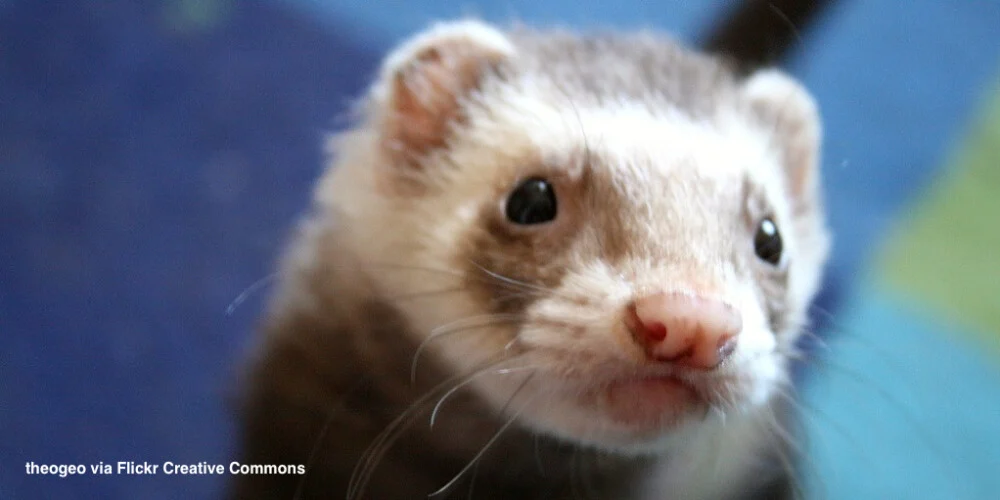
The upcoming master class scheduled for May 20, 2026, aims to address a critical diagnostic gap in exotic animal medicine, specifically focusing on the complex clinical presentations of aging ferrets. Led by the renowned Dr. Cathy Johnson-Delaney, DVM, this virtual session, titled The Geriatric Collapsing Ferret: More Than Insulinoma, will provide veterinary professionals with the tools necessary to look beyond the most common assumptions in mustelid healthcare. As ferrets continue to grow in popularity as domestic pets, the demand for specialized geriatric care has surged, revealing a significant need for updated diagnostic protocols and a deeper understanding of the multisystemic failures that can mimic pancreatic disease.
The session, hosted by LafeberVet, is set to begin at 2:00 pm EDT. It arrives at a pivotal time for the veterinary community, as recent studies have called into question the reliability of standard point-of-care diagnostics used in small mammal practice. For years, the immediate response to a collapsing or lethargic ferret has been a quick blood glucose test. However, Dr. Johnson-Delaney’s lecture will challenge the "glucocentric" approach, arguing that the reliance on potentially inaccurate glucometer readings may lead to misdiagnosis and the premature or unnecessary administration of corticosteroids like prednisone.
The Clinical Challenge of the Aging Ferret
Domestic ferrets (Mustela putorius furo) are generally considered geriatric once they reach four to five years of age. During this stage of life, they become prone to a variety of chronic conditions, many of which share overlapping clinical signs. Practitioners are frequently presented with patients exhibiting ataxia (uncoordinated movement), intermittent collapse, profound exercise intolerance, and a progressive loss of muscle mass. While these symptoms are classic hallmarks of insulinoma—a common tumor of the pancreatic islet cells that causes excessive insulin production and subsequent hypoglycemia—they are by no means exclusive to it.
The diagnostic trap often begins with the use of portable blood glucose monitors designed for human use. These devices frequently measure ferret blood glucose lower than it actually is, sometimes providing readings below 70-90 mg/dL even in relatively healthy animals. Without considering the timing of the ferret’s last meal or the inherent physiological fluctuations unique to the species, clinicians may mistakenly confirm a diagnosis of insulinoma. When these patients are placed on prednisone—a standard treatment for hypoglycemia—and fail to improve, or even deteriorate, it signals that the underlying cause of the collapse remains unaddressed.
Deconstructing Differential Diagnoses
A primary objective of the master class is to broaden the scope of differential diagnoses for the collapsing ferret. Dr. Johnson-Delaney will explore several critical areas where symptoms may masquerade as hypoglycemia:
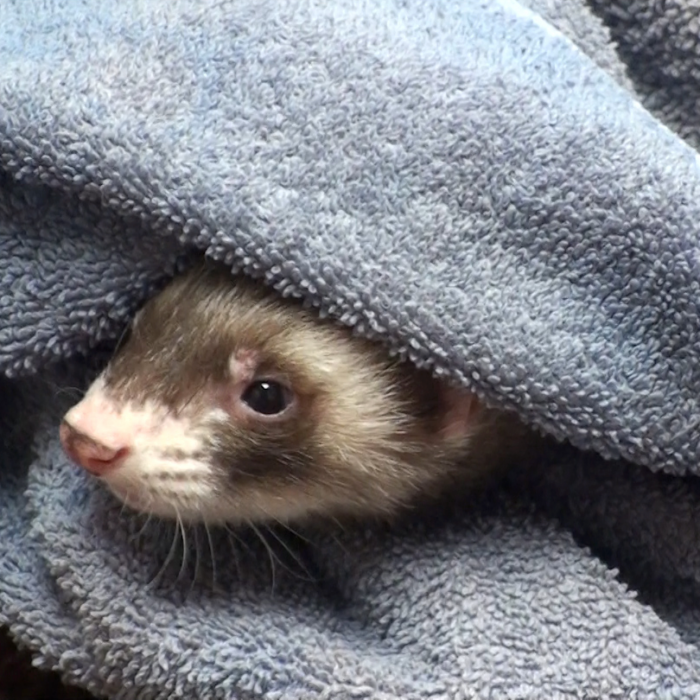
Cardiac Dysfunction and Arrhythmia
Heart disease is a leading cause of weakness and collapse in older ferrets. Conditions such as dilated cardiomyopathy (DCM) and hypertrophic cardiomyopathy (HCM) can result in reduced cardiac output, leading to syncopal episodes (fainting) that look remarkably similar to hypoglycemic "staring spells" or hind-limb weakness. Arrhythmias, which may be intermittent, can also cause sudden collapse during periods of exertion. The master class will emphasize the necessity of thoracic radiographs and echocardiography to distinguish primary cardiac failure from metabolic exhaustion.
Renal and Metabolic Disease
Chronic kidney disease (CKD) is another frequent contributor to the "fading" geriatric ferret. The accumulation of metabolic toxins can lead to lethargy, nausea, and a general lack of vitality. When combined with the splenomegaly (enlarged spleen) commonly seen in aging ferrets—which is often a benign finding but can occasionally indicate lymphoma or extramedullary hematopoiesis—the clinical picture becomes increasingly clouded. Dr. Johnson-Delaney will discuss how comprehensive blood chemistry panels and urinalysis are essential to rule out renal azotemia as a cause of systemic weakness.
Musculoskeletal and Dental Issues
Chronic pain is an often-overlooked cause of exercise intolerance and "collapse" in ferrets. Severe dental disease, including root abscesses and periodontal inflammation, can cause a ferret to stop eating or become lethargic due to systemic infection and pain. Similarly, osteoarthritis in the spine or hind limbs can lead to a refusal to move, which a distracted owner might describe as a "collapse." By addressing pain management and dental hygiene, clinicians can often restore mobility in patients previously thought to be suffering from end-stage metabolic disease.
Diagnostic Protocols and Imaging Advances
The master class will provide a roadmap for more rigorous diagnostic workups. Moving beyond the single glucometer reading, Dr. Johnson-Delaney advocates for laboratory-grade glucose testing processed immediately to ensure accuracy. Furthermore, the session will cover the role of advanced imaging. While radiographs are a standard first step, they often yield inconclusive results in ferrets, frequently showing only non-specific splenomegaly or mild cardiomegaly.
The lecture will delve into the use of ultrasound and even CT scans to identify subtle lesions in the pancreas, adrenal glands, or thoracic cavity. Understanding the nuances of ferret physiology—such as how their blood glucose fluctuates differently than that of canine or feline patients—is vital for interpreting these results correctly. Case reports will be utilized during the session to illustrate how a systematic approach can lead to the identification of rare neoplasms or inflammatory conditions that would otherwise be missed.
About the Presenter: A Legacy in Exotic Medicine
Dr. Cathy Johnson-Delaney brings over three decades of experience to this master class. Having practiced avian, exotic, and laboratory animal medicine in the Puget Sound area of Washington State, she has been at the forefront of mustelid medicine since its infancy. As a founding member of the Washington Ferret Rescue & Shelter, she has seen the evolution of ferret care from both a clinical and a rescue perspective.

Her accolades include being named the 2003 Exotic DVM of the Year and receiving the 2009 Oxbow Exotic Mammal Health Award. Her textbook, Ferret Medicine and Surgery, remains a definitive resource for practitioners worldwide. As a Past President of both the Association of Avian Veterinarians (AAV) and the Association of Exotic Mammal Veterinarians (AEMV), her influence on the standards of care for non-traditional pets is profound. This master class represents an opportunity for current practitioners to learn from one of the architects of modern exotic animal medicine.
Registration and Continuing Education
The event is designed to be accessible to a global audience, with the 2:00 pm EDT start time accommodating various time zones. Registration is currently open through the LafeberVet portal, and the session will be conducted via the Zoom webinar platform. Recognizing the importance of ongoing professional development, this program has been approved for 2.0 credit hours of continuing education (CE) for veterinarians and veterinary technicians. This approval is granted by the American Association of Veterinary State Boards (AAVSB) Registry of Approved Continuing Education (RACE).
For those unable to attend the live broadcast, LafeberVet has confirmed that the session will be recorded. The archived version, along with supplemental materials and a Q&A transcript, will be made available on the website several days after the live event. This ensures that the valuable insights shared by Dr. Johnson-Delaney can serve as a long-term reference for the veterinary community.
Implications for Veterinary Practice
The shift toward a more nuanced understanding of geriatric ferret health reflects a broader trend in veterinary medicine: the move away from "rule-of-thumb" diagnostics toward evidence-based, patient-specific care. As ferrets live longer due to better nutrition and husbandry, the complexity of their end-of-life care increases.
By educating clinicians on the pitfalls of over-diagnosing insulinoma, this master class aims to improve the quality of life for thousands of domestic ferrets. Correctly identifying a cardiac condition or a treatable dental issue rather than mislabeling a patient as a "failing insulinoma case" can result in years of additional, high-quality life. The session underscores the reality that while insulinoma is common, it is not an umbrella diagnosis for every aging ferret that loses its footing.
In the words of the event organizers, the goal is to empower clinicians to perform a "deeper dive" into the diagnostics of the geriatric mustelid. Through rigorous testing, better imaging, and a healthy skepticism of quick-fix diagnostic tools, the veterinary community can provide the high standard of care that these charismatic and complex animals deserve. This master class is expected to be a landmark event in the 2026 veterinary calendar, setting new benchmarks for the treatment of one of the world’s most beloved exotic pets.

