


The Commonwealth of Virginia is a haven for diverse wildlife, and among its most captivating inhabitants are its eight distinct species of owls. These nocturnal and crepuscular hunters, masters of silent flight and keen perception, inhabit a variety of ecological niches across the state. While some species, like the ubiquitous Great Horned Owl and the adaptable Barn Owl, can be found in nearly every region, others are far more elusive, gracing Virginia’s skies only as infrequent visitors. Understanding these magnificent birds requires a deeper dive into their biology, behavior, and habitat preferences, offering a glimpse into the intricate web of life within the Old Dominion.
The secretive nature of most owls means they are often detected by their distinctive calls rather than by sight. Their preferred habitats, typically dense woodlands and forests, further contribute to their elusive presence. However, for the patient observer, opportunities to witness these predators in action do arise. Some owl species are diurnal, meaning they actively hunt during daylight hours, offering a chance to spot them as the sun begins to set or rise. This guide aims to provide a comprehensive overview of all eight owl species found in Virginia, detailing their characteristics, distribution, and behaviors, empowering enthusiasts and naturalists to better understand and identify these fascinating creatures.
The Majestic Great Horned Owl: A Virginia Icon
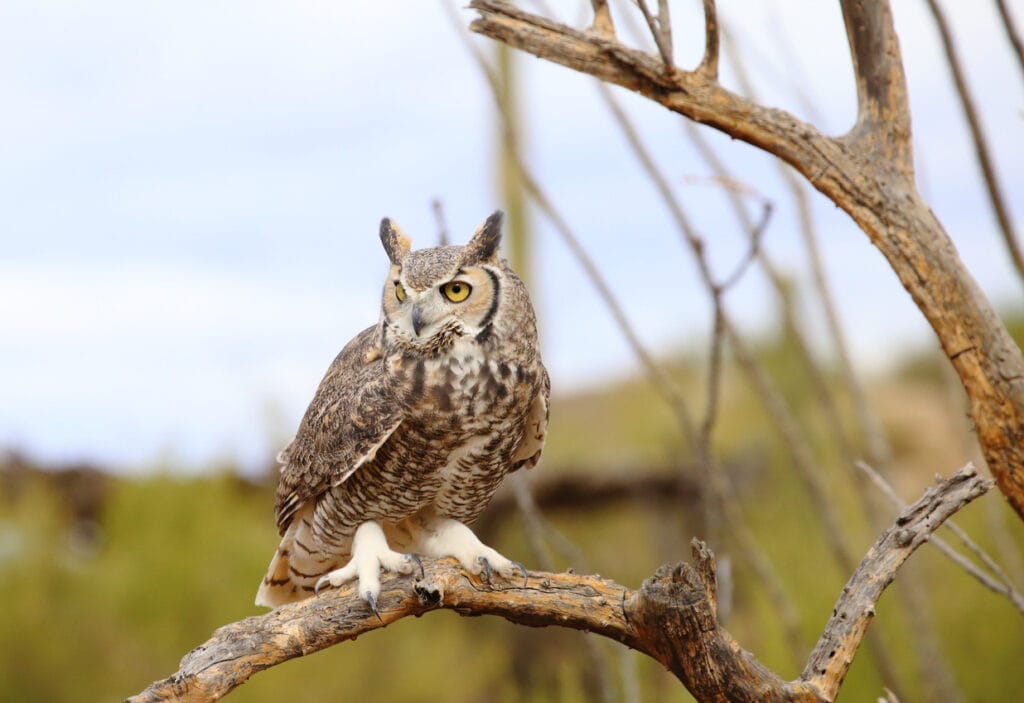
The Great Horned Owl ( Bubo virginianus ) is arguably the most recognized owl species globally, frequently appearing in literature, folklore, and popular culture. Their presence across Virginia year-round is a significant draw for birdwatching enthusiasts. These owls are the largest in Virginia and the third-largest worldwide, with adults reaching lengths of up to 26 inches, comparable in height to a medium-sized dog. Their imposing stature is complemented by their formidable appearance: prominent, horn-like ear tufts that give them their name, broad, barrel-shaped bodies, mottled dark-brown plumage, distinctive mahogany-colored faces, and large, piercing yellow eyes that command attention.
Great Horned Owls are apex predators, possessing immense size, formidable strength, and an aggressive nature that allows them to tackle a wide range of prey. Their diet is remarkably varied, encompassing large birds such as falcons and ospreys, and even waterfowl like geese and ducks. However, their primary food sources consist of smaller mammals, including rats, mice, rabbits, skunks, opossums, and squirrels. They are also known to consume snakes, frogs, insects, and occasionally fish, though they are not specialized piscivores. Their adaptability in diet and habitat contributes to their widespread distribution.
It is crucial for observers to maintain a respectful distance from Great Horned Owls. While not inherently hostile, they are fiercely protective of their territory and young and will readily attack perceived threats. Their defensive capabilities, stemming from their size and powerful talons, necessitate caution. Understanding their behavior and respecting their space is paramount for safe and ethical wildlife observation.
The Ubiquitous Eastern Screech-Owl: A Backyard Presence
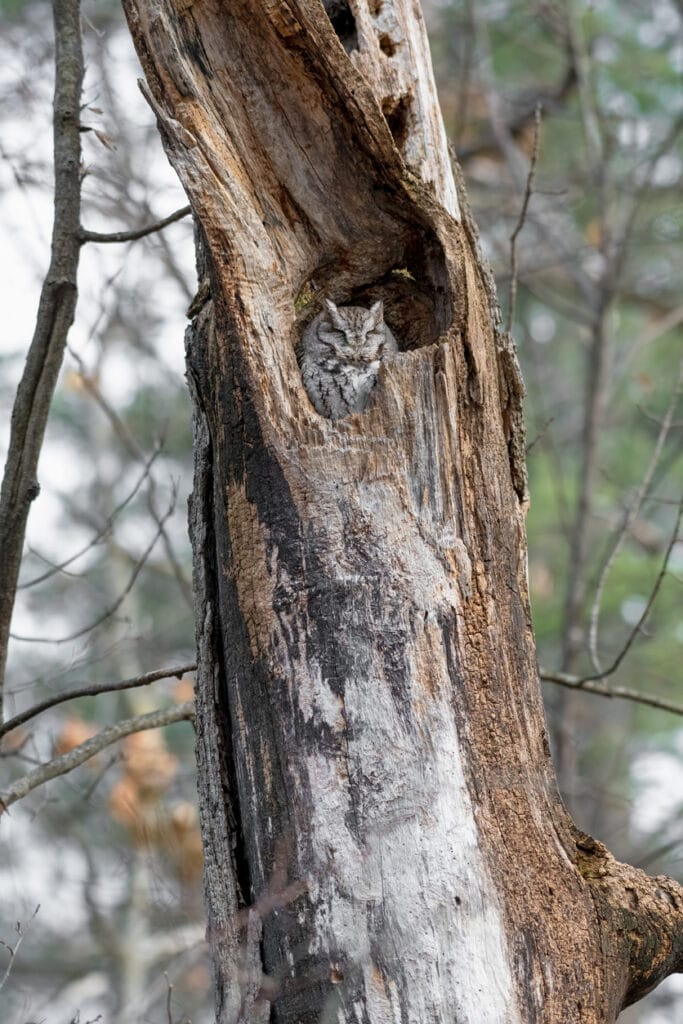
The Eastern Screech-Owl ( Megascops asio ) is one of the most common owl species found throughout Virginia. Its presence is often announced by its distinctive, high-pitched screeching call, a sound that has become synonymous with its identity. These owls are year-round residents, found in a variety of wooded environments, from dense deciduous forests to more suburban settings where nest boxes are provided. Their adaptability allows them to thrive in habitats that are often influenced by human activity.
Despite their commonality, Eastern Screech-Owls are masters of camouflage. Their gray and red-brown patterned plumage allows them to blend seamlessly with tree bark and foliage, making them exceptionally difficult to spot, particularly during their active hunting periods. They typically seek refuge in tree cavities, hollows, or dense undergrowth. Physically, they are small but stocky birds, characterized by pointed ear tufts, square-shaped tails, and rounded wings.
A common point of confusion for birdwatchers is distinguishing the Eastern Screech-Owl from its slightly larger cousin, the Western Screech-Owl. While their appearances are remarkably similar, the Western Screech-Owl is a rare visitor to Virginia. Consequently, encountering an Eastern Screech-Owl in the state is a significantly more probable occurrence.
The diet of the Eastern Screech-Owl primarily consists of small mammals and rodents, such as shrews and deer mice. They also supplement their diet with insects, earthworms, crayfish, and frogs, showcasing their role as important controllers of invertebrate and small vertebrate populations. Occasionally, they may opportunistically prey on small fish.
The Rare and Striking Snowy Owl: An Arctic Visitor
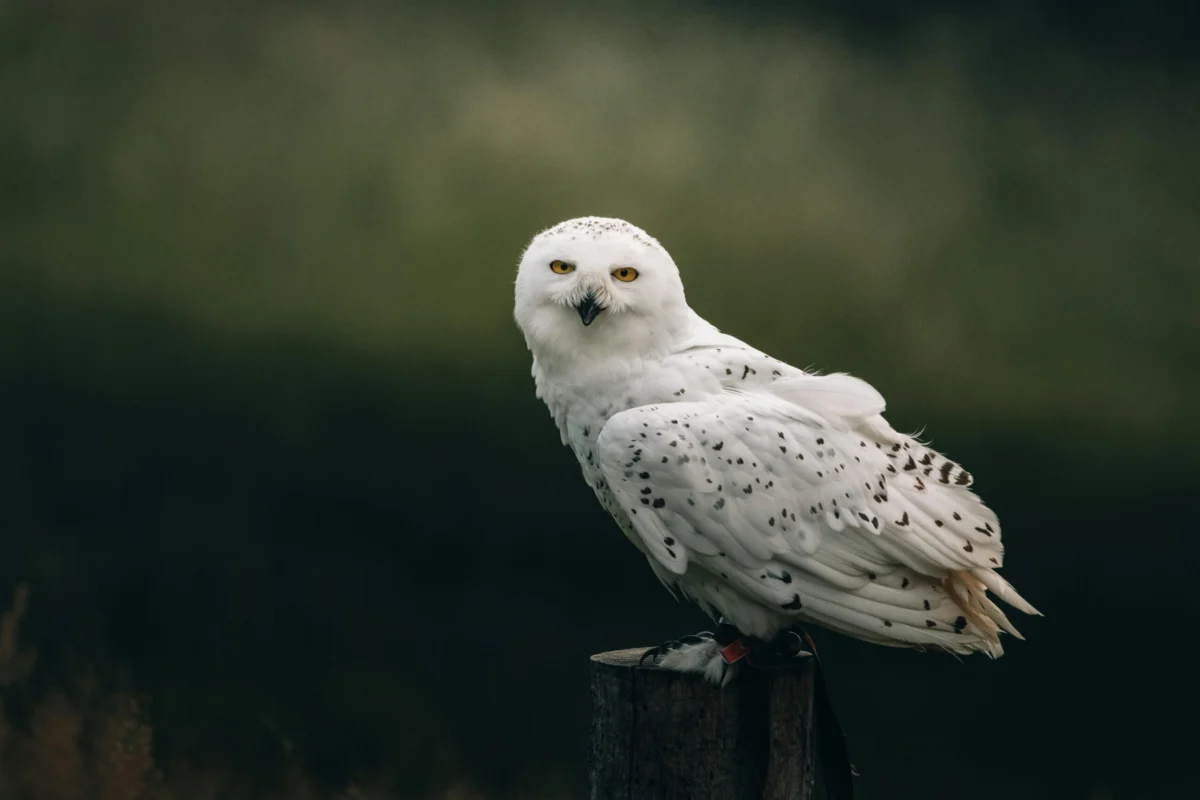
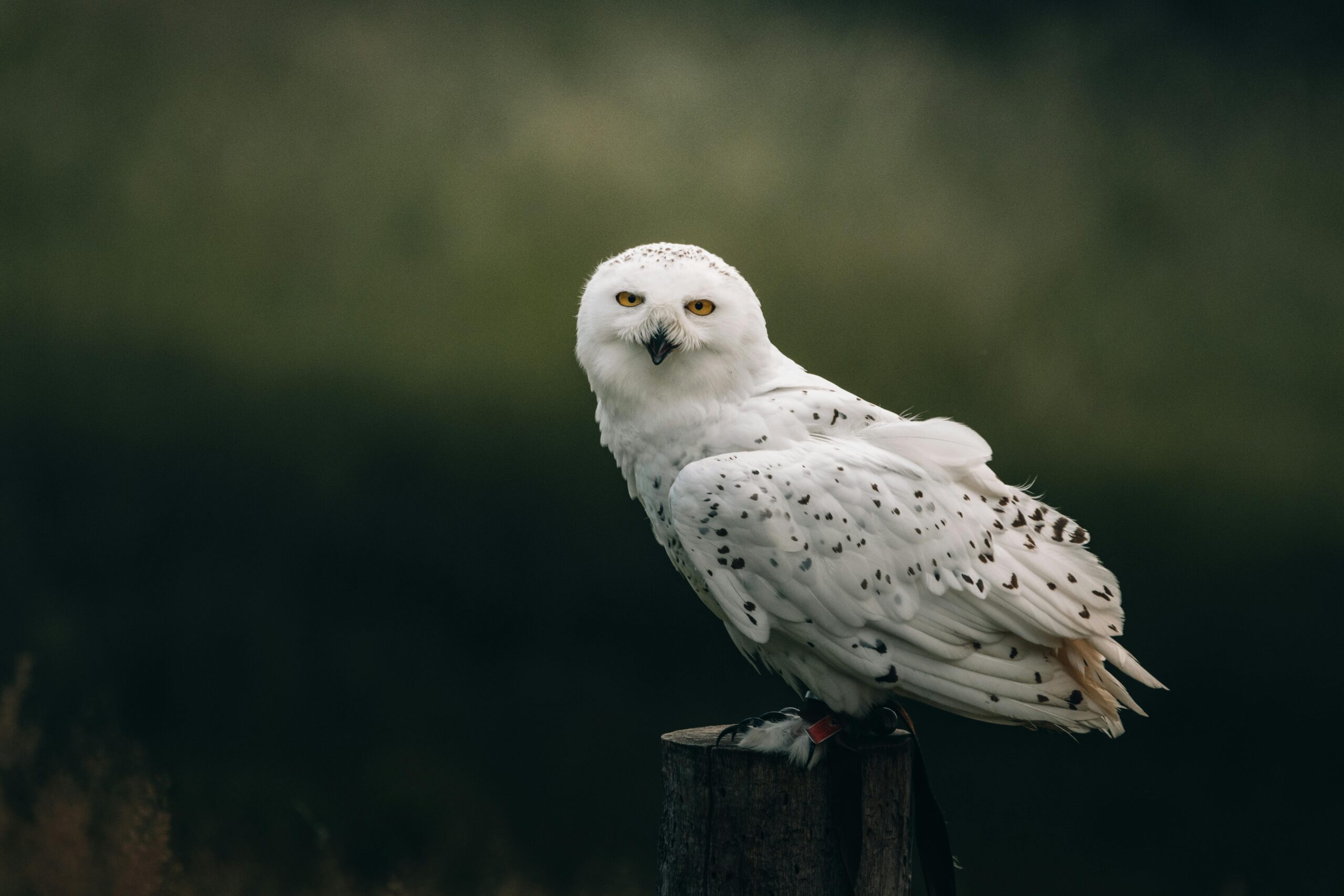
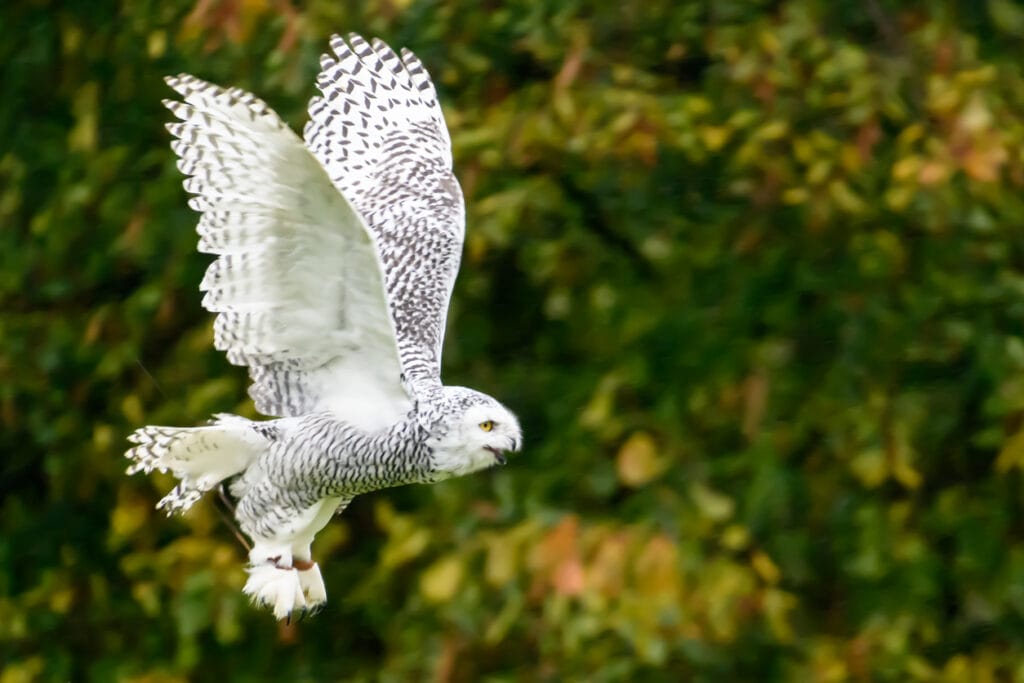
The Snowy Owl ( Bubo scandiacus ) is renowned for its breathtaking white plumage and exotic beauty, making it one of the most unmistakable owl species in the world. While its natural habitat lies in the Arctic tundra, these owls occasionally undertake remarkable journeys south, gracing Virginia’s skies during periods known as "irruptions." These irruptions are a fascinating ornithological phenomenon, characterized by unpredictable large-scale movements of owls into areas outside their typical range.
Snowy Owl irruptions in Virginia typically occur every few years, often following years of high breeding success in their northern territories. These events can lead to dozens of these magnificent birds appearing in unexpected locations, such as the roofs of houses, where they may remain for extended periods, seemingly unfazed by human observers. The last notable irruption in Virginia was documented in 2015, offering a rare spectacle for wildlife enthusiasts.
In terms of size, Snowy Owls rival the Great Horned Owl, with some individuals reaching lengths of up to 28 inches. They are also known for their defensive nature, fiercely protecting their nesting sites and readily attacking any perceived threat, including larger predators like arctic wolves.
During non-breeding seasons, Snowy Owls are notably silent. However, during the breeding season, males emit a deep, booming "hoo, hoo" call to announce their territorial claims. Females produce a similar, albeit higher-pitched, call, typically only when necessary. Their hunting behavior is often adapted to the open, treeless landscapes they inhabit, where they can spot prey from a distance.
The Elusive Long-eared Owl: A Winter Visitor
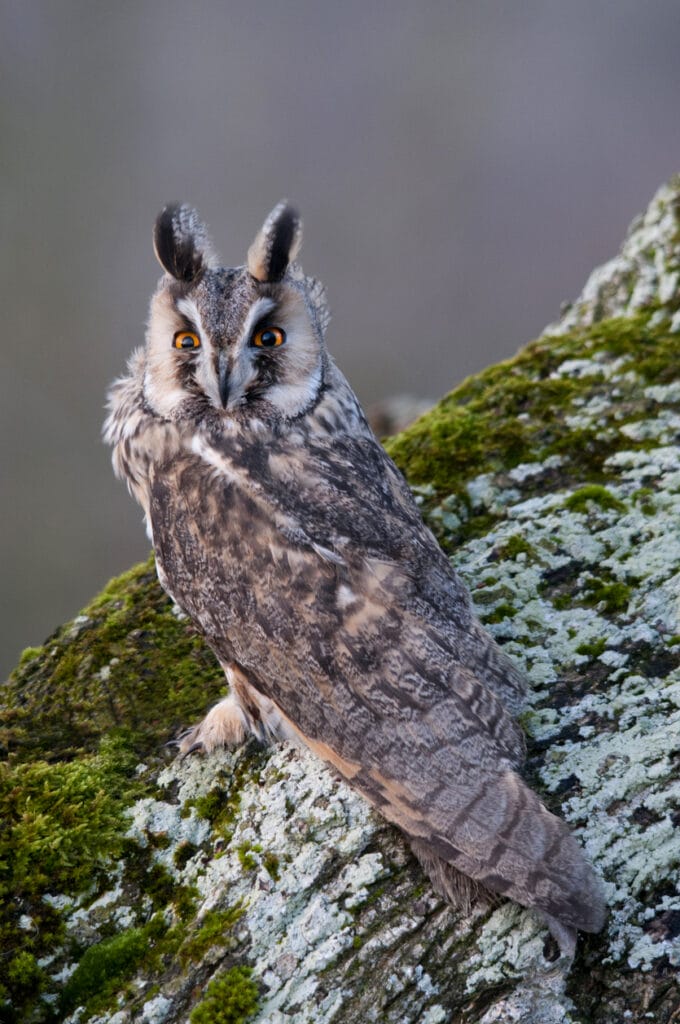
The Long-eared Owl ( Asio otus ) is distinguished by its exceptionally long, prominent ear tufts, which can be easily mistaken for those of the Great Horned Owl, leading to its informal moniker, the "Lesser Horned Owl." Beyond these characteristic tufts, Long-eared Owls possess unique physical traits, including dark, intricately patterned plumage, striking pumpkin-colored facial discs, and large, expressive yellow eyes.
Long-eared Owls are uncommon in Virginia and are primarily observed in the northern parts of the state during the winter months. They favor densely vegetated open areas, such as shrublands, grasslands, orchards, farmlands, and parks. Their preferred roosting sites are the tops of tall trees, where their camouflage allows them to remain virtually invisible against the bark.
While their presence in Virginia is infrequent, Long-eared Owls are considerably easier to locate than Snowy Owls. They are among the more vocal owl species, capable of producing over 200 distinct sounds, including squeals, hoots, whines, screeches, meows, and barks. The vocalizations of male Long-Eared Owls are particularly powerful, with calls audible from nearly a mile away, serving to communicate with mates and defend their territory.
Their diet consists mainly of small mammals, with a particular preference for voles and mice. They are adept hunters in open habitats, using their keen hearing to locate prey hidden beneath vegetation.
The Widespread Short-eared Owl: An Open Habitat Specialist
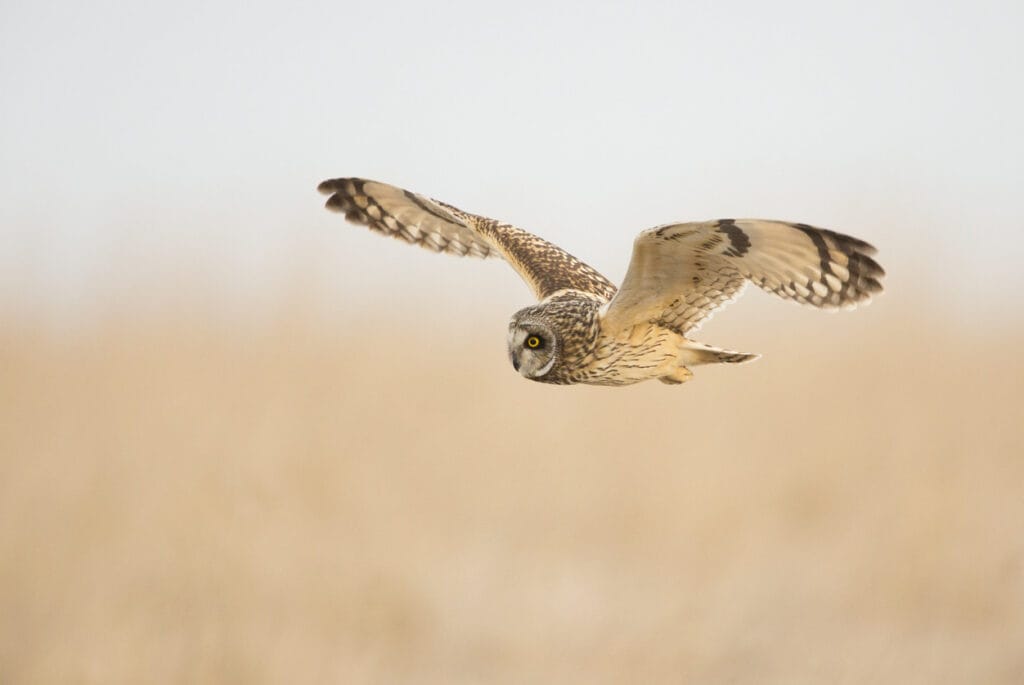
The Short-eared Owl ( Asio flammeus ) boasts a remarkably extensive range, with individuals observable across all regions of Virginia, despite their rarity. These owls typically inhabit open environments such as grasslands, meadows, and farmlands, often perching on low tree limbs or fence posts. Their scientific name, Asio flammeus, derives from their "flame-colored" plumage, a characteristic that adds to their distinctive appearance.
A notable aspect of Short-eared Owl behavior is their nesting habits. They are one of the few owl species that construct their nests directly on the ground. Female Short-eared Owls create a shallow scrape, lining it with plant material like herb stalks and grass stems, and personal feathers plucked from their own breasts if animal feathers are unavailable. Breeding typically occurs from March through June.
Similar to Barred Owls, Short-eared Owls are diurnal, meaning they hunt during daylight hours. They are often observed actively chasing prey close to the ground, executing swift aerial maneuvers and pouncing from above. Their ear tufts, which usually lie flat against their rounded heads, can be pointed upwards when the owl feels threatened or wishes to intimidate an animal.
While generally quiet, Short-eared Owls communicate with sounds that have been described as akin to small cats or dogs calling for a mate. Their diet is opportunistic, consisting primarily of small mammals such as lemmings, voles, pocket mice, rabbits, and gophers. They also prey on small birds and insects.
The Ghostly Barn Owl: A Familiar Presence
The Barn Owl ( Tyto alba ) is a familiar and welcome year-round resident in Virginia. They are most readily identified by their ethereal, "ghostly" appearance, characterized by a distinctive heart-shaped facial disc, mottled tawny-gray plumage, large black eyes, and an eerie, often unnerving, call. Their unique appearance has led to a variety of monikers, including Monkey Owl, Demon Owl, Ghost Owl, and even Death Owl, reflecting a mix of fascination and superstition.
From an aesthetic standpoint, Barn Owls possess a sophisticated and elegant beauty, even as they engage in their nocturnal hunts. While they can nest throughout the year in Virginia, their primary breeding season is from February through June. During colder months, they seek shelter in junipers, warm straw bales, church steeples, chimneys, barn lofts, and on cliff faces to conserve energy and protect themselves from the elements.
Barn Owls do not construct elaborate nests; instead, they seek out level or concave surfaces for egg-laying. Their diet consists predominantly of small mammals, with cotton rats, house rats, and young rabbits forming up to 95% of their food intake. Their hunting prowess is particularly evident in their ability to locate these rodents in agricultural and open field environments.
Despite their somewhat imposing appearance, Barn Owls are generally docile creatures. They rarely attack humans and will typically flee from larger predators rather than engage in conflict. As is the case with all wild animals, observing them from a safe distance is the most prudent approach. Barn Owls are primarily nocturnal hunters, relying on their exceptional hearing and silent flight to capture prey under the cover of darkness.
The Tiny Northern Saw-whet Owl: A Miniature Marvel
The Northern Saw-whet Owl ( Aegolius acadicus ) is one of the smallest owl species found in Virginia, typically measuring less than 10 inches in height. These miniature marvels are characterized by their adorably oversized heads, fluffy bodies, and large, cat-like yellow eyes. Their heart-shaped faces contribute significantly to their overall endearing appearance, often leading them to be considered among the cutest owls.
However, their charming looks belie a surprising warning call. When startled, their screeches can resemble the sound of a saw being whetted, which is the origin of their name. These sounds are typically reserved for mating season or when the owl feels threatened.
In Virginia, Northern Saw-whet Owls are primarily found as non-breeding populations. Their diminutive size and exceptional camouflage make them incredibly difficult to detect. Even experienced ornithologists and owl behavior researchers face challenges in locating them.
For those hoping to catch a glimpse of this elusive species, it is recommended to search in oak woodlands, coniferous forests, or streamside woodlands, as these are the habitats they most frequently frequent. Like many owls, Northern Saw-whet Owls are opportunistic feeders, but their small size limits their prey to small rodents such as mice and voles, young squirrels, insects, and very small birds.
The Vocal Barred Owl: A Familiar Call
The Barred Owl ( Strix varia ) is widely recognized throughout Virginia for its distinctive "who cooks for you? who cooks for you all?" call, a vocalization that echoes through evergreen forests, swamps, uplands, and various other woodland environments. Their striking white-and-brown barred plumage also makes them easily identifiable.
A key characteristic of the Barred Owl is its diurnal hunting behavior, meaning they are active both day and night. This trait makes them one of the most easily spotted owls in Virginia, as they can be observed hunting at various times, not solely during the nocturnal hours.
Barred Owls possess large, round eyes, fluffy, heart-shaped faces, and a distinctive "barred" pattern on their feathers. They have short tails and stocky bodies. A fascinating aspect of their behavior is their tendency to remain in a particular territory. As they do not migrate far from their established homes, it is highly probable that an individual bird observed in a specific location will remain there for extended periods, even across seasons.
Their diet consists mainly of small mammals like mice, rats, and squirrels. However, they are not averse to consuming snakes and other invertebrates. They will also hunt fish from lakes and swamps when the opportunity arises.
While generally considered one of the friendlier owl species, Barred Owls are highly territorial, especially during their nesting season. They will actively chase away intruders with loud hooting and may even strike them with their claws to assert their dominance and protect their young.
Final Thoughts on Virginia’s Owl Diversity
Virginia is a state rich in natural beauty and biodiversity, and its eight owl species are a testament to this. From the common and widespread to the rare and specialized, each owl contributes to the ecological health and mystique of the Commonwealth’s wild spaces. While Great Horned Owls and Barn Owls are found across much of the state, species like the Snowy Owl and Long-eared Owl visit under specific environmental conditions, offering unique viewing opportunities for dedicated observers.

Each of these owl species possesses unique adaptations and behaviors that have allowed them to thrive in their respective niches. Understanding these characteristics is crucial for appreciating their role in the ecosystem and for ensuring their continued presence. Whether it’s the silent flight of a Barn Owl hunting in the twilight or the deep hoot of a Barred Owl announcing its territory, these birds offer a profound connection to the natural world.
For anyone fortunate enough to encounter an owl in the wild, the most important principle is to observe from a distance. This approach ensures both the safety and well-being of the observer and the preservation of the owl’s natural behavior and habitat. Responsible wildlife viewing is essential for maintaining the delicate balance of Virginia’s ecosystems and for allowing future generations to experience the wonder of these magnificent avian predators.
Frequently Asked Questions About Virginia’s Owls
What is the most common owl in Virginia?
Great Horned Owls and Barn Owls are generally considered the most common owl species found throughout Virginia, owing to their adaptability to various habitats and their year-round presence.
Where can I find out more about local owls in Virginia?
For up-to-date information on owl sightings and distribution within Virginia, resources like eBird are invaluable. This platform allows users to search for recent sightings of specific species or to explore what owls have been observed in particular geographic areas. This data is compiled from birdwatchers and researchers, providing a dynamic snapshot of owl populations and movements within the state.

