


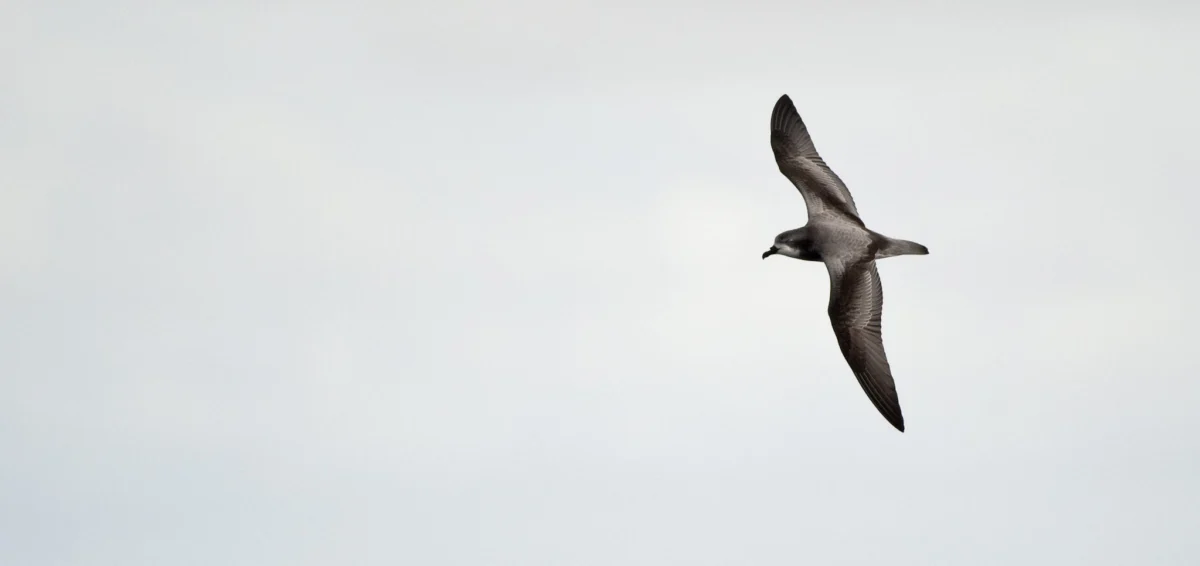
Fiji’s Gau Island, a jewel in the Lomaiviti archipelago, is emerging as a critical sanctuary for some of the world’s most elusive and endangered seabirds. Home to two designated Important Bird and Biodiversity Areas (IBAs), the island is at the forefront of a vital conservation effort, driven by the deep-seated commitment of its local communities. At the heart of this initiative lies the protection of the Collared Petrel and, perhaps more significantly, the enigmatic Fiji Petrel, a species so rare it borders on the mythical. This remote island, east of Viti Levu, with its sixteen distinct villages, represents the last known stronghold for the Critically Endangered Fiji Petrel, locally known as Kacau ni Gau.
The Mystery of the Fiji Petrel: A Century of Absence and Rediscovery
The Fiji Petrel (Pseudobulweria macgillivrayi) is a bird shrouded in mystery. Its existence was first documented in the 1850s, but for over a century, it vanished from scientific record, leading many to believe it was extinct. This prolonged absence fueled speculation and concern among ornithologists and conservationists worldwide. The bird’s elusiveness is attributed to its presumed breeding habits, with evidence suggesting it resides and nests underground in the remote, high-altitude mountainous regions of Gau. This subterranean lifestyle, coupled with its nocturnal and pelagic (ocean-dwelling) nature, makes it exceptionally difficult to observe and study.
The species’ re-emergence in the 1980s was a momentous event, sparking renewed hope and a surge of research interest. However, even after its rediscovery, definitive photographic evidence remained elusive for decades. It wasn’t until 2009 that the first photograph of a Fiji Petrel at sea was captured, a landmark achievement that underscored the bird’s extreme rarity and the challenges inherent in documenting its life cycle.

The IUCN Red List classifies the Fiji Petrel as Critically Endangered, a designation reflecting the dire state of its population. Estimates suggest that the global population may be as low as a mere 50 individuals, making it one of the rarest seabirds on Earth. Gau Island is widely believed to be the sole breeding ground for this species, amplifying the island’s importance as a global conservation priority. The cultural significance of the Fiji Petrel, passed down through oral traditions and ancestral knowledge among Gau’s islanders, has been instrumental in fostering a strong sense of stewardship and a willingness to participate actively in its protection.
Gau Island: A Unique Ecosystem and a Hub for Biodiversity
Gau Island, the fifth-largest island in Fiji, is characterized by its rugged topography, dense forests, and rich biodiversity. The island’s interior highlands, where the Collared Petrel colonies are known to nest, are recognized as critical habitats and are designated as Important Bird and Biodiversity Areas (IBAs). These areas are vital not only for the petrels but also for a diverse array of endemic and migratory bird species, contributing to the ecological health of the region and the wider Pacific.
The island’s geological formation and its relative isolation have contributed to the development of unique ecosystems that support specialized flora and fauna. The forested highlands provide essential nesting sites, foraging grounds, and shelter for various bird species, including the Collared Petrel (Pterodroma brevipes). This species, while not as critically endangered as the Fiji Petrel, is also vulnerable and plays a significant role in the island’s ecological balance. Its nesting burrows, often dug into the soil on steep slopes, are susceptible to disturbance and predation.
Community-Led Conservation: A Partnership for Survival
The conservation efforts on Gau Island are a testament to the power of community engagement and partnership. The islanders, deeply proud of their cultural heritage and their connection to the Fiji Petrel, have been proactive partners in the conservation initiatives from their inception. This collaborative approach, spearheaded by organizations like NatureFiji-MareqetiViti, has been crucial in identifying and mitigating the threats facing these vulnerable seabirds.

The primary threats identified by the community and conservation experts are invasive alien species. Introduced predators such as rats, feral cats, and pigs pose a significant danger to nesting seabirds, particularly their eggs and chicks. These mammals can decimate breeding colonies, leading to catastrophic population declines. Recognizing this, a comprehensive trapping and monitoring program has been implemented, covering an extensive area of over 1,000 hectares and involving three villages. This program aims to systematically reduce and control the populations of these invasive predators.
Furthermore, rigorous biosecurity measures are in place to prevent the introduction of new invasive species to Gau. This is particularly important to avoid the introduction of animals like mongooses, which have had devastating impacts on wildlife populations in other parts of Fiji. By safeguarding the island from new threats, the communities are reinforcing the effectiveness of their existing control measures.
The Collared Petrel as a Surrogate Species: A Strategy for Dual Benefit
The challenges in studying the Fiji Petrel have led to the adoption of a strategic approach where the Collared Petrel serves as a "surrogate" species. Because the Collared Petrel nests in the same forested highlands as the suspected breeding areas of the Fiji Petrel, conservation efforts that protect Collared Petrel colonies are likely to benefit the Fiji Petrel as well. By ensuring that local communities possess the knowledge and resources to safeguard these colonies, and to care for any lost, disoriented, or injured birds they encounter, the well-being of both species can be enhanced.
This surrogate strategy allows for tangible conservation actions to be implemented, even in the face of the immense scientific uncertainties surrounding the Fiji Petrel. The focus on community capacity-building, including training in bird handling and rehabilitation, ensures that local people are empowered to act as frontline guardians of these precious avian populations. This approach not only bolsters the chances of survival for the petrels but also reinforces the enduring cultural connections between the people of Gau Island and the natural world they inhabit.

Monitoring and Research: Unraveling the Secrets of Seabird Ecology
Ongoing monitoring and research efforts are fundamental to understanding the complex ecological needs of Gau’s seabird populations. While the nesting sites of Collared Petrels are relatively well-established within the island’s forests and hills, the precise land-based locations favored by Fiji Petrels remain largely unknown. This knowledge gap highlights the need for continued scientific investigation, employing advanced techniques such as satellite tagging, acoustic monitoring, and community-based surveys to glean more information about the Fiji Petrel’s life cycle, habitat use, and migratory patterns.
The data gathered from these monitoring efforts are crucial for informing adaptive management strategies. For instance, understanding the specific dietary requirements and foraging ranges of these seabirds can help in identifying and protecting critical marine habitats that are essential for their survival at sea. Similarly, detailed knowledge of their breeding biology, including clutch size, incubation periods, and chick-rearing success, is vital for assessing the effectiveness of conservation interventions and for projecting future population trends.
Broader Implications: Global Significance and Conservation Models
The conservation success story unfolding on Gau Island has significant implications that extend far beyond the shores of Fiji. It serves as a compelling case study for community-based conservation in remote island ecosystems, demonstrating how traditional knowledge, combined with scientific expertise and dedicated local participation, can be a powerful force for protecting endangered species. The model developed on Gau could potentially be replicated in other island nations facing similar challenges in conserving their unique biodiversity.
The plight of the Fiji Petrel, in particular, underscores the global biodiversity crisis and the urgent need for focused conservation action for poorly understood species. Its Critically Endangered status is a stark reminder that many species may be teetering on the brink of extinction without adequate scientific attention or conservation resources.

The ongoing collaboration between international conservation organizations, national environmental agencies, and local communities on Gau Island offers a blueprint for effective conservation partnerships. The financial and technical support provided by organizations like BirdLife International and its local partners has been instrumental in empowering the communities and facilitating the implementation of vital conservation programs.
A Legacy of Stewardship: Preserving a Natural and Cultural Heritage
The efforts on Gau Island are not merely about preserving a species; they are about safeguarding a rich natural and cultural heritage for future generations. The deep-seated connection between the people of Gau and their environment is a powerful motivator for conservation. By empowering these communities to be custodians of their natural resources, the long-term survival of these unique seabirds is more assured.
The challenges are significant, and the road ahead requires sustained commitment and resources. However, the progress made on Gau Island, particularly the successful engagement of local communities in the protection of the Collared Petrel and the hopeful pursuit of understanding the Fiji Petrel, offers a beacon of optimism. It highlights that with dedication, collaboration, and respect for local knowledge, even the most challenging conservation goals can be achieved, ensuring that these remarkable seabirds continue to grace the skies and seas of Fiji for years to come. The story of Gau Island is a powerful reminder of the interconnectedness of human well-being and the health of the natural world, and the profound impact that local stewardship can have on a global scale.

