



The American Federation of Aviculture (AFA) has maintained a comprehensive historical record of the development, challenges, and triumphs of bird keeping and conservation through its flagship publication, Watchbird. Spanning over four decades, from its inception in 1974 to the mid-2010s, the Watchbird archive serves as a definitive encyclopedia of avicultural knowledge. This collection of journals, now meticulously cataloged, represents more than just a series of magazines; it is a chronological map of how humanity’s relationship with avian species has evolved from simple pet ownership to sophisticated biological preservation and scientific advocacy.
The archive, which includes Volume 1 (1974) through Volume 42 (2015), captures the shift in avian husbandry from trial-and-error methods to evidence-based practices. By examining the trajectory of these publications, researchers and enthusiasts can trace the emergence of avian medicine, the legislative battles surrounding the Wild Bird Conservation Act, and the global efforts to save species from the brink of extinction.
The Genesis of a Movement: The 1970s and the Birth of the AFA
The early volumes of Watchbird, specifically those released between 1974 and 1979, reflect an era of urgent organization. The American Federation of Aviculture was founded in 1974, largely as a response to the Exotic Newcastle Disease (END) outbreak in the early 1970s, which led to the mass culling of both domestic and exotic birds and prompted strict government intervention.
In these formative years, Watchbird functioned as a vital communication link for a community that felt increasingly under threat by federal regulations. The early issues focused heavily on establishing "best practices" for quarantine and disease prevention. However, as the organization stabilized, the content expanded to include detailed accounts of the first successful captive breedings of various parrot species, finches, and softbills in the United States. This era was characterized by a grassroots sharing of information, where breeders often wrote about their specific cage designs, diet formulations, and incubation temperatures—data that would eventually form the foundation of modern avian science.
Scientific Rigor and Professionalization: The 1980s
By the 1980s, as seen in Volumes 7 through 16, Watchbird transitioned into a more sophisticated periodical. This decade marked the professionalization of aviculture. The content shifted from anecdotal observations to more structured reports, often featuring contributions from the burgeoning field of avian veterinary medicine.

Key developments documented during this period include:

- The Advancement of Nutrition: Articles began moving away from "seed-only" diets, introducing the importance of pelleted food, fresh produce, and vitamin supplementation.
- Surgical and DNA Sexing: Before the 1980s, determining the sex of monomorphic birds was largely guesswork. The archive details the introduction of laparoscopic sexing and, eventually, the revolutionary shift toward non-invasive DNA testing.
- International Cooperation: The AFA began documenting its involvement with CITES (the Convention on International Trade in Endangered Species of Wild Fauna and Flora), signaling a move toward global conservation leadership.
The 1980s volumes also highlight the peak of the "parrot boom," where the demand for exotic birds as pets reached an all-time high, prompting the AFA to advocate for responsible ownership and the establishment of sustainable captive-bred populations to reduce the reliance on wild-caught imports.
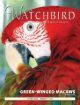
Legislative Battles and the Conservation Pivot: The 1990s
The 1990s, encompassing Volumes 17 through 26, represents perhaps the most tumultuous and transformative decade in the archive. The central theme of this era was the legislative landscape, specifically the passage of the Wild Bird Conservation Act (WBCA) of 1992.
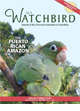
Watchbird became a primary forum for debating the implications of this law, which effectively ended the commercial importation of most CITES-listed bird species into the U.S. The archive documents the AFA’s dual role during this time: fighting to protect the rights of bird owners while simultaneously pivoting toward a "conservation through aviculture" model.

During this decade, the magazine increased its coverage of field conservation projects. It wasn’t just about breeding birds in cages anymore; it was about funding researchers in South America, Africa, and Indonesia to protect habitats. The 1990s issues provide a detailed look at the recovery efforts for the Spix’s Macaw, the California Condor, and the Echo Parakeet, illustrating how captive breeding techniques developed by aviculturists were being used by biologists to save wild populations.
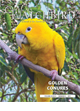
The Digital Frontier and Genomic Awareness: 2000–2015
As the world moved into the 21st century, Watchbird (Volumes 27 through 42) adapted to a new set of challenges. The threat of West Nile Virus and the looming shadow of Highly Pathogenic Avian Influenza (HPAI) dominated many health-related segments. Simultaneously, the magazine began exploring the complexities of avian genetics.
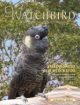
With the advent of the internet, the role of a physical journal changed. The AFA responded by deepening the quality of its long-form investigative pieces. This era of the archive focuses on:
- Species-Specific Consortia: The formation of specialized groups dedicated to the survival of specific genera, such as the AFA’s Red Siskin project.
- Behavioral Science: A move toward "applied behavior analysis" and positive reinforcement training for companion birds, reflecting a more compassionate and psychologically aware approach to pet bird care.
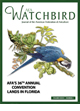
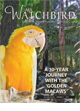
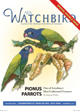
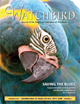
- The Transition to Digital Preservation: The latter volumes of the archive show a high-definition, color-rich aesthetic, eventually leading to the digital accessibility that allows the archive to exist in its current online form.
The final years of the primary archive, particularly the 2014-2015 double volumes (Vol 41 & 42), reflect a mature organization that has survived the initial regulatory shocks of the 20th century and has emerged as a respected voice in both the hobbyist and scientific communities.

Chronological Overview of the Watchbird Archive
To understand the scale of this resource, one must look at the sheer volume of data produced over 41 years:
- 1974–1980 (Volumes 1–7): Establishment of the AFA, focus on END (Exotic Newcastle Disease), and basic husbandry.
- 1981–1990 (Volumes 8–17): Integration of veterinary science, surgical sexing, and the growth of the pet bird industry.
- 1991–2000 (Volumes 18–27): The WBCA era, the rise of DNA sexing, and the shift toward field conservation.
- 2001–2010 (Volumes 28–37): Disease management (West Nile, Bird Flu), behavioral training, and genetic diversity.
- 2011–2015 (Volumes 38–42): Modern conservation strategies, digital transition, and genomic research.
Analysis of Implications: Why the Archive Matters Today
The preservation of the Watchbird archive is a critical service to the global biological community. In an era where "fake news" and unverified pet care advice proliferate on social media, the archive provides a peer-reviewed, historically grounded alternative.
For conservationists, the archive is a "how-to" manual. Many of the techniques used today to save endangered species—such as hand-rearing protocols, specialized brooder temperatures, and nutritional requirements for chicks—were first published and refined within the pages of Watchbird. When a species in the wild drops to critical levels, biologists often turn to the records of aviculturists to understand how to manage those birds in a captive setting.

For historians, the archive documents a unique subculture of American society. It reflects changing attitudes toward nature, the environment, and animal welfare. The shift from "collector" to "steward" is palpable across the decades.
Official Perspectives and Future Outlook
While the American Federation of Aviculture continues to produce new content and advocate for the avian community, the digitization of this 40-year archive is seen by many in the industry as its greatest legacy. "Information is the lifeblood of conservation," noted one long-time AFA contributor in a 2014 retrospective. "If we lose the knowledge of how to breed these birds, we lose the birds themselves."

The AFA’s commitment to keeping this archive accessible ensures that the mistakes of the past are not repeated and that the successes are built upon. As the organization looks toward the future, the Watchbird archive remains the cornerstone of its mission to promote "Aviculture: The conservation of birds through captive breeding and public education."

The legacy of Watchbird is not merely in the paper and ink of its volumes, but in the thousands of birds flying in both aviaries and the wild today because of the information shared within its pages. From the first black-and-white newsletters of 1974 to the sophisticated journals of 2015, the archive stands as a testament to the enduring passion and scientific curiosity of the avian community.

