


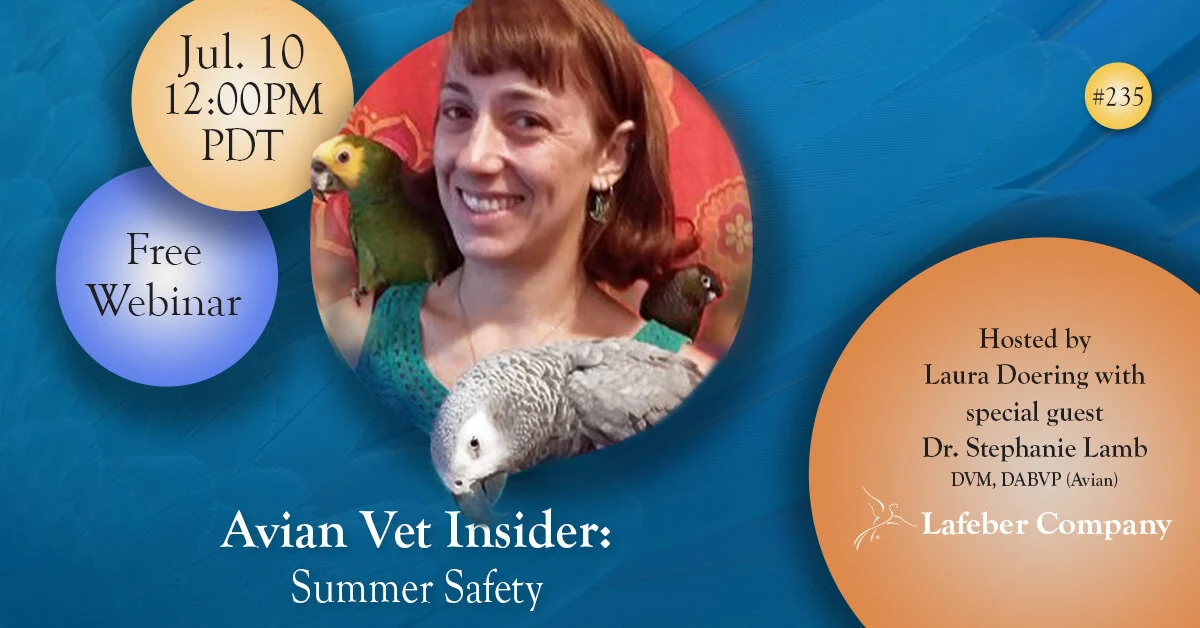
As the mercury climbs and the days lengthen, bringing with them the quintessential joys and challenges of the warmer season, the well-being of our feathered companions becomes a paramount concern for pet owners. In a timely and crucial educational initiative, a webinar titled "Avian Vet Insider – Summer Safety" is scheduled to take place on Friday, July 10, 2026, at 12:00 p.m. Pacific Daylight Time (PDT). This virtual event aims to equip pet bird owners with essential knowledge and practical strategies to navigate the unique environmental and health considerations that summer presents. Participants are strongly advised to utilize the provided time zone converter to ensure accurate attendance from their respective locations.
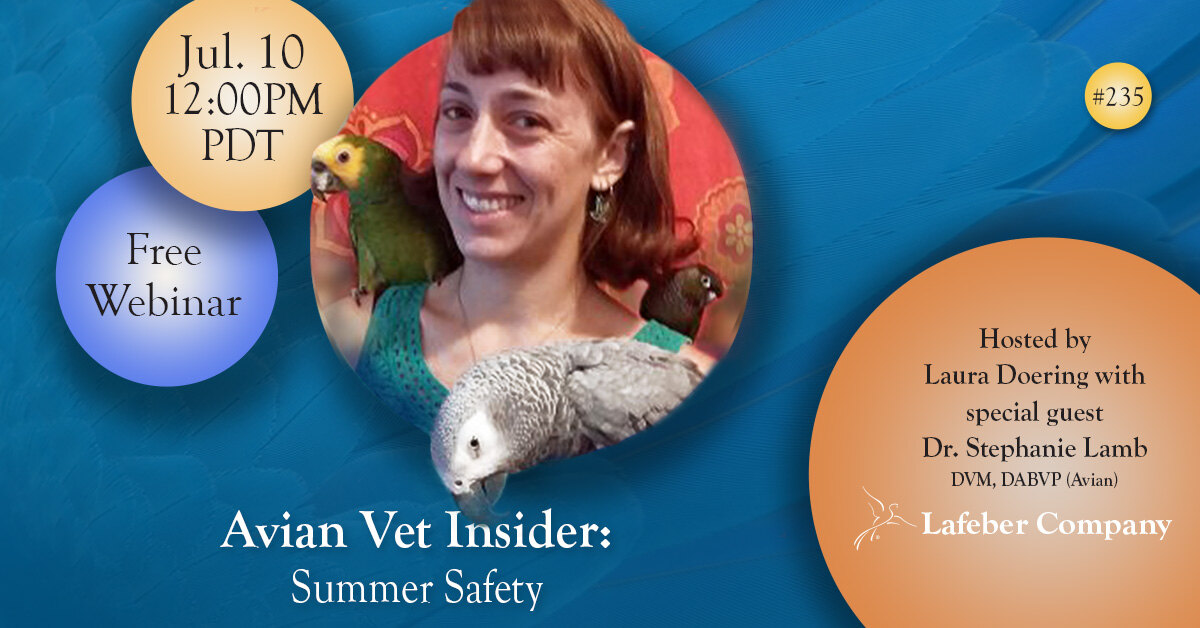
The webinar will feature Dr. Stephanie Lamb, DVM, DABVP (Avian Practice), a distinguished board-certified avian veterinarian whose expertise is widely recognized within the specialized field of avian medicine. Dr. Lamb is set to deliver an comprehensive presentation, sharing invaluable insights and actionable tips designed to maintain the safety and comfort of pet birds throughout the warmer months. A significant portion of the discussion will also be dedicated to the critical topic of proper hydration, a focus that aligns perfectly with the observance of National Pet Hydration Month, which typically falls in July. Dr. Lamb will meticulously detail the importance of adequate fluid intake for avian health, enumerate the tell-tale signs of dehydration that owners should vigilantly watch for, and outline simple, effective methods to ensure birds remain properly refreshed and healthy all summer long. This educational offering underscores a growing commitment within the veterinary community and pet care industry to proactive pet health management, utilizing accessible digital platforms to disseminate vital information to a broad audience of dedicated pet owners.
The Intensifying Challenges of Summer for Avian Companions
Summer, while often a period of increased outdoor activity and leisure for humans, introduces a distinct set of physiological and environmental stressors for pet birds. Unlike mammals, birds possess unique thermoregulatory systems that make them particularly susceptible to heat-related illnesses. Their normal body temperature is higher than that of humans, and they lack sweat glands, primarily relying on panting, gular fluttering (rapid vibration of the moist membranes in the throat), and holding their wings away from their bodies to dissipate heat. When ambient temperatures soar, these mechanisms can become insufficient, leading to dangerous conditions such such as heat stress and heatstroke.
Heatstroke, a severe and potentially fatal condition, can manifest rapidly in birds exposed to excessive heat. Symptoms can include frantic panting, holding wings outstretched and away from the body, lethargy, open-mouthed breathing, seizures, and collapse. The enclosed environments of cages, coupled with poor ventilation or direct sunlight exposure, can quickly turn into deadly heat traps. Moreover, the increased humidity often accompanying summer heat can exacerbate these risks, as it reduces the efficiency of evaporative cooling mechanisms. Preventative measures, such as ensuring adequate shade, providing constant access to fresh, cool water, offering cool baths or misting, and maintaining proper airflow, are not merely recommendations but critical survival strategies.
Beyond the immediate threat of heatstroke, summer also brings an elevated risk of dehydration. This is especially pertinent given the focus of National Pet Hydration Month. Birds, with their high metabolic rates, require consistent access to fresh water for myriad bodily functions, including digestion, nutrient absorption, temperature regulation, and waste elimination. Dehydration can impair kidney function, lead to digestive upset, and severely compromise a bird’s immune system, making them vulnerable to other illnesses. Signs of dehydration in birds can be subtle, including lethargy, dull eyes, dry oral mucous membranes, tacky droppings, and a noticeable decrease in activity or appetite. In severe cases, a bird may appear weak, unable to perch, or exhibit neurological signs.
Furthermore, the summer season often correlates with increased exposure to environmental toxins. With more windows and doors open, birds housed indoors may be inadvertently exposed to outdoor pollutants like pesticides, herbicides, and fertilizers used in gardens and lawns. Even common household items, when combined with increased airflow or outdoor excursions, can pose new threats. Barbecue fumes, citronella candles, insect repellents, and certain outdoor plants can all be hazardous. For birds that spend time in outdoor aviaries or screened porches, vigilance against predators (even domestic cats or dogs), venomous insects, and exposure to wild bird diseases becomes essential. The change in diet, often including more fresh fruits and vegetables, also necessitates careful handling and storage to prevent spoilage and bacterial contamination in warmer temperatures. This comprehensive understanding of summer-specific threats forms the bedrock of the "Avian Vet Insider – Summer Safety" webinar.
Dr. Stephanie Lamb: A Standard Bearer in Avian Veterinary Medicine
The choice of Dr. Stephanie Lamb, DVM, DABVP (Avian Practice), as the featured speaker for this critical webinar underscores the event’s commitment to delivering authoritative and evidence-based information. Dr. Lamb’s credentials as a Diplomate of the American Board of Veterinary Practitioners (DABVP) in Avian Practice signify an exceptional level of expertise and dedication within the veterinary profession. Becoming board-certified requires several years of rigorous post-graduate training, extensive clinical experience, and the successful completion of a demanding, multi-day examination process. This certification demonstrates an advanced proficiency in the diagnosis, treatment, and prevention of diseases in avian species, far exceeding the general veterinary curriculum.
Dr. Lamb’s participation ensures that the advice provided during the webinar is not only current but also grounded in a deep understanding of avian physiology, pathology, and husbandry. Her insights are expected to extend beyond merely identifying risks to offering nuanced, practical solutions tailored to the unique needs of different avian species. It can be logically inferred that Dr. Lamb’s motivation stems from a profound commitment to improving the welfare of pet birds through owner education. She is likely to emphasize that an informed pet owner is the first and most critical line of defense against preventable health issues. Her ability to translate complex medical information into understandable, actionable advice is invaluable for a broad audience of pet bird enthusiasts. Her involvement also highlights the broader trend within veterinary medicine towards specialization, ensuring that highly specific knowledge is available to address the intricate health requirements of diverse animal populations.
National Pet Hydration Month: A Timely Alignment
The webinar’s dedicated segment on hydration is particularly resonant, aligning with the annual observance of National Pet Hydration Month, which is traditionally recognized in July. This initiative serves as a crucial reminder to all pet owners about the fundamental importance of water for their animals’ health, especially during periods of elevated temperatures. For birds, proper hydration is not merely about quenching thirst; it is integral to every metabolic process. Water acts as a solvent, transporting nutrients to cells and carrying waste products away for excretion. It is vital for regulating body temperature, maintaining electrolyte balance, and ensuring the proper function of organs, particularly the kidneys.
Dr. Lamb’s discussion on hydration will likely delve into practical strategies for encouraging adequate water intake. This could include ensuring multiple water sources are available within the cage and play areas, offering fresh water multiple times daily (especially in hot weather), and considering the use of specialized bird waterers that minimize contamination. The presentation might also touch upon the benefits of offering certain hydrating foods, such as fresh fruits and vegetables with high water content (e.g., watermelon, cucumber, leafy greens), as a supplement to their regular diet. However, Dr. Lamb will undoubtedly caution against over-reliance on these and emphasize that they should not replace fresh drinking water. Furthermore, she is expected to provide detailed guidance on recognizing the signs of dehydration, ranging from subtle changes in behavior to more obvious physical manifestations, empowering owners to intervene promptly and seek veterinary attention if necessary. The synchronization of this webinar with National Pet Hydration Month amplifies its message, leveraging a broader public awareness campaign to underscore a critical aspect of pet bird care.
The Evolving Landscape of Pet Care Education: Accessibility and Impact
The "Avian Vet Insider – Summer Safety" webinar exemplifies the modern approach to pet owner education. Leveraging digital platforms like Zoom, such initiatives break down geographical barriers, making expert advice accessible to a global audience. This virtual format offers unparalleled convenience for pet owners, who can participate from the comfort of their homes, eliminating the need for travel and accommodating diverse schedules. The interactive nature of such webinars, often including live Q&A sessions, allows participants to directly engage with experts like Dr. Lamb, addressing specific concerns and deepening their understanding.
This shift towards online educational resources is particularly beneficial for niche pet communities, such as pet bird owners, where specialized veterinary expertise might not be readily available in every locale. Organizations like Lafeber Company, implied as a key promoter or host through the image source, play a vital role in facilitating these educational endeavors. Their commitment to sponsoring and promoting such webinars demonstrates a dedication not only to their commercial products but also to the broader welfare of pet birds. By providing free or low-cost access to high-caliber veterinary education, they contribute significantly to fostering responsible pet ownership and elevating the standard of care for avian companions worldwide. The target audience for such a webinar extends beyond seasoned bird owners to include new bird parents, individuals contemplating bird ownership, and even veterinary support staff seeking to enhance their knowledge in avian care. The ease of registration through the provided Zoom link underscores the user-friendly design of these educational outreach programs.
Broader Implications: Elevating Avian Welfare and Responsible Pet Ownership
The implications of educational initiatives such as the "Avian Vet Insider – Summer Safety" webinar extend far beyond the immediate goal of preventing summer-related health issues. Firstly, by empowering pet owners with accurate, expert-backed information, these programs directly contribute to improved animal welfare. Educated owners are better equipped to provide appropriate environments, nutrition, and preventative care, leading to healthier, happier, and potentially longer-lived birds. This proactive approach significantly reduces the incidence of preventable illnesses, minimizing suffering for the birds and alleviating the emotional and financial burden on their owners.
Secondly, the proliferation of specialized veterinary education through accessible platforms reflects a broader societal trend towards recognizing pets not merely as animals, but as integral family members. This elevated status demands a higher standard of care and a greater investment in understanding their specific needs. The availability of board-certified specialists like Dr. Lamb, coupled with mechanisms to share their knowledge widely, signifies a maturing pet care industry that prioritizes preventative medicine and owner engagement. This, in turn, can lead to a decrease in emergency veterinary visits for preventable conditions, optimizing veterinary resources for more complex or unavoidable health challenges.
Economically, while proactive care requires an initial investment in knowledge and sometimes in specialized equipment or diets, it often results in long-term savings by averting costly emergency treatments or chronic disease management. Furthermore, a well-informed pet owner is more likely to make discerning choices regarding pet products and services, driving innovation and quality within the pet care market. Ethically, these educational programs reinforce the principles of responsible pet ownership, emphasizing that acquiring a pet entails a lifelong commitment to its physical and psychological well-being. By fostering a community of informed and dedicated bird owners, such webinars contribute to a culture where avian health is not an afterthought but a central tenet of companion animal care.
In conclusion, the "Avian Vet Insider – Summer Safety" webinar represents a pivotal opportunity for pet bird owners to arm themselves with critical knowledge ahead of the challenging summer months. Featuring the esteemed Dr. Stephanie Lamb, DVM, DABVP (Avian Practice), and aligning with National Pet Hydration Month, the event promises to be an indispensable resource for ensuring the health and comfort of feathered companions. As pet care continues to evolve, these accessible, expert-led educational platforms play an increasingly vital role in elevating animal welfare and promoting responsible pet ownership globally. Registration is now open, encouraging all interested individuals to secure their participation in this essential session.

