


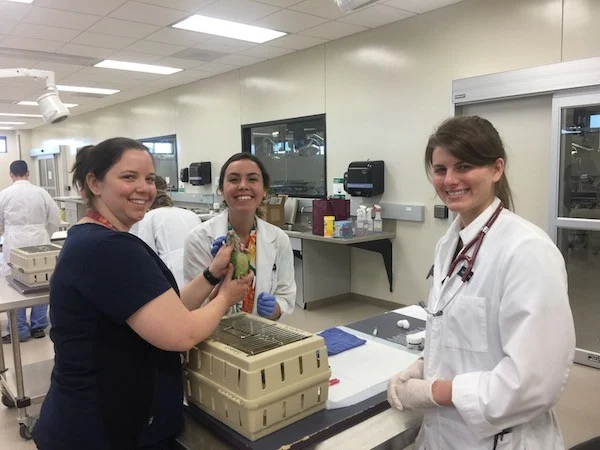
The landscape of veterinary medicine is undergoing a profound transformation as the demand for specialized care for non-traditional species continues to rise globally. For nearly two decades, the Lafeber Company has positioned itself at the forefront of this evolution, facilitating a comprehensive educational program that bridges the gap between general veterinary practice and the highly specialized fields of avian, exotic, and wildlife medicine. Through a series of lectures, symposia, and hands-on wet labs spanning from 2007 and projected through 2026, the company has fostered a robust network of experts, students, and academic institutions dedicated to improving the clinical outcomes of species ranging from companion parrots and rabbits to sea turtles and elephants.
The Strategic Expansion of Exotic Animal Veterinary Education
The historical trajectory of veterinary education often prioritized livestock and common companion animals, such as canines and felines. However, the data reflected in the Lafeber educational calendar illustrates a significant shift toward "non-traditional" species. This shift is driven by both the increasing popularity of exotic pets and a heightened global focus on wildlife conservation. By sponsoring events at premier institutions such as Cornell University, the University of California at Davis, and the Royal Veterinary College, the program provides veterinary students with access to specialized knowledge that is often outside the standard core curriculum.
Key to this initiative is the involvement of the Exotic Animal Medicine Clubs and Student Chapters of the American Association of Avian Pathologists (AAAP). These student-led organizations serve as the primary conduits for specialized training. For example, the upcoming presentation in April 2026 by Dr. Rebecca Duerr, Senior Director of Research and Veterinary Science for the International Bird Rescue, focuses on the "Medical Problems of Oiled Birds." This topic represents a critical intersection of clinical medicine and environmental emergency response, a field that has gained urgency following major maritime environmental disasters.
A Chronology of Specialized Training and Virtual Evolution
The educational program has demonstrated remarkable adaptability, particularly in its delivery methods. The timeline of events reveals a clear transition toward distance learning, a move that was accelerated by global shifts in 2020 but has remained a staple of the program due to its ability to connect international experts with diverse student bodies.
The Early Years: Foundations in Avian and Zoo Medicine (2007–2015)
In the early stages of the program, the focus remained heavily on avian surgery and zoo-based clinical cases. Significant milestones included Dr. Marla Lichtenberger’s 2008 presentation at Texas A&M on emergency and critical care, and Dr. M. Scott Echols’ 2009 lecture at Oklahoma State University. During this era, the program emphasized the fundamental skills required for avian practice, such as anesthesia and basic surgery. The involvement of organizations like the American Eagle Foundation in 2007 highlighted the program’s early commitment to wildlife rehabilitation.
The Rise of Hands-on Technical Training (2016–2019)
As the program matured, there was an increased emphasis on "wet labs"—practical, hands-on sessions where students could practice specific procedures. Notable events included the 2016 Parrot Handling Wetlab at North Carolina State University and the 2017 Avian Reproductive Surgery lab at Texas A&M, led by Dr. Stephen Fronefield. These sessions provided students with tactile experience in high-stakes procedures, such as microsurgery and orthopedic repair, which are difficult to master through lecture alone.
The Digital Pivot and Global Reach (2020–2023)
The onset of the COVID-19 pandemic necessitated a rapid shift to virtual platforms. However, rather than stalling the educational momentum, this transition expanded the program’s reach. In 2021, Dr. Jaime Samour was able to present a two-part series on "Medical, Nursing & Cosmetic Procedures in Birds of Prey" to students at Mississippi State University from a remote location. Similarly, in 2022, Dr. Petra Schnitzer presented on avian ultrasound—from finches to geese—to the University of Georgia, demonstrating that complex diagnostic imaging techniques could be effectively taught via distance learning.
Future Projections and Advanced Specialization (2024–2026)
The calendar extending into 2026 indicates a move toward highly specific medical challenges. Topics such as "Avian Atherosclerosis" at the University of Tennessee (2025) and "Surgery of the Reproductive Tract of Female Birds" at Atlantic Veterinary College (2026) reflect the advancing frontier of avian medicine. These topics address chronic conditions and complex surgeries that were once considered untreatable in smaller avian patients.
Integration of Nutrition and Critical Care
A recurring theme throughout the two-decade schedule is the pivotal role of nutrition in the health of exotic species. Kara Burns, a renowned specialist in veterinary nutrition, appears frequently in the chronology, presenting on "Avian Nutrition Fundamentals" and "Rabbit Nutrition & Critical Care Feeding."
Veterinary experts agree that a significant percentage of illnesses seen in exotic pets are rooted in improper husbandry and malnutrition. By educating the next generation of veterinarians on the nuances of psittacine diets and the specific gastrointestinal physiology of lagomorphs, the Lafeber program addresses the root causes of many common clinical presentations. The focus on critical care nutrition, particularly the use of specialized formulas like Emeraid, has become a cornerstone of the curriculum, providing clinicians with the tools necessary to stabilize patients during the "golden hour" of emergency treatment.
Collaborative Academic Partnerships and Symposium Sponsorships
The success of these educational initiatives is bolstered by the "Gold Level" sponsorship of major symposia. Cornell University’s "Special Species Symposium" and the University of California at Davis’s "Wildlife & Exotic Animal Symposium" are perennial highlights that draw students from across the country. These events serve as intensive weekend-long immersions into non-traditional medicine.
Furthermore, the program has fostered unique collaborations between different veterinary disciplines. In November 2025, Western University of Health Sciences hosted a joint session between the American Association of Avian Pathologists and the Veterinary Emergency and Critical Care Society. This interdisciplinary approach is essential for modern veterinary practice, where the emergency clinician must be prepared to handle a wide variety of taxa.
Clinical Innovations and Behavioral Medicine
Beyond traditional surgery and medicine, the program has expanded into the realms of behavioral science and cognition. The October 2024 "Parrot Cognition and Behavior Symposium" at North Carolina State University, featuring Dr. Irene Pepperberg and Dr. Jan Hooiemeijer, represents a high-water mark for the integration of psychology into veterinary medicine. Understanding the cognitive depth of avian patients is now recognized as a vital component of both welfare and successful clinical treatment.
Similarly, the work of Dr. Yvonne van Zeeland, who is scheduled to present in 2025 on the intersection of behavior and medical issues in birds, explores how psychological stress can manifest as physical illness. This holistic view of the patient—considering both the biological and the behavioral—is a hallmark of the advanced training provided through these sponsored events.
Broad Impact and Implications for Global Conservation
The implications of this long-term educational commitment extend far beyond the walls of the classroom. By equipping veterinarians with the skills to treat wildlife, the program directly supports global conservation efforts. The 2024 "Sea Turtle Radiographs and CT Scans" session at Virginia-Maryland College of Veterinary Medicine and the 2025 presentations on black bear support and shellfish disease monitoring illustrate the program’s relevance to ecosystem health.
When veterinarians are trained to perform orthopedic surgery on a raptor or manage infectious disease in backyard poultry, they are contributing to the broader framework of "One Health"—the recognition that human, animal, and environmental health are inextricably linked. The data from the past 19 years suggests that the thousands of students who have participated in these sessions are now entering the workforce as better-prepared, more versatile clinicians.
Conclusion: Securing the Future of Veterinary Excellence
As the veterinary profession continues to specialize, the role of corporate-academic partnerships in providing high-level education cannot be overstated. The Lafeber Company’s consistent support of veterinary student groups and their commitment to bringing world-class experts to a diverse range of universities has created a legacy of clinical excellence.
From the basic handling labs of 2008 to the complex reproductive surgeries scheduled for 2026, the evolution of this program mirrors the growth of exotic animal medicine itself. As we move toward the mid-2020s, the focus remains clear: providing the most current, evidence-based medical information to ensure that every animal—regardless of species—receives the highest standard of care. This comprehensive educational timeline stands as a testament to the enduring importance of lifelong learning in the veterinary field.

