


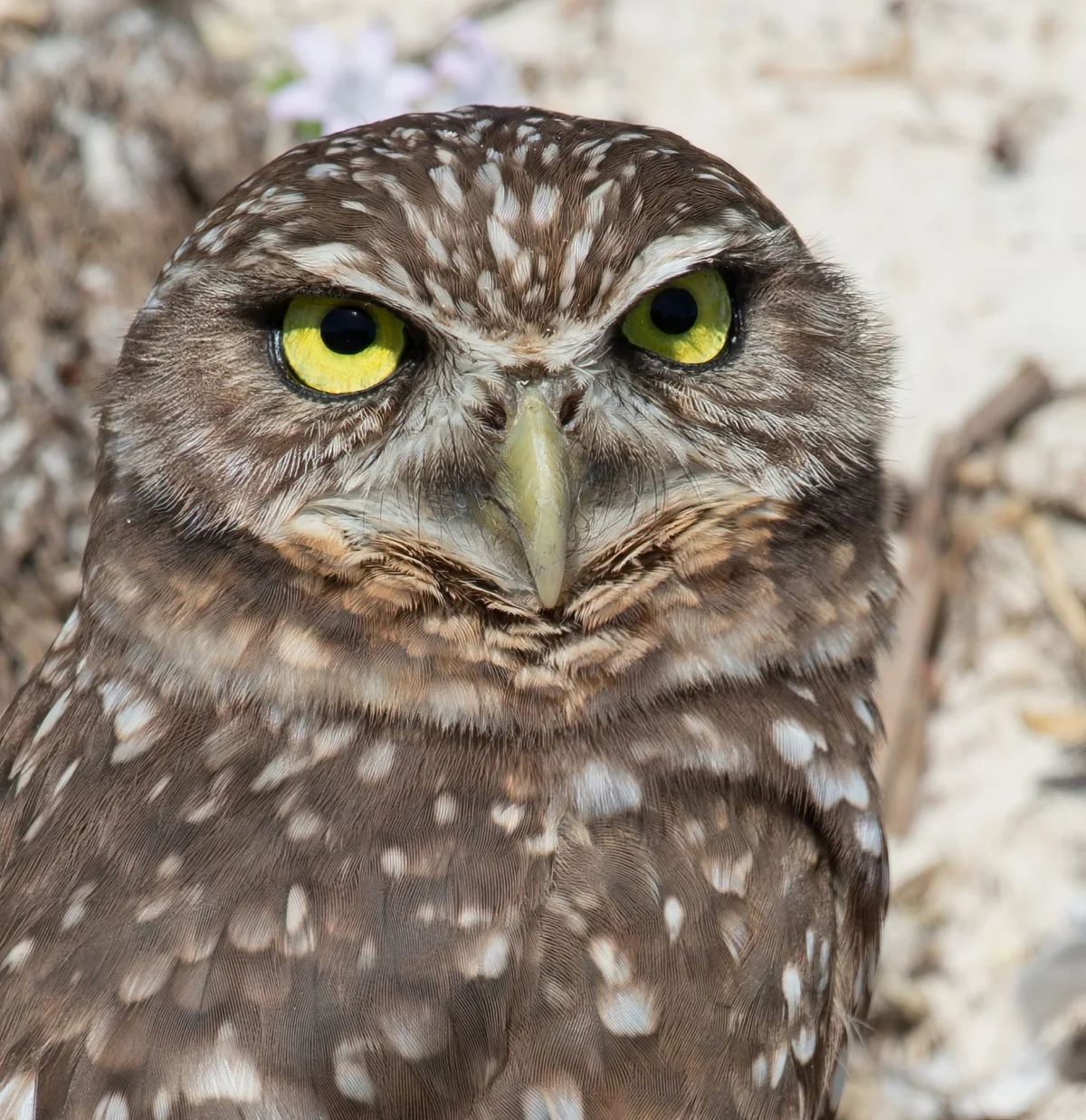
Louisiana, a state celebrated for its vibrant contributions to jazz music and its delectable Creole and Cajun cuisines, also harbors a rich and often unseen natural heritage. Beyond the bayous and bustling cities lies a thriving ecosystem that supports an impressive diversity of avian life. With a permanent or occasional resident population of 485 bird species, Louisiana offers a compelling destination for nature enthusiasts. Among these feathered inhabitants, the owls, with their elusive nature and nocturnal habits, present a particular allure for dedicated birdwatchers. While many popular birding spots dot the state, encountering these masters of the night often requires venturing out during the twilight hours of dawn and dusk, or under the cloak of darkness. These birds of prey, known for their stealth and sudden, precise ambushes, are a testament to the intricate balance of Louisiana’s natural environments. This article delves into the fascinating world of Louisiana’s owls, exploring nine of the most notable species that grace the state’s diverse landscapes.
The Enduring Appeal of Louisiana’s Avian Predators
The ecological tapestry of Louisiana, characterized by extensive forests, sprawling swamplands, and coastal marshes, provides an ideal habitat for a wide array of owl species. These environments offer an abundance of prey, from small mammals and reptiles to insects and amphibians, which in turn supports a healthy owl population. While many owls prefer the seclusion of dense woodlands for roosting and nesting, some species have demonstrated remarkable adaptability, readily utilizing human-altered landscapes such as abandoned buildings or even purpose-built nesting boxes. This adaptability underscores their resilience and their integral role within the state’s broader biodiversity. Understanding the specific characteristics and habitat preferences of these owls is crucial for both conservation efforts and for those seeking to observe them in their natural environment.
1. The Majestic Great Horned Owl: A Symbol of Resilience
The Great Horned Owl ( Bubo virginianus ) is a formidable and widely distributed resident of Louisiana, renowned for its adaptability and impressive size. Often found in the state’s extensive swamps and verdant evergreen and deciduous forests, this species is more versatile in its habitat selection than many other owl varieties. Its striking appearance, characterized by a brown and gray mottled body and distinctive ear tufts that resemble horns, contributes to its intimidating presence. These owls are also known to frequent residential areas, a testament to their ability to thrive alongside human development.
Ecological Significance and Hunting Prowess:
The Great Horned Owl, sometimes referred to as the "Tiger Owl," is an apex predator within its ecosystem. Its diet is exceptionally diverse, reflecting its status as one of North America’s most adaptable hunters. They are known to prey on a wide range of animals, often targeting creatures larger than themselves, including other owls, hawks, falcons, and even domestic outdoor pets. Their hunting strategy involves a combination of keen eyesight and acute hearing, allowing them to locate and ambush prey with remarkable speed, typically during dawn and dusk, though they are capable of hunting throughout the night.
Nesting Habits and Social Behavior:
Unlike some owl species that meticulously construct their own nests, the Great Horned Owl often repurposes abandoned nests built by other birds, such as hawks or crows. They are also known to utilize tree cavities and man-made structures for nesting. Pairs typically maintain close proximity to each other, especially in the lead-up to the breeding season, reinforcing their strong pair bonds.
2. The Elusive Flammulated Owl: A Master of Camouflage
The Flammulated Owl ( Psiloscops flammeolus ) is a small, exceptionally well-camouflaged owl that presents a significant challenge for observers. Its plumage, a sophisticated blend of brown, gray, rust, and white feathers, mimics the textures of tree bark and leaves, rendering it almost invisible against its arboreal backdrop. Compounding its stealth is its low-pitched hoot, a soft vocalization that offers little in the way of auditory cues for locating its position.
Habitat and Diet:
While not as commonly encountered in Louisiana as some other species, the Flammulated Owl can occasionally be spotted in the state’s city parks, particularly those with mature tree stands. Their diet primarily consists of small insects, with a preference for moths, crickets, grasshoppers, and beetles. They are agile hunters, often foraging at the upper canopy of trees, relying on their sharp vision to capture flying insects in mid-air.

Reproductive Strategies:
The territorial calls of the male Flammulated Owl serve to demarcate their territory and attract mates. During the courtship and pre-laying stages, the male plays a vital role in provisioning the female, bringing her an abundance of food to build up her energy reserves for egg incubation.
3. The Adaptable Eastern Screech-Owl: A Suburban Neighbor
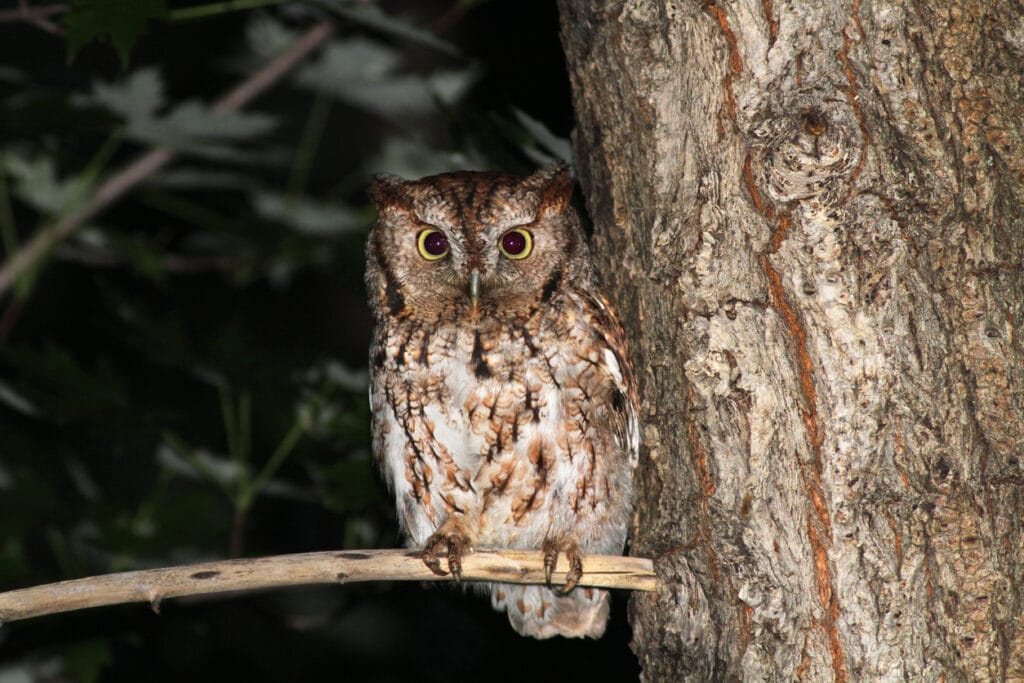
The Eastern Screech-Owl ( Megascops asio ) is a year-round resident of Louisiana, demonstrating a remarkable ability to adapt to a variety of environments. These owls are frequently found in wooded areas, suburban parks, and even in close proximity to residential neighborhoods, where their preferred prey – small rodents – are readily available. Their diet also includes reptiles, amphibians, and large insects.
Plumage and Human Interaction:
This stocky owl exhibits two primary color morphs: gray and rufous (reddish-brown), both of which provide excellent camouflage within their surroundings. Unlike many other owl species that exhibit pronounced shyness around humans, the Eastern Screech-Owl has shown a notable tolerance for human presence, often allowing observers to approach relatively closely.
Attracting and Observing:
For those interested in observing this species, setting up nesting boxes in backyard trees before the breeding season can be an effective strategy to attract a breeding pair. However, it is essential to ensure that these nesting boxes are adequately protected from predators to safeguard the nestlings. Interestingly, the presence of Eastern Screech-Owls can sometimes lead to agitated responses from songbirds, which may attempt to "mob" the owl to drive it away from their territories.

4. The Resonant Barred Owl: A Familiar Voice in the Wetlands
The Barred Owl ( Strix varia ) is a relatively common sight in Louisiana, particularly in urban centers like Baton Rouge and in areas adjacent to the state’s ubiquitous swamps and wetlands. These owls prefer to inhabit large, mature trees and are often found nesting in close proximity to water bodies, which provide a rich source of food.
Distinctive Appearance and Call:
The species earns its name from the characteristic barring on its plumage. It features a mottled brownish body adorned with white spots, and distinct black markings on its underparts. During daylight hours, Barred Owls often remain motionless and camouflaged within the dense foliage of mature trees, making them difficult to spot. However, their distinctive, resonant call, often described as "Who cooks for you? Who cooks for you-all?", can serve as a valuable auditory clue for their location.
Nocturnal Hunter of the Louisiana Landscape:
Barred Owls are primarily nocturnal hunters, employing a perch-and-wait strategy to capture their prey. Their diet consists of small animals such as mice, squirrels, voles, and rabbits, as well as various bird species. When nesting near water, they will also supplement their diet with fish and crayfish. They are known to cache excess food in tree cavities during periods of abundance. While small prey is swallowed whole, larger prey is typically dismembered before consumption, with the head usually ingested first.
5. The Diurnal Short-eared Owl: A Hunter of Open Spaces
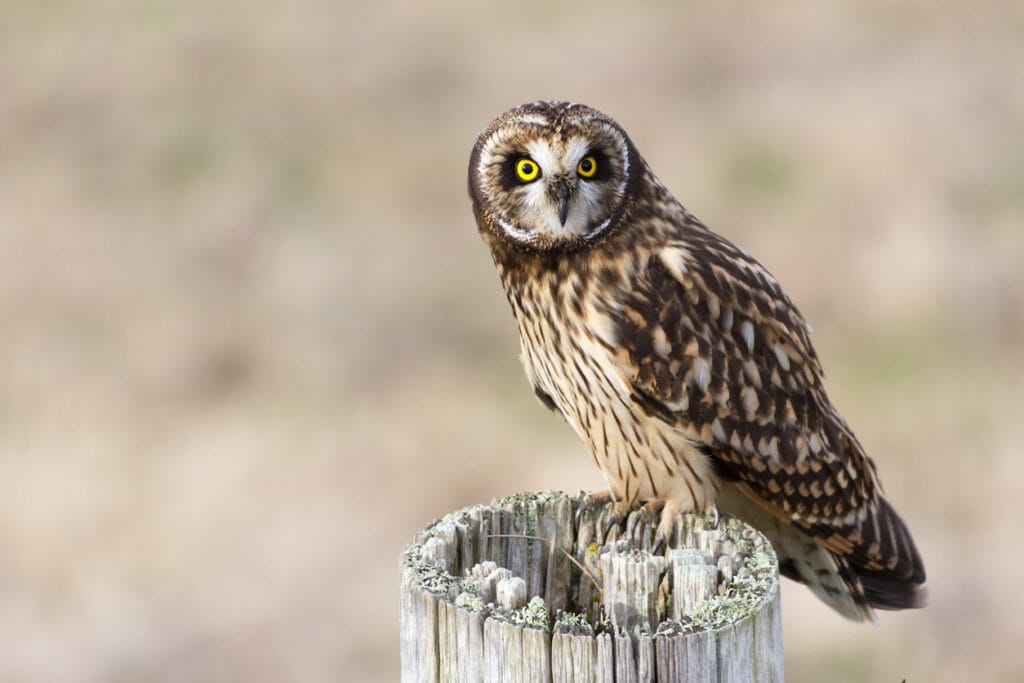
The Short-eared Owl ( Asio flammeus ) is a medium-sized owl that is not uncommon in Louisiana, and it exhibits a unique hunting behavior by being active during daylight hours. While they can sometimes be found near residential areas, their preferred habitats include marshes, meadows, and open grass fields, areas that offer unobstructed hunting grounds.
Distinctive Features and Hunting Style:
This owl is characterized by its buff-brown, spotted plumage with lighter underparts. It possesses two ear tufts, which are relatively short, giving the species its name. The Short-eared Owl actively hunts by flying low over short vegetation, targeting small mammals, particularly mice and voles. Their diet also includes rabbits, weasels, bats, squirrels, and other birds. They exhibit a specific feeding behavior, often decapitating mammals before consumption and removing the wings of birds prior to swallowing.
Breeding Season Adaptations:
During the breeding season, Short-eared Owls become active throughout the day. The male plays a crucial role in defending the nest and providing food for the incubating female. Nests are typically constructed on the ground, concealed among low-lying plants, offering a degree of camouflage. In a remarkable display of parental defense, the female may feign injury to lure potential predators away from the nest.
6. The Eerie Barn Owl: A Silent Hunter of the Night
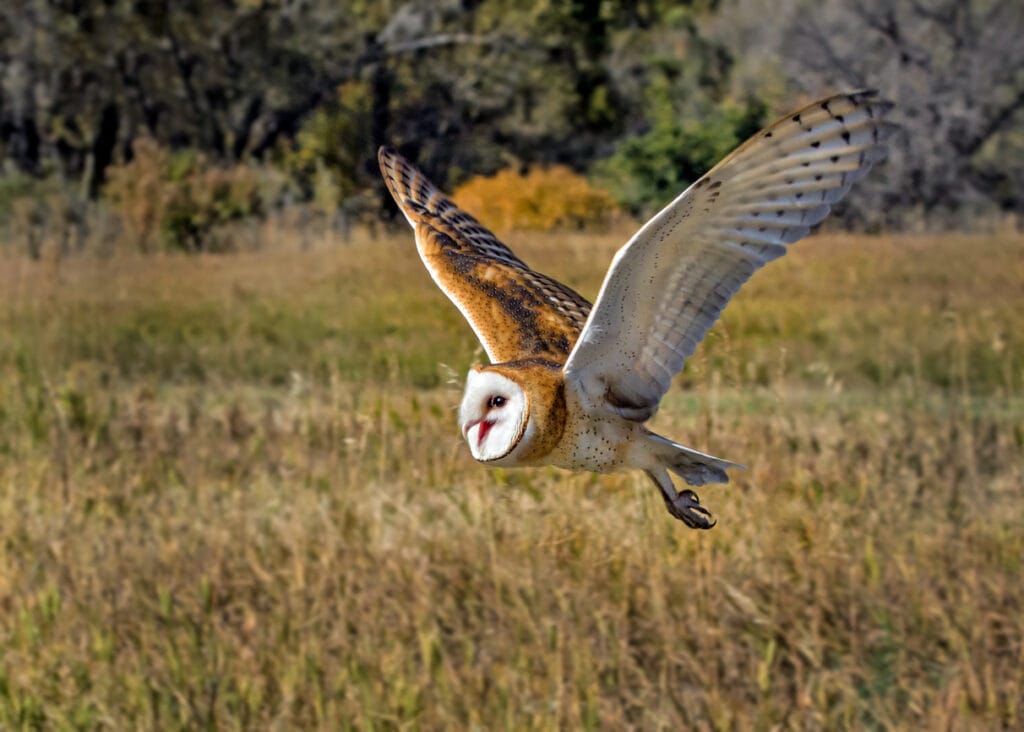
The Barn Owl ( Tyto alba ) is a widespread species found throughout Louisiana, with a particular prevalence in the southern counties. They are often associated with the state’s rice and sugarcane fields, marshlands, and the riverbanks of the Red, Atchafalaya, and Mississippi rivers. Their vocalization, often described as a chilling scream, adds to their mystique.
Exceptional Sensory Adaptations:
Despite its somewhat unsettling call, the Barn Owl is highly prized by birdwatchers for its hunting prowess and unique adaptations. Its pale, buff-gray plumage appears almost white in low light conditions, aiding its nocturnal activities. This owl is a master of nocturnal hunting, relying heavily on its extraordinarily sensitive hearing to locate prey in complete darkness.

A Heart for Precision:
The Barn Owl’s distinctive heart-shaped facial disk funnels sound towards its ears. Crucially, its ears are asymmetrically placed, meaning sound waves reach each ear at slightly different times. This asymmetry allows the owl to pinpoint the exact location of its prey with remarkable accuracy, even when the prey is hidden from view. Their diet consists almost exclusively of rodents, particularly mice, with a single Barn Owl capable of consuming up to 1,000 mice annually, making them invaluable natural pest controllers.
Mate Selection and Immunity:
Barn Owls exhibit interesting mating rituals, with males often aggressively defending their nests. Interestingly, males tend to favor females with a greater number of spots on their bodies, as these spots are believed to be indicative of a female’s superior immunity to parasites and diseases.
7. The Subterranean Burrowing Owl: An Unconventional Dweller
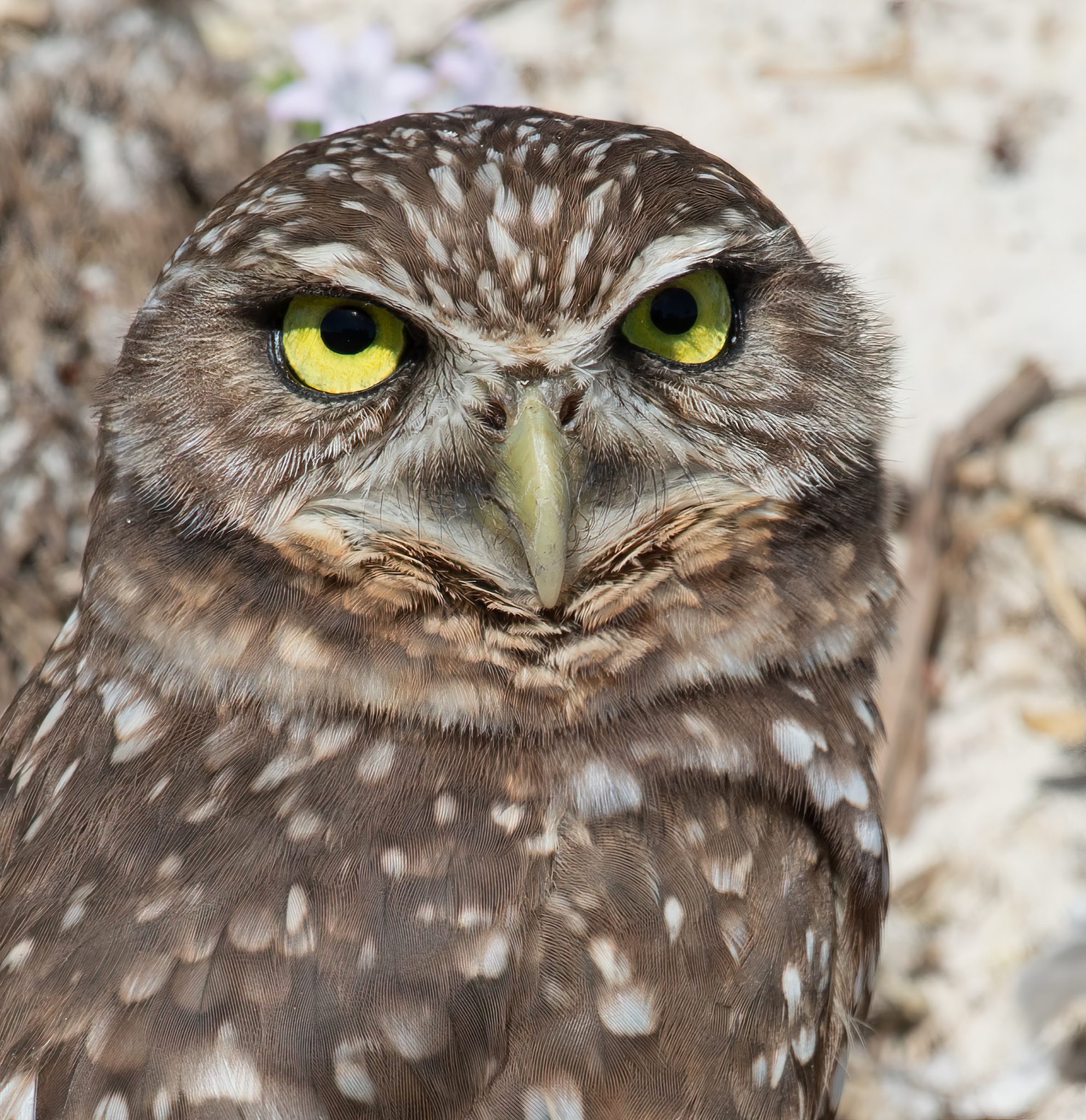
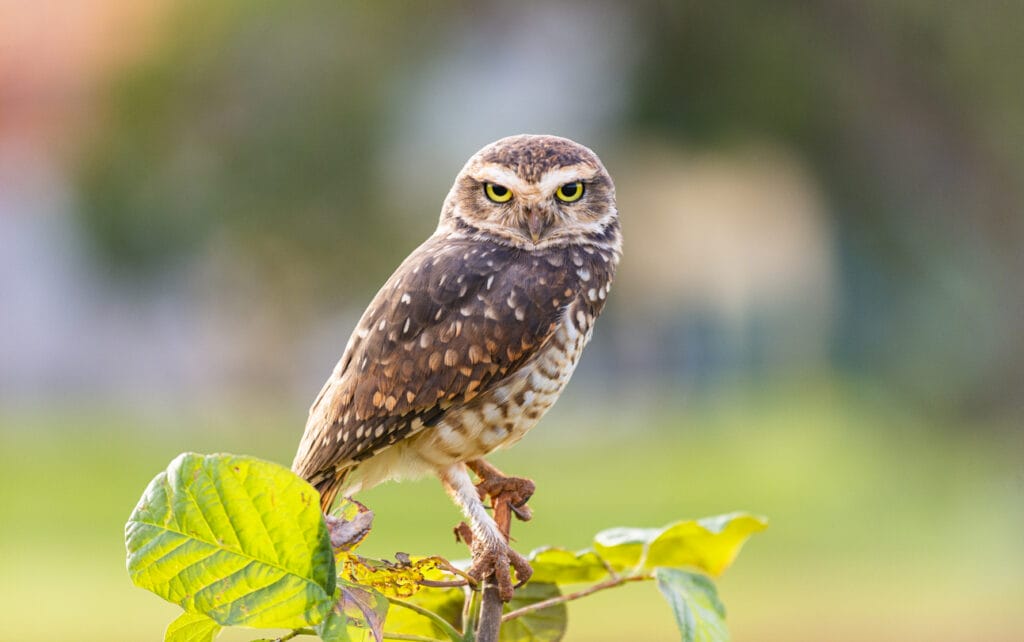
The Burrowing Owl ( Athene cunicularia ) is typically found in the southern reaches of Louisiana, favoring open areas such as pastures, prairies, and grasslands with sparse vegetation. Unlike many other owl species, the Burrowing Owl does not excavate its own nests. Instead, it ingeniously utilizes abandoned underground burrows created by other animals like prairie dogs, squirrels, or tortoises. They are also known to inhabit man-made underground structures that provide easy access to the surface.
Unique Nesting Behavior and Diet:
Both male and female Burrowing Owls are similar in size and possess sandy-colored plumage that provides excellent camouflage within their open habitat. Their diet includes prairie dogs, mice, reptiles, insects, and small birds. A notable characteristic of this species is its ability to hunt both during the day and at night, a departure from the strictly nocturnal habits of many other owls. They hunt by flying close to the ground or by running to capture their prey.
Adaptations for Underground Living:
Due to their subterranean lifestyle, Burrowing Owls have developed a higher tolerance for carbon dioxide compared to other owl species. Their nesting behavior is particularly fascinating: they line the entrance of their burrows with animal dung, which serves to attract dung beetles, a food source. Furthermore, they have been observed collecting and scattering various items, such as cigarette butts, aluminum foil, and other small pieces of trash, in front of their burrow entrances, potentially as a territorial marker or to announce their occupancy.
8. The Arctic Visitor: The Snowy Owl in Louisiana
The Snowy Owl ( Bubo scandiacus ) is primarily an inhabitant of the far northern Arctic regions. However, during winter months, these magnificent birds undertake southward migrations, and with a measure of luck, they can be sighted in Louisiana. While snow is a rarity in much of the state, identifying a Snowy Owl can still be a challenge.
Camouflage and Identification:
The most reliable way to spot a Snowy Owl is to look for what might appear to be a small snowball resting on the ground. These large owls possess predominantly white plumage, often with dark markings on their underparts, though mature males tend to have fewer markings.
Vocalizations and Territoriality:
Snowy Owls are known for their vocal nature, producing a variety of hoots and calls for communication. The male’s hoot can be remarkably far-reaching, audible for up to seven miles. Their exceptional vision and hearing allow them to pinpoint prey, even when it is concealed beneath snow.
Courtship Displays and Defense:
During the breeding season, male Snowy Owls engage in elaborate aerial displays to attract females, often presenting them with prey in flight. These owls can exhibit aggressive behavior when they perceive a threat, including dive-bombing and attacking humans who venture too close to their nesting territories.
9. The Sociable Long-eared Owl: A Master of Silent Flight
The Long-eared Owl ( Asio otus ) is a less frequently observed species in Louisiana, typically found in coniferous woodlands and open grasslands. Its plumage is a blend of buff and black, complemented by a narrow facial disk and prominent, elongated ear tufts that give the species its name.
Silent Predation and Camouflage:
The Long-eared Owl possesses specialized fringed feathers that enable incredibly silent flight, a crucial adaptation for ambushing prey at night. They are known to hover over an area, scanning for potential targets, before descending rapidly to capture them by surprise. During the day, their coloration provides exceptional camouflage against roosting surfaces, making them virtually undetectable.
Gregarious Nature and Nesting Preferences:
In contrast to the solitary habits of some owls, the Long-eared Owl is a sociable species, often roosting in large groups. They are also known to tolerate the presence of other bird species, such as American Crows, in their nesting areas. Their diet consists primarily of small mammals, including voles, mice, shrews, and kangaroo rats. They employ a precise hunting technique, biting prey on the back of the head before swallowing it whole. Indigestible remains, such as fur, bones, and hair, are later regurgitated in the form of pellets.
Vocalizations and Nest Reuse:
Male Long-eared Owls are typically more vocal than females, emitting repetitive hoots at regular intervals. Like many owls, they often utilize nests abandoned by other bird species or make use of tree cavities for nesting.
A World of Nocturnal Wonders Awaits
Owls inhabit a diverse range of environments across Louisiana, from dense forests and wetlands to open fields and even suburban backyards. Their presence can be detected at various times of the day and night, though their elusive nature often makes them a challenging, yet rewarding, subject for observation. The patient pursuit of these magnificent creatures, scanning the dense foliage for a glimpse of curious eyes, offers an experience that is truly unparalleled. This exploration of Louisiana’s common owl species underscores the state’s rich biodiversity and the intricate ecological relationships that define its natural landscapes.
Frequently Asked Questions
What is the most common owl species found in Louisiana?
The Barred Owl is considered locally common in many parts of Louisiana, particularly in areas with mature trees and proximity to wetlands.
Where can I find more information about local owl sightings in Louisiana?
For up-to-date information on owl sightings and distribution in Louisiana, resources like eBird are invaluable. This platform allows birdwatchers to record and share observations, providing real-time data on bird populations and their locations, and enabling users to search for sightings of specific species or within particular geographic areas.

