


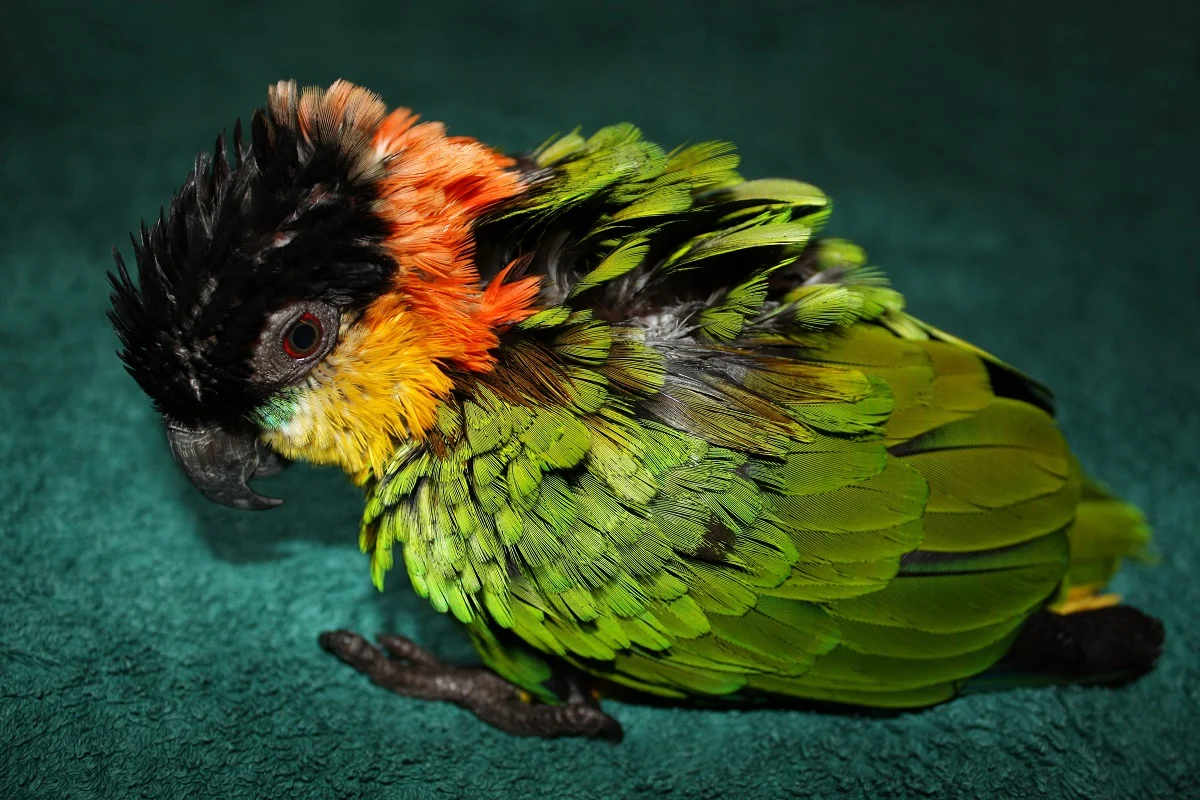
Companion parrots, cherished members of countless households, are known for their intelligence, vibrant personalities, and sometimes, their remarkable ability to get into precarious situations. While the thought of a beloved feathered friend falling ill or sustaining an injury is distressing, proactive preparation for such emergencies can be the decisive factor between a swift recovery and a tragic outcome. This guide provides an in-depth look at what every parrot owner needs to know, from prevention strategies to critical immediate care, ensuring the best possible chances of survival and recovery for their avian companions.
The Unique Vulnerabilities of Companion Parrots
Parrots, by nature, are highly curious and sensitive creatures. Their innate drive to explore, chew, and interact with their environment, combined with their delicate physiology, makes them uniquely susceptible to a range of household hazards. Unlike many mammalian pets, parrots are also masters of disguise when it comes to illness or pain. This evolutionary trait, honed in the wild to avoid appearing vulnerable to predators, often means that by the time a parrot exhibits overt symptoms, their condition may already be severe. A study published in the Journal of Avian Medicine and Surgery noted that many avian diseases are advanced before clinical signs become apparent to owners, underscoring the urgency of early detection and intervention. Furthermore, their relatively small body mass means that even minor blood loss or a slight drop in body temperature can quickly lead to critical situations. The average lifespan of many parrot species, often extending into several decades, also means owners are committing to long-term care that necessitates ongoing vigilance and preparedness.
Proactive Preparedness: The Cornerstone of Avian Care
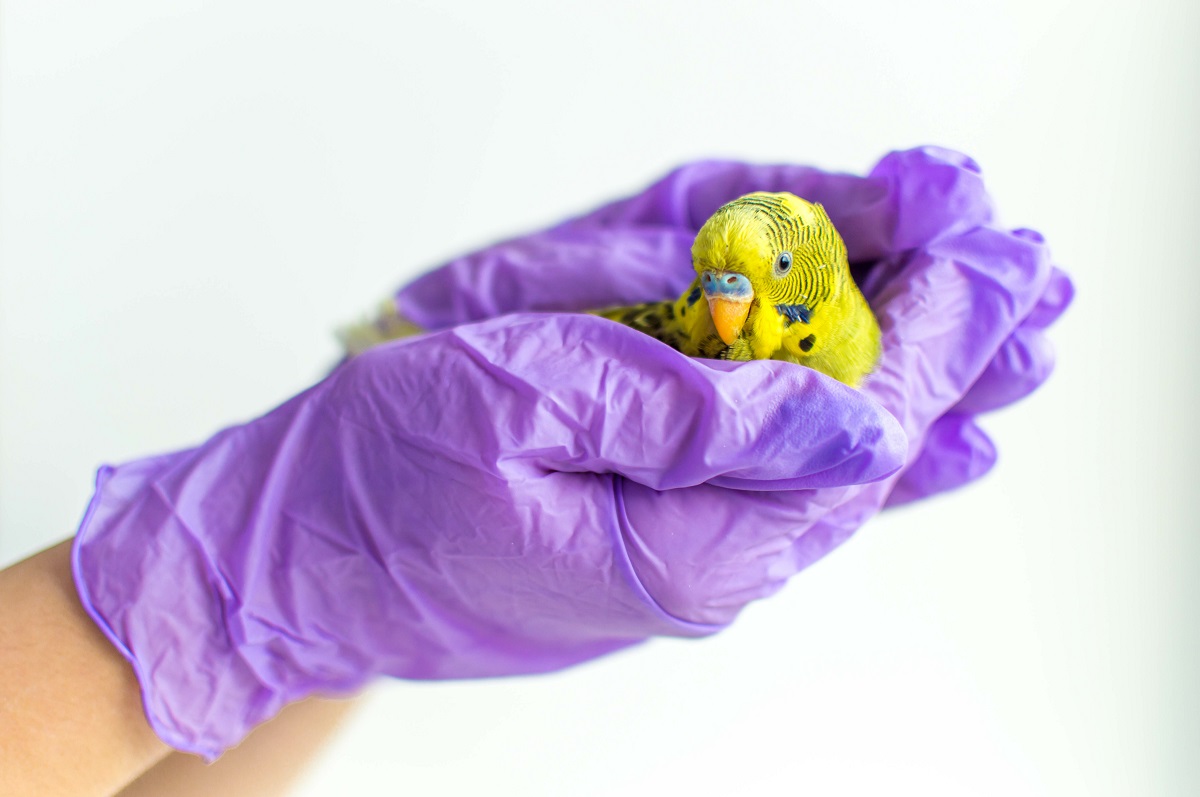
Effective emergency management begins long before an incident occurs. A structured approach to preparedness can significantly mitigate risks and improve response times.
1. Establishing a Relationship with an Avian Veterinarian
The most crucial step in emergency preparedness is identifying and establishing a relationship with a qualified avian veterinarian. Unlike general practice veterinarians, avian specialists possess specific training and experience in the unique anatomy, physiology, and pathology of birds. The American Veterinary Medical Association (AVMA) emphasizes the importance of species-specific veterinary care, especially for exotic pets like parrots. Owners should not only have their chosen avian vet’s number saved in their phone but also understand their emergency protocols and after-hours services. It is advisable to schedule a routine wellness check-up for a new parrot shortly after adoption and then annually or bi-annually, even if the bird appears healthy. These visits allow the vet to establish a baseline for the bird’s health, making it easier to identify deviations during an emergency.
2. Financial Planning for Avian Medical Expenses
Veterinary care for exotic pets can be significantly more expensive than for common household pets due to specialized equipment, diagnostic tests, and medication. Emergency treatments, in particular, can quickly accumulate substantial costs, often ranging from hundreds to several thousands of dollars depending on the complexity of the case. For instance, a broken bone requiring surgery might cost upwards of $1,500-$3,000, while intensive care for a severe illness could exceed $5,000. To mitigate this financial burden, owners are strongly advised to maintain a dedicated emergency vet fund or explore pet insurance options that cover exotic birds. Several providers now offer specialized plans for parrots, providing peace of mind during unforeseen crises.
3. Comprehensive "Parrot-Proofing" the Home Environment
Prevention is paramount. Parrots’ insatiable curiosity and powerful beaks mean they can quickly turn seemingly innocuous household items into dangerous hazards. A study by the Association of Avian Veterinarians highlighted that a significant percentage of avian emergencies are trauma-related, often stemming from preventable household accidents. Key areas for parrot-proofing include:
- Electrical Hazards: Unprotected electrical cords are a major danger. Parrots can chew through insulation, leading to electrocution. All wires must be secured, covered, or made inaccessible.
- Toxic Substances: Many common household items are highly toxic to parrots. This includes cleaning products, pesticides, air fresheners, scented candles, certain human foods (e.g., avocado, chocolate, caffeine, alcohol), and heavy metals found in old paint, leaded glass, or certain jewelry. A list of toxic and safe household plants should be readily available; for example, common houseplants like Dieffenbachia (dumb cane), lilies, and philodendrons are highly poisonous.
- Open Windows and Doors: An open window or door can lead to an immediate escape, often with dire consequences as escaped birds are rarely recovered. Screens must be secure, and all entry/exit points checked before a parrot is allowed free-flight time.
- Other Pets: Interactions with other household pets, even seemingly friendly ones, can result in severe injuries or fatal trauma for a parrot. Dogs and cats carry bacteria in their mouths that are highly pathogenic to birds, and even a minor scratch or bite can lead to a deadly infection. Parrots should only have supervised access to areas where other pets are not present.
- Water Hazards: Open toilets, sinks, and bathtubs can pose drowning risks, particularly for smaller birds or those with clipped wings.
- Kitchen Dangers: Hot stoves, open ovens, and cooking fumes (especially from non-stick cookware containing PTFE, which releases toxic fumes when overheated) are significant threats.
- Small Objects: Items that can be swallowed or cause choking, such as small toys, jewelry, or parts of broken items, should be removed from parrot-accessible areas.
Beyond the general living space, the parrot’s cage itself requires diligent "parrot-proofing." Toys should be bird-safe, made from non-toxic materials, and regularly inspected for wear and tear that could create choking hazards or entanglement risks. Proper cage hygiene is also vital in preventing bacterial and fungal infections.

4. Assembling a Comprehensive Avian First Aid Kit
An easily accessible, well-stocked first aid kit is indispensable. It can provide critical interim care that saves a bird’s life while en route to the vet. Essential components include:
- Blood Clotting Agent: Styptic powder (e.g., Kwik Stop) is crucial for controlling bleeding from minor cuts, broken blood feathers, or nail trims. Cornstarch can serve as an emergency substitute.
- Antiseptic Solution: Betadine (povidone-iodine) or chlorhexidine solution (diluted as per instructions) for cleaning wounds.
- Sterile Gauze Pads and Non-Adhesive Bandages: For covering wounds and applying pressure.
- Tweezers: For removing splinters or foreign objects.
- Blunt-Tipped Scissors: For carefully trimming away matted feathers around a wound.
- Magnifying Glass: To inspect small injuries or foreign bodies.
- Heat Source: A microwavable heat pack or a hot water bottle wrapped in a towel to provide supplemental warmth. Electric heating pads should be avoided due to the risk of overheating or electrical accidents.
- Syringes (without needles): For administering oral fluids or medications if advised by a vet.
- Electrolyte/Rehydration Solution: Avian-specific formulations (e.g., Pedialyte, although avian-specific solutions are preferred) to help combat dehydration.
- Small Carrier: A secure, small carrier lined with paper towels, offering the option to darken it (e.g., with a towel) to reduce stress during transport.
- Emergency Contact Information: Vet’s number, emergency vet clinic numbers, and poison control numbers.
Every member of the household should know where the kit is located and understand the basic application of essential items, particularly the blood clotting powder, given the rapid blood loss potential in birds. Dr. Daisy May, a resident avian veterinarian, stresses the critical nature of immediate action: "Around 10% of your bird’s bodyweight is blood. For a 100g cockatiel, that’s roughly 10ml. They can safely lose only about 10% of that total blood volume, meaning more than 1ml of blood loss can become life-threatening very quickly. Time is of the essence."
5. Understanding Normal vs. Abnormal: Recognizing Symptoms of Illness
Because parrots hide illness, owners must become adept at recognizing subtle changes in behavior or appearance that signal distress. Regular, intimate observation of your bird’s normal habits – its posture, feather condition, vocalizations, appetite, droppings, and activity levels – is the most effective diagnostic tool. Any deviation from this baseline should prompt concern.
Symptoms Requiring Prompt Veterinary Consultation (Call vet, describe situation, follow advice):
- Changes in Droppings: Unusual color (unless diet-related, e.g., beetroot), consistency, or volume; prolonged diarrhea or constipation.
- Lethargy or Decreased Activity: Sitting fluffed up for extended periods, unusually quiet.
- Changes in Appetite or Thirst: Eating or drinking significantly more or less.
- Changes in Vocalization: Unusually quiet, distressed calls, or changes in normal sounds.
- Minor Feather Issues: Persistent plucking (if new), dull or disarrayed feathers, minor feather loss.
- Mild Lameness: Slight limping, favoring a foot, but still able to move.
- Regurgitation (not courtship behavior): Repeated vomiting of food.
- Nasal Discharge or Sneezing: If persistent and not dust-related.
Symptoms Requiring Immediate Emergency Veterinary Care (Go to vet immediately, call en route):

- Severe Respiratory Distress: Open-mouthed breathing, tail bobbing, gasping, wheezing, clicking sounds. This indicates a critical lack of oxygen.
- Non-Responsiveness or Collapse: Bird is unconscious, unable to stand, or severely disoriented.
- Profuse Bleeding: Uncontrolled bleeding from any wound, especially from a broken blood feather or deep cut.
- Severe Trauma: Obvious broken bones, severe lacerations, head trauma, signs of internal injury.
- Seizures or Tremors: Uncontrolled muscle spasms.
- Sudden Weakness or Paralysis: Inability to perch, use wings, or move legs.
- Swelling of Face or Body: Sudden, unexplained swelling.
- Severe Eye Issues: Swelling, discharge, or inability to open eyes.
- Prolonged Vomiting or Diarrhea: Especially if accompanied by lethargy.
- Prolapse: Organ (e.g., cloaca) protruding from the vent.
Routine health check-ups, ideally twice yearly, serve as an excellent preventative measure, allowing avian vets to detect subtle problems, such as nutrient imbalances or early stages of organ disease, before they become critical.
Responding to an Immediate Avian Crisis
When an emergency strikes, quick, calm action is paramount. Panic can exacerbate an already stressful situation for both owner and bird.
1. First Steps: Contacting the Avian Vet
As soon as an emergency is suspected, the first action should be to contact your avian veterinarian or an emergency avian clinic. Clearly describe the situation: what happened, when it happened, and the symptoms your bird is exhibiting. The vet or their staff will provide immediate guidance on whether to come in, what steps to take en route, or if a home observation period is appropriate for less severe issues. If your regular vet is unavailable, have a list of alternative emergency avian clinics ready.
2. Safe Transport Protocols
If instructed to bring your bird in, ensure the transport carrier is ready. It should be small, clean, lined with paper towels for easy cleanup, and have good ventilation. The ability to darken the carrier by covering it with a towel helps reduce visual stress during travel. Maintain a comfortable temperature inside the vehicle, avoiding extreme heat or cold, and minimize sudden movements or loud noises. For very sick or injured birds, providing supplemental warmth in the carrier (e.g., a covered microwavable heat pack) is crucial, as their ability to regulate body temperature is often compromised.

Critical Interim Care: Actions While Awaiting Veterinary Intervention
While veterinary care is always the ultimate goal, there are vital interim steps owners can take at home or during transport that can significantly impact a bird’s prognosis.
1. Controlling Hemorrhage: The Time-Sensitive Challenge
If your parrot is bleeding, immediate action to stop the hemorrhage is the top priority.
- Minor Bleeding (e.g., broken blood feather, nail clip): Apply styptic powder (or cornstarch/flour) directly to the bleeding site and apply gentle, firm pressure with clean gauze for several minutes. Do not remove the pressure too soon. Repeat if necessary.
- Deep Wounds or Trauma: If the wound appears deep or involves a body cavity (abdomen or thorax), styptic powder is not effective. Instead, apply direct, firm pressure with sterile gauze and maintain it continuously while rushing to the vet.
- Important Consideration: When applying pressure, always be acutely aware of your bird’s breathing. Unlike mammals, birds do not have a diaphragm and rely entirely on the expansion and contraction of their chest wall to breathe. Restricting this movement, even inadvertently, can cause suffocation. Apply pressure carefully, ensuring the bird can still expand its chest.
Birds generally have efficient clotting mechanisms, so persistent bleeding after appropriate pressure and clotting agent application indicates a serious issue requiring immediate professional intervention.
2. Providing Essential Warmth and Minimizing Stress
Stress and hypothermia are significant contributors to mortality in sick or injured birds. A compromised parrot struggles to maintain its core body temperature, and the physiological stress of illness or injury further drains its energy reserves.

- Isolation: Place the bird in a quiet, dimly lit, isolated space away from other pets, loud noises, and household commotion.
- Supplemental Warmth: The ideal ambient temperature for a sick bird is around 85°F (29°C). Use a covered heat pad set on low (placed under half of the carrier/box, never inside directly touching the bird), a microwavable heat pack, or a hot water bottle (wrapped in a towel to prevent burns and bursting) placed near the bird’s enclosure. Ensure the bird can move away from the heat source if it becomes too warm.
- Darkness: Covering the carrier or box to create a dark environment can significantly reduce stress, mimicking a safe, secluded spot a sick bird would seek in the wild.
3. Addressing Dehydration: Home Measures and Limits
Vomiting, diarrhea, or a refusal to drink can quickly lead to dehydration, which further complicates a bird’s condition. While moderate to severe dehydration requires veterinary intervention (often involving subcutaneous or intravenous fluids), mild dehydration can sometimes be managed at home under vet guidance.
- Assessing Dehydration: A simple method is checking the basilic wing vein refill time. Locate the basilic wing vein (a raised blue line near the "elbow" on the underside of the wing). Gently press on it to displace the blood, then release. In a well-hydrated bird, the vein refills instantly. A refill time of more than 1-2 seconds indicates moderate to severe dehydration and necessitates immediate vet attention. Other signs include tacky mucous membranes, sunken eyes, and skin tenting (though less reliable in birds).
- Offering Rehydration Solution: If your bird is still alert, bright, and able to swallow comfortably, offer a warmed (body temperature) avian-specific electrolyte solution or diluted Pedialyte on a spoon or in a syringe. Never force-feed fluids if the

