


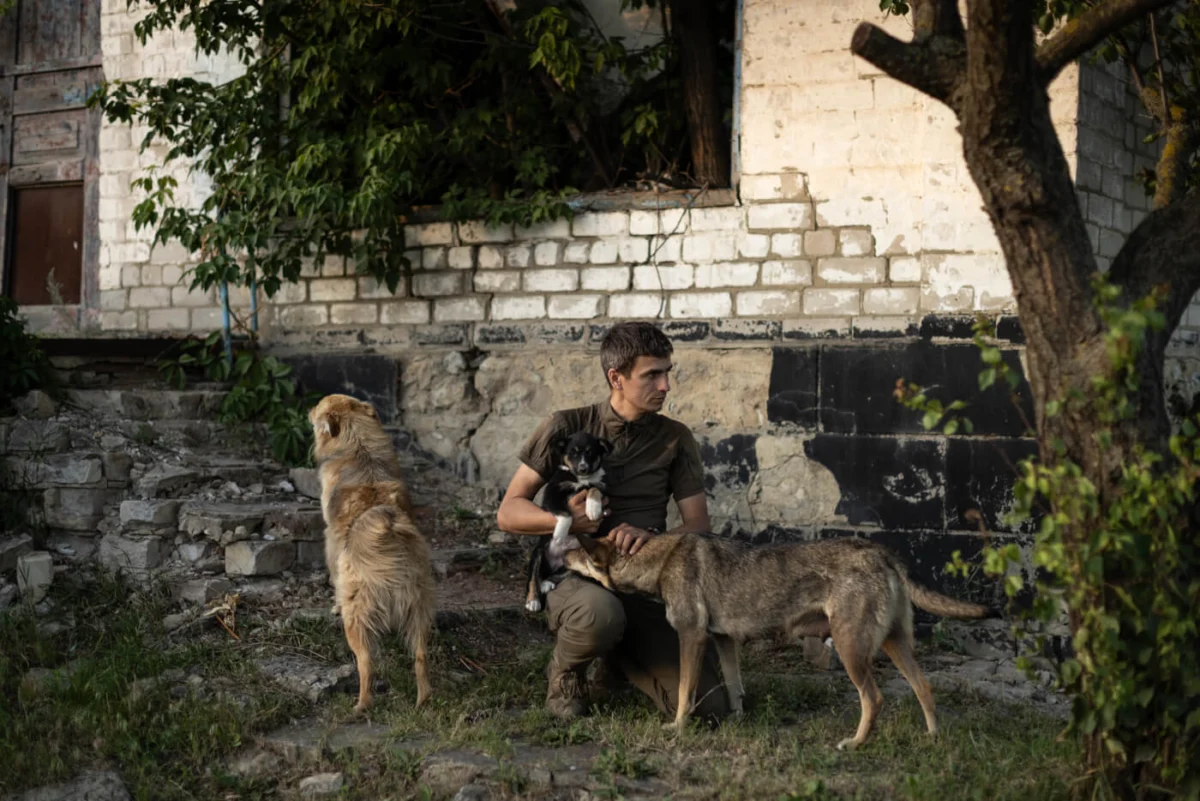
As the conflict in Ukraine enters its fifth year, the humanitarian crisis continues to extend far beyond the human population, encompassing tens of thousands of domestic and farm animals trapped in the crossfire of the frontline. Since the onset of full-scale hostilities in February 2022, the collaborative efforts of Animal Rescue Kharkiv (ARK) and PETA’s Global Compassion Fund have resulted in the rescue and relocation of more than 32,500 animals. This milestone, reported in June 2026, highlights a sustained and perilous mission to mitigate the suffering of non-combatant creatures in some of the most volatile regions of Eastern Europe. The operation, led by Ruslan Horbal, Head of Rescue Operations for ARK, underscores the shifting cultural attitudes toward animal welfare in Ukraine and the immense logistical challenges of conducting veterinary missions under active bombardment.
The Evolution of Animal Welfare Amidst National Crisis
The current state of animal rescue in Ukraine is a stark departure from the historical treatment of domestic animals in the region’s rural sectors. For decades, traditional views often relegated dogs to utilitarian roles, where they were frequently kept on chains or in outdoor kennels to serve as guardians. However, the exigencies of war have catalyzed a rapid evolution in the national consciousness regarding the intrinsic value of animal life. As millions of Ukrainians were forced to flee their homes, many were faced with the agonizing decision to leave behind pets, leading to a surge in stray and traumatized populations in abandoned villages.
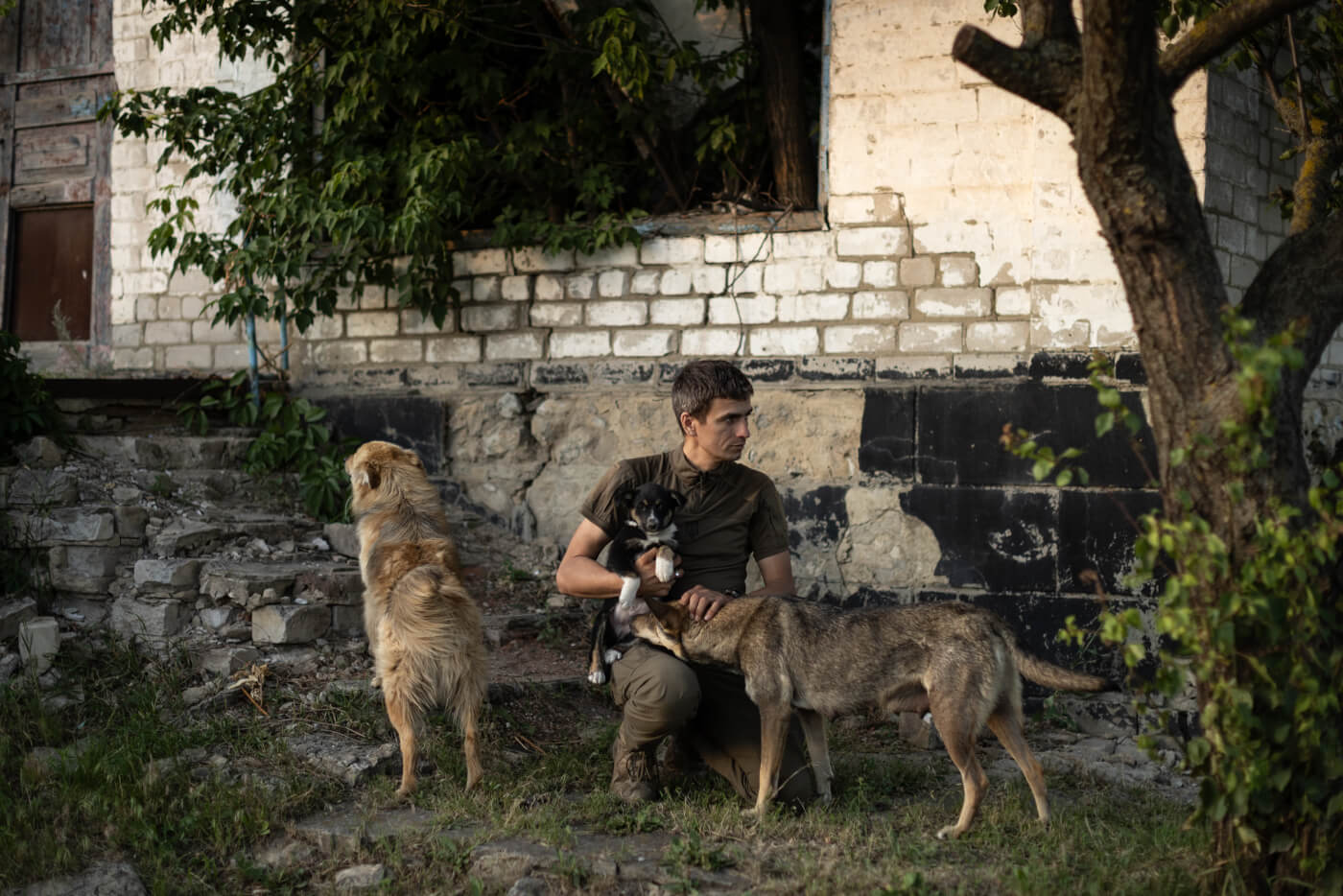
Ruslan Horbal, who has spearheaded the rescue efforts since the invasion’s inception, observes that the trauma experienced by these animals mirrors the psychological distress of human refugees. Observations from the field indicate that abandoned animals exhibit profound signs of fear, including extreme sensitivity to loud noises, such as explosions and the hum of drones, and a breakdown of social behaviors. The shift from seeing animals as tools to viewing them as sentient beings requiring protection has become a cornerstone of the ARK mission, driving rescuers to enter "red zones" where traditional humanitarian aid is often restricted.
A Chronology of Rescue Operations: 2022–2026
The timeline of animal rescue in Ukraine is characterized by an escalating level of complexity and danger. In the early months of 2022, operations were primarily focused on the mass evacuation of shelters in the path of the initial Russian advance. During this period, thousands of animals were moved to western Ukraine and Poland. By 2023, the focus shifted toward the "gray zones"—areas between opposing forces where civilians had largely fled, leaving behind livestock and pets.
In 2024 and 2025, the introduction of advanced drone technology on the battlefield significantly altered the risk profile for rescue teams. ARK transport vans, often mistaken for military logistical vehicles, have frequently come under fire. Rescuers now operate with specialized equipment, including emergency defensive measures against hostile loitering munitions. Despite these risks, the establishment of the ARK Peace Sanctuary provided a critical hub for long-term rehabilitation. By mid-2026, the sanctuary had become one of the largest and most sophisticated animal trauma centers in Europe, capable of housing not only cats and dogs but also larger livestock such as horses, donkeys, and cows.

Logistical Challenges and Tactical Rescue Procedures
Rescuing animals in an active war zone requires a blend of tactical precision and veterinary expertise. ARK teams utilize armored or reinforced vans to navigate roadways that have been reduced to "crumpled ribbons of asphalt" by heavy artillery. The process of capturing a traumatized animal is rarely straightforward. While some animals approach rescuers in search of food or companionship, many have become feral or are so psychologically scarred that they perceive human contact as a threat.
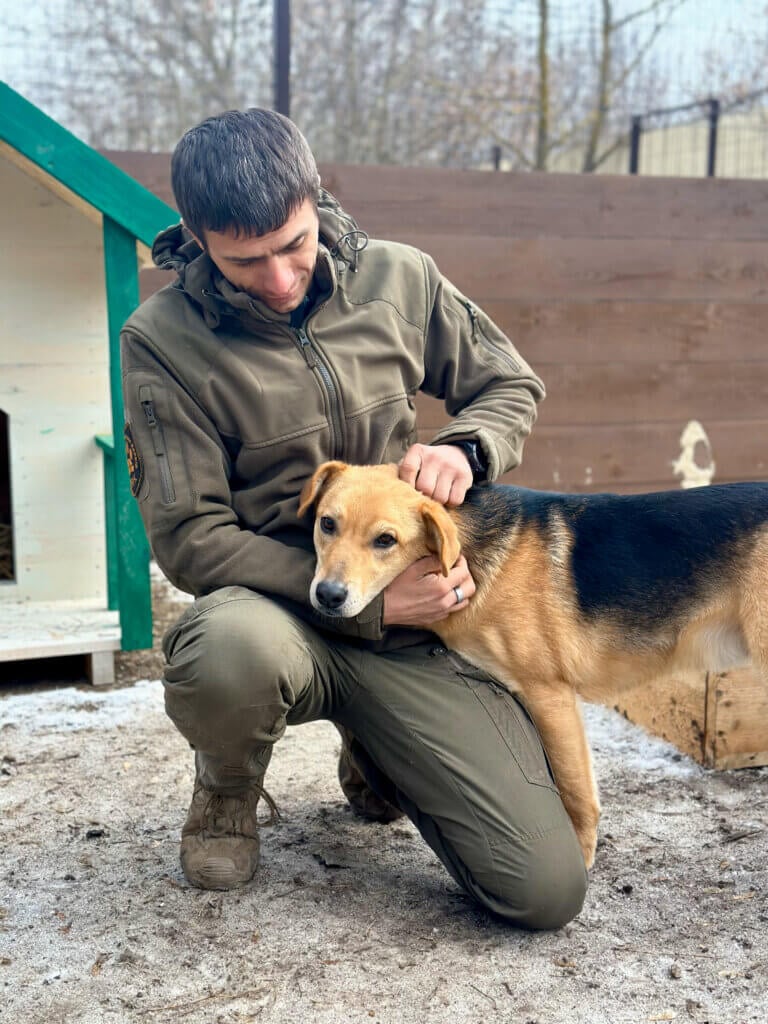
To manage these cases, ARK teams employ gentle sedation protocols, allowing for the safe transport of high-stress animals from the frontline to the Peace Sanctuary. This medical intervention is crucial for preventing further injury during transport, as the sound of nearby shelling can cause animals to panic within their crates. Once at the sanctuary, the process of "washing the dust of war" begins—a literal and metaphorical cleansing that involves treating chemical exposure, shrapnel wounds, and malnutrition.
Data and Impact: The Scale of the ARK-PETA Partnership
The scale of the operation is supported by significant data provided by PETA’s Global Compassion Fund. As of June 16, 2026, the following metrics define the impact of the mission:
- Total Animals Rescued: Exceeding 32,500 across all species.
- Reunification Rate: Approximately 50% of rescued dogs and cats have been successfully reunited with their original guardians, many of whom are living in displaced person camps or have relocated abroad.
- Species Diversity: While dogs and cats comprise the majority of rescues, the teams have also saved hundreds of sheep, goats, horses, donkeys, pigs, and cows, many of which were abandoned on industrial farms.
- International Reach: Animals that cannot be reunited with owners or adopted within Ukraine are placed with caring adopters across Europe, facilitated by PETA Germany.
The financial and logistical support from the Global Compassion Fund has been the primary driver of these results. This fund is sustained by international contributions, highlighting a globalized response to the environmental and animal-centric consequences of the Ukrainian conflict.
Official Responses and the "One Health" Perspective
International animal welfare organizations and local Ukrainian authorities have increasingly recognized the link between animal rescue and public health. Abandoned domestic animals can become vectors for diseases, including rabies, which poses a secondary threat to both remaining civilians and military personnel. By removing and vaccinating these populations, ARK and PETA are performing a vital public service that extends beyond simple compassion.
In statements regarding the ongoing mission, representatives from PETA emphasize that the mindset of domination—the same mindset that fuels territorial aggression—is what leads to the neglect and abuse of animals. They argue that fostering empathy for animals is a foundational step toward building a more peaceful society. Ukrainian officials have also expressed gratitude for these NGOs, noting that the presence of animal rescuers often provides a psychological boost to soldiers and the few remaining residents in frontline towns, who are heartened to see that life is still valued amidst the destruction.
Psychological Toll and Professional Resilience
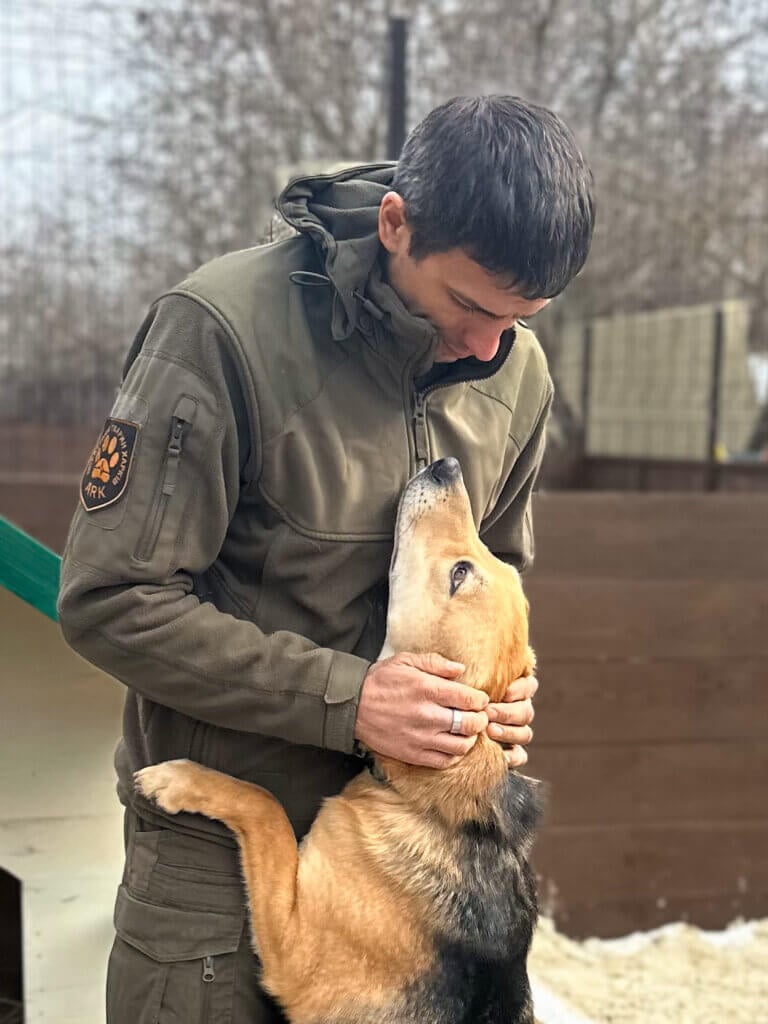
The human element of these rescue operations cannot be overlooked. Rescuers like Horbal and his team face constant exposure to "secondary trauma." They witness the direct results of violence on a daily basis—leveled neighborhoods, collapsed bridges, and the loss of colleagues to enemy fire. The bond between the rescuers and the rescued often serves as a mutual coping mechanism. For the rescuers, the act of bandaging a dog’s injuries or teaching a traumatized puppy to play again provides a sense of agency and hope in an environment characterized by chaos.
Horbal reflects that the resilience of the animals often mirrors the resilience of the Ukrainian people. Many of the dogs rescued from the most intense combat zones, such as those around the Kharkiv periphery, show a remarkable capacity for recovery once they are removed from the immediate threat of violence. This resilience has become a symbol of the broader national struggle, reinforcing the commitment of the ARK teams to return to the war zone day after day.
Broader Implications and Future Outlook
The work being done by ARK and PETA in Ukraine sets a new precedent for how NGOs operate in modern conflict zones. The integration of high-risk rescue missions with long-term rehabilitation and international adoption frameworks provides a blueprint for future humanitarian crises. As the war continues, the demand for these services shows no sign of abating. The "Peace Sanctuary" is currently undergoing expansions to accommodate an increasing number of farm animals, as agricultural regions continue to be impacted by minefields and shelling.
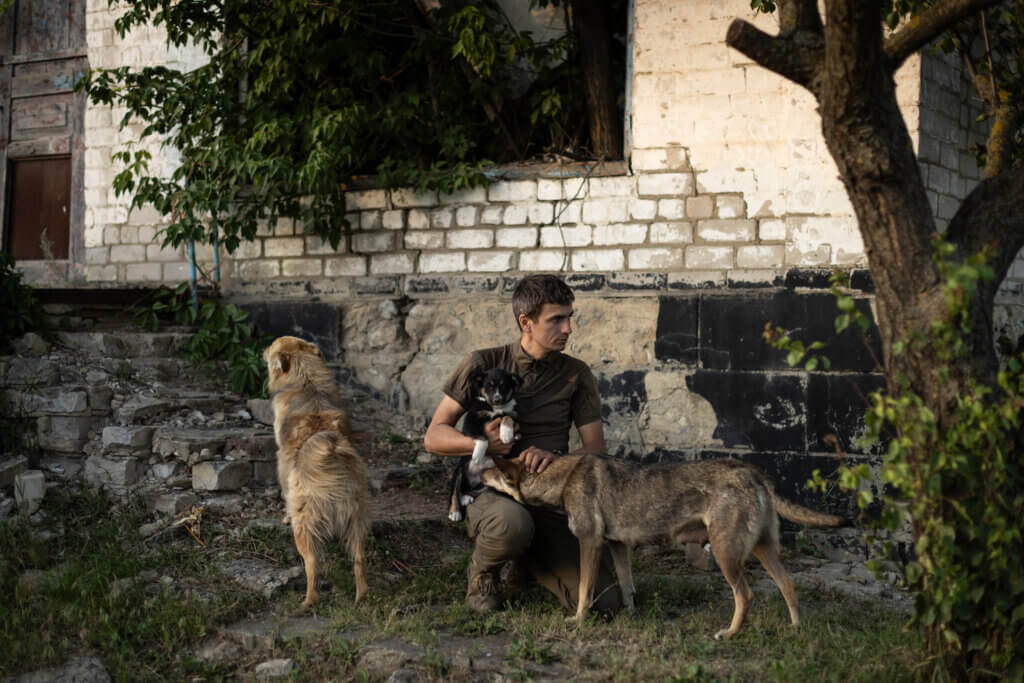
In the long term, the legacy of this period may be a permanent shift in Ukrainian animal welfare laws and cultural practices. The intense bond formed between the population and their pets during the mass evacuations of 2022 has already led to more pet-friendly policies in public transport and housing. The work of Ruslan Horbal and his colleagues ensures that when peace eventually returns to Ukraine, the "silent victims" of the war will not have been forgotten. The ongoing mission stands as a testament to the belief that in the face of systemic violence, the preservation of life in all its forms remains a profound act of resistance.

