


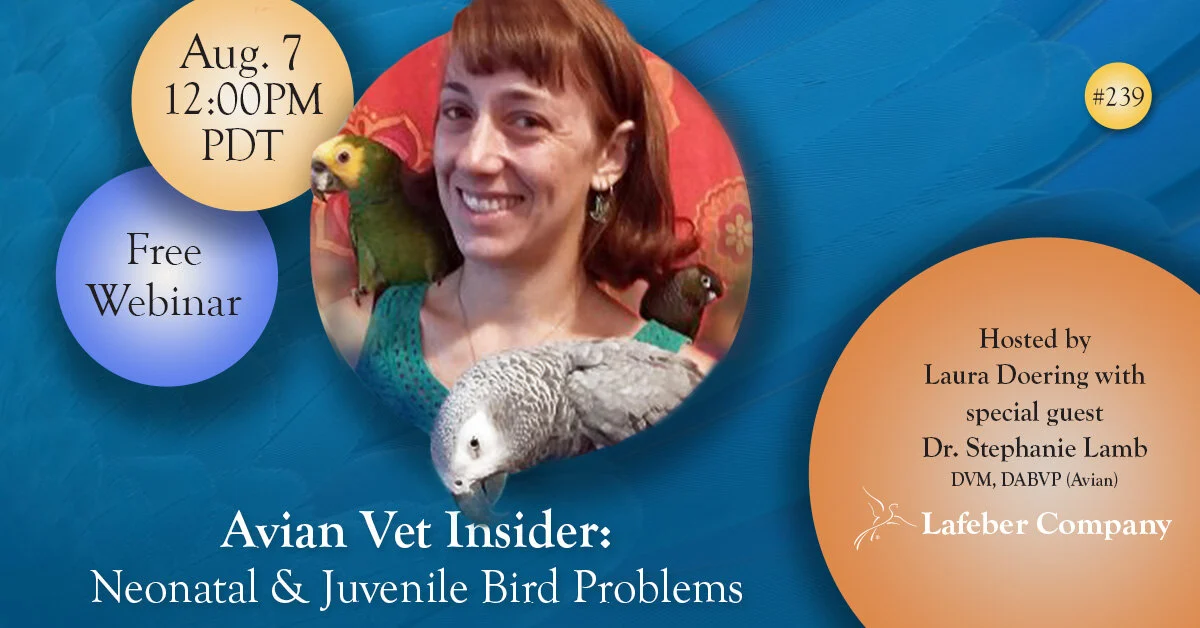
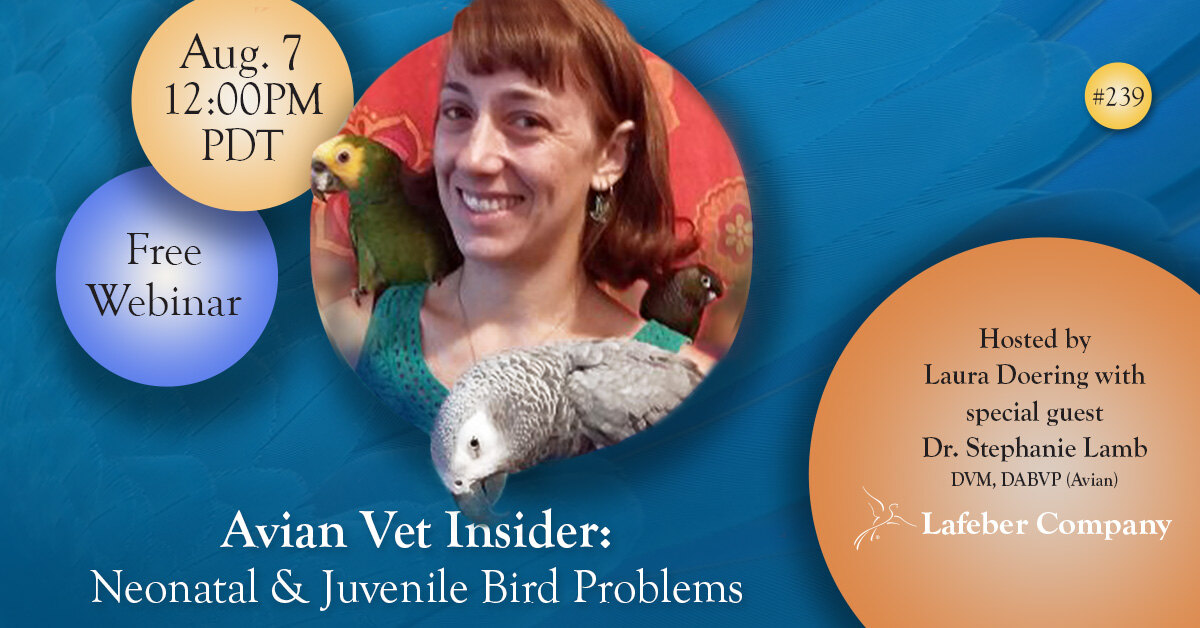
The transition from a vulnerable hatchling to a resilient, independent adult is perhaps the most precarious period in an avian’s life. On Friday, August 7, 2026, at 12:00 p.m. PDT, Dr. Lamb will host a comprehensive webinar titled "Neonatal & Juvenile Bird Problems," aimed at providing avian enthusiasts, veterinary professionals, and caregivers with critical insights into the developmental milestones and physiological hurdles faced by young birds. This digital event serves as a platform for disseminating evidence-based care practices, focusing on the specific health challenges that arise during the formative weeks and months of a bird’s development.
The Significance of Early Avian Development
Avian development is characterized by rapid growth phases, complex nutritional requirements, and a high sensitivity to environmental stressors. During the neonatal phase, a bird’s immune system is largely underdeveloped, leaving it susceptible to a wide array of bacterial, viral, and fungal pathogens. According to established avian veterinary research, the mortality rate for hatchlings in domestic settings is often highest within the first 30 days of life, primarily due to improper hand-feeding techniques, malnutrition, and suboptimal brooding environments.
The webinar aims to demystify these risks by examining the interplay between genetics, environment, and husbandry. By understanding the biological imperatives of a growing bird—such as the rapid ossification of the skeleton and the development of the gastrointestinal tract—caregivers can better identify the early warning signs of developmental stagnation or disease.
Chronology of Development: From Hatch to Independence
The development of a bird is a highly regimented biological process. While species-specific variations exist, the general chronology of juvenile growth follows a distinct pattern:
- The Neonatal Phase (Days 1–14): During this period, the bird is entirely dependent on parental or human care. The focus is on thermoregulation and the establishment of a healthy gut microbiome. Practitioners emphasize that this stage is when the foundation for long-term immunological health is laid.
- The Nestling Phase (Days 15–30): Feather development (pin feathers) begins in earnest, and the bird’s metabolic rate accelerates. This stage is marked by an increase in caloric demand. Malnutrition during this window often results in "stress bars" on feathers and permanent skeletal deformities.
- The Fledgling Phase (Days 30–60): The bird begins to exhibit curiosity and motor skill development. It is during this time that environmental enrichment becomes vital. Behavioral issues can manifest if the bird is not adequately socialized or if it lacks opportunities to engage in natural foraging behaviors.
- The Juvenile Phase (Months 2–6): The bird achieves independence. This is the period where the transition from a specialized juvenile diet to a maintenance diet is finalized, and the bird begins to establish its social hierarchy and personality.
Supporting Data and Clinical Implications
Clinical studies underscore the importance of early intervention in avian health. Data from avian diagnostic laboratories suggest that approximately 40% of juvenile health complications presented to veterinarians are linked to nutritional imbalances, specifically deficiencies in calcium, Vitamin D3, and essential amino acids.
Furthermore, the impact of environmental stability cannot be overstated. A study published in the Journal of Avian Medicine and Surgery noted that juvenile birds exposed to fluctuating temperatures or high levels of ambient noise during their first 90 days show higher cortisol levels, which can lead to suppressed immune responses and increased susceptibility to opportunistic infections such as Aspergillosis.
Dr. Lamb’s upcoming session will synthesize these clinical findings into actionable advice. The webinar is designed to bridge the gap between academic veterinary research and the practical, day-to-day realities of bird ownership, ensuring that participants can create environments that support, rather than hinder, the biological development of their charges.
Perspectives on Avian Care Standards
The rise of specialized webinars like this reflects a broader trend in the pet industry: a move toward specialized, science-backed animal husbandry. Veterinarians and conservationists alike have long advocated for the professionalization of avian care.
"The goal of such educational initiatives is to reduce the incidence of preventable health crises," says a spokesperson for an avian welfare organization. "When owners understand the physiological fragility of a juvenile bird, they are more likely to seek veterinary guidance early, utilize appropriate specialized diets, and recognize that behaviors that seem like ‘fussy eating’ are often symptomatic of underlying health issues."
The implications of this knowledge transfer are significant. Improved care during the neonatal phase not only increases the longevity of the individual bird but also improves its psychological well-being. Birds that are raised with an understanding of their developmental stages tend to be more confident, less prone to anxiety-induced feather plucking, and better equipped to handle the stresses of domestic life.
Broader Impact on Avian Welfare
The webinar arrives at a time when the avian community is increasingly focused on long-term sustainability and welfare. With the global trade in pet birds continuing to evolve, there is a mounting need for a standardized approach to neonatal care.
Experts suggest that the ripple effects of this webinar could be profound. By educating a wider audience, Dr. Lamb is effectively creating a community of practice that prioritizes preventive medicine. If caregivers can master the art of monitoring weight gain, observing droppings for signs of illness, and providing a balanced nutritional intake, the overall burden on emergency veterinary services will likely decrease.
Moreover, the webinar serves as a critical resource for breeders and rescue organizations. These groups are often on the front lines of avian health, dealing with abandoned or improperly reared birds. Access to expert insights on developmental disorders—such as metabolic bone disease or crop stasis—provides these professionals with the tools necessary to rehabilitate and support birds that might otherwise suffer from permanent, life-limiting conditions.
Preparing for the Session
Participants planning to attend the August 7 webinar are encouraged to approach the session with specific questions regarding their unique avian situations. The interactive nature of the webinar will allow for a nuanced discussion that addresses both common and niche developmental problems.
The inclusion of the time zone converter in the announcement reflects the global reach of such events. Avian health is an international concern, and the digital nature of this presentation allows for a diverse group of participants, ranging from professional breeders in Europe to individual bird owners in the Americas, to converge and share information.
As the date approaches, interest in the session is expected to remain high. The webinar is not merely a lecture; it is an opportunity to contribute to a culture of informed, compassionate, and science-driven bird stewardship. For those who wish to participate, registration is available through the official portal, and attendees are encouraged to review their local time zones to ensure full participation in the live Q&A sessions that often follow such presentations.
The legacy of such educational efforts is a healthier, more robust population of companion birds. By focusing on the "earliest weeks and months of life," Dr. Lamb’s webinar addresses the most critical window of opportunity in an avian life, highlighting that the path to a healthy adulthood begins the moment a chick breaks through its shell. As the field of avian medicine continues to advance, events like this ensure that the latest scientific insights are accessible to all who share their lives with these remarkable creatures.

