


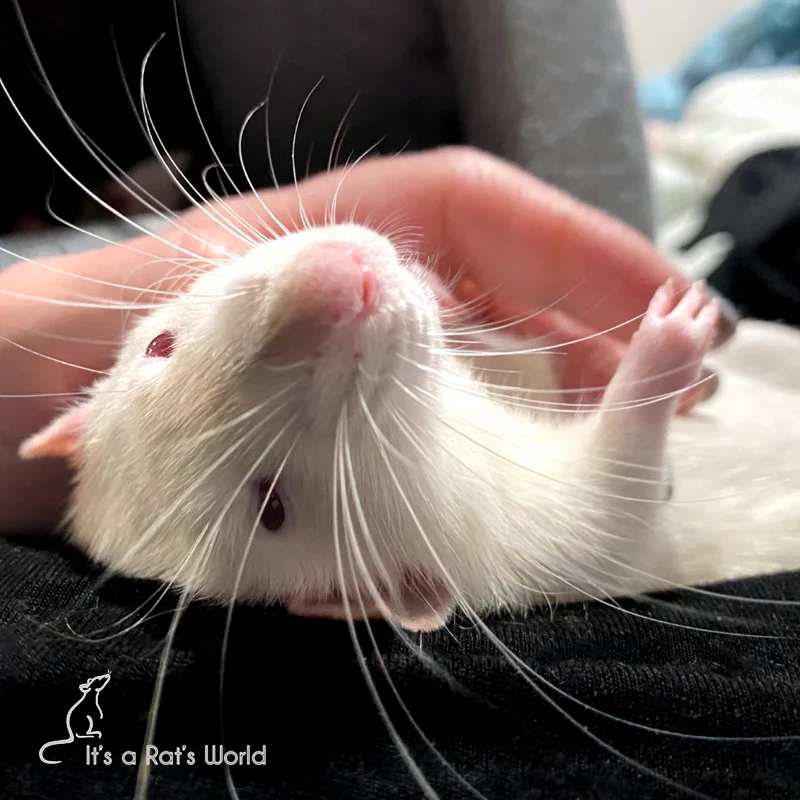
The commitment to animal companionship is frequently characterized as a sacred bond, yet the reality of pet ownership is often dictated by the volatility of human life circumstances. For those who choose to keep domestic rats—a species known for its intelligence, social complexity, and notably short lifespan—the emotional and logistical demands can become significant over time. While the joys of rat ownership are well-documented, a growing segment of the exotic pet community is increasingly discussing the necessity of recognizing when personal capacity no longer aligns with the rigorous requirements of animal care.
The Reality of Pet Ownership and Life Transitions
Data from animal welfare organizations consistently indicates that the primary drivers for owner surrender or the cessation of pet keeping include financial instability, housing transitions, and the onset of chronic health conditions. In the context of small exotic mammals, these pressures are often compounded by the specialized nature of their care. Domestic rats require specific diets, social housing, and, crucially, access to veterinarians with expertise in exotic species.

When an individual faces "care fatigue"—a phenomenon where the emotional and physical requirements of maintaining a high standard of welfare for an animal outweigh the owner’s available resources—the decision to stop acquiring new pets becomes a matter of ethical responsibility. Experts in animal husbandry argue that the most humane action is to proactively assess one’s limitations rather than risking a decline in the quality of care provided to the animals.
Chronology of Care and the Lifecycle of Commitment
The lifecycle of a pet rat typically spans between 24 and 36 months. This brief existence creates a unique, high-intensity cycle of attachment and grief for the owner. Unlike larger companion animals that might remain in a household for over a decade, a rat owner may face the loss of a pet every two to three years. Over several decades, a dedicated owner may lose dozens of pets, leading to cumulative grief—a condition sometimes referred to in clinical circles as "compassionate fatigue."
Historically, many long-term enthusiasts report that after an initial period of high engagement, the sheer volume of medical interventions required for aging rats—such as frequent respiratory treatments or complex surgical procedures—can lead to burnout. This burnout is often not a reflection of a lack of affection, but rather a realistic recognition of the diminishing returns on the owner’s physical and emotional bandwidth.

Economic and Healthcare Barriers to Modern Care
The economic landscape of veterinary medicine has shifted significantly in the last decade. As veterinary practices modernize, the cost of specialized care for exotic pets has risen, often at a rate exceeding inflation. For many owners, the cost of a single major surgical procedure for a rat can run into the hundreds, if not thousands, of dollars.
Furthermore, the availability of qualified exotic veterinarians is a geographical constraint that many owners overlook until a crisis occurs. In rural or even some suburban areas, finding a clinician who is proficient in treating murine respiratory mycoplasmosis or tumors—the two most common health issues in rats—can be nearly impossible. The stress of traveling long distances for care, combined with the lack of specialized local practitioners, serves as a significant barrier to sustained, high-quality ownership. When a trusted, long-term veterinarian moves or retires, many owners find themselves unable to replicate the level of care they had previously established, forcing a re-evaluation of their ability to maintain a colony.
Assessing the Decision: A Framework for Owners
When an owner begins to question their future as a pet keeper, they are often encouraged to conduct a formal assessment of their circumstances. This assessment should cover four critical domains:

- Financial Stability: Can the owner comfortably cover emergency veterinary costs and daily maintenance without compromising their own essential needs?
- Temporal Resources: Does the owner have the daily capacity to provide necessary social interaction, cage cleaning, and medical monitoring?
- Physical and Mental Health: Are there underlying chronic health conditions or signs of emotional burnout that make the routine, high-touch care of pets a source of distress rather than enrichment?
- Environmental Stability: Is the owner’s housing situation secure enough to provide a consistent environment for the duration of the animals’ lives?
Ethical Guidelines for Rehoming and Transitions
If the decision is made to discontinue pet ownership, the process of transitioning animals is of paramount importance. Animal welfare experts emphasize that rehoming should never be a rushed decision made under duress.
- Avoid Public Marketplaces: Platforms such as Craigslist or unverified social media groups are strongly discouraged by rescue organizations. These outlets lack the vetting necessary to ensure the animals will not be used for illicit purposes or suffer from neglect.
- Utilize Professional Networks: The most effective route for rehoming is to contact established, non-profit exotic animal rescues. These organizations possess the infrastructure to quarantine new arrivals, screen potential adopters, and ensure the social needs of the rats are met.
- Veterinary Referral: If a local rescue is not apparent, specialized exotic veterinarians often maintain lists of reputable sanctuaries or foster networks. They can serve as a conduit for connecting owners with qualified individuals capable of assuming care.
- The "Singleton" Scenario: A common anxiety for owners nearing the end of their pet-keeping journey is the "last rat" problem. If an owner is committed to stopping, they may find themselves with a single, surviving rat. While social groups are ideal, it is generally accepted that for the final, solitary member of a group, the owner should focus on increased human-to-animal bonding rather than introducing a new, young rat that would extend the owner’s commitment cycle indefinitely.
Broader Implications for the Animal Welfare Community
The trend of "aging out" of exotic pet ownership highlights a critical need for more robust support systems within the pet community. As the demographics of pet owners shift, there is a growing necessity for formal, community-led initiatives that assist in the ethical transfer of pets.
The psychological impact of stepping away from the hobby should also be acknowledged. The "Crazy Rat Person" identity is often central to an owner’s social life and sense of self. When that identity is removed due to health or life changes, it can result in a profound sense of loss. However, professional analysis suggests that this transition is a mark of maturity and responsibility. By choosing to stop when they can no longer provide optimal care, owners are prioritizing the welfare of the animals over their own personal desire for companionship.

Ultimately, the decision to pause or end one’s journey in pet keeping is not an indictment of the individual’s commitment. It is, instead, a pragmatic recognition of the reality that responsible ownership is a dynamic process. Whether the break is temporary—intended to allow for the stabilization of personal finances or health—or a permanent retirement, the welfare of the animals remains the definitive metric of success. The legacy of a responsible owner is defined not just by how they lived with their animals, but by how they ensured their safety and well-being during the final chapters of their shared journey.

