


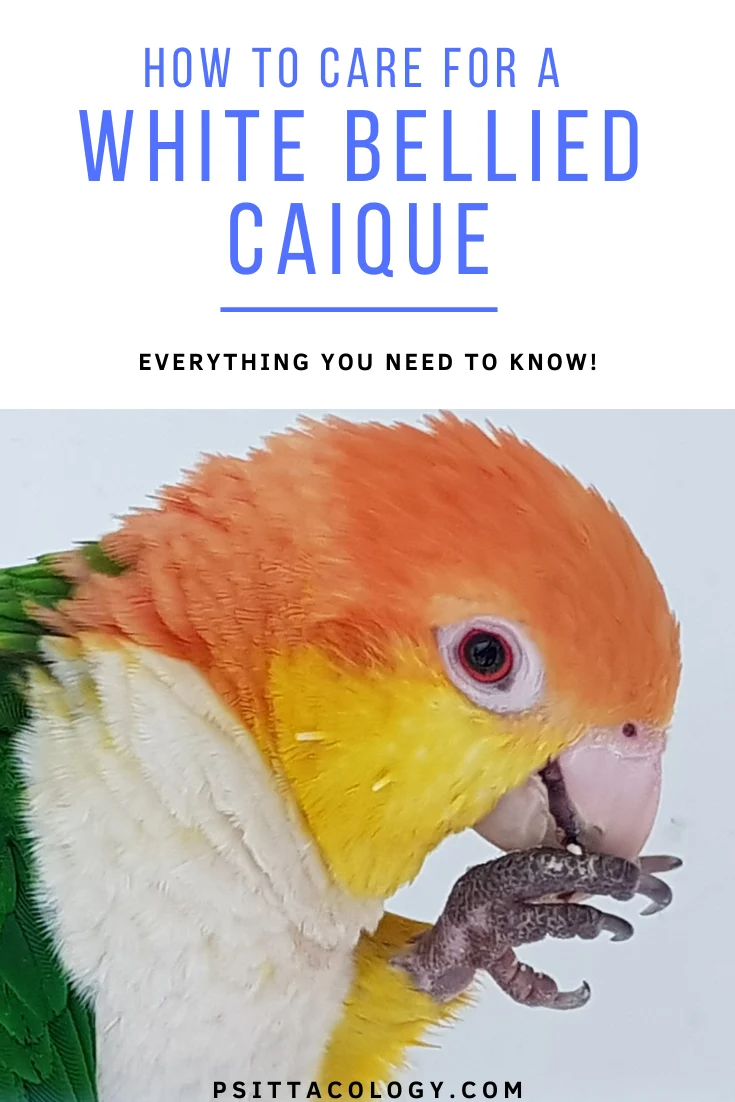
The white-bellied caique, scientifically recognized under the genus Pionites (primarily Pionites leucogaster), represents one of the most charismatic yet demanding avian companions available to dedicated bird enthusiasts. Native to the dense tropical canopies of the South American rainforests, particularly within the Brazilian Amazon basin and surrounding nations such as Bolivia, Peru, and Ecuador, these medium-sized parrots have steadily captured the attention of aviculturists globally. However, beneath their vibrant plumage and energetic "clown-like" reputation lies a complex, highly social animal requiring specialized husbandry, an advanced understanding of behavioral psychology, and a long-term commitment that can span upwards of four decades.
Taxonomic Classification and Physical Characteristics
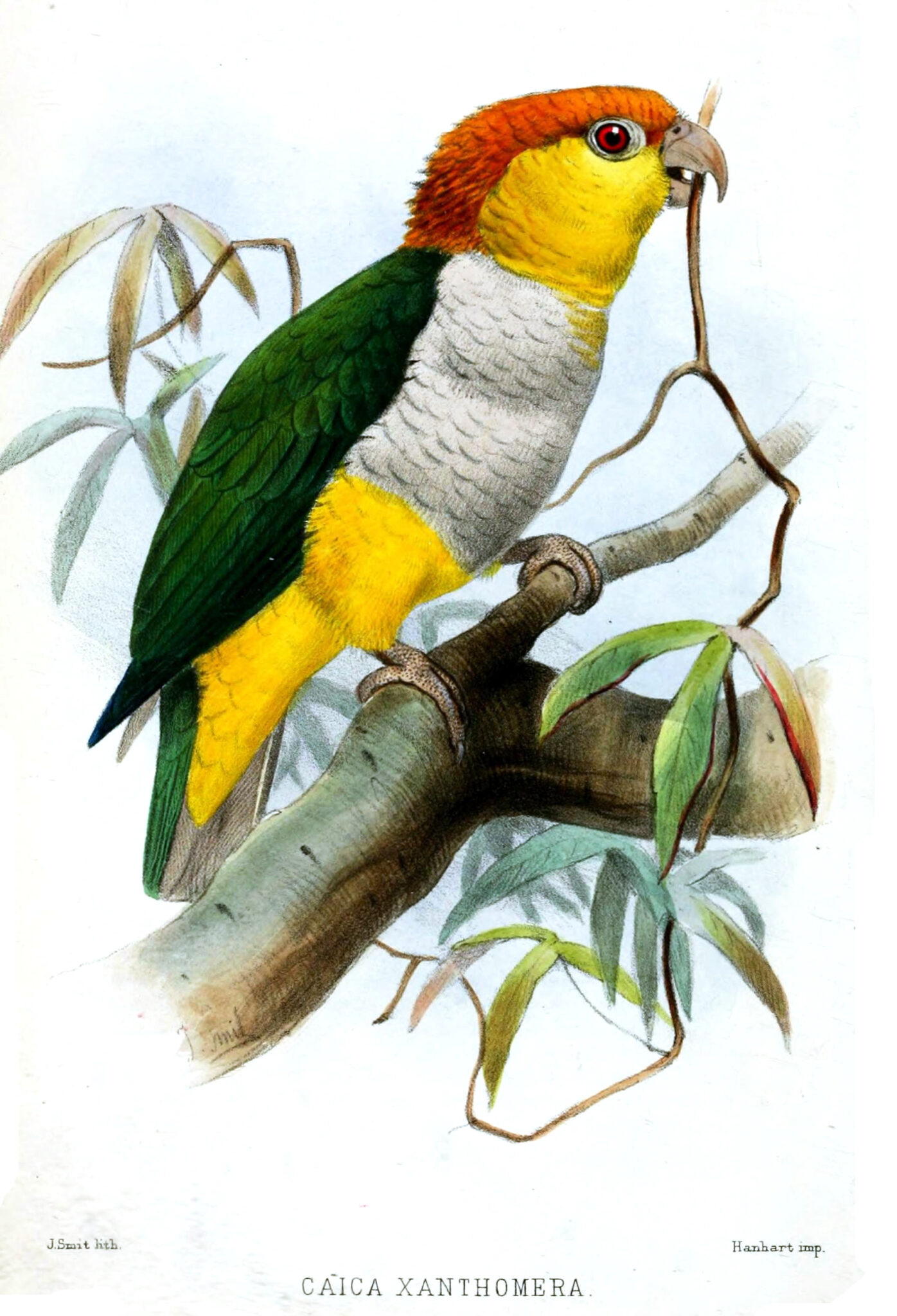
Scientifically categorized within the family Psittacidae, the taxonomy surrounding white-bellied caiques has historically sparked debate among ornithologists. Traditionally, the genus Pionites was divided into two distinct species: the white-bellied parrot (P. leucogaster) and the black-capped parrot (P. melanocephalus). Within the white-bellied classification, three traditional subspecies—P. l. leucogaster, P. l. xanthurus, and P. l. xanthomerius—were recognized based on minor geographical variations in plumage, specifically regarding the coloration of their thighs and tails.
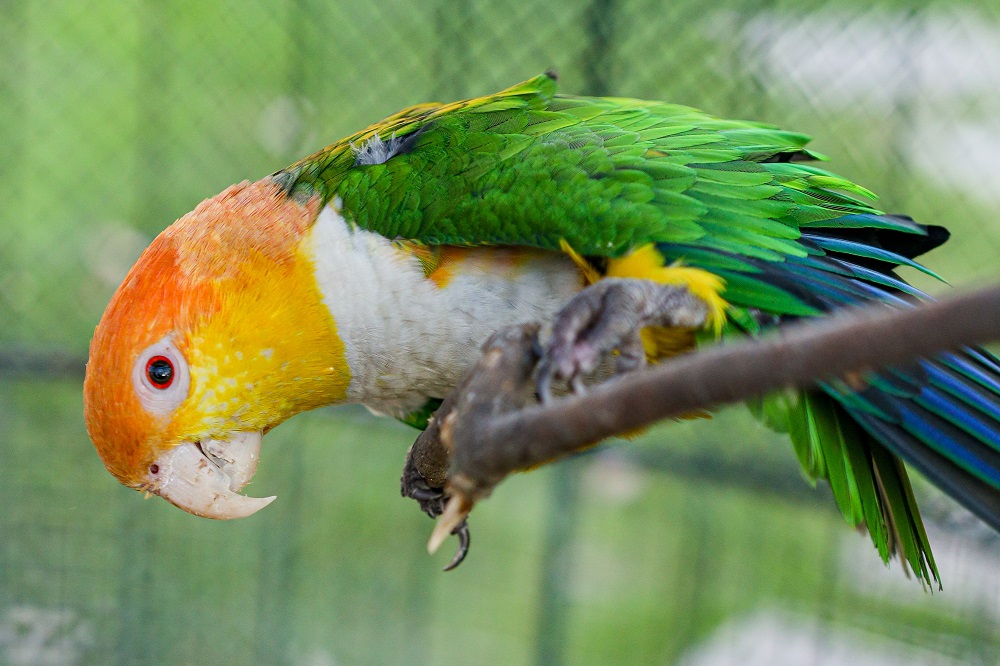
In recent years, however, contemporary taxonomic resources such as Birds of the World have elevated certain subspecies, like P. l. xanthurus and P. l. xanthomerius, to full species status, driven by distinct phenotypic differences in coloration. Despite these ongoing scholarly discussions, all white-bellied caiques share a remarkably consistent physical profile.
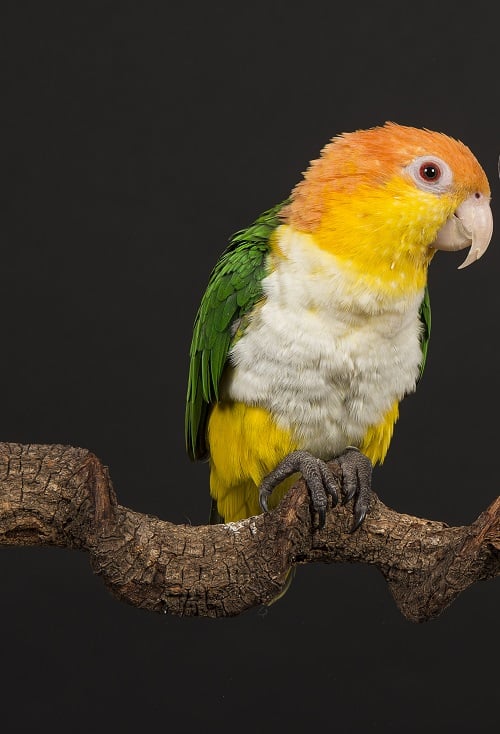
Adult specimens typically reach a maximum length of approximately 23 centimeters (9 inches) and rarely exceed 170 grams in weight. They exhibit a characteristically stocky build, complemented by a short, stumpy tail. Their plumage is exceptionally striking: a pure white to cream-colored chest and belly contrasts sharply with vibrant orange heads, yellow cheeks, and rich green backs and wings. Their beaks are a neutral beige, and their distinct reddish eyes are framed by a bare, pale eye-ring. Because sexual dimorphism is entirely absent in this species—males and females are visually identical—reliable determination of sex requires molecular DNA testing.
Natural Habitat and Conservation Status
The ecological landscape of the white-bellied caique is deeply rooted in the upper strata of tropical rainforests. In the wild, these social birds typically congregate in tight-knit groups of up to ten individuals, spending their days foraging through forest canopies and nesting within natural tree hollows. Observational studies confirm that their native range spans a significant portion of the Amazon basin, reaching across Brazil, Bolivia, Peru, and Ecuador.

Despite their adaptability within mature forest ecosystems, wild populations face mounting pressures. The International Union for Conservation of Nature (IUCN) currently lists many wild caique populations under threat categories primarily driven by widespread deforestation and habitat loss across the Amazonian basin. Agricultural expansion, logging, and infrastructure development continue to fragment their native habitats, underlining the critical importance of captive breeding programs and ethical aviculture in ensuring the long-term preservation of the species.
Nutritional Requirements in the Wild and Captivity
Avian nutritionists and field researchers have dedicated substantial study to understanding the complex dietary habits of Pionites leucogaster. A landmark 2014 field study conducted by Lee and colleagues documented wild caiques feeding on no fewer than 44 distinct plant species. Their findings revealed a diet heavily reliant on the seeds of various plants and fruits, often consumed while still unripe, which naturally curtails sugar intake compared to fully ripened cultivars. Beyond seeds and fruits, wild caiques regularly consume flowers, flower buds, nectar, and pollen, thereby functioning as vital pollinators for specific Amazonian tree species.
Supplemental foraging in the wild includes the consumption of tender bark, leaves, insects such as ants, and mineral-rich soils obtained from clay licks to fulfill micronutrient requirements.

Replicating this diverse nutritional profile in a domestic setting presents a unique challenge for parrot owners. Modern avian veterinary medicine strongly advises against relying on conventional seed-only diets, which are excessively high in fat and deficient in essential vitamins and minerals. Similarly, feeding an excessively fruit-heavy domestic diet can lead to health complications due to the elevated sugar content found in commercially cultivated fruits compared to wild varieties.
An optimal domestic diet for a white-bellied caique should incorporate:
- High-quality, scientifically formulated pelleted diets as a nutritional base.
- A wide variety of fresh vegetables, leafy greens, and moderate amounts of low-sugar fruits.
- Sprouted seeds and grains to simulate the nutritional profile of fresh wild forage.
- Occasional nutrient-dense items such as nuts and dried fruits, strictly reserved as high-value training treats.
- Constant access to clean, fresh drinking water from multiple sources and an accessible calcium block for skeletal and metabolic health.
Temperament, Behavior, and Socialization
The behavioral profile of the white-bellied caique is arguably its most defining characteristic. Widely celebrated as the "clowns of the parrot world," caiques possess boundless energy, an affinity for theatrical displays—including idiosyncratic dancing and rolling—and an insatiable curiosity. Unlike calmer parrot species, caiques maintain an exceptionally playful demeanor throughout their lives.
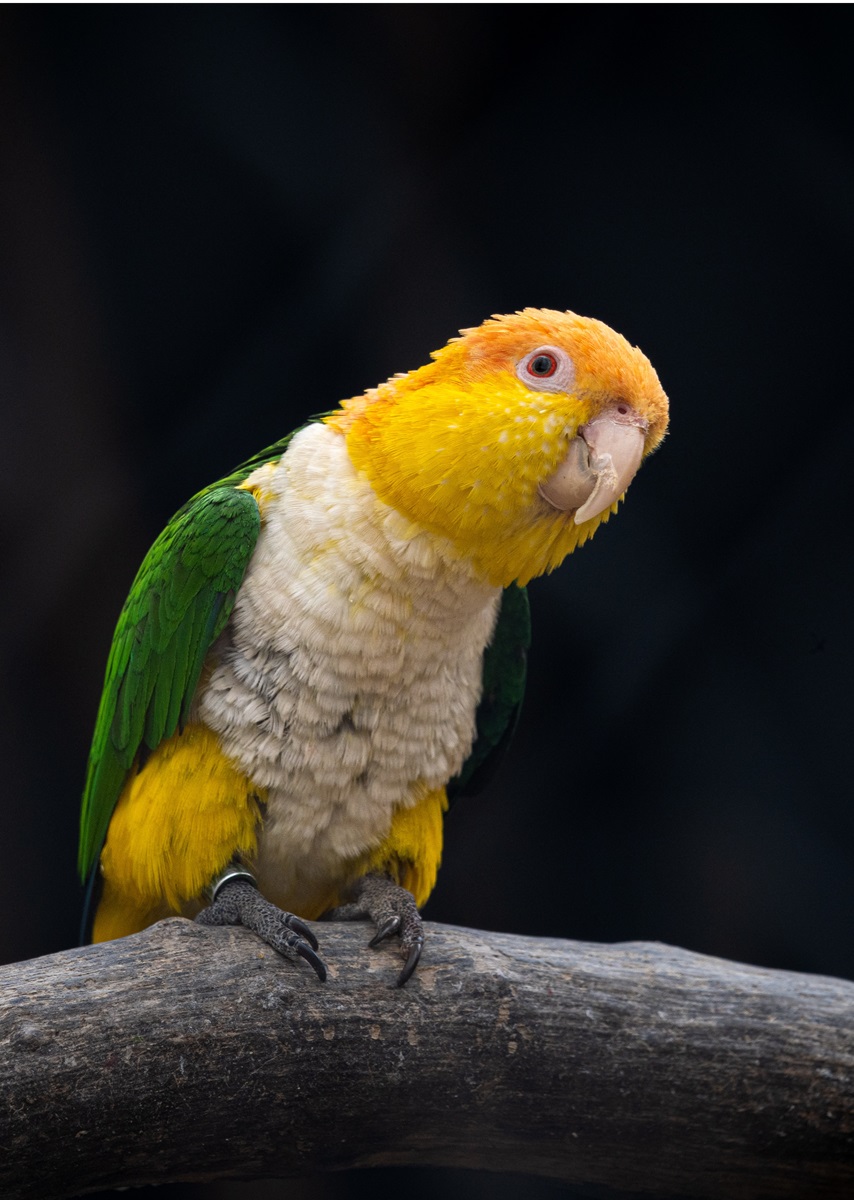
However, this high-energy disposition comes with significant behavioral caveats. White-bellied caiques are known for forming intense, exclusive bonds with their primary human caregivers. As they mature past puberty, these birds can exhibit sudden shifts in temperament, occasionally displaying territorial aggression or nipping even toward their favored human companions. Experts emphasize that caiques require structured socialization protocols and consistent, positive reinforcement training from an early age to mitigate unwanted behaviors.
Furthermore, caiques are notoriously territorial and possessive. Avian behaviorists strongly advise against housing white-bellied caiques in mixed-species aviaries, as their bold and assertive nature frequently leads to aggressive disputes over cage space, perches, or food resources. Due to their high demand for social interaction, owners must be prepared to dedicate several hours daily to out-of-cage engagement, or alternatively, consider housing compatible pairs.
Housing, Environmental Enrichment, and Safety
Given their high metabolic rate and ceaseless activity levels, white-bellied caiques require substantially more space than their compact size might initially suggest. A robust, secure enclosure equipped with escape-proof locks is mandatory, as these intelligent birds quickly learn to manipulate simple latch mechanisms.

Cage furnishings must prioritize mental and physical stimulation. Essential components include:
- Multiple natural wood perches of varying diameters to promote foot health and accommodate their constant need for chewing.
- Strategically placed food and water stations, alongside an avian bathing dish or shower opportunity, as caiques frequently enjoy bathing.
- A rotating selection of durable foraging toys, puzzle feeders, and shreddable materials to prevent destructive boredom.
- An out-of-cage play gym situated in a secure, bird-proofed room to facilitate daily exercise.
Because caiques are enthusiastic explorers with a penchant for chewing electrical cords, drywall, and household items, thorough environmental safety measures are paramount. Households must completely eliminate the use of non-stick cookware (PTFE/Teflon), aerosol sprays, scented candles, and essential oil diffusers, all of which emit microscopic airborne toxins lethal to avian respiratory systems.
Vocalization, Acoustic Profile, and Talking Ability
When evaluated against larger parrot species such as macaws or cockatoos, white-bellied caiques are generally considered to have a moderate noise level. They rarely sustain long periods of deafening screams, preferring instead a repertoire of high-pitched beeps, whistles, and soft squawks during routine daily activities. However, they are entirely capable of producing piercing, shrill alarms—an evolutionary trait designed to maintain flock cohesion across dense jungle canopies. While they are significantly better suited to suburban or multi-family housing than larger hookbills, prospective owners should still anticipate an adjustment to their household acoustic environment.
Regarding speech acquisition, caiques do not rank among the premier talking species. While individual birds may master a few words or phrases, their vocal talents are primarily concentrated on mimicking environmental sounds, household jingles, and melodic whistles. Structured vocalization training, utilizing positive reinforcement and consistent repetition of short tunes, serves as an effective bonding exercise and mental enrichment activity.
Medical Considerations and Veterinary Care
Owning a white-bellied caique necessitates proactive veterinary oversight. Because these birds excel at masking signs of illness—an evolutionary defense mechanism against predators—routine wellness examinations by a certified avian veterinarian are crucial. Common preventative care includes establishing baseline blood work, conducting parasitic screenings, and administering necessary vaccinations.
Of particular clinical note is the species’ susceptibility to avian polyomavirus, a viral pathogen capable of causing acute, severe mortality, particularly among young nestlings and fledgling birds. Avian specialists strongly recommend discussing vaccination protocols against polyomavirus with a qualified veterinarian prior to introducing a young caique into a home environment. Additionally, owners must maintain immediate access to emergency avian veterinary services to address potential crises arising from accidental ingestions, toxicities, or traumatic injuries common to curious, free-roaming parrots.
Summary of Husbandry Parameters
- Adult Dimensions: Approximately 23 cm (9 inches) in length; up to 170 grams in weight.
- Lifespan Expectancy: 40+ years under optimal captive care.
- Beginner Suitability: Unrecommended due to complex behavioral traits, hormonal aggression, and high maintenance requirements.
- Conservation Status: Populations face continuous threats in the wild primarily attributable to Amazonian deforestation.
Conclusion
The white-bellied caique is an extraordinary avian companion whose intelligence, striking beauty, and playful antics provide endless engagement for the right household. However, their demanding social needs, potential for territorial aggression, destructive chewing habits, and exceptional longevity—often exceeding four decades—mean they are entirely unsuited for novice bird owners. Those who possess the time, patience, space, and dedication required to meet their rigorous husbandry standards will find a loyal, endlessly entertaining companion whose vibrant personality leaves an indelible mark on daily life.

