


The webinar serves as a response to the growing body of scientific literature surrounding the biological necessity of ultraviolet B (UVB) radiation for a wide array of captive species, including reptiles, birds, and certain small mammals. As veterinary medicine moves toward more sophisticated standards of care, the reliance on anecdotal evidence for lighting protocols is being replaced by rigorous, data-driven methodologies. This educational module provides a comprehensive update on the latest research, focusing on the physiological impacts of UVB and the technical nuances of modern lighting equipment.
The Evolution of UVB Standards in Veterinary Medicine
The history of UVB lighting in herpetoculture and exotic medicine has undergone a dramatic transformation over the last three decades. In the early years of the hobby, captive reptiles often suffered from "cage paralysis," now recognized as Metabolic Bone Disease (MBD) or Nutritional Secondary Hyperparathyroidism (NSHP). The primary cause was a lack of adequate Vitamin D3 synthesis, which is dependent on exposure to specific wavelengths of ultraviolet light (290–315 nm).
Initially, practitioners relied on direct sunlight or early-generation fluorescent bulbs that offered inconsistent output. The timeline of development saw the introduction of mercury vapor bulbs in the late 1990s, which provided both heat and UVB, followed by the more efficient T8 and high-output T5 fluorescent tubes. The current era is defined by the emergence of UVB-emitting LEDs and a more granular understanding of the "Ferguson Zones," a classification system that categorizes animals based on their natural basking behaviors and UV requirements.
The webinar "Sunburned!" arrives at a pivotal moment when the market is flooded with various lighting products, some of which may provide inadequate radiation or, conversely, dangerous levels of UVC or high-intensity UVB that can lead to "sunburn" or ocular damage in sensitive species. By providing an evidence-based update, the program equips veterinary professionals with the tools to audit their clients’ husbandry setups and provide life-saving recommendations.
Physiological Significance of UVB Radiation
The biological importance of UVB extends far beyond simple bone health. When skin is exposed to UVB radiation, 7-dehydrocholesterol is converted into pre-vitamin D3, which then undergoes thermal isomerization to become vitamin D3 (cholecalciferol). This vitamin is essential for the intestinal absorption of calcium. Without it, the body begins to leach calcium from the skeletal system to maintain vital blood calcium levels, leading to fractures, tremors, and eventually death.
Beyond calcium metabolism, recent studies have suggested that UVB exposure influences the immune system, skin health, and even the psychological well-being of exotic species. Many reptiles and birds possess the ability to see into the ultraviolet spectrum, meaning that the presence or absence of UV light fundamentally alters their perception of their environment, food, and conspecifics. The webinar delves into these multi-faceted benefits, emphasizing that UVB is not merely an optional "luxury" but a physiological requirement for many captive species.
Technical Specifications and Data-Driven Husbandry
One of the core components of the "Sunburned!" webinar is the translation of complex physics into clinical practice. Veterinary professionals are taught to evaluate lighting based on the Ultraviolet Index (UVI) rather than just the percentage of UVB listed on a product’s packaging. The UVI provides a more accurate representation of the biological effectiveness of the light source.
Supporting data in the field of herpetology has established four primary "Ferguson Zones" based on the basking habits of reptiles:
- Zone 1: Shade seekers and crepuscular species (e.g., Leopard Geckos), requiring a UVI of 0 to 0.7.
- Zone 2: Occasional baskers or partial sun-seekers (e.g., Box Turtles), requiring a UVI of 0.7 to 1.0.
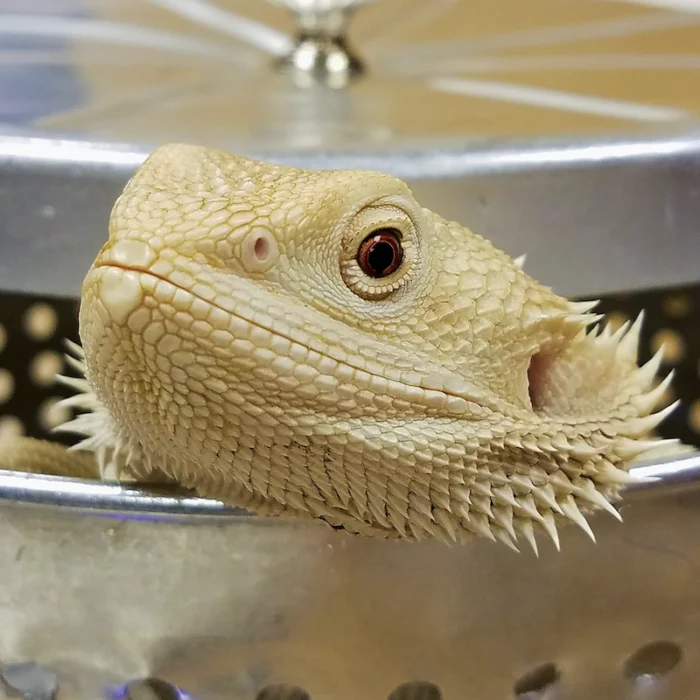
- Zone 3: Open or partial sun baskers (e.g., Bearded Dragons), requiring a UVI of 1.0 to 2.6.
- Zone 4: Mid-day sun baskers (e.g., Uromastyx), requiring a UVI of 2.6 to 7.4.
The webinar provides professionals with the data necessary to recommend specific distances and durations for lighting, accounting for factors such as the "mesh effect," where screen tops can block up to 30% to 50% of UV radiation. Furthermore, the program addresses the decay rates of various bulbs, noting that while a bulb may still produce visible light, its UVB output typically diminishes significantly after 6 to 12 months of use.
Continuing Education and Professional Accountability
The AAVSB RACE approval of this program underscores the importance of standardized education in the veterinary field. To earn the one-hour CE credit, participants must engage with the webinar content and pass a post-test. The protocol allows for three attempts to achieve a passing grade, ensuring that the material is thoroughly understood. Upon successful completion, participants receive a certificate that serves as official documentation for state licensing boards.
This structured approach to learning is vital because the field of exotic medicine is rapidly changing. What was considered "best practice" five years ago may now be outdated. By participating in these updates, veterinarians can provide more accurate diagnostic assessments when presented with cases of lethargy, anorexia, or skeletal deformities in exotic pets.
Professional Responses and Industry Implications
The veterinary community has largely welcomed the push for more evidence-based resources regarding lighting. Many practitioners have noted that husbandry-related illnesses remain the number one reason for exotic pet consultations. The ability to point to a RACE-approved source when discussing lighting with a client adds a layer of professional authority that can improve client compliance.
Industry experts suggest that as veterinarians become more educated on the nuances of UVB, there will be increased pressure on manufacturers to provide more transparent data regarding their products’ spectral output. Currently, some lower-end products on the market do not provide consistent UV levels, and the lack of regulation in the pet lighting industry makes professional guidance indispensable.
Broader Impact on Animal Welfare and Conservation
The implications of the "Sunburned!" webinar extend beyond the walls of the veterinary clinic. Proper lighting is a cornerstone of animal welfare. For many exotic species, the inability to express natural basking behaviors or maintain physiological homeostasis leads to chronic stress. By improving the standard of care in private homes, zoos, and rescue centers, the veterinary profession contributes to the overall longevity and quality of life for these animals.
Furthermore, for species involved in captive breeding and conservation programs, correct UVB exposure is often the difference between successful reproduction and reproductive failure. High-quality lighting protocols ensure that the offspring are healthy and that the maternal animals do not suffer from calcium depletion during egg production.
Conclusion and Future Outlook
The "Sunburned! An Evidence-Based Update on UVB Lighting for Captive Exotic Species" webinar represents a significant step forward in the professionalization of exotic animal husbandry. By combining clinical science with practical technical knowledge, the program fills a critical gap in veterinary education.
As research continues to evolve, particularly in the realm of LED technology and the UV requirements of lesser-known species, the need for such continuing education will only grow. For now, the LafeberVet initiative provides a robust foundation for veterinarians to improve their clinical outcomes and advocate for the health of the diverse species under their care. The focus remains clear: moving away from the "sunburned" risks of improper lighting and toward a precisely measured, scientifically backed environment that allows captive exotic species to thrive.

