


For many, the decision to bring a pet rat into their home is a joyous one, marked by the anticipation of companionship and the unique charm these intelligent rodents possess. However, as with any pet ownership, a lack of comprehensive knowledge can lead to unintentional missteps that compromise the animal’s well-being. This article delves into common errors made by rat owners, drawing from extensive experience and expert advice, to equip current and prospective owners with the information needed to provide optimal care for their furry companions. The author, a dedicated rat enthusiast with over three decades of experience and two decades of focused research, highlights the critical importance of accurate information and proactive care, underscoring that while perfection is elusive, informed diligence is paramount.
The Evolution of Rat Care Knowledge
The landscape of pet care, particularly for less common pets like rats, has evolved significantly over the years. In the 1990s, when the author’s own journey with rat ownership began, accessible and accurate information was scarce. This often led to reliance on outdated practices or advice from sources that lacked a deep understanding of rat physiology and social needs. Pet stores, while sometimes offering a starting point, could also inadvertently perpetuate misinformation through the products they stocked and the advice they provided. This period serves as a crucial reminder that what was once considered acceptable practice might now be recognized as detrimental. The author’s personal experience of realizing past mistakes, driven by a perfectionist tendency, underscores the importance of continuous learning and adaptation in pet care. This journey from unintentional error to passionate advocacy for informed ownership forms the bedrock of this guide.
Identifying and Correcting Common Ownership Pitfalls
A thorough examination of rat care reveals several recurring areas where owners often falter. These range from fundamental decisions about housing and social interaction to more nuanced aspects of nutrition and health monitoring. By understanding these common pitfalls and their correctives, owners can significantly enhance the quality of life for their pet rats.
1. Inadequate Socialization: The Importance of Companionship
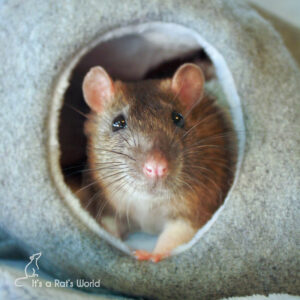
One of the most critical mistakes highlighted by experienced rat owners is the decision to house a single rat. Rats are inherently social creatures, thriving in the company of their own kind. Denying them this companionship can lead to loneliness, stress, and behavioral issues.
- Background Context: Wild rats live in complex social colonies, exhibiting intricate communication and cooperative behaviors. Domesticated rats retain these strong social drives.
- Supporting Data: Studies on animal behavior consistently show that social isolation in intelligent, social species can negatively impact their psychological and even physiological health. This can manifest as increased anxiety, depression-like symptoms, and a reduced ability to cope with stress.
- Implications: A solitary rat may exhibit excessive grooming, lethargy, or become withdrawn. Conversely, some may develop aggression due to frustration or a lack of appropriate social outlets. Introducing a companion rat, when done carefully and correctly, can mitigate these issues and foster a happier, healthier environment.
Recommendation: Always house rats in same-sex pairs or small groups. When introducing new rats, a gradual and supervised introduction process is essential to ensure compatibility and prevent conflict.
2. Substandard Housing: Beyond Basic Shelter
The choice of cage and its contents is fundamental to a rat’s well-being. Many owners inadvertently provide inadequate housing due to limited knowledge or the influence of misleading marketing.
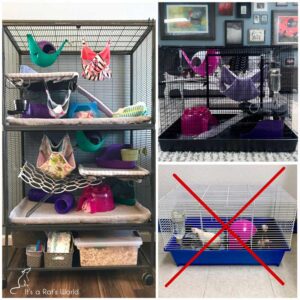
- Cage Size and Ventilation: A cage that is too small will restrict movement, prevent adequate exploration, and can lead to a buildup of ammonia from urine, which is harmful to a rat’s sensitive respiratory system. Multi-level cages are ideal, providing vertical space for climbing and exploration.
- Supporting Data: The U.S. Department of Agriculture (USDA) guidelines for laboratory animals, while not directly applicable to pets, often inform best practices for housing, emphasizing adequate space for movement and enrichment. For pet rats, a general recommendation is at least 2 cubic feet of space per rat.
- Implications: Poor ventilation can exacerbate respiratory issues, a common concern in rats, leading to infections and chronic conditions.
- Bedding Material: The use of pine and cedar shavings is a significant concern due to the presence of aromatic hydrocarbons (phenols) that are toxic to small animals. These can cause respiratory irritation, liver damage, and other health problems.
- Background Context: Historically, pine and cedar shavings were widely used due to their availability and odor-masking properties. However, research has revealed their inherent toxicity to many small pets.
- Recommendation: Opt for safe alternatives like paper-based bedding, aspen shavings, or fleece liners. If using walnut shells for litter boxes, ensure they are properly frozen for 24-48 hours to eliminate parasites, as a past oversight can lead to mite infestations.
- Flooring: Wire-bottomed cages, while common, can be detrimental. Rats can develop bumblefoot (pododermatitis), a painful inflammation of the feet, and injuries from walking and sleeping on hard wire.
- Implications: Covered or solid flooring, or the use of mats and bedding to cover wire sections, is crucial for preventing foot injuries and maintaining hygiene.
Recommendation: Invest in a spacious, multi-level cage with appropriate bar spacing to prevent escapes. Ensure the bedding is safe and absorbent, and cover any wire flooring.

3. Neglecting Cage Hygiene
A clean living environment is non-negotiable for any pet. For rats, whose respiratory systems are particularly vulnerable, a dirty cage poses a significant health risk.
- Ammonia Buildup: Urine and feces decompose, releasing ammonia gas. Even low levels of ammonia can irritate a rat’s eyes and respiratory tract. Prolonged exposure to high concentrations can lead to serious respiratory infections, including pneumonia.
- Supporting Data: Ammonia is a known irritant, and its effects are more pronounced in animals with delicate respiratory systems. The sensitivity of rat lungs makes them particularly susceptible to airborne toxins.
- Hygiene and Disease: A soiled cage is a breeding ground for bacteria and other pathogens, increasing the risk of illness for the rats and potentially creating an unsanitary environment for the owner.
- Timeline: Daily spot cleaning of soiled areas and a more thorough cage cleaning at least once a week are generally recommended, depending on the number of rats and cage size.
Recommendation: Establish a consistent cleaning schedule. This includes daily removal of soiled bedding and food scraps, and weekly full cage cleanings with appropriate disinfectants.
4. Suboptimal Nutrition and Feeding Practices
Diet plays a pivotal role in a rat’s overall health, longevity, and quality of life. Mistakes in this area can have far-reaching consequences.
- Commercial Food Quality: Not all commercial rat foods are created equal. Many products marketed for rats may lack essential nutrients or contain excessive fillers, sugars, or artificial additives.
- Background Context: The pet food industry is vast, and while many reputable brands exist, consumers must be discerning. Relying solely on packaging claims can be misleading.
- Recommendation: Choose high-quality commercial rat mixes or lab blocks formulated with balanced nutrition. Resources like "The Rat Guide" offer detailed information on appropriate staple diets.
- Overfeeding and Unhealthy Treats: The temptation to spoil pet rats with human food is strong, but this can lead to obesity and related health problems. Fatty, salty, sugary, and greasy foods are detrimental to a rat’s health.
- Supporting Data: Obesity in rats, as in humans, is linked to increased risks of heart disease, diabetes, joint problems, and reduced lifespan.
- Implications: While occasional tiny portions of certain human foods might be acceptable as rare treats, they should never form a regular part of the diet. Even healthy fruits and vegetables should be offered in appropriate proportions.
- Portion Control: Overfeeding even healthy foods can lead to weight gain. It’s crucial to understand recommended portion sizes for both staple diets and supplemental treats.
Recommendation: Provide a high-quality staple diet and supplement with fresh, rat-safe fruits and vegetables in moderation. Consult reputable sources for guidance on appropriate portion sizes and a balanced diet.
5. Insufficient Exercise and Mental Stimulation
Rats are intelligent, active animals that require both physical activity and mental engagement to thrive. A sedentary lifestyle can lead to a host of problems.
- Physical Health: Lack of exercise contributes to obesity, which in turn increases the risk of various health issues, including cardiovascular problems and joint pain.
- Mental Well-being: Boredom and a lack of stimulation can result in behavioral problems such as destructive chewing, excessive grooming, or aggression. Intelligent animals like rats need opportunities to problem-solve and explore.
- Implications: Providing a stimulating environment with toys, climbing structures, and opportunities for supervised free-ranging can prevent these issues and enhance a rat’s overall happiness.
- Chronology: Daily opportunities for exercise and interaction are crucial for maintaining a rat’s physical and mental health.
Recommendation: Dedicate time each day for supervised playtime outside the cage. Offer a variety of enrichment activities, such as puzzle toys, tunnels, and opportunities to explore safe, rat-proofed areas.
6. Improper Handling: The Dangers of Tail Grabbing
While seemingly a quick way to pick up a rat, grabbing them by the tail is a dangerous practice that can lead to severe injury.
- Anatomical Significance: A rat’s tail is not merely an appendage; it is a crucial organ for thermoregulation, balance, sensory input, and is technically an extension of their spine.
- Risk of Injury: The skin on the tail can tear, leading to painful injuries, potential infections, and even the loss of the tail. The delicate bones within the tail can also be fractured.
- Implications: This type of mishandling can cause significant pain and trauma, eroding trust between rat and owner.
- Timeline: This is a consistent danger that owners must be educated about from the moment they acquire a rat.
Recommendation: Always support a rat’s body when picking them up. Gently scoop them up with both hands, allowing them to feel secure and stable. Never grasp them by the tail.

7. Financial Unpreparedness for Veterinary Care
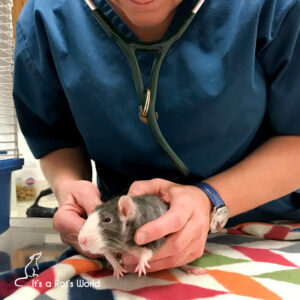
The cost of veterinary care for pets has risen significantly, and rats are no exception. Owners must be financially prepared for potential health issues.
- Common Health Concerns: Rats are prone to various ailments, including respiratory infections, tumors, and age-related conditions, all of which often require veterinary intervention.
- Supporting Data: Veterinary costs have seen a substantial increase in recent years, with some sources indicating a rise of over 60% since 2014 for certain procedures. This trend is projected to continue.
- Implications: The inability to afford necessary veterinary care can lead to difficult decisions and significant distress for both the pet and the owner.
- Associated Costs: Beyond vet bills, ongoing expenses include food, bedding, cage supplies, and replacement items for wear and tear.
- Proactive Planning: It is advisable to establish a dedicated savings account for pet care expenses and to identify a veterinarian experienced with exotic pets, particularly rats, before an emergency arises.
Recommendation: Budget for regular veterinary check-ups and be prepared for unexpected medical expenses. Consider pet insurance or a dedicated savings fund to cover potential vet bills.
8. Premature or Unprepared Free-Ranging
While allowing rats supervised time outside their cage is beneficial for exercise and stimulation, rushing into free-ranging without proper preparation can be hazardous.
- Household Dangers: Homes can contain numerous hidden dangers for rats, including electrical cords, toxic plants, small objects that can be ingested, and accessible cleaning supplies.
- Damage and Hygiene Concerns: Rats are natural chewers and can inflict damage on furniture and wiring. They can also be difficult to litter train, potentially creating unsanitary conditions in the living space.
- Implications: Unsupervised or improperly prepared free-ranging can lead to accidents, property damage, and a challenging cleanup situation for the owner.
- Chronology: Gradual introduction to free-ranging in a controlled environment, with constant supervision and thorough rat-proofing, is essential.
Recommendation: Rat-proof the intended free-ranging area meticulously. Start with short, supervised sessions and gradually increase the duration as the rat becomes more familiar with the environment and learns acceptable behaviors.

9. Failing to Adapt Care for Senior Rats
As rats age, their needs change, and owners must be attentive to these shifts to ensure continued comfort and well-being.
- Mobility Issues: Older rats may develop arthritis or other conditions that affect their mobility. Ramps, food bowls, and water bottles may need to be lowered or made more accessible to prevent falls and ensure they can reach essential resources.
- Dietary and Health Changes: Appetite may decrease, and older rats can be more susceptible to illness. Close monitoring for signs of weight loss, changes in eating habits, or the onset of common senior rat ailments is crucial.
- Supporting Data: The average lifespan of a pet rat is typically 2-3 years. Recognizing the signs of aging and providing appropriate supportive care can significantly improve their quality of life during their twilight years.
- Veterinary Intervention: Prompt veterinary attention for age-related issues, including pain management and antibiotics for infections, can greatly extend a senior rat’s lifespan and enhance its comfort.
Recommendation: Regularly assess the needs of senior rats and make necessary adjustments to their environment and care routine. Maintain open communication with your veterinarian regarding any age-related concerns.
10. Lack of Consistent Commitment and Interaction
Owning pet rats is a commitment that requires daily attention and interaction. Treating them as passive occupants rather than active family members can lead to their neglect.
- Daily Routines: Rats thrive on routine. Establishing daily schedules for feeding, playtime, and social interaction ensures their physical and emotional needs are met.
- Implications: Consistent interaction fosters a strong bond between rat and owner, leading to a more fulfilling companionship for both. Rats are known for their intelligence and ability to learn routines, often anticipating meals and playtime.
- Quality Time: It’s not just about providing food and shelter; it’s about actively engaging with your rats, understanding their individual personalities, and cherishing the time you have together.
- Responsibility: Whether the rats are for personal enjoyment or for children, the ultimate responsibility for their care lies with the adult owner.
Recommendation: Dedicate a specific amount of quality time each day to interact with your rats. Integrate them into your daily life through consistent routines and engaging activities.
By understanding and actively addressing these common mistakes, rat owners can provide a safe, healthy, and enriching environment for their beloved pets, fostering a deeper bond and ensuring a higher quality of life for these remarkable animals. Continuous learning and a commitment to providing the best possible care are the hallmarks of responsible and compassionate rat ownership.

