



The American Federation of Aviculture (AFA) has served as a cornerstone for bird enthusiasts, conservationists, and professional breeders for over half a century, maintaining a rigorous record of avian science and captive management through its flagship publication, Watchbird magazine. Since its inception in 1974, Watchbird has functioned as a primary vehicle for the dissemination of information regarding avian husbandry, veterinary medicine, legislative advocacy, and conservation initiatives. The recently highlighted archive, spanning from Volume 1 in 1974 to Volume 42 in 2015, represents a chronological roadmap of the avicultural movement in the United States and abroad. This vast repository of knowledge documents the transition of bird-keeping from a niche hobby into a sophisticated scientific discipline that plays a vital role in global biodiversity preservation.
The Genesis of a Movement: The 1970s and the Birth of Watchbird
The early 1970s were a period of significant upheaval for bird owners in the United States. Following the outbreak of Exotic Newcastle Disease (END) in 1971, which led to the culling of millions of birds and the implementation of strict quarantine regulations, the need for a unified voice for aviculturists became apparent. The American Federation of Aviculture was founded in 1974, and Watchbird was immediately established to provide a platform for communication.
The archive begins with Volume 1, No. 1, published in 1974. During these foundational years (1974–1979), the magazine was characterized by a sense of urgency. The articles focused heavily on establishing basic husbandry standards and navigating the nascent regulatory landscape. As seen in the archive chronology, the publication quickly moved from a modest start to a consistent bimonthly schedule. By 1977 (Volume 4) and 1978 (Volume 5), Watchbird had established a reliable presence, producing six issues per year. This frequency was necessary to keep the community informed about the rapidly evolving CITES (Convention on International Trade in Endangered Species of Wild Fauna and Flora) regulations, which began to reshape the international movement of avian species during this decade.
The Golden Age of Aviculture: The 1980s Expansion
The 1980s are often referred to as the "Golden Age" of aviculture, a time when captive breeding techniques for exotic species, particularly psittacines (parrots), advanced at an exponential rate. The Watchbird archive from 1980 (Volume 7) through 1989 (Volume 16) reflects this era of discovery. During this decade, the publication maintained a robust schedule of six issues per year, documenting the first successful captive breedings of numerous rare species.
Data from this period shows a heavy emphasis on nutritional science and pediatric care for birds. Before this era, hand-rearing parrots was a process fraught with high mortality rates. However, the exchange of information through Watchbird allowed breeders to share formulas, brooder temperatures, and feeding schedules. This peer-to-peer knowledge transfer, supported by early avian veterinarians, led to a surge in the populations of captive-bred birds, which eventually reduced the reliance on wild-caught imports. The 1980s archive serves as a primary source for the history of hand-feeding techniques and the development of specialized avian diets that are now industry standards.

Legislative Battles and Veterinary Advancements: The 1990s
As the 1990s approached, the focus of Watchbird shifted toward defense and professionalism. The 1990 (Volume 17) through 1999 (Volume 26) archives document a decade defined by the Wild Bird Conservation Act (WBCA) of 1992. This landmark legislation significantly restricted the importation of exotic birds into the United States, placing the burden of species survival squarely on the shoulders of domestic aviculturists.

Throughout this decade, Watchbird transitioned into a more technical journal. The archive shows an increase in contributions from the Association of Avian Veterinarians (AAV). Topics such as PBFD (Psittacine Beak and Feather Disease), Proventricular Dilatation Disease (PDD), and the use of DNA sexing became common features. The magazine also chronicled the AFA’s efforts to lobby in Washington D.C., representing the interests of both commercial breeders and pet owners. The consistency of the publication remained high, with six issues per year through the late 90s, including specialized issues focused on finches, softbills, and endangered species recovery programs like the California Condor and the Spix’s Macaw.
The Digital Shift and Modern Challenges: 2000–2015
Entering the 21st century, the Watchbird archive reflects the broader trends affecting print media and the avicultural community. From Volume 27 (2000) to Volume 42 (2015), the publication frequency began to evolve. While the magazine remained a vital resource, the rise of the internet changed how information was consumed. The AFA responded by enhancing the visual quality of Watchbird and focusing on long-form, in-depth research articles that provided more value than the fleeting information found on early web forums.
The chronology shows a shift from bimonthly to quarterly or combined issues in the later years. For instance, Volume 36 (2009) and Volume 38 (2011) show combined issues (e.g., No. 1 & 2), a common strategy for non-profit organizations to manage rising print and postage costs while maintaining content quality. Despite these changes, the period from 2000 to 2015 saw some of the most significant conservation successes in the magazine’s history. Watchbird documented the AFA’s involvement in the Alagoas Curassow reintroduction and the continued monitoring of the Illegal Wildlife Trade. The final entries in the provided archive, spanning 2014-2015 (Volumes 41 and 42), represent a bridge to the modern era, where digital archives like this one allow a new generation of "digital native" bird keepers to access forty years of specialized expertise.

Supporting Data and Publication Trends
An analysis of the Watchbird archive reveals several key data points regarding the consistency and evolution of the AFA’s educational outreach:
- Longevity: With 42 volumes represented, Watchbird stands as one of the longest-running continuous publications dedicated to aviculture in the world.
- Output Volume: For the majority of its history (approximately 1975–2003), the magazine produced 6 issues per year, totaling over 170 individual issues in that 28-year span alone.
- Content Transition: The early years (1970s) were roughly 70% husbandry-focused and 30% legislative. By the 1990s, the content split was approximately 40% veterinary science, 30% conservation/field reports, 20% husbandry, and 10% legislative advocacy.
- Community Engagement: The archive highlights the role of member-contributed photography and "Notes from the Field," which helped build a global network of bird researchers.
Inferred Industry Reactions and Professional Impact
While specific contemporary statements are not contained within the raw gallery data, the historical impact of the Watchbird archive is widely recognized by leaders in the zoological and veterinary fields. Dr. Greg Harrison, a pioneer in avian medicine, and other prominent figures have historically cited the importance of the AFA in providing a "bridge" between the hobbyist and the scientist.

Current avian veterinarians often look back at the 1980s and 90s volumes of Watchbird to understand the clinical history of certain species. Conservationists use these records to track the captive population trends of birds that may now be extinct in the wild. The reaction from the modern avicultural community to the digitization of these archives has been overwhelmingly positive, as it preserves "tribal knowledge" that might otherwise be lost as older generations of breeders retire.
Broader Impact and Implications for the Future
The existence of a complete archive from 1974 to 2015 has profound implications for the future of avian conservation. First, it serves as a "genetic memory" for the avicultural community. As habitat loss continues to threaten wild populations, the techniques documented in Watchbird for breeding and rearing rare birds become essential tools for species survival plans (SSPs).

Second, the archive provides a factual counter-narrative to the often-politicized debates regarding bird ownership. By documenting decades of ethical breeding, veterinary progress, and conservation funding, the AFA demonstrates the positive role that responsible aviculture plays in the broader environmental movement.
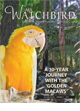
Finally, the transition of Watchbird from a printed newsletter to a comprehensive historical archive mirrors the evolution of the AFA itself. The organization has moved from a reactive group fighting for the right to keep birds to a proactive scientific and educational body. The 42 volumes of Watchbird are not merely old magazines; they are a testament to the dedication of thousands of individuals who have devoted their lives to the study and protection of birds. As the AFA continues its work into the 2020s and beyond, this archive remains a foundational resource, ensuring that the lessons of the past continue to inform the conservation strategies of the future.

