


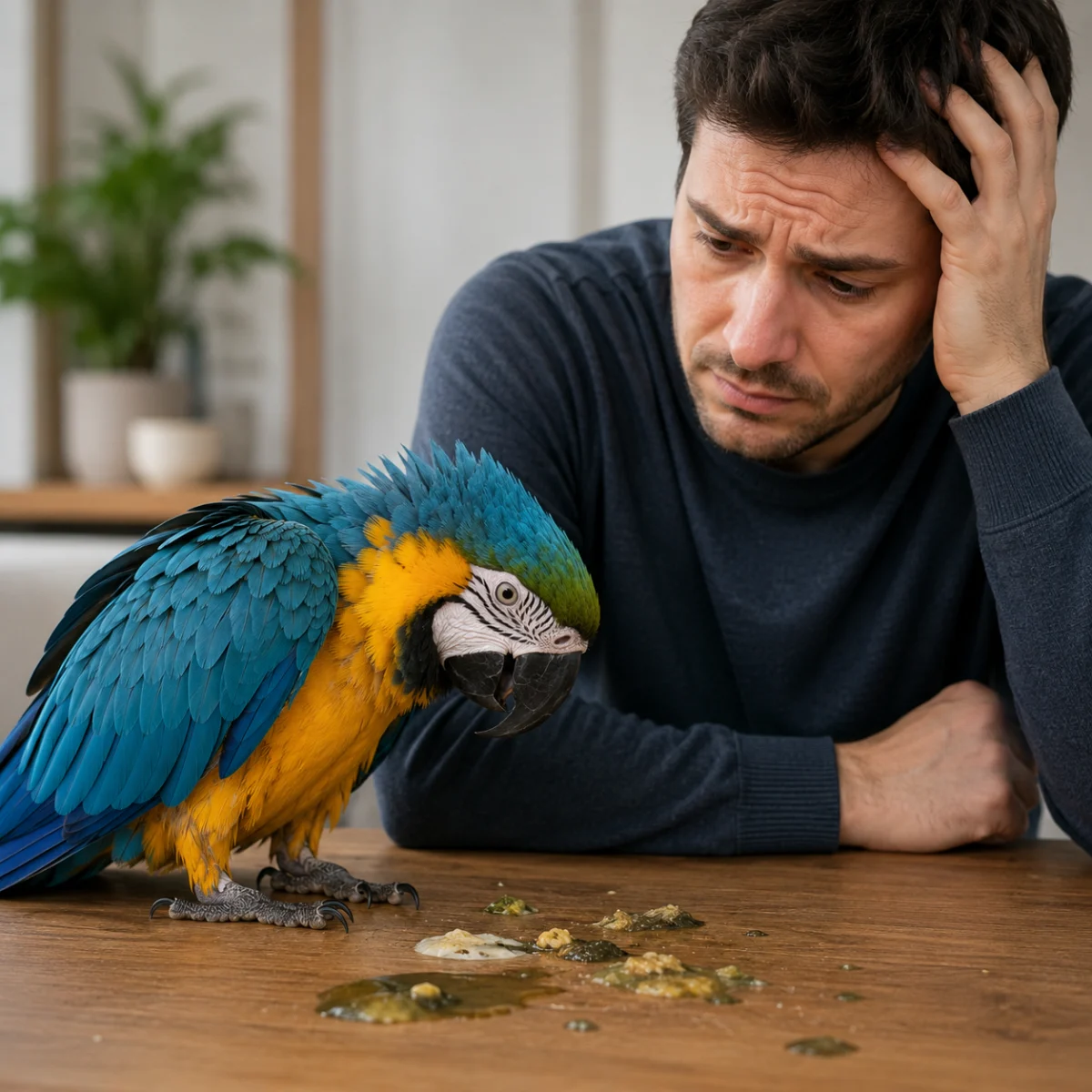
The digestive health of pet birds is a primary indicator of their overall physiological well-being, yet it remains one of the most misunderstood aspects of avian husbandry for many owners. Because birds are prey animals that instinctively mask signs of illness to avoid attracting predators, subtle changes in their droppings often serve as the first—and sometimes only—warning sign of underlying pathology. As of May 25, 2026, avian medical experts emphasize that while dietary fluctuations can influence waste composition, the presence of specific markers, such as undigested food or consistent color shifts, requires immediate clinical assessment to prevent the rapid progression of life-threatening conditions.
The Anatomy of Avian Waste
To interpret avian droppings correctly, owners must first understand that birds possess a unique anatomical system known as the cloaca. Unlike mammals, which separate urinary and fecal waste, birds combine feces, urine, and urates into a single output. A normal, healthy dropping typically consists of three components: a dark, formed fecal portion; a clear, watery urine component; and a white or creamy paste known as urates.
The distinction between true diarrhea and polyuria (excessive urination) is critical. Polyuria is characterized by an increase in the liquid component of the dropping, often caused by high-moisture diets like fruits and vegetables, stress-induced water consumption, or environmental temperature changes. True diarrhea, however, involves the liquefaction of the fecal portion itself. If the fecal material loses its structural integrity and becomes amorphous or runny, it indicates a potential infection, parasite, or digestive malfunction.
Diagnostic Indicators and Symptomology
Clinical data from the Merck Veterinary Manual and leading avian pathology sources suggest that diagnostic evaluation must look beyond simple color changes. While green droppings are frequently associated with the consumption of dark leafy greens, they can also signal starvation or liver dysfunction if the bird is not eating. Conversely, yellow or lime-green urates may point to systemic issues such as liver disease, bacterial infections, or chronic dehydration.
The presence of undigested food in the droppings—often described as "seeds in the stool"—is a significant clinical red flag. In a healthy digestive tract, food is processed through the crop, proventriculus, and gizzard, where mechanical and chemical breakdown occurs. The appearance of identifiable food particles suggests a failure in this process, potentially linked to Proventricular Dilatation Disease (PDD), severe bacterial infections, or malabsorption syndromes. These cases require immediate intervention, as they are frequently accompanied by rapid weight loss and nutritional depletion.
Chronology of Symptoms and Escalation
The progression of avian illness often follows a predictable, albeit swift, timeline.
- Initial Stage: The bird exhibits minor changes in droppings, such as increased volume or altered moisture content, often following a change in diet or a stressful event.
- Secondary Stage: The bird begins to exhibit subtle behavioral shifts, such as decreased activity levels or a change in appetite.
- Tertiary Stage: Overt physical symptoms manifest, including fluffed feathers, lethargy, persistent vomiting, or the inability to perch properly.
Medical professionals note that by the time a bird displays visible physical illness—such as sitting at the bottom of the cage or losing weight—the condition is usually in an advanced state. Because avian metabolic rates are significantly higher than those of mammals, a bird in a state of crisis may have only a narrow window for effective medical intervention.
Distinguishing Regurgitation from Vomiting
A frequent point of confusion for pet owners is the distinction between regurgitation and vomiting. Regurgitation is generally considered a controlled, non-pathological behavior often associated with courtship or hormonal cycles, where the bird brings up food from the crop without the violent shaking of the head. Vomiting, by contrast, is a passive or active rejection of contents from the stomach, often accompanied by messy, projectile debris on the bird’s feathers or the cage walls. Vomiting is almost always a sign of a pathological condition, ranging from toxin ingestion and metal poisoning (lead or zinc) to severe fungal or viral infections.
The Role of Probiotics and Preventative Care
In recent years, the use of avian-specific probiotics has gained traction as a supportive measure for gut flora. However, researchers and veterinarians warn that probiotics are not a curative treatment. They serve as a secondary supplement to stabilize the digestive tract after antibiotic use or periods of stress. Relying on probiotics to treat symptoms of systemic disease—such as weight loss, lethargy, or hematochezia (blood in the stool)—is counterproductive and can delay necessary life-saving care.
Clinical Implications and When to Act
The broader implication of ignoring abnormal droppings is the high risk of mortality due to the rapid onset of avian illnesses. Data indicates that birds suffering from digestive obstructions or systemic infections may deteriorate within 24 to 48 hours.
To facilitate an accurate diagnosis, owners should document the following when consulting a veterinarian:
- Duration: How long the symptoms have persisted.
- Dietary Logs: A record of all foods consumed in the previous 48 hours.
- Photographic Evidence: Clear images of the droppings in question, taken against a white paper background.
- Behavioral Notes: Observations regarding activity levels, vocalizations, and weight fluctuations.
Professional Guidance for Owners
Diane Burroughs, a specialist in avian behavior and care, underscores that the "wait and see" approach is often fatal for exotic birds. When an owner observes signs of weakness, weight loss, or persistent, abnormal droppings, the situation has moved beyond the scope of home management.
Medical experts advise that a "sick" bird—defined by fluffed feathers, reduced appetite, and lethargy—should be considered an emergency. In such cases, the priority is to minimize stress, maintain ambient warmth, and seek an immediate consultation with an avian or exotic animal veterinarian. While diet and environment remain key to long-term health, they cannot replace professional diagnostics, such as fecal gram stains, blood panels, or imaging, which are essential for identifying the root cause of digestive failure.
Summary of Warning Signs
For the pet owner, the following table serves as a guide for when to escalate concerns to a veterinary professional:
| Symptom | Clinical Significance | Action Required |
|---|---|---|
| Watery feces (not just urine) | Potential infection or systemic illness | Monitor; if persistent, seek exam |
| Undigested food in stool | Malabsorption or motility issues | Immediate veterinary consult |
| Black or tarry stools | Potential internal bleeding | Emergency veterinary care |
| Vomiting (messy, head shaking) | Toxin, obstruction, or infection | Immediate veterinary care |
| Fluffed, lethargic, weak | Acute crisis state | Emergency veterinary care |
As avian medicine continues to evolve, the emphasis remains on proactive observation. By maintaining a clean environment, monitoring the bird’s weight on a weekly basis, and responding swiftly to digestive irregularities, owners play a pivotal role in the longevity and quality of life of their avian companions. The absence of symptoms does not always equate to health, but the presence of persistent, abnormal waste is an indisputable signal that professional intervention is required.

