


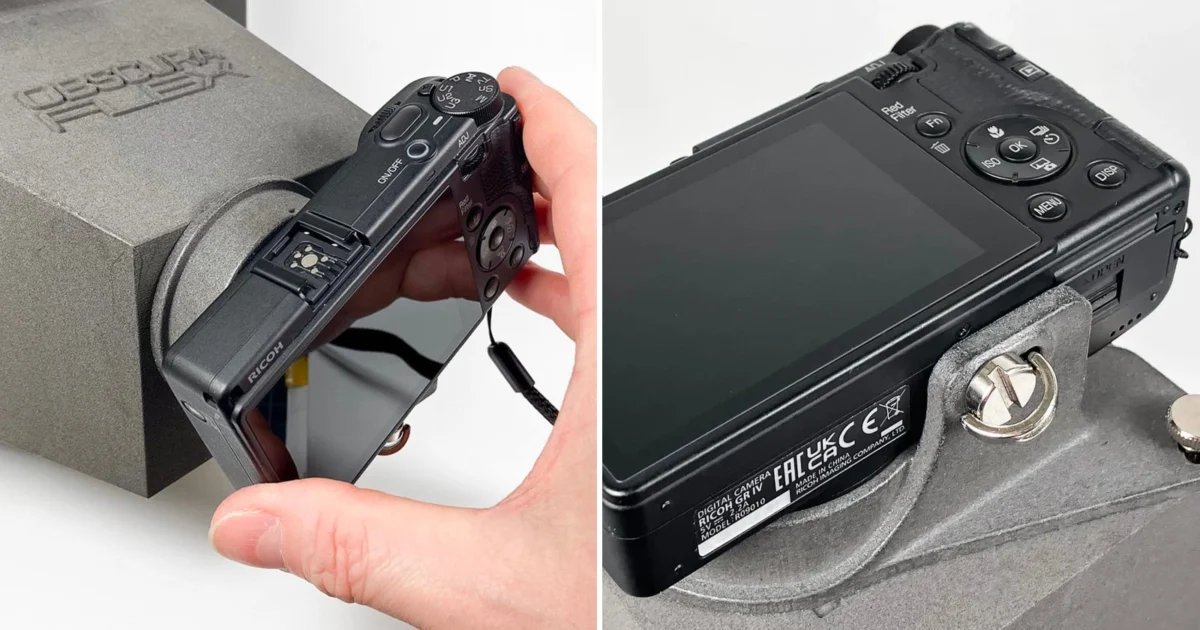
The evolution of hybrid imaging has reached a new milestone as ObscuraFlex, a specialized system designed to bridge the gap between vintage large-format cameras and modern digital capture, announces its transition from a smartphone-centric platform to one that supports dedicated compact digital cameras. This expansion marks a significant shift for photographers who utilize 4×5 systems and other adapted vintage platforms, offering a professional-grade digital back solution that maintains the tactile and optical characteristics of large-format photography while leveraging the superior sensor technology of dedicated imaging hardware.
Since its inception, the ObscuraFlex system has functioned as both a digital viewfinder and a full-frame digital back. By projecting the image from a large-format lens onto a specialized ground glass and capturing that projection with a secondary camera, the system allows photographers to achieve the depth of field and perspective shifts unique to large format without the high cost and logistical hurdles of traditional film processing or expensive medium-format digital backs. While the system initially prioritized the ubiquitous smartphone, specifically the iPhone, as its primary capture device, user demand and technical requirements have driven the development of a more robust, camera-specific ecosystem.
The Shift from Smartphones to Dedicated Sensors
The decision to move beyond a smartphone-first workflow stems from the inherent limitations of mobile devices in professional optical environments. Although modern smartphones offer impressive computational photography and high-resolution RAW output, they often struggle with physical bulk in adapted setups, fixed focal lengths that may not align perfectly with ground glass optics, and ergonomic constraints. Furthermore, professional users have frequently sought a solution that offers the tactile control, physical shutter, and superior thermal management of a dedicated camera.
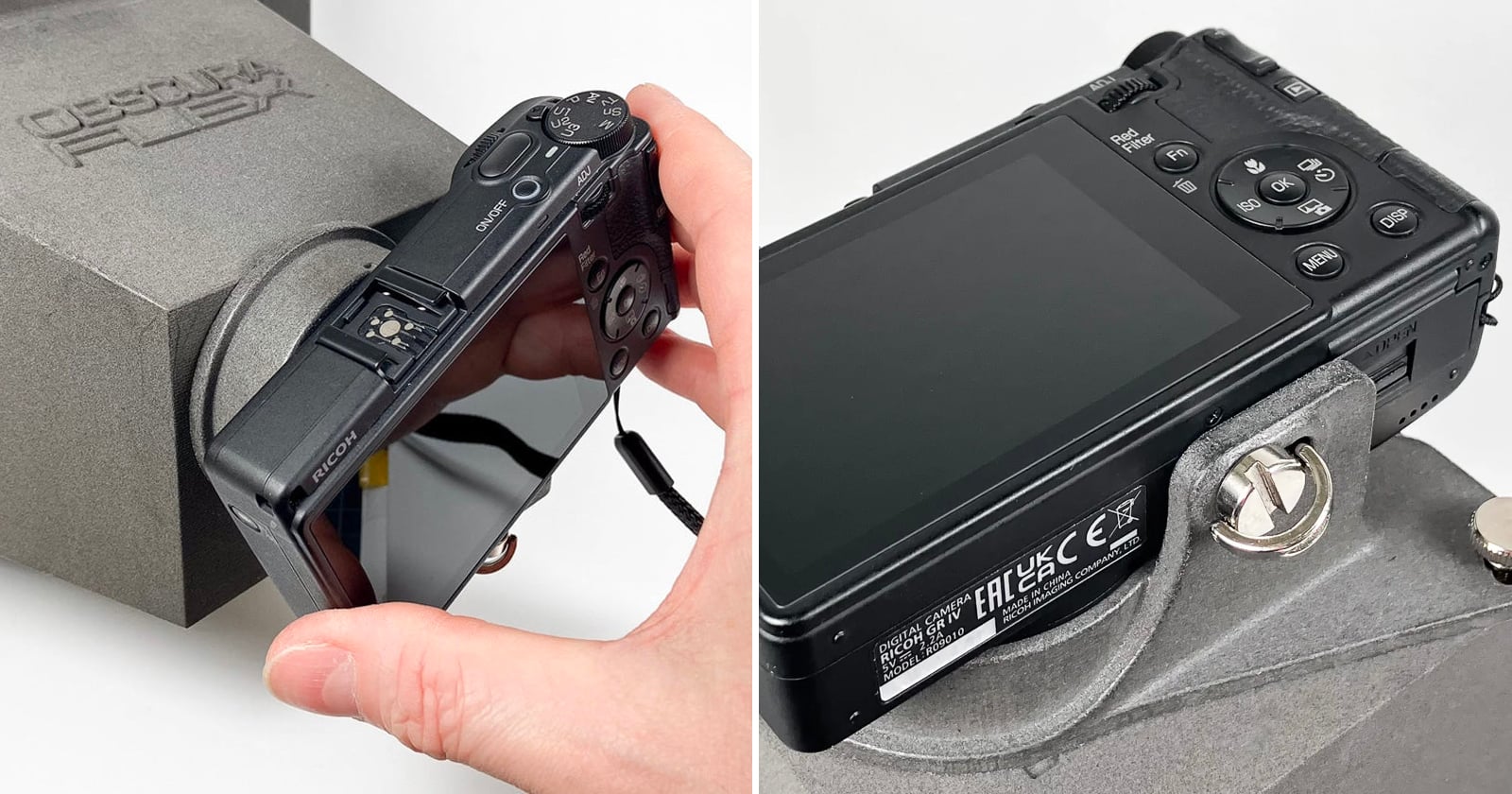
In response to these requirements, ObscuraFlex has identified the Ricoh GR series as the ideal hardware partner for its next phase of development. The rollout begins with official support for the Ricoh GR III and the newly released Ricoh GR IV, including the highly specialized Monochrome variants. The company has indicated that while the GR IIIx is currently excluded due to optical alignment constraints—specifically related to its 40mm equivalent focal length—the standard 28mm equivalent lenses of the GR III and GR IV provide the necessary field of view to capture the full area of the ObscuraFlex ground glass.
Engineering the Custom Mounting Cradle System
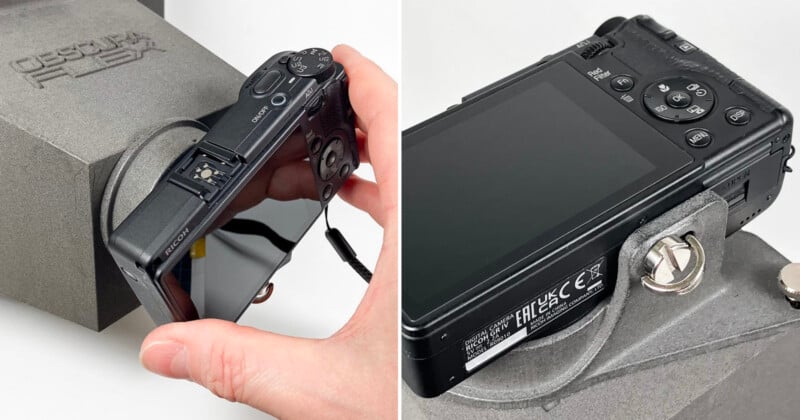
To facilitate this integration, ObscuraFlex has moved away from universal clamps in favor of a precision-engineered, camera-specific mounting cradle. This cradle system is the result of multiple prototype iterations, using the Ricoh GR IV Monochrome as the reference platform for physical dimensions and sensor alignment.
The mounting system employs a dual-point attachment strategy to ensure maximum stability and optical precision:
- Accessory Bayonet Integration: The cradle utilizes the Ricoh GR’s existing accessory bayonet mount, typically used for lens hoods or conversion lenses, to provide a primary point of alignment.
- Tripod Mount Security: To distribute weight and prevent rotational drift, the system also secures to the camera’s bottom 1/4-inch tripod socket.
This rigid connection is essential for handheld large-format photography, where the weight of a 4×5 camera can put significant stress on the digital capture interface. Furthermore, ObscuraFlex has introduced a new rotational adjustment mechanism within the twist-lock system. This allows photographers to fine-tune the horizon alignment, correcting for any slight mechanical variances between the large-format body and the digital capture unit.
Technical Synergy: Why the Ricoh GR Series?
The selection of the Ricoh GR series was not arbitrary; the cameras possess a specific set of technical specifications that align with the requirements of ground glass re-photography. One of the most critical factors is the Ricoh GR’s macro capability. The camera can focus as close as 30 millimeters, allowing it to sit close to the ObscuraFlex ground glass and fill the frame with the projected image without the need for additional corrective optics that could degrade image quality.
Weight also plays a pivotal role. A primary advantage of the ObscuraFlex system is its ability to make large-format photography more portable and "handheld-friendly." The Ricoh GR III/IV bodies weigh approximately 255 grams. For comparison, an iPhone 17 Pro Max weighs roughly 233 grams. This negligible weight difference means that photographers can upgrade from a smartphone to a large-sensor APS-C camera without significantly altering the balance or ergonomics of their 4×5 setup.
Beyond physical dimensions, the Ricoh GR series offers professional features that smartphones lack:
- High ISO Performance: With sensitivity reaching up to ISO 409,600, the Ricoh sensors can compensate for the light loss inherent in ground glass projection, allowing for faster shutter speeds in low-light environments.
- Manual Control: Dedicated dials for aperture, shutter speed, and ISO, along with a physical shutter button, provide a traditional photographic experience.
- Focus Assist: Manual focus with magnification assist ensures that the digital sensor is perfectly focused on the grain of the ground glass, a critical step for maximum sharpness.
- Storage and Power: Expandable SD card storage and swappable batteries allow for extended field use without the data management and battery drain concerns associated with smartphones.
Performance Analysis and Image Quality
Initial testing of the ObscuraFlex and Ricoh GR IV Monochrome pairing has yielded results that challenge traditional digital back expectations. In field tests conducted with a Graflex 4×5 camera, photographers captured images handheld at ISO 3200 with shutter speeds ranging from 1/60 to 1/100 of a second—a feat rarely attempted in traditional large-format photography.
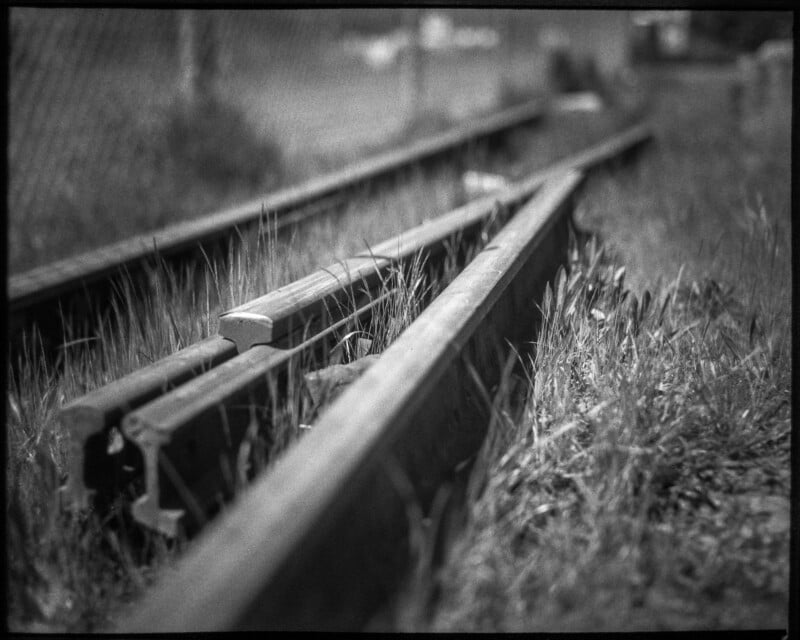
The resulting image files, when cropped to the 4×5 aspect ratio from the Ricoh’s RAW output, provide a resolution of approximately 6192 x 4128 pixels. This equates to a 25-megapixel output, which ObscuraFlex engineers compare to a 4×5 negative scanned at roughly 1,000 DPI. While high-end drum scans of film offer higher theoretical resolution, the ObscuraFlex system provides a "live" digital workflow with a tonal response that many testers find more natural and film-like than standard digital captures.
The Ricoh GR IV Monochrome has been particularly lauded for its grain structure. When paired with the texture of the ObscuraFlex ground glass, the resulting images possess a unique aesthetic that mimics the organic look of high-speed black-and-white film. This "analog-inspired rendering" is a key selling point for the system, targeting fine-art photographers who want the digital convenience of instant review without the "plastic" look of modern high-resolution sensors.
Chronology and Context: The Getty Images Connection
The expansion of the ObscuraFlex system arrives at a time when professional agencies are increasingly turning to experimental and hybrid workflows to differentiate their visual storytelling. A notable example of this trend occurred during the Milan Cortina Winter Games, where Getty Images photographers utilized ObscuraFlex technology in a high-stakes environment.
Photographers Pauline Ballet, Ryan Pierse, and Hector Vivas launched the "Back to the Future" project, which sought to replicate the visual language of the 1956 Winter Games in Cortina. By pairing vintage Graflex cameras with modern digital workflows—including the ObscuraFlex system—the team was able to produce imagery that felt historically grounded yet was delivered with the speed required for modern sports journalism.
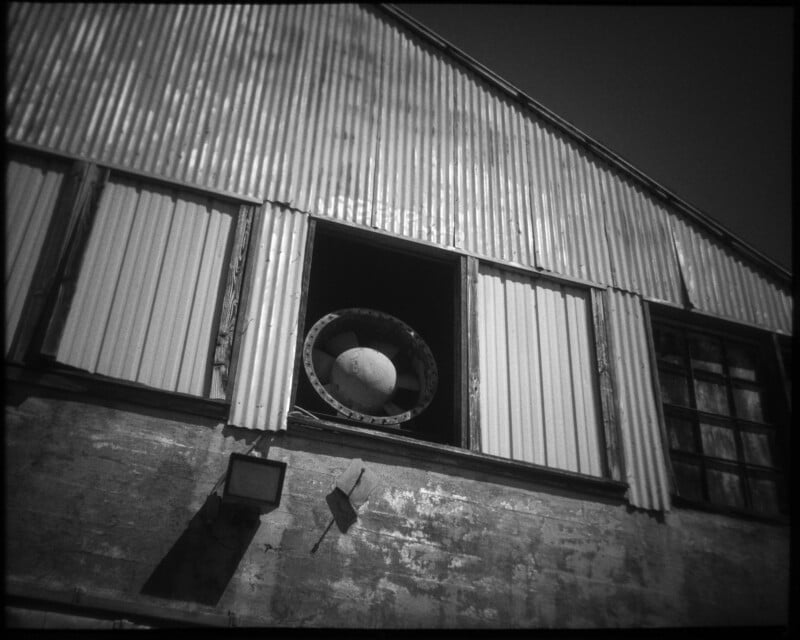
This project served as a "proof of concept" for the reliability of hybrid systems. The success of these photographers in capturing the Winter Olympics using modified mirrorless cameras, infrared systems, and large-format adapters provided the industry validation necessary for ObscuraFlex to pursue its expansion into dedicated compact cameras.
Future Roadmap and Market Implications
The current rollout is just the beginning of ObscuraFlex’s broader strategy to create a universal digital back interface. The company has confirmed that it is actively evaluating other compact camera systems for future cradle development. Potential candidates include:
- Leica D-Lux 7 and D-Lux 8: Favored for their color science and brand prestige among large-format enthusiasts.
- Panasonic Lumix Series: Specifically the new L10 and other compact Micro Four Thirds models, which offer excellent video capabilities for those using the ObscuraFlex for cinematography.
The implications of this technology are significant for the second-hand market of large-format equipment. By providing a relatively affordable way to turn a $500 vintage 4×5 camera into a digital powerhouse using a $1,000 compact camera, ObscuraFlex is democratizing a sector of photography that was previously reserved for those who could afford $20,000+ Phase One or Hasselblad backs.
Conclusion
The integration of the Ricoh GR series into the ObscuraFlex ecosystem represents a maturing of the hybrid photography market. No longer seen as a mere "DIY" solution for smartphone users, the system is evolving into a professional tool that respects the traditions of large-format photography while embracing the technical advantages of modern sensors. As the company continues to refine its mounting systems and expand its camera compatibility, the boundary between the analog past and the digital future of photography continues to blur, offering artists a new medium that prioritizes texture, depth, and the deliberate pace of the large-format workflow.

