


The Eastern Rosella (Platycercus eximius), a vibrant parrot species native to Australia, is renowned for its strikingly colorful plumage, making it one of the most visually arresting birds in its natural habitat and a sought-after companion in aviculture. Despite its moderate size, typically around 30 cm (12 inches) in length and weighing approximately 100 grams, its brilliant hues ensure it is anything but overlooked. Beyond its aesthetic appeal, the Eastern Rosella is known for its engaging and sociable personality, contributing to its popularity as a pet. This article delves into the fascinating world of the Eastern Rosella, exploring its natural history, ecological interactions, and the specific considerations for its care in a domestic setting.
A Dazzling Spectacle: Appearance and Identification
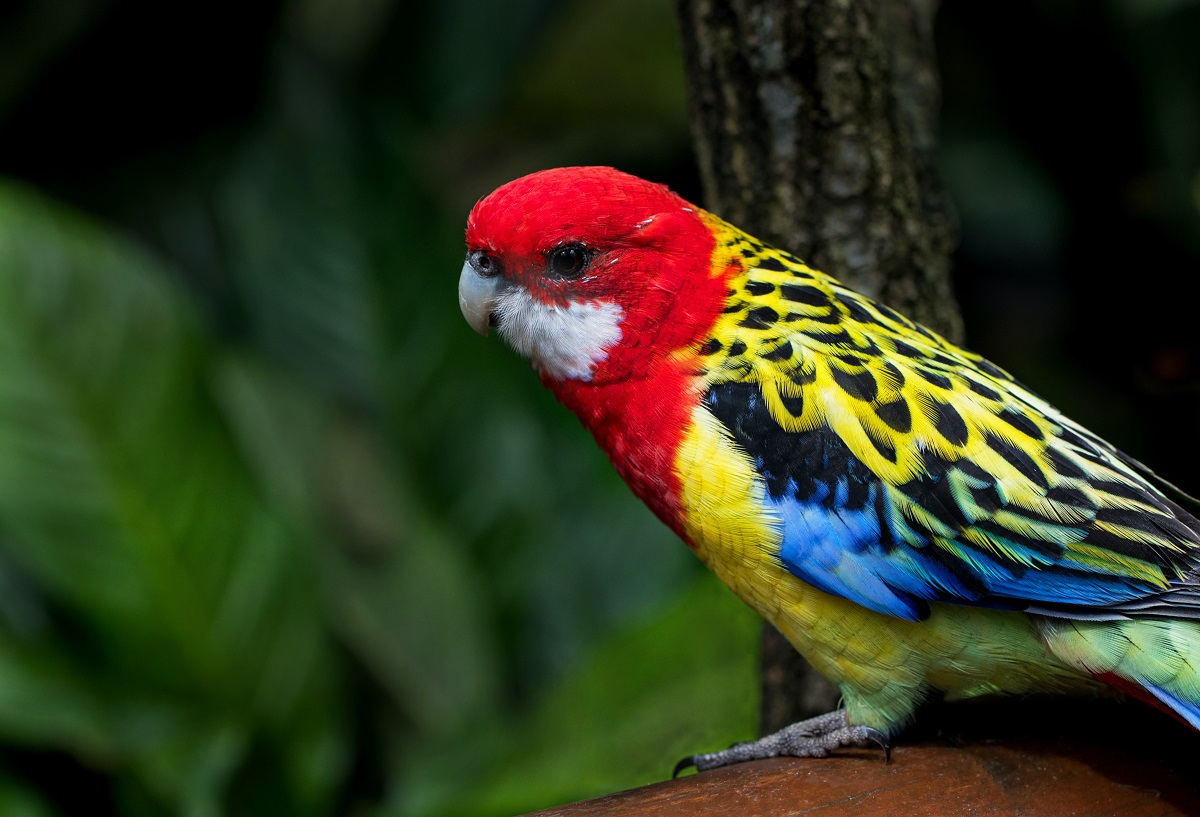
The Eastern Rosella’s appearance is a true testament to nature’s artistry. Adults display a vivid crimson head and chest, complemented by crisp white cheek patches. Their belly and "pants" transition to a yellow-green, while their upper wing feathers exhibit a beautiful scalloped pattern of yellow-green and black. The back is a rich green, contrasted by blue undersides of the wings and a long, elegant blue-green tail. This complex tapestry of colors makes immediate identification relatively straightforward in the wild.
Subspecies variations add further nuance to their appearance. Three recognized subspecies, each occupying a distinct geographical area, possess unique characteristics:
- Platycercus eximius eximius: The nominate subspecies, found in Tasmania and southeastern Australia.
- Platycercus eximius elecica: Typically found in northeastern New South Wales and southeastern Queensland, often displaying a brighter yellow on the belly.
- Platycercus eximius diemenensis: Exclusive to Tasmania, this subspecies is generally larger with more extensive white cheek patches.
Juvenile Eastern Rosellas present a slightly muted version of the adult plumage. Their colors are less intense, and their beaks begin as yellow, gradually transitioning to the characteristic white of the adults after their first molt, which typically occurs between two and six months of age. This initial molt is a crucial developmental stage, signaling their transition towards full maturity.
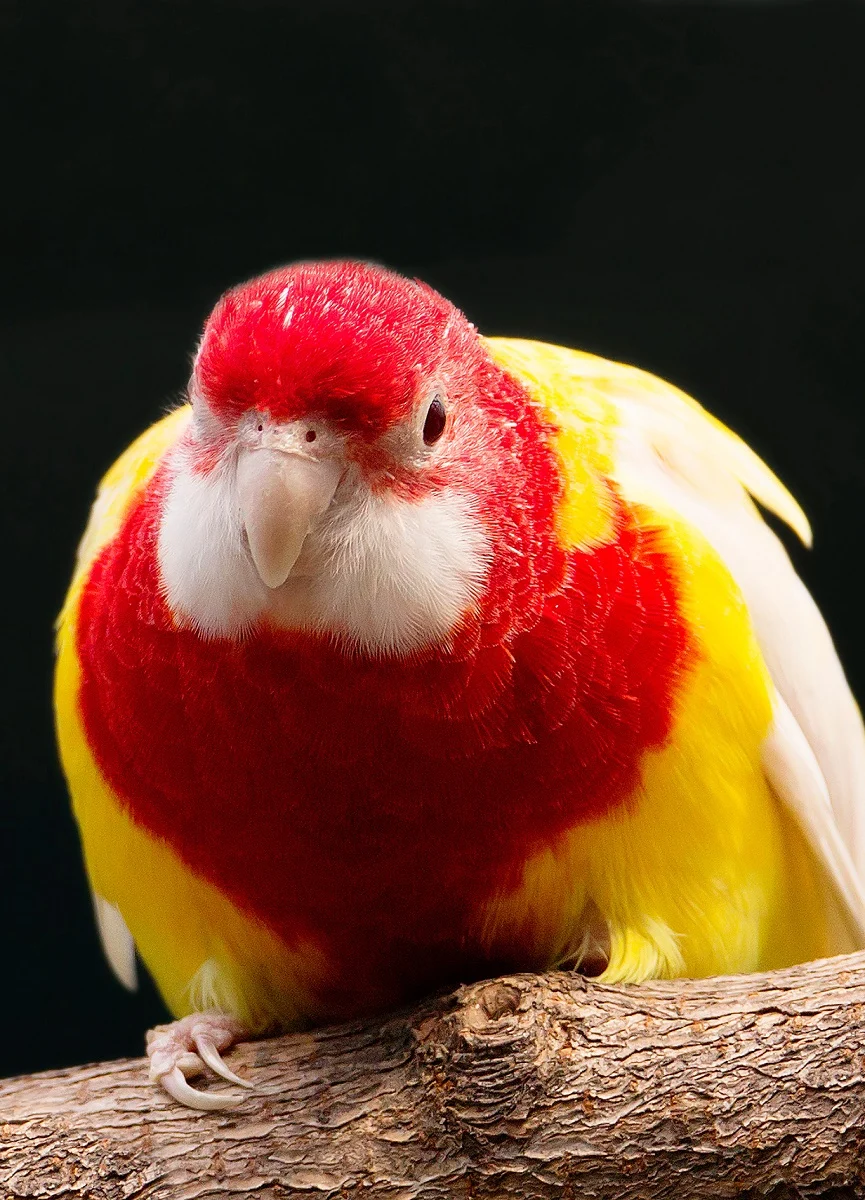
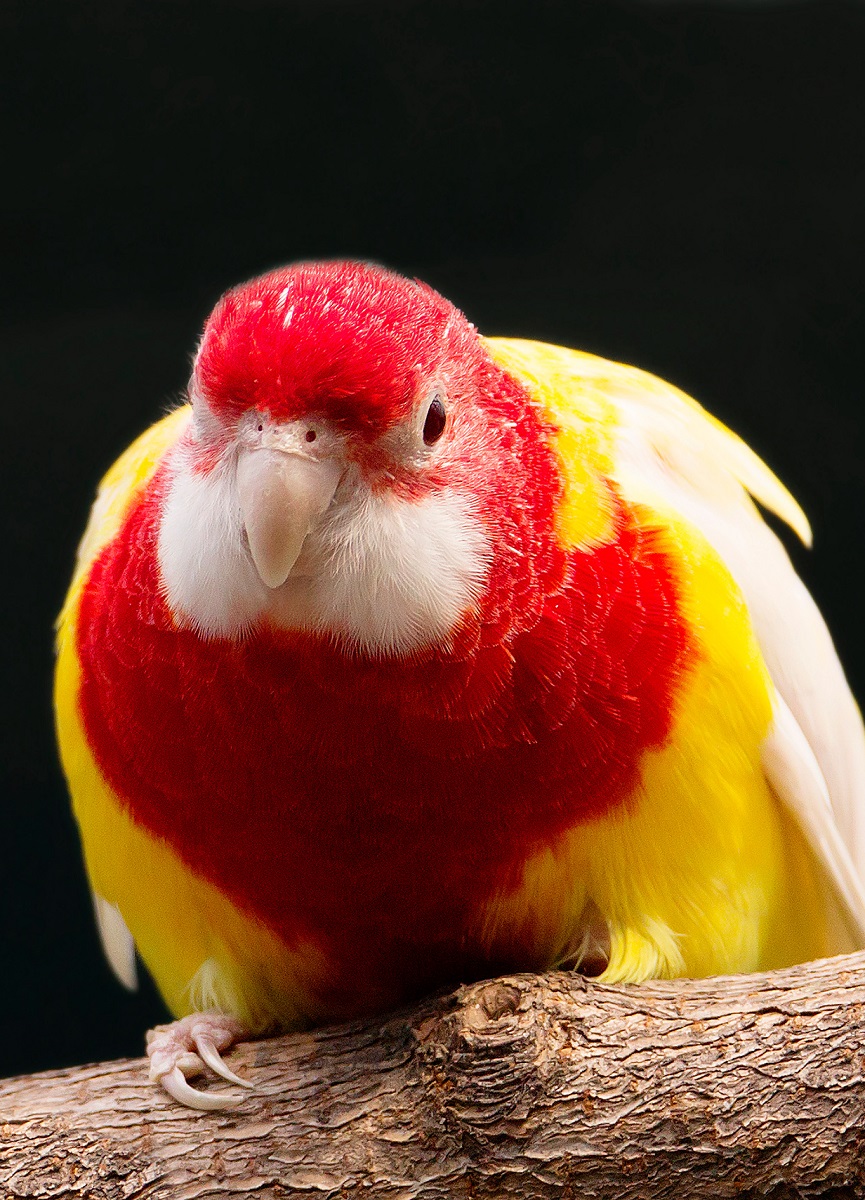
In the captive pet trade, selective breeding has led to the development of various color morphs, further diversifying the species’ visual spectrum. Rubino rosellas are a particularly common example, characterized by their striking red, yellow, and white coloration, completely lacking the natural blue, green, or black pigments. These captive-bred variations highlight the genetic diversity within the species and cater to aesthetic preferences among enthusiasts.
The Phenomenon of Hybridization
Birdwatchers occasionally report sightings of rosellas with unusual color patterns, a phenomenon often attributable to hybridization. Members of the genus Platycercus are known to interbreed, resulting in hybrid offspring in areas where their ranges overlap. Common hybrids include crosses between the Eastern Rosella and the Crimson Rosella (P. elegans), as well as the Eastern Rosella and the Pale-headed Rosella (P. adscitus). These hybrid birds can exhibit a fascinating blend of features from both parent species, often resulting in unique and visually captivating plumages. While striking, the occurrence of hybrids can sometimes complicate species identification and raise questions about genetic integrity in specific populations.
Sexual Dimorphism: Distinguishing Males from Females
For the discerning observer, adult Eastern Rosellas can be sexed visually, primarily by differences in their coloration. However, this distinction becomes apparent only after the bird has reached full maturity and completed its first molt.
- Males generally exhibit brighter, more intense plumage across all their colors, particularly the red on the head and chest. Their white cheek patches tend to be larger and more prominent.
- Females typically have duller overall coloration. The red on their head and chest may be less extensive or slightly more muted, and their white cheek patches are usually smaller. These differences, while subtle, are consistent enough for experienced individuals to differentiate between the sexes without genetic testing.
Geographic Distribution and Natural Environment
The Eastern Rosella’s nomenclature accurately reflects its natural range. This species is endemic to Eastern and Southeastern Australia, with established populations extending into the island state of Tasmania. Its preferred habitats are lightly wooded areas, including open forests, forest edges, patches of Eucalyptus trees, as well as more human-modified landscapes such as parks, orchards, and farmland. They thrive in regions with ample rainfall or reliable water sources and can be found at moderate altitudes, typically up to 1,250 meters (4,100 feet).
In the wild, Eastern Rosellas are generally observed in pairs or small family groups. They are also known to associate with other parrot and rosella species, particularly during foraging. Like many parrot species, they are cavity nesters, relying on hollows in trees for breeding and roosting.
An Introduced Species: The New Zealand Story
While native to Australia, the Eastern Rosella has established a significant presence in New Zealand, where it is classified as an introduced species. The presence of these populations is largely attributed to both accidental escapees from captivity and deliberate releases. Historical records indicate incidents such as the escape of 12 rosellas in Dunedin after their cage was destroyed, and a shipment being released by the NZ Customs Department in 1910 after entry was refused. These events, occurring over several decades, led to the successful establishment of multiple self-sustaining populations across the North and South Islands.
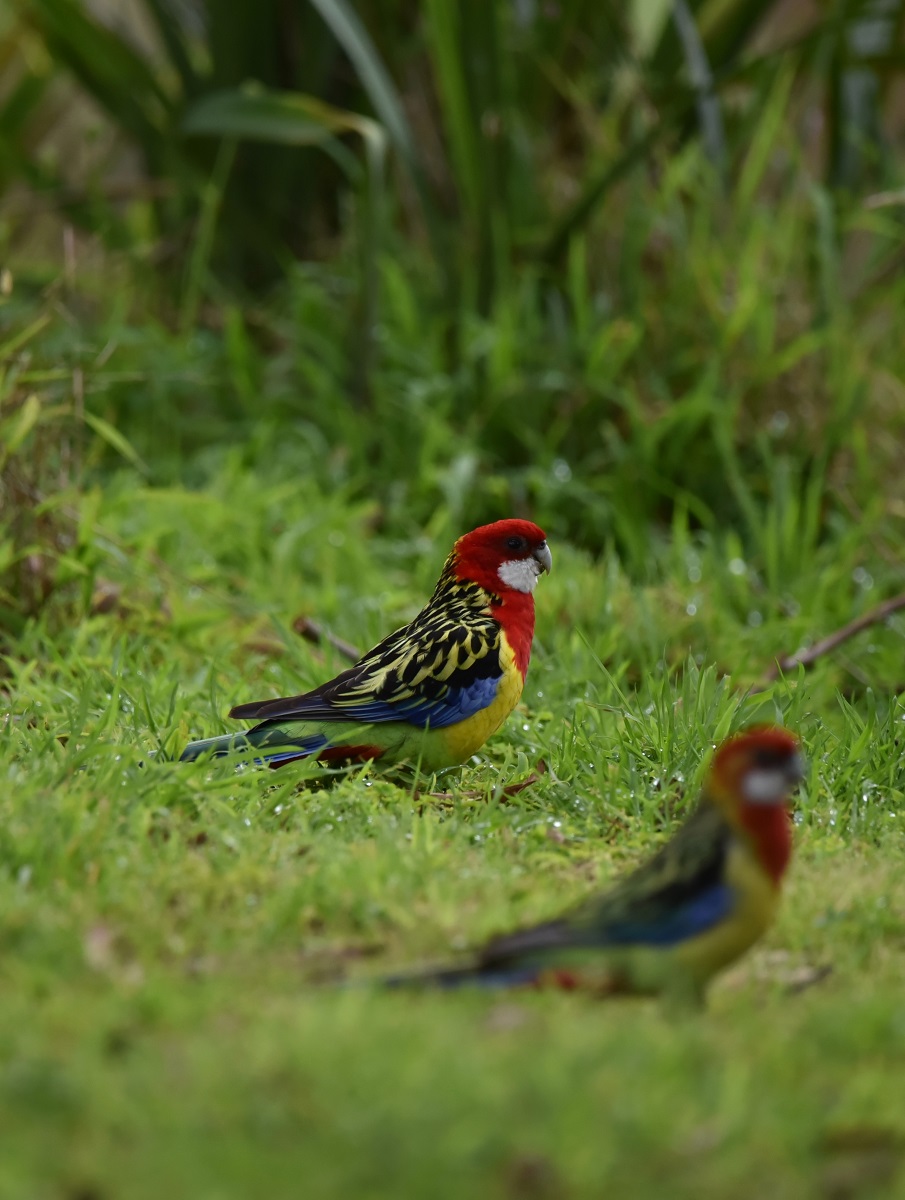
The introduction of non-native species often carries ecological implications. In New Zealand, the Eastern Rosella competes with native bird species for food resources, particularly seeds and fruits, and for vital nesting hollows. While its overall impact on native ecosystems is monitored, it serves as a case study in the complex dynamics of introduced wildlife and their interaction with indigenous fauna.
Conservation Status: A Paradox of Adaptability
The International Union for Conservation of Nature (IUCN) Red List currently classifies the Eastern Rosella as a species of "Least Concern." This favorable status is attributed to its wide natural range and an observed increase in population numbers. Ironically, this species’ success is partly linked to habitat degradation caused by human activity. The conversion of natural landscapes to agricultural land, while detrimental to many species, has inadvertently created an ideal environment for the Eastern Rosella. These modified landscapes provide abundant food sources in the form of cultivated crops, such as maize and various grains, allowing the species to flourish. This adaptability to anthropogenic changes highlights its resilience but also underscores the complex interplay between human impact and wildlife population dynamics.
Dietary Habits: Wild Foraging to Captive Nutrition
The Eastern Rosella’s diet is diverse and opportunistic, reflecting its adaptability to various environments.
In the Wild:
Their primary food source consists of seeds, with a particular fondness for thistle seeds. They also consume a wide array of fruits, including apples, berries, flowers, flower buds, and even insects. This varied diet provides them with the necessary nutrients for survival and reproduction.
However, this dietary flexibility has also placed them in direct conflict with human interests. For centuries, farmers in eastern Australia have regarded the Eastern Rosella, along with its rosella cousins, as an agricultural pest. Known for raiding orchards and causing significant damage to harvests, they have historically been targeted by farmers. Despite being protected by law, permits are still granted to farmers to cull rosellas if they can demonstrate substantial crop damage and the inefficacy of alternative deterrents. This ongoing conflict highlights the challenges of coexisting with adaptable wildlife in agricultural landscapes.
In Captivity:
Given their diverse wild diet, providing adequate nutrition for captive Eastern Rosellas is crucial and extends far beyond a simple seed mix. Veterinary professionals, including avian specialists, advocate for a base diet of high-quality, formulated pellets. These pellets are designed to provide a balanced nutritional foundation, preventing the deficiencies commonly associated with seed-only diets.
Supplementing the daily pellet ration with a wide variety of fresh produce is essential. Vegetables, such as leafy greens, carrots, bell peppers, and broccoli, should be offered daily. Fruits like apples, bananas, oranges, and berries can be provided a few times a week, ensuring a rich intake of vitamins and antioxidants.
Further enriching their diet can include sprouted seeds, which are highly nutritious and palatable, cooked grains like whole-wheat pasta or brown rice, and occasional treats such as millet sprays or small amounts of nuts. Protein sources, such as boiled eggs or freeze-dried mealworms, can also be offered periodically, especially during breeding seasons. Additionally, foraging for parrot-safe branches, weeds, and flowers can provide both nutritional benefits and vital enrichment. Understanding the nuances of a parrot’s diet is fundamental to ensuring their long-term health and well-being in captivity.
The Eastern Rosella as a Companion Animal
Eastern Rosellas are among the more commonly kept parrot species in aviculture, primarily valued for their stunning appearance and engaging personalities. They are particularly popular as aviary birds, though their territorial nature means careful consideration is needed if housing them with other species, as they may not coexist peacefully with smaller, less assertive birds like budgies.
For those seeking an indoor companion, a well-socialized Eastern Rosella can be an excellent choice. They are generally described as fun, active, curious, and social birds. While often more independent than some other parrot species, most rosellas genuinely enjoy spending time with their human caregivers, forming strong bonds when properly handled and socialized from a young age. Their relatively low noise level (for a parrot) also contributes to their suitability for indoor living.
Housing Requirements:
Providing adequate housing is paramount for the health and happiness of a captive rosella. As with all parrots, the principle of "the bigger, the better" applies to cage size. A minimum cage length of 1 meter (40 inches) is recommended to allow the bird ample space to stretch its wings and move comfortably. For safety, the cage bar spacing should not exceed 1.25 cm (0.5 inches) to prevent the bird from getting its head or body stuck.
The cage must be equipped with a variety of natural perches of differing diameters and textures to promote foot health and prevent pressure sores. Multiple food bowls and at least one source of fresh, clean water are also essential. A wide selection of parrot toys, designed for chewing, foraging, and shredding, should be provided and rotated regularly to prevent boredom and stimulate mental activity.
Enrichment and Mental Stimulation:
Parrots are highly intelligent creatures that require significant mental and physical stimulation to thrive. Boredom can lead to stress, feather plucking, and other undesirable behaviors. Therefore, a comprehensive enrichment program is vital for an Eastern Rosella.
- Variety of Toys: Offer a diverse range of toys made from bird-safe materials. Chew toys are crucial for beak health, while foraging toys encourage natural problem-solving behaviors.
- Foraging Opportunities: Integrate foraging into their daily routine by hiding treats in various parts of the cage or using specialized foraging devices.
- Training: Positive reinforcement training can be a highly enriching activity, teaching basic commands, tricks, and strengthening the bond between bird and owner.
- Socialization: Daily interaction with caregivers is essential. This can involve talking, playing, and supervised out-of-cage time. If possible and appropriate, consider a bonded pair to fulfill their social needs.
- Out-of-Cage Time: Supervised time outside the cage in a bird-proofed environment allows for exercise and exploration, crucial for their physical and mental well-being.
Noise Level and Talking Ability:
Compared to many other parrot species, Eastern Rosellas are not known for being excessively loud. While all parrots produce vocalizations, rosellas typically stick to softer whistles, chattering, and cheeps rather than piercing flock calls. This makes them more suitable for apartment living, provided walls are not unusually thin.
For those interested in their vocalizations, recordings are available through platforms like Xeno-Canto, which hosts a collection of bird calls, including those of Platycercus eximius.
Regarding talking ability, Eastern Rosellas can indeed learn to mimic sounds and even some words. While they may not be among the most prolific talking parrots like African Greys, many owners report their rosellas imitating household noises, whistles, and with consistent training and patience, can pick up a limited vocabulary or even short tunes. Their intelligence makes them capable learners, even if their primary vocalizations are not speech-based.
Safety and Emergency Preparedness:
Due to their inherent curiosity and delicate nature, parrots can easily encounter hazards in a domestic environment. It is crucial for owners to parrot-proof any area their rosella has access to, removing toxic plants, securing windows, covering electrical cords, and being mindful of household fumes (e.g., from non-stick cookware, cleaning products). Owners should also be familiar with basic parrot emergency care protocols and have access to an avian veterinarian for prompt medical attention when needed.
Broader Implications and Responsible Ownership
The Eastern Rosella’s story is one of striking beauty, ecological adaptability, and complex interactions with human society. Its thriving populations in Australia, ironically boosted by agricultural expansion, present a challenge for farmers while highlighting the species’ resilience. Its establishment as an introduced species in New Zealand underscores the broader ecological implications of human-mediated species introductions.
For those considering an Eastern Rosella as a pet, responsible ownership is paramount. This involves committing to a long-term relationship, as these birds can live for 20-30 years. Providing a spacious, enriching environment, a balanced diet, consistent social interaction, and regular veterinary care are fundamental. Understanding their territorial instincts and specific behavioral needs ensures that both the bird and its human companions can enjoy a harmonious existence. The Eastern Rosella, whether glimpsed in the wild Australian bush or cherished in a domestic setting, remains a testament to the vibrant diversity of the avian world.

