


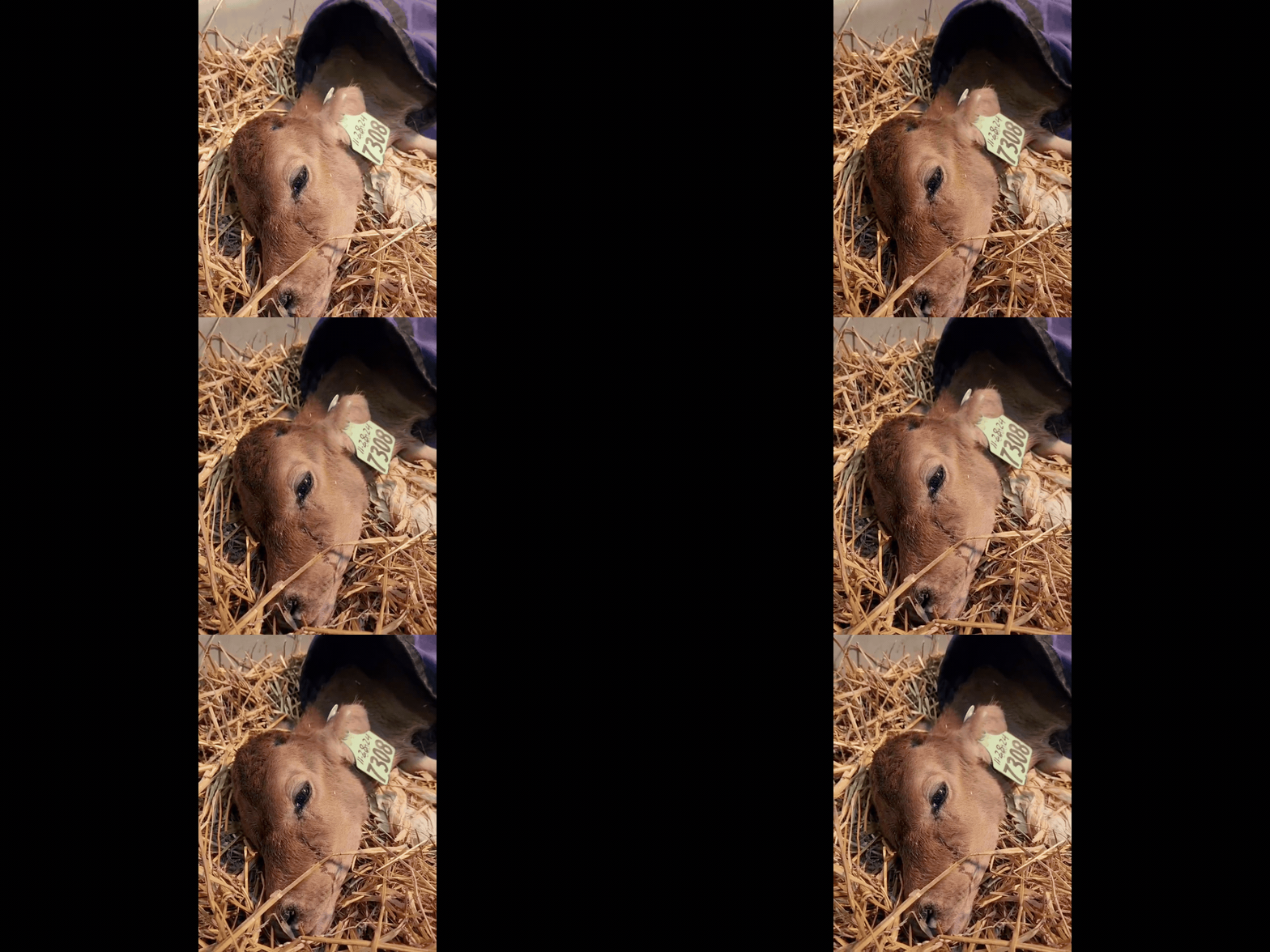
A series of internal documents, photographs, and video recordings released by a whistleblower have sparked a formal investigation and public debate regarding the treatment of livestock at B&D Dairy, a facility located on the outskirts of Holstein, Iowa. The evidence, which was obtained and publicized by People for the Ethical Treatment of Animals (PETA) in June 2026, alleges a pattern of systemic neglect, specifically concerning the podiatric health of the herd and the conditions of their confinement. According to the whistleblower, who claims to have witnessed these conditions over several months, the facility has failed to provide necessary veterinary care for cows suffering from advanced lameness, hoof rot, and chronic physical trauma resulting from permanent residence on concrete surfaces.
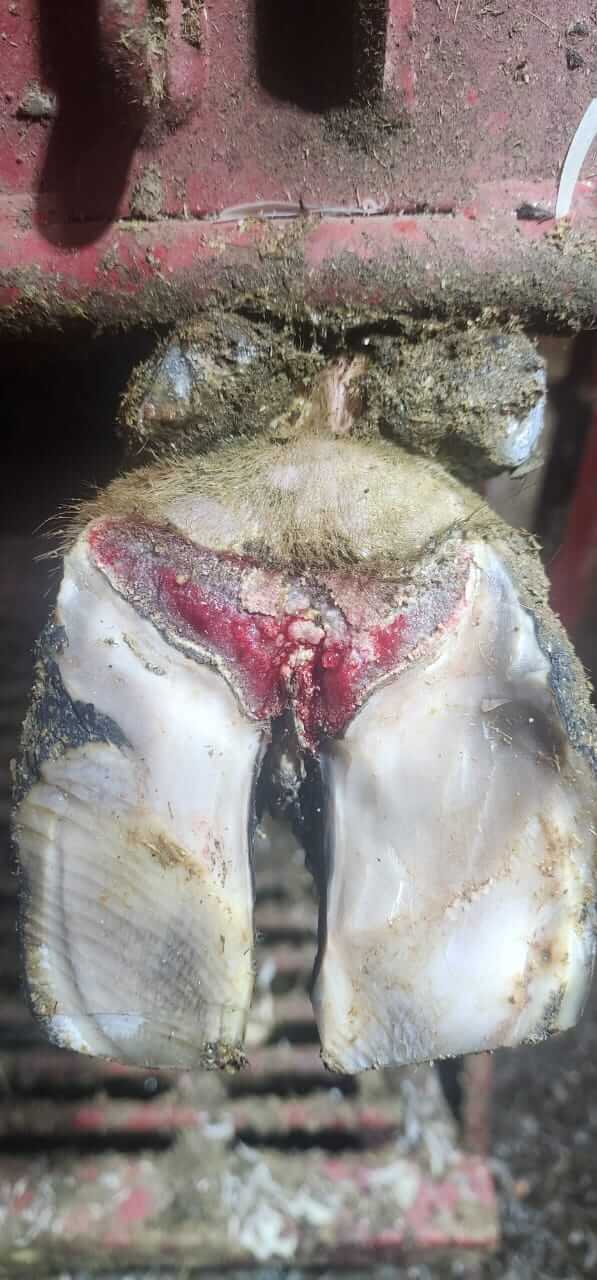
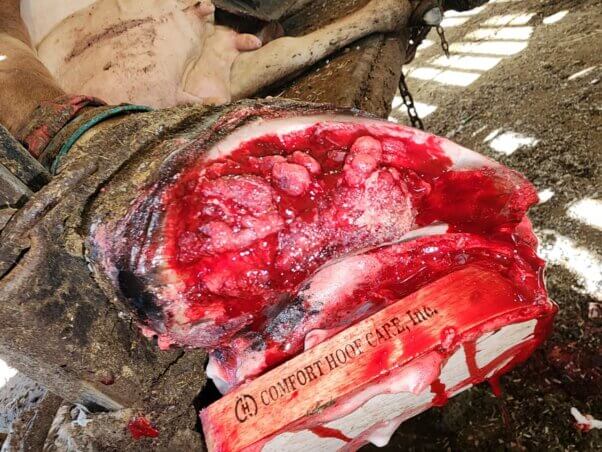
The documentation provided includes graphic depictions of cows with hooves described as "rotten" and "dripping blood." In several instances, the footage shows cattle attempting to navigate the facility on hooves that have become severely overgrown and curled, a condition that typically indicates a lack of routine maintenance and trimming. Veterinary experts note that such neglect can lead to deep hoof lesions and secondary infections, which, if left untreated, cause excruciating pain and permanent mobility issues. The whistleblower alleges that these conditions were not isolated incidents but were pervasive across a significant portion of the herd, with some cows remaining in a state of visible distress for months without intervention.
Chronology of the Allegations and Investigation
The timeline of the current controversy began in early 2026, when an individual employed at or associated with B&D Dairy began documenting what they perceived as violations of standard animal welfare practices. Between January and May 2026, the whistleblower recorded various stages of bovine health decline. The documentation suggests that cows were permanently confined to indoor sheds with hard concrete floors, a common practice in intensive dairy farming that has long been scrutinized by animal welfare advocates for its impact on joint and hoof health.
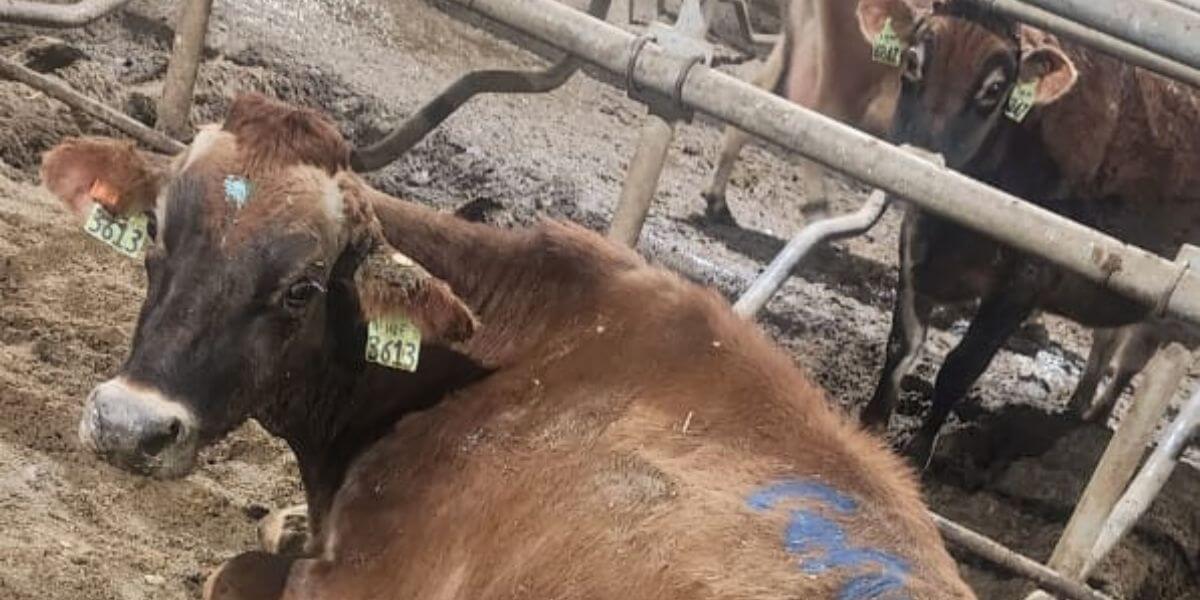
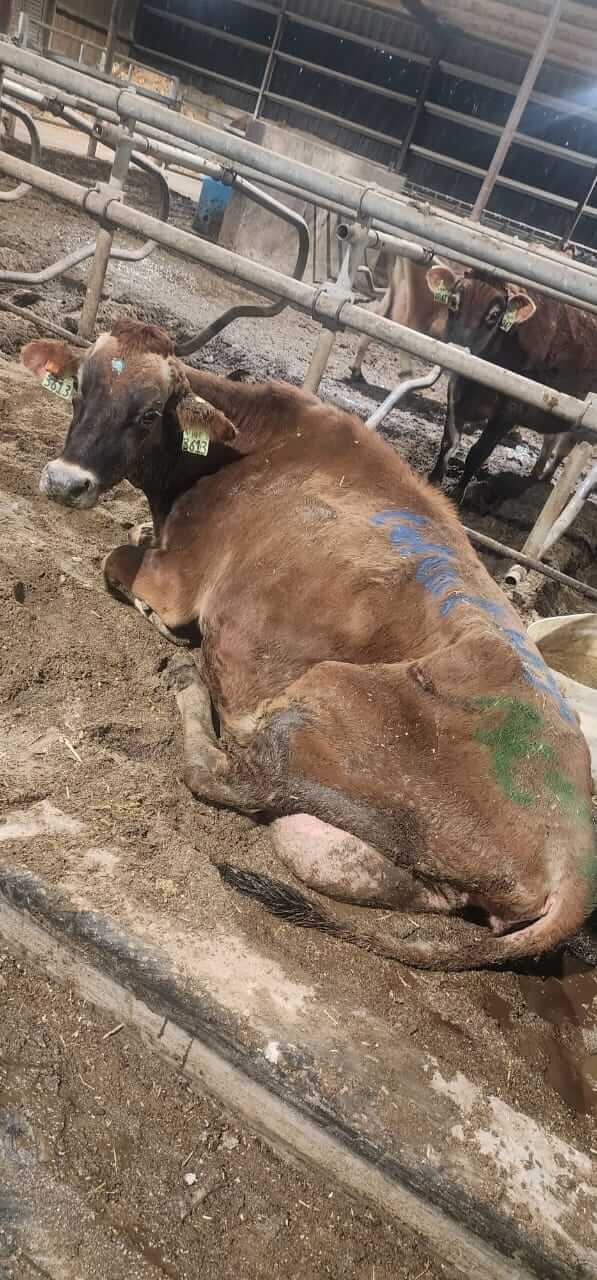
By June 2026, the compiled evidence was turned over to PETA, which subsequently filed complaints with local and state authorities. The report specifically highlights the "non-ambulatory" or "downer" status of several cows, asserting that animals unable to stand or walk were left on the concrete floor rather than being provided with soft bedding or immediate euthanasia, as suggested by industry best practices. Following the public release of this information, calls for an independent audit of B&D Dairy have intensified, placing the Holstein facility at the center of a broader national conversation regarding the oversight of industrial dairy operations.
Technical Analysis of Bovine Hoof Health and Confinement
The primary focus of the whistleblower’s report centers on lameness, which is widely recognized as one of the most significant welfare and economic challenges in the dairy industry. In a controlled agricultural environment, hoof health is maintained through a combination of proper nutrition, regular trimming, and appropriate flooring. However, when cattle are kept on abrasive, non-yielding surfaces like concrete for 24 hours a day, the risk of "Digital Dermatitis" (hairy heel warts) and "Foot Rot" increases exponentially.
Data from the United States Department of Agriculture (USDA) and various veterinary research institutions indicate that lameness affects approximately 15% to 25% of the U.S. dairy herd at any given time. The allegations against B&D Dairy suggest a prevalence far exceeding these averages. Overgrown hooves, as seen in the whistleblower’s photos, lead to an uneven distribution of weight, causing the cow to shift its gait. This compensatory movement often results in "Sole Ulcers" and "White Line Disease," where the internal structures of the hoof begin to hemorrhage or separate. The presence of blood, as documented in the report, indicates that these conditions reached an advanced stage where the sensitive laminae of the hoof were exposed to the environment and bacterial pathogens.
Industry Standards vs. Documented Conditions
The dairy industry in the United States largely adheres to the National Milk Producers Federation’s (NMPF) Farmers Assuring Responsible Management (FARM) program. This program sets guidelines for animal care, including the requirement that "animals are provided with a environment that is clean, dry, and provides comfortable resting areas." Furthermore, the FARM program stipulates that producers must have a written protocol for managing non-ambulatory animals and that those with terminal illnesses or injuries must be humanely euthanized in a timely manner.
The evidence from B&D Dairy appears to contrast sharply with these voluntary industry standards. The whistleblower’s account describes a "milk machine" mentality, where the biological needs of the cows were secondary to production quotas. This includes the practice of removing newborn calves from their mothers within hours or days of birth—a standard industry practice designed to maximize the volume of milk available for human consumption but one that remains a focal point for ethical criticism due to the disruption of maternal bonding.
Broader Context of the Iowa Dairy Industry
Iowa is a significant player in the American dairy landscape, ranking among the top 12 states in milk production. The state’s dairy industry contributes billions of dollars to the local economy and supports thousands of jobs. However, the shift toward "mega-dairies"—operations housing thousands of cows in concentrated animal feeding operations (CAFOs)—has led to increased scrutiny.
The B&D Dairy case is not the first instance where an Iowa-based facility has faced allegations of cruelty. The state has been a battleground for "Ag-Gag" legislation, which seeks to criminalize the undercover filming or photographing of agricultural operations without the owner’s consent. While proponents of these laws argue they protect farmers from industrial espionage and harassment, critics argue they serve to shield animal abuse from public view. The fact that a whistleblower came forward in this instance highlights the ongoing tension between agricultural privacy and the public’s right to know how food is produced.
Economic and Legal Implications
The fallout from the PETA report is expected to have multi-faceted implications. Legally, B&D Dairy could face investigations into potential violations of Iowa’s livestock neglect laws. Under Iowa Code Chapter 717, "Livestock Neglect" occurs when a person who impounds or confines livestock fails to provide "care consistent with customary animal husbandry practices." If the conditions documented by the whistleblower are found to be outside the bounds of "customary practice," the operators could face misdemeanor charges, fines, and the potential seizure of animals.
Economically, reports of this nature often lead to "brand damage" for the processors and retailers that source milk from the accused farm. Major dairy cooperatives and retail giants have increasingly adopted "zero-tolerance" policies for animal abuse in their supply chains. If B&D Dairy is found to be in violation of these contracts, they could lose their primary market access, which often leads to the closure of the facility.
Scientific Perspectives on Cattle Welfare
Animal behaviorists and veterinarians emphasize that cows are sentient beings with complex social structures and a high capacity for pain. Dr. Temple Grandin, a world-renowned expert in livestock welfare, has long advocated for "objective scoring" of lameness and body condition to ensure that neglect is caught early. In her research, Grandin notes that lameness is not just a welfare issue but a productivity issue; lame cows produce less milk, have lower fertility rates, and are more likely to be culled early.
The whistleblower’s report suggests that the cows at B&D Dairy were "burned out"—a term used when a cow’s physical health fails after only a few years of intensive production. While a cow’s natural lifespan can exceed 20 years, the average dairy cow in an industrial setting is sent to slaughter at age four or five, often due to lameness or mastitis (infection of the udder).
Public and Corporate Reactions
While B&D Dairy has not yet released a comprehensive formal statement, industry advocates often point out that the dairy sector is under extreme economic pressure. Rising feed costs, labor shortages, and fluctuating milk prices have squeezed the margins of family-owned and industrial dairies alike. However, animal rights organizations argue that economic hardship does not excuse the failure to provide basic medical care.
In response to the report, PETA has renewed its call for consumers to transition to plant-based dairy alternatives. The organization argues that the systemic nature of these issues—confinement, calf separation, and early slaughter—is inherent to the dairy industry regardless of the specific farm. Market data supports a significant shift in consumer behavior; the global dairy alternatives market was valued at over $25 billion in 2023 and is projected to continue its rapid growth as more consumers cite animal welfare and environmental concerns as their primary motivators for switching.
Conclusion and Future Outlook
The investigation into B&D Dairy serves as a critical case study in the ongoing evolution of agricultural transparency. As technology makes it easier for whistleblowers to document and disseminate information, the "closed doors" of the dairy industry are becoming increasingly porous. The evidence from Holstein, Iowa, presents a challenging narrative for an industry that frequently markets itself through images of cows in green pastures.
The resolution of this case will likely depend on the rigor of the investigation conducted by Iowa authorities and the willingness of the dairy industry to address the root causes of chronic lameness and neglect in concentrated environments. For now, the images of "rotten hooves" and "bleeding lesions" remain a stark reminder of the physical toll that intensive milk production can take on livestock, fueling the drive for both legislative reform and shifts in global dietary patterns.

