


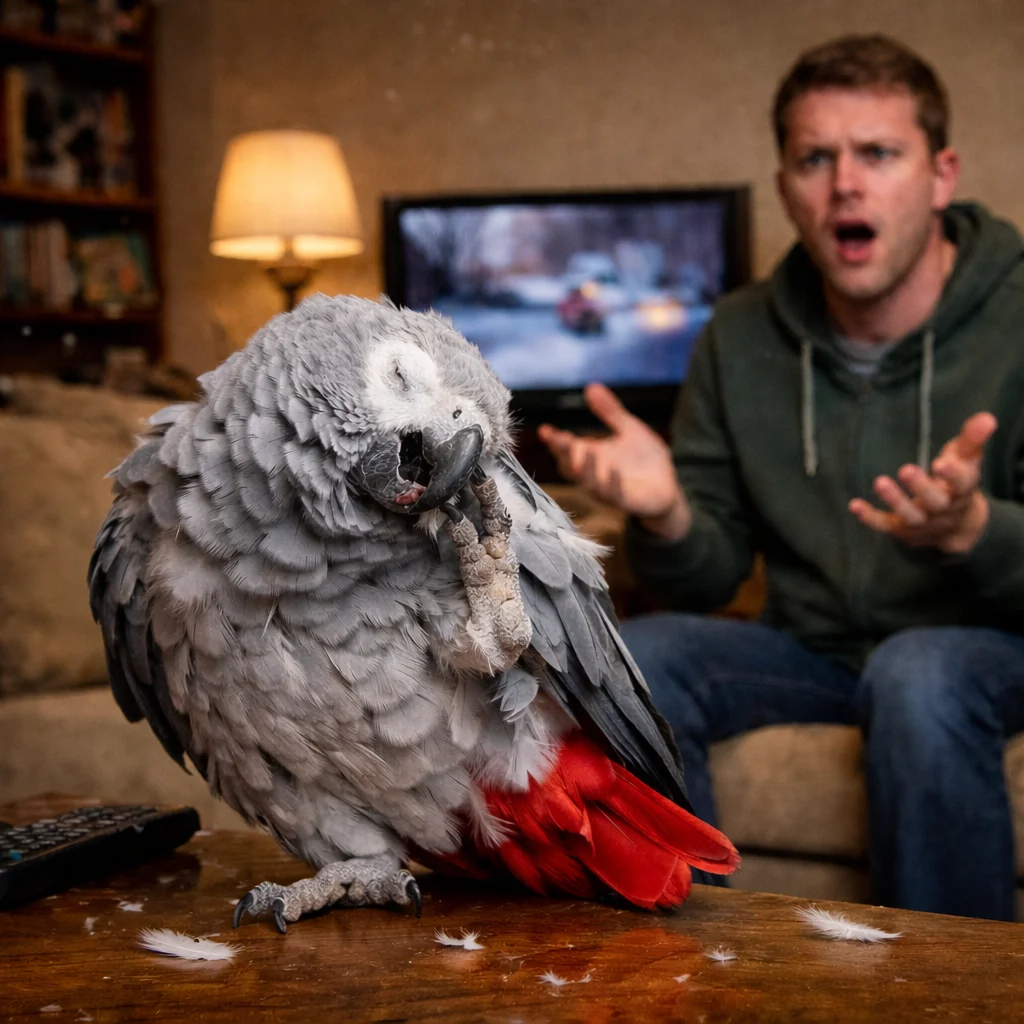
For owners of companion birds, the annual molting process often presents a perplexing challenge: discerning between the natural discomfort of feather regrowth and the concerning onset of feather destructive behavior (FDB), commonly known as feather plucking. This critical distinction is paramount for avian welfare, as early identification and intervention can significantly impact a bird’s long-term health and psychological well-being. While molting is a physiologically demanding yet entirely normal cycle, FDB represents a complex behavioral or medical issue requiring careful attention. This article explores the nuances of avian molting, the indicators of problematic behavior, and the expert-backed strategies for supporting birds through these phases.
Understanding the Avian Molting Cycle: A Biological Imperative
Molting is a vital biological process for all birds, involving the systematic shedding of old, worn feathers and their replacement with new, healthy ones. This ensures the integrity of the bird’s plumage, which is essential for flight, thermoregulation, protection from elements, and even social signaling. The process is not merely superficial; it involves a significant physiological investment. New feathers, primarily composed of keratin protein, emerge from follicles in the skin, pushing out the old feathers. This growth phase is often encapsulated within a waxy sheath, known as a pin feather, which the bird meticulously preens away once the feather matures.
The timing and duration of molts vary widely among species and individuals, influenced by factors such as age, season, diet, hormone levels, and environmental conditions like light cycles. Many species undergo one or two major molts annually, while others may experience continuous or partial molts throughout the year. For instance, smaller passerine birds might have more frequent, less intense molts, whereas larger parrots may have a single, more protracted annual molt. This natural cycle, while essential, is inherently uncomfortable, akin to a human growing multiple new teeth simultaneously or experiencing widespread skin irritation. The skin around emerging feathers can be sensitive, itchy, and even mildly painful, leading to increased preening and scratching, which is a normal response to alleviate this sensation.
The Critical Distinction: Molt Discomfort Versus Feather Destructive Behavior
The central dilemma for many bird owners lies in differentiating normal molting behavior from the initial stages of FDB. While both involve increased interaction with feathers, the underlying motivations and outcomes are drastically different. Normal molting discomfort manifests as heightened preening, scratching with feet or beak, and rubbing against surfaces, typically focused on areas where new feathers are emerging. This behavior is generally intermittent, allowing the bird to disengage and return to other activities like eating, playing, or resting. The goal is to remove the keratin sheaths from new feathers and arrange the plumage.
In contrast, FDB, often referred to as feather plucking, is characterized by an abnormal, obsessive focus on feathers, leading to damage, breakage, or complete removal. Early signs of FDB can be subtle, mimicking intense molting. However, key indicators of concern include:
- Fixation: The bird becomes intensely focused on a specific area or feather, often to the exclusion of other activities. This focus is difficult to interrupt.
- Damage: Feathers are broken, chewed, bent, or pulled out entirely, often leaving bare patches or irregularly shaped feathers. Unlike molting, where old feathers fall out naturally, FDB involves active destruction.
- Skin Irritation: The skin beneath the damaged feathers may appear red, inflamed, or even develop lesions due to excessive manipulation.
- Lack of Disengagement: The bird struggles to stop plucking or chewing, even when presented with favored food, toys, or social interaction.
- Pattern of Loss: While molting typically involves a symmetrical and orderly shedding of feathers, FDB often results in uneven, localized, or abnormal feather loss patterns, particularly in areas the bird can reach with its beak (e.g., chest, wings, legs, back). Areas like the head, which are difficult for the bird to reach, often remain fully feathered, a tell-tale sign of self-inflicted damage.
Avian behavior specialists, such as Diane Burroughs, LCSW, emphasize that the "key question isn’t how dramatic it looks — it’s whether your bird can disengage and return to normal behavior." This ability to shift focus away from feather manipulation is a critical marker of normalcy.
Physiological and Environmental Underpinnings of Molt Intensity
The intensity of a bird’s molt can be significantly influenced by its overall health, nutrition, and environment. Feathers are approximately 90% protein, making dietary protein intake crucial during molting. Beyond protein, specific micronutrients play a vital role in feather and skin health.
- Vitamin A: Essential for healthy epithelial tissue, including skin and feather follicles. Deficiencies can lead to dry, flaky skin, poor feather quality, and increased irritation during molting. A rough molt is often one of the first visible signs of chronic vitamin A deficiency, common in birds on seed-heavy diets.
- Essential Fatty Acids (EFAs): Omega-3 and Omega-6 fatty acids are crucial for skin barrier function and reducing inflammation. A diet lacking in EFAs can result in dry, itchy skin, making the molting process more uncomfortable.
- Other Nutrients: Calcium, phosphorus, and various B vitamins are also involved in feather production and overall metabolic health.
Beyond nutrition, environmental factors can exacerbate molting discomfort. Low humidity can dry out a bird’s skin and pin feathers, making them itchier. Inadequate opportunities for bathing or misting prevent the natural softening of pin feather sheaths, prolonging discomfort. Furthermore, chronic stress, whether from an unsuitable environment, lack of social interaction, or perceived threats, can impact a bird’s immune system and hormonal balance, potentially leading to more intense molts or even triggering FDB.
Recognizing the Red Flags: A Chronology of Concern
Understanding the progression from normal molt to potential FDB is crucial for timely intervention. This can be viewed as a chronology of escalating concern:
-
Initial Observations (Weeks 1-2 of noticeable molt):
- Slight increase in preening and scratching, often more vigorous than usual.
- Presence of numerous pin feathers, especially around the head and neck.
- Bird may appear slightly irritable or "grumpy."
- Behavior is intermittent; the bird still engages in play, eating, and social interaction.
- Feathers are shed naturally, with new feathers emerging.
-
Developing Concern (Weeks 3-4, or if behavior persists/intensifies):
- Preening and scratching become more sustained and focused on specific body areas.
- The bird might spend extended periods grooming, seemingly unable to settle.
- Minor feather damage, such as bent or slightly frayed tips, may become visible.
- The bird’s temperament may show more consistent irritability or withdrawal.
- Still, the bird can usually be distracted, albeit with more effort.
-
Escalation and Fixation (Beyond 4 weeks, or if signs rapidly worsen):
- Intense, repetitive plucking or chewing of feathers, often leading to bald patches or significant feather damage.
- The bird appears fixated, ignoring environmental stimuli or attempts at distraction.
- Skin may show signs of irritation, redness, or even open wounds.
- Behavioral changes become more pronounced, possibly including lethargy, aggression, or self-mutilation.
- Feather regrowth in damaged areas is inhibited or immediately destroyed. This stage warrants immediate veterinary attention.
The "real red flag," as many experts agree, is fixation – a repeated, obsessive focus on one spot that cannot be interrupted by normal activities like eating, resting, or play. This signals a shift from physiological discomfort to a behavioral or underlying medical problem.
Expert Perspectives and Proactive Interventions
Avian veterinarians and behavior specialists universally recommend a proactive approach to molting to mitigate discomfort and prevent the onset of FDB. Diane Burroughs, founder of UnRuffledRx, advocates for "calm, steady, and science-backed care" during this period.
Key recommendations include:
- Optimized Nutrition: Transitioning to a high-quality, pelleted diet supplemented with fresh vegetables, fruits, and appropriate sprouts is crucial. Specifically, ensuring adequate vitamin A (e.g., dark leafy greens, carrots, sweet potatoes) and essential fatty acids (e.g., flaxseed, chia seeds, specific avian supplements under veterinary guidance) can significantly support skin and feather health. Avoiding seed-heavy diets, which are notoriously deficient, is paramount.
- Environmental Enrichment: A stimulating environment with a variety of appropriate toys, foraging opportunities, and different perch textures can distract a bird from excessive preening and reduce stress. Regular bathing or misting helps soften pin feather sheaths, alleviating itchiness and dryness. Maintaining appropriate humidity levels in the bird’s environment is also beneficial.
- Stress Reduction: A consistent daily routine, adequate sleep in a dark, quiet environment, and a calm household can help reduce overall stress levels. Minimizing sudden changes or perceived threats can prevent anxiety that might exacerbate molting discomfort.
- Behavioral Support: Gentle preening by the owner (if the bird tolerates it and has a strong bond), focusing on hard-to-reach areas like the head and neck, can provide relief. Offering warm baths or showers can also be soothing.
Conversely, certain actions can inadvertently worsen the situation:
- Punishing Plucking: Yelling, scolding, or spraying water on a bird that is plucking will only increase stress and anxiety, potentially intensifying the behavior.
- Ignoring the Issue: Hoping the problem will resolve itself can allow FDB to become entrenched and harder to treat.
- Over-handling Irritated Areas: While gentle preening can help, excessive touching of sensitive pin feathers or irritated skin can cause further discomfort or even pain.
- Introducing Drastic Changes: During a stressful period like molting, introducing new foods, cages, or routines can add to a bird’s anxiety.
Broader Implications for Avian Welfare and Pet Ownership
The issue of distinguishing normal molt from FDB carries significant implications for avian welfare and responsible pet ownership. Feather destructive behavior is one of the most common and challenging problems encountered in captive parrots, affecting an estimated 10-15% of the population, with some studies suggesting even higher prevalence in certain species. Untreated FDB can lead to chronic skin infections, pain, systemic illness, and a severely diminished quality of life for the bird. It also places a substantial emotional and financial burden on owners, often requiring extensive veterinary consultations, behavioral therapy, and environmental modifications.
The lack of early recognition and appropriate intervention is a major contributing factor to the persistence of FDB. Many owners, mistakenly believing the behavior is "just a rough molt," delay seeking professional help until the problem is severe and chronic. At this stage, treatment becomes far more complex, often involving a multi-faceted approach addressing underlying medical conditions, nutritional deficiencies, and profound behavioral issues. This underscores the critical importance of owner education and vigilance. By understanding the subtle differences and acting proactively, bird owners can prevent a natural biological process from escalating into a serious welfare concern.
In conclusion, while molting is a normal, albeit uncomfortable, phase in a bird’s life, vigilance and informed observation are essential. The ability of a bird to disengage from feather manipulation and the absence of sustained feather damage are key indicators of normal discomfort. When signs of fixation, escalating damage, or skin irritation emerge, it is imperative to consult an avian veterinarian or behavior specialist promptly. Proactive nutritional support, environmental enrichment, and stress reduction strategies are fundamental to supporting a bird through a healthy molt and safeguarding against the onset of feather destructive behaviors, ensuring the long-term health and happiness of these intelligent companions.

