


The digital age has fundamentally altered how pet owners curate, store, and value the lives of their companion animals. For many, the transition from physical film to cloud-based storage has resulted in massive, often uncatalogued, archives of personal history. A notable case study in this phenomenon is the 13-year tenure of Brandi Saxton, the publisher of the niche publication It’s a Rat’s World (IARW). Her collection of over 11,000 digital images of domestic rats serves as a poignant intersection between personal sentimentality and the professional requirements of editorial photography in the digital era.
The Editorial Mandate of Specialized Pet Media
Between 2007 and 2020, IARW operated as a specialized monthly periodical dedicated to the husbandry, health, and appreciation of domestic rats. During this period, the magazine served as a centralized hub for the rat-owning community, a demographic that often faces social stigma regarding their choice of pets. The publication’s survival necessitated a high volume of visual content to populate cover pages, social media feeds, and reader-submitted segments known as "The PapRATzi Page."
Professional photography in the pet industry requires a blend of patience, technical skill, and animal behavior knowledge. Saxton’s process evolved from amateur experimentation in the early 2000s to a structured editorial workflow. This transition reflects a broader trend in pet media: as digital cameras became more accessible, the standard for "community-driven" content increased. By 2010, the publication had established a recurring monthly theme structure, which encouraged readers to standardize their own photography efforts, ranging from seasonal holiday motifs to candid captures of grooming, sleeping, and social interactions.
A Chronology of Artistic Development
The aesthetic evolution of IARW can be categorized into three distinct phases:
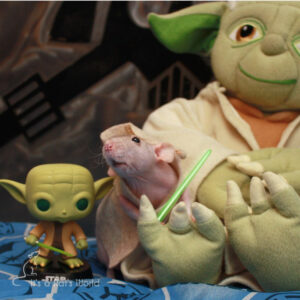
- The Formative Years (2007–2010): Characterized by trial-and-error, these early covers focused on basic portraiture. During this time, the magazine struggled to balance the unpredictable nature of small rodents with the rigid requirements of magazine layout and print resolution.
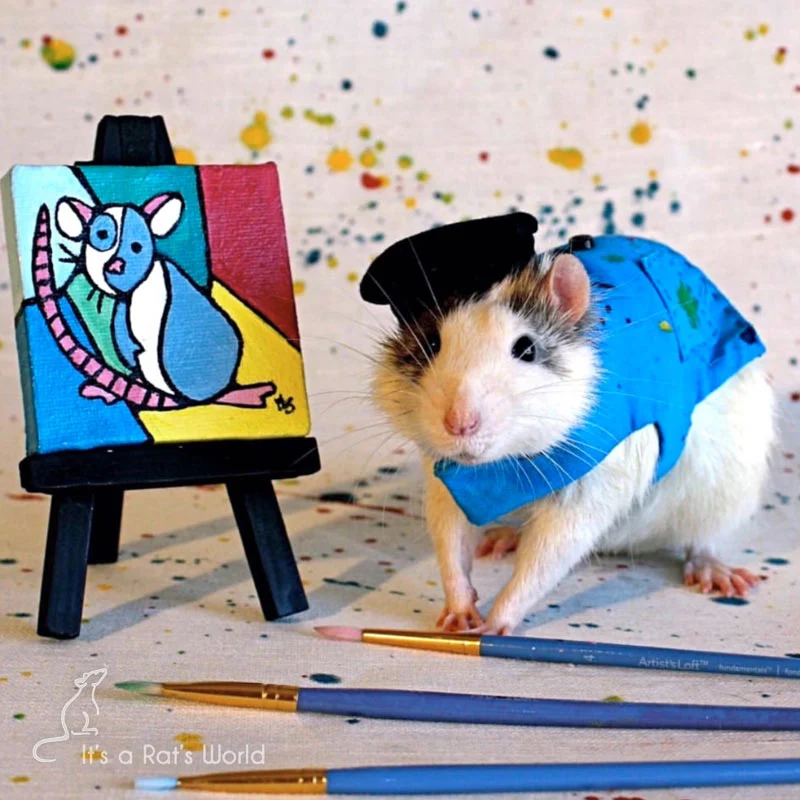
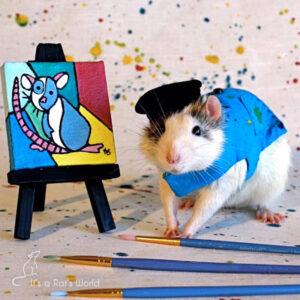
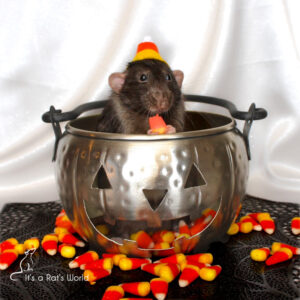
- The Professionalization Phase (2011–2015): This era saw a shift toward elaborate, thematic set design. Saxton began incorporating props—such as custom-sewn costumes and hand-built dioramas—to elevate the narrative quality of the cover images. Notable examples include the 2012 "Pablo Racasso" series, which involved commissioned custom attire, and the 2014 Halloween issue, which utilized intricate prop work to create a cohesive thematic image.
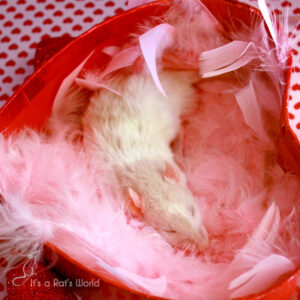
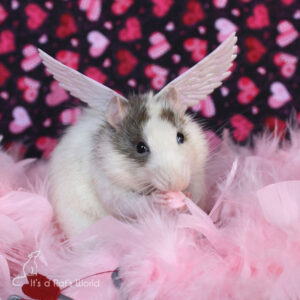
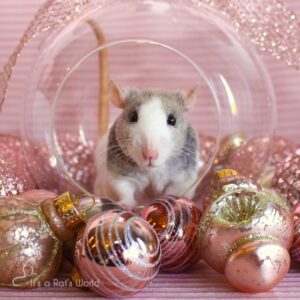
- The Digital-Social Integration (2016–2020): As social media platforms like Instagram became dominant, the magazine’s visual strategy shifted to include "candid" aesthetic content that could perform well in viral spaces. The photography during this period, such as the 2018 and 2019 Christmas covers, leaned heavily into pastel color palettes and high-concept staging that prioritized visual "storytelling" over simple portraiture.
Technical Challenges in Small Animal Photography
The technical demands of photographing rats are significantly higher than those of larger companion animals. Domestic rats are notoriously active, possess short lifespans, and are generally resistant to posing. Saxton’s archives reveal the strategic use of environmental triggers to manage behavior.

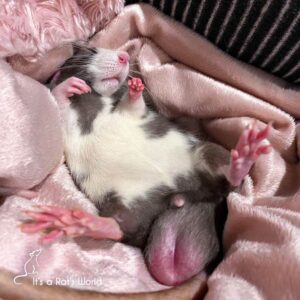
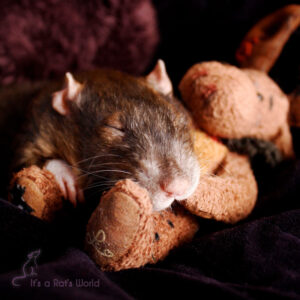
For instance, the capture of "sleeping" images—a recurring feature in the magazine—required the photographer to anticipate the animals’ natural circadian rhythms. The 2020 portrait of the rat named Preacher, captured during the COVID-19 pandemic, highlights the use of natural, low-stress environments to achieve high-quality results. By photographing animals in their most relaxed state, the photographer was able to bypass the "uncooperative" nature often associated with domestic rats, demonstrating a nuanced understanding of animal welfare as a prerequisite for professional-grade photography.
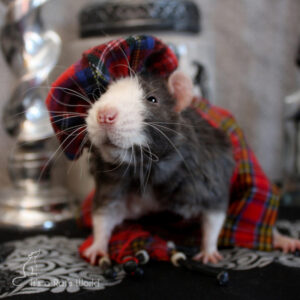
The Digital Archive and the Ethics of Deletion
The storage of 11,288 images presents a significant data management challenge. This figure excludes approximately 90% of photographs taken prior to 2016, many of which remain trapped on legacy hardware or physical storage media. From an archival perspective, the accumulation of "blurry" or "sub-par" images raises questions about the emotional value of digital waste.
Psychologists often refer to the "endowment effect" in this context: the tendency for individuals to value an object—or a digital memory—more highly simply because they own or created it. For the former publisher, the inability to delete these files is not merely a storage issue, but an act of preserving a temporal record of deceased companions. This sentiment is shared by many in the professional pet photography industry, where the image is viewed as the final tangible connection to a short-lived animal.
Broader Implications for Niche Media
The closure of It’s a Rat’s World in July 2020 marked the end of a specific era in pet-focused publishing. The publication’s legacy, however, continues through the repurposing of its visual assets. The commercialization of these images through platforms like Zazzle, and the viral spread of specific images—such as the 2014 Halloween portrait that inspired a permanent tattoo in 2024—illustrate the long-tail impact of high-quality niche photography.
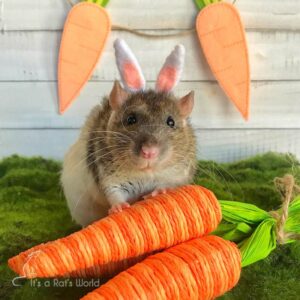
The professionalization of the "rat-fluencer" and the aesthetic standard set by publications like IARW have helped change public perception, moving the domestic rat from a misunderstood pest to a recognized "pocket pet." The editorial work performed by Saxton acted as a form of advocacy; by presenting the animals in elevated, humanized, and highly curated contexts, the magazine contributed to a measurable shift in how the public views the intelligence and emotional capacity of rodents.
Analysis of Archival Value
The total volume of images produced over the life of the magazine serves as a sociological record of pet ownership trends in the early 21st century. The transition from physical props to digital filters and the shift toward highly stylized, Instagram-friendly content are not merely artistic choices; they are a direct response to the democratization of media.

Furthermore, the data suggests that niche publications like IARW provided a vital community service. By documenting the life cycles of these animals—from the senior rat Brockton, whose arthritic condition was artfully masked in 2012, to the energetic, pastel-themed shoots of 2019—the publication provided a template for how owners could celebrate the unique lives of their pets.
As technology continues to advance, the challenge of preserving these digital archives becomes paramount. With thousands of images currently spread across hard drives, cloud servers, and aging physical prints, the "It’s a Rat’s World" archive stands as a testament to the intersection of professional journalism and the deeply personal, often chaotic, world of modern pet keeping. The shift from print media to digital storefronts underscores the necessity for modern pet influencers to diversify their output, ensuring that their work remains relevant in an increasingly crowded and visual-first market. Through deliberate curation, the legacy of this magazine remains not just in the memories of its subscribers, but in the enduring, high-quality documentation of a community often overlooked by mainstream pet media.

