


The sight of a swollen eye in a pet parrot is an alarming development that requires immediate, informed action from the caregiver. Because birds are masterfully adept at masking symptoms of illness until they are physically unable to compensate, any visible change in the ocular region—such as puffiness, discharge, or localized inflammation—should be treated as a significant indicator of an underlying health issue. This guide serves to demystify the potential causes of periorbital swelling, outline the critical diagnostic pathways, and establish a protocol for when professional veterinary intervention becomes non-negotiable.
The Anatomy of the Problem: Defining Swelling
When a parrot presents with a "swollen eye," the issue rarely involves the globe itself. Instead, the swelling typically manifests in the periocular tissues, the eyelid, or the infraorbital sinuses. Anatomically, birds possess a unique structure where the infraorbital sinuses wrap around the eye. Consequently, infections or inflammation within these air sacs can easily manifest as a physical protrusion or puffiness around the eye, leading many owners to misidentify a sinus problem as an ocular injury.
To differentiate between superficial irritation and systemic disease, owners must observe the bird’s symmetry. A normal avian face should be balanced; any protrusion on one side that disrupts the smooth contour of the skull necessitates a comparative assessment. If the eye is closed, if the surrounding feathers are matted, or if there is a distinct change in the skin’s coloration, the situation has moved beyond simple irritation.
Chronology and Progression: Assessing Urgency
In veterinary practice, the speed of onset often dictates the severity of the diagnosis. A sudden, traumatic swelling following a flight accident or a confrontation with a cage mate requires emergency triage. Conversely, a slow, progressive swelling that has developed over several weeks suggests a chronic condition, such as a localized infection, nutritional deficiency, or a developing mass.
Data from the MSD Veterinary Manual indicates that eye disorders in psittacine birds are frequently secondary to other physiological stressors. Owners should document the timeline of symptoms:
- Acute Onset (Hours): Often linked to trauma, foreign bodies, or exposure to environmental irritants like aerosols or cleaning chemicals.
- Sub-Acute (Days): Typically indicative of bacterial or fungal infections, which may be exacerbated by poor cage hygiene or high-humidity environments that foster pathogen growth.
- Chronic (Weeks/Months): Often points to systemic issues, including hypovitaminosis A, chronic respiratory disease, or, in older birds, potential neoplasia.
Diagnostic Etiology: What Causes the Puffiness?
The spectrum of causes for periocular swelling is broad, requiring a systematic elimination process by a veterinarian.
- Environmental Irritants and Foreign Bodies: Dust, dander, or aerosolized particulates—such as non-stick cookware fumes (PTFE toxicity)—can cause immediate inflammation of the conjunctiva. Furthermore, a grain of seed or a piece of bedding trapped beneath the eyelid can cause localized irritation that mimics a serious infection.
- Trauma and Physical Injury: Parrots are prone to "night frights," where a bird startled in the dark may collide with cage bars or toys. Corneal scratches or hematomas around the orbit are common consequences of such incidents.
- Sinusitis and Respiratory Infection: Due to the proximity of the infraorbital sinus to the eye, upper respiratory infections are the most frequent cause of eye swelling. When the sinuses become inflamed due to Chlamydia psittaci or other common avian pathogens, the resulting pressure often forces the eyelid to swell outward.
- Nutritional Deficiencies: Hypovitaminosis A remains a significant health concern for birds on seed-heavy diets. Vitamin A is essential for the health of mucous membranes, including those of the respiratory tract and the eyelids. A deficiency compromises these barriers, making the bird highly susceptible to secondary infections that manifest as ocular discharge and swelling.
The Role of Nutritional Support in Long-Term Health
While nutrition cannot replace antibiotic or antifungal treatment for an active infection, it is a critical component of avian husbandry. Birds that subsist on a diet lacking in carotenoids—found in dark, leafy greens, red palm oil, and various vegetables—are physiologically disadvantaged. The mucosal tissues, which line the sinuses and protect the eye, require a consistent supply of vitamins to maintain integrity.
Veterinary experts often emphasize that while supplements like red palm oil or avian-specific multivitamins may support tissue health, they are prophylactic, not curative. If a bird is already showing signs of significant swelling, the administration of home remedies or supplements without a professional diagnosis may delay essential medical treatment, allowing a manageable infection to escalate into a systemic crisis.
Professional Veterinary Intervention
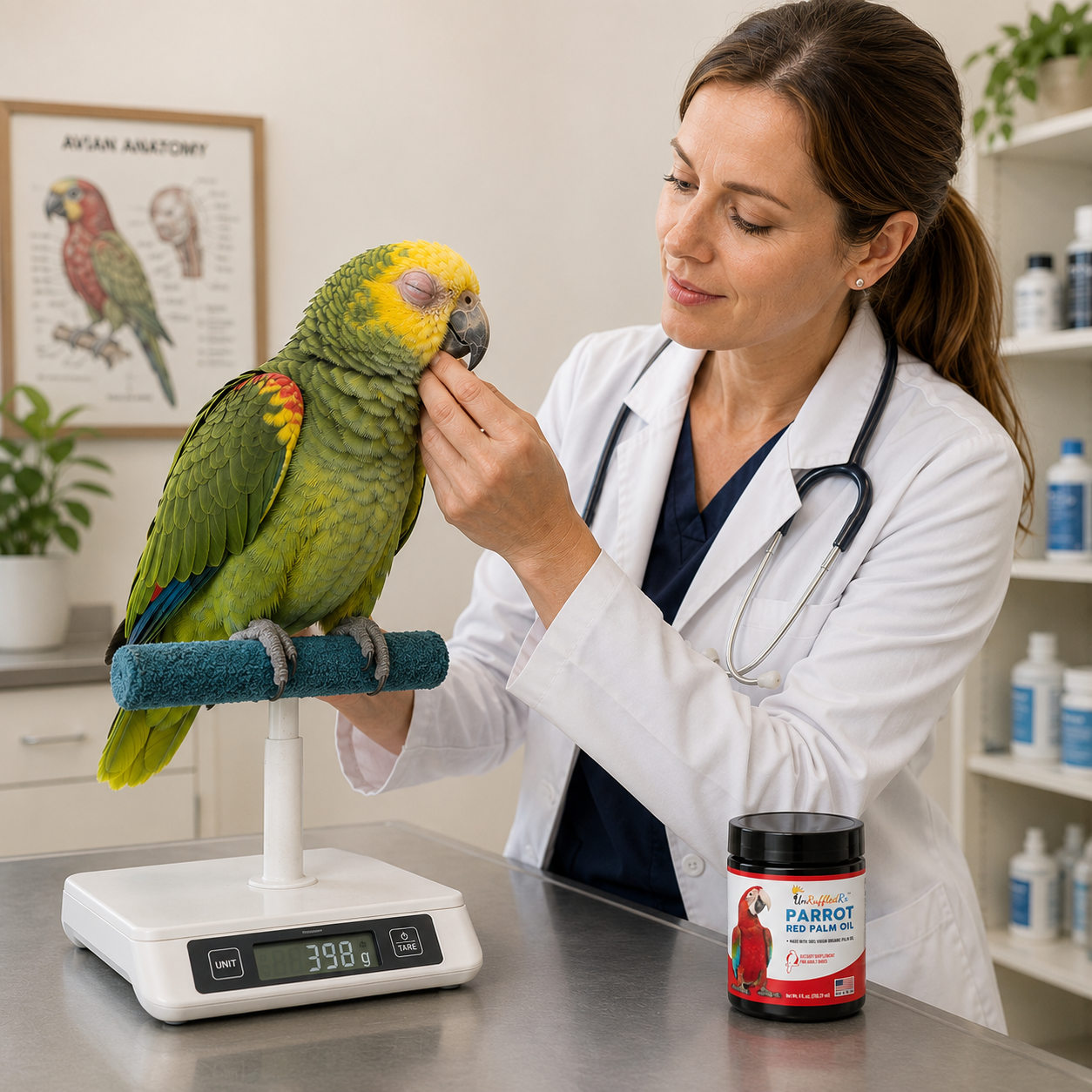
When a bird is brought to an avian veterinarian for a swollen eye, the diagnostic process is thorough. The veterinarian will typically perform a physical examination, which may include:

- Ophthalmic Staining: To check for corneal ulcers or scratches.
- Cytology or Culture: To identify specific bacterial or fungal pathogens present in any discharge.
- Radiography: To visualize the sinuses and determine if there is fluid buildup or a more deep-seated infection in the respiratory system.
The treatment protocol is highly dependent on these findings. If the swelling is bacterial, a specific course of antibiotics—often administered systemically or via specialized eye drops—will be prescribed. It is imperative that owners follow the dosage instructions exactly, as the avian metabolism is highly sensitive to medication.
Immediate Action Protocol for Owners
In the event that an owner notices swelling, the following steps are advised to ensure the bird’s safety while awaiting veterinary care:
- Document and Photograph: Clear images and videos taken from multiple angles assist the veterinarian in assessing the severity before the appointment.
- Environmental Stabilization: Move the bird to a quiet, warm, and low-stress environment. Ensure the cage is free of any potential irritants like air fresheners, smoke, or strong cleaning agents.
- Avoid Self-Medication: Do not attempt to use human eye drops or leftover medications from previous illnesses. Human medications can contain preservatives or compounds that are toxic to birds or that may mask symptoms, making it harder for the veterinarian to reach an accurate diagnosis.
- Hydration and Nutrition: Ensure the bird has access to clean water and its regular, high-quality diet. Monitoring the bird’s weight daily during this period is also advisable, as a decrease in appetite is a critical indicator of illness progression.
Broader Implications for Avian Care
The prevalence of eye-related health issues in companion parrots highlights the necessity for proactive husbandry. Preventive care, which includes annual avian wellness exams and a balanced diet, is the most effective defense against the conditions that lead to ocular swelling.
Furthermore, the "wait-and-see" approach is inherently dangerous in avian medicine. The metabolic rate of birds is significantly higher than that of mammals, meaning that infections can spread rapidly throughout the body. By the time a bird displays overt signs of illness, such as a swollen eye, the underlying condition has often been present for some time. Consequently, the threshold for seeking veterinary care should be low.
Conclusion: A Commitment to Vigilance
Parrot owners act as the primary health monitor for their companions. A swollen eye is not merely a cosmetic issue; it is a clinical symptom that serves as a warning. Whether the cause is a simple scratch from a toy or a complex sinus infection requiring long-term antibiotic therapy, the responsibility of the owner is to facilitate professional diagnosis. Through observation, prompt action, and a commitment to high-quality nutrition and environment, owners can significantly improve the health outcomes for their birds, ensuring that minor irritations do not escalate into life-threatening emergencies. By prioritizing the guidance of qualified avian veterinarians and maintaining a high standard of daily care, the risks associated with such conditions can be managed effectively and humanely.

