


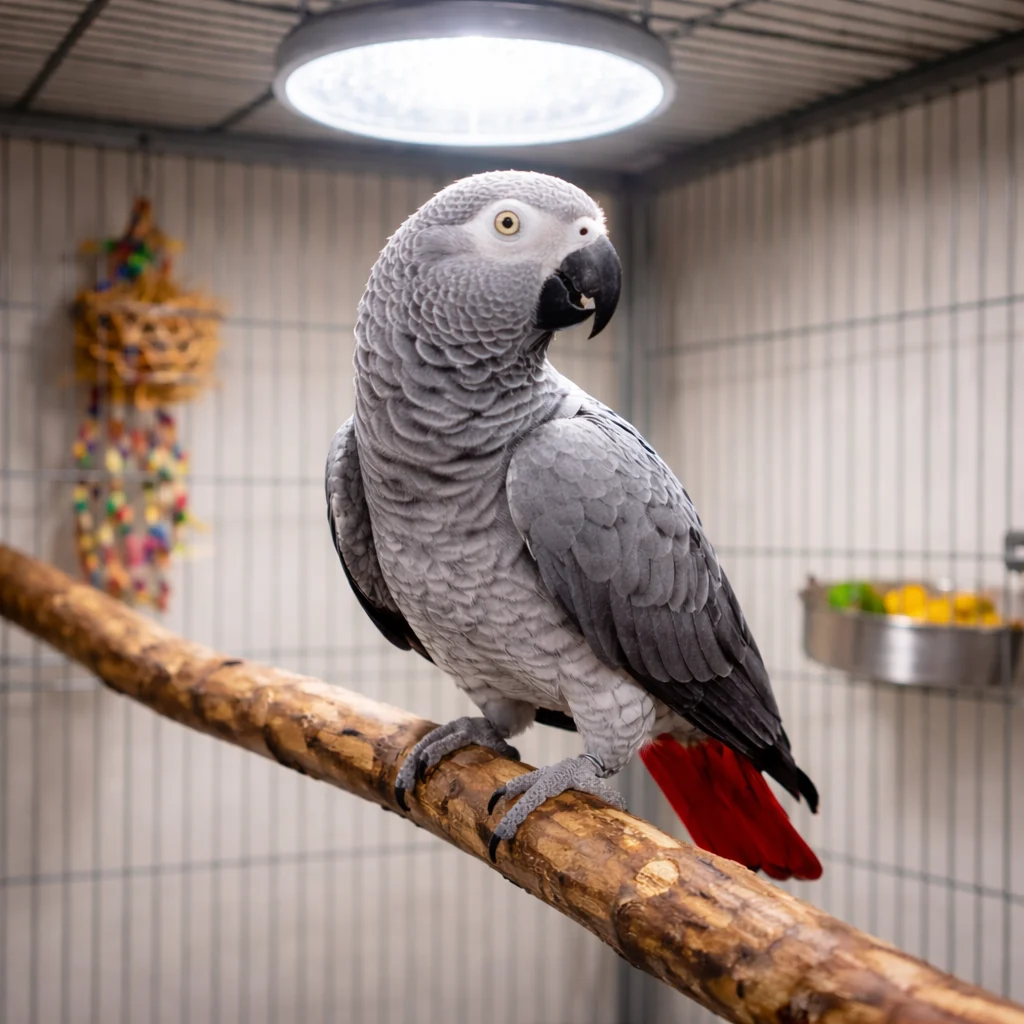
The onset of winter often brings with it a subtle yet significant threat to the health of indoor avian companions: the depletion of vital calcium and vitamin D3 reserves, frequently exacerbated by insufficient exposure to natural sunlight or proper artificial UVB lighting. This physiological shift, often overlooked as a mere seasonal quirk, can lead to a cascade of health issues ranging from neuromuscular weakness and behavioral changes to severe skeletal problems, underscoring the critical need for proactive intervention by bird owners. Published data indicates that a substantial number of pet birds, particularly those housed exclusively indoors without supplemental full-spectrum lighting, are at risk of developing hypocalcemia and associated complications, often without overt symptoms until the condition is advanced.
The Invisible Onset: Recognizing Subtle Signs of Deficiency
For birds spending the colder months predominantly indoors, deprived of direct sunlight, several early indicators can signal the potential for calcium and vitamin D3 deficiency. These signs, while seemingly minor, are crucial for early detection and intervention. A rapid diagnostic assessment can help owners determine if their bird is experiencing a winter-induced calcium problem.
Neuromuscular Manifestations: One of the most common early indicators is a noticeable change in perch grip. Birds may begin sliding on perches, grip less firmly, or exhibit general weakness in their legs and feet. This symptom directly points to possible early calcium depletion, which impairs neuromuscular strength. Calcium is indispensable for muscle contraction and nerve impulse transmission, and its scarcity directly impacts a bird’s ability to maintain stability and coordination. Avian veterinarians frequently encounter cases where subtle balance issues are the first complaint, preceding more severe neurological signs.
Behavioral Indicators: A bird experiencing mineral imbalances may display heightened nervous system excitability. Owners might observe increased irritability, reactivity, or excessive shredding behavior—beyond typical enrichment activities. These changes can be attributed to imbalances in magnesium and calcium, both critical for nervous system regulation. When calcium levels drop, the nervous system can become overstimulated, leading to anxiety, aggression, and destructive behaviors. This often represents a silent cry for help, indicating internal physiological stress.
Feather and Bone Health: The quality and appearance of a bird’s plumage can also serve as a vital diagnostic clue. Dull feathers, the presence of stress bars, or a prolonged and difficult molting process can all be linked to low vitamin D3 levels, which consequently reduce calcium utilization. Vitamin D3 is essential for the integrity of feather follicles and the proper deposition of keratin. Without adequate D3, calcium cannot be effectively absorbed and incorporated into the body’s structures, impacting bone density and feather quality. In severe cases, chronic D3 deficiency can lead to rickets in young birds and osteomalacia in adults, characterized by softened bones and increased fracture risk.
It is imperative for owners to understand that a healthy indoor bird should maintain consistent strength, coordination, feather quality, and normal behavior year-round. Any deviation from this baseline during winter months should be treated as a potential health problem, not merely a seasonal eccentricity.
The Critical Role of Light: Unraveling Vitamin D3 Synthesis
The fundamental cause of winter-related calcium deficiency in indoor birds lies in the disruption of their natural vitamin D3 synthesis pathway. In their natural habitats, birds synthesize vitamin D3 through exposure to direct ultraviolet B (UVB) radiation from sunlight. When sunlight strikes the skin, it converts 7-dehydrocholesterol into previtamin D3, which then isomerizes into vitamin D3. Birds further absorb this vitamin by preening oils from their feathers, which have been exposed to UVB. This naturally produced vitamin D3 is then metabolized by the liver and kidneys into its active form, calcitriol, which is responsible for regulating calcium absorption from the gut, bone mineralization, and maintaining serum calcium levels.
Indoor environments, however, dramatically alter this process. Standard window glass filters out almost all beneficial UVB rays, rendering indirect sunlight ineffective for vitamin D3 production. This creates a physiological void that many owners inadvertently overlook. Even birds with a seemingly balanced diet can suffer if this critical link in the metabolic chain is missing. Without adequate vitamin D3, the calcium consumed through food, regardless of its quantity, simply passes through the digestive system unabsorbed, failing to nourish bones, muscles, and nerves.
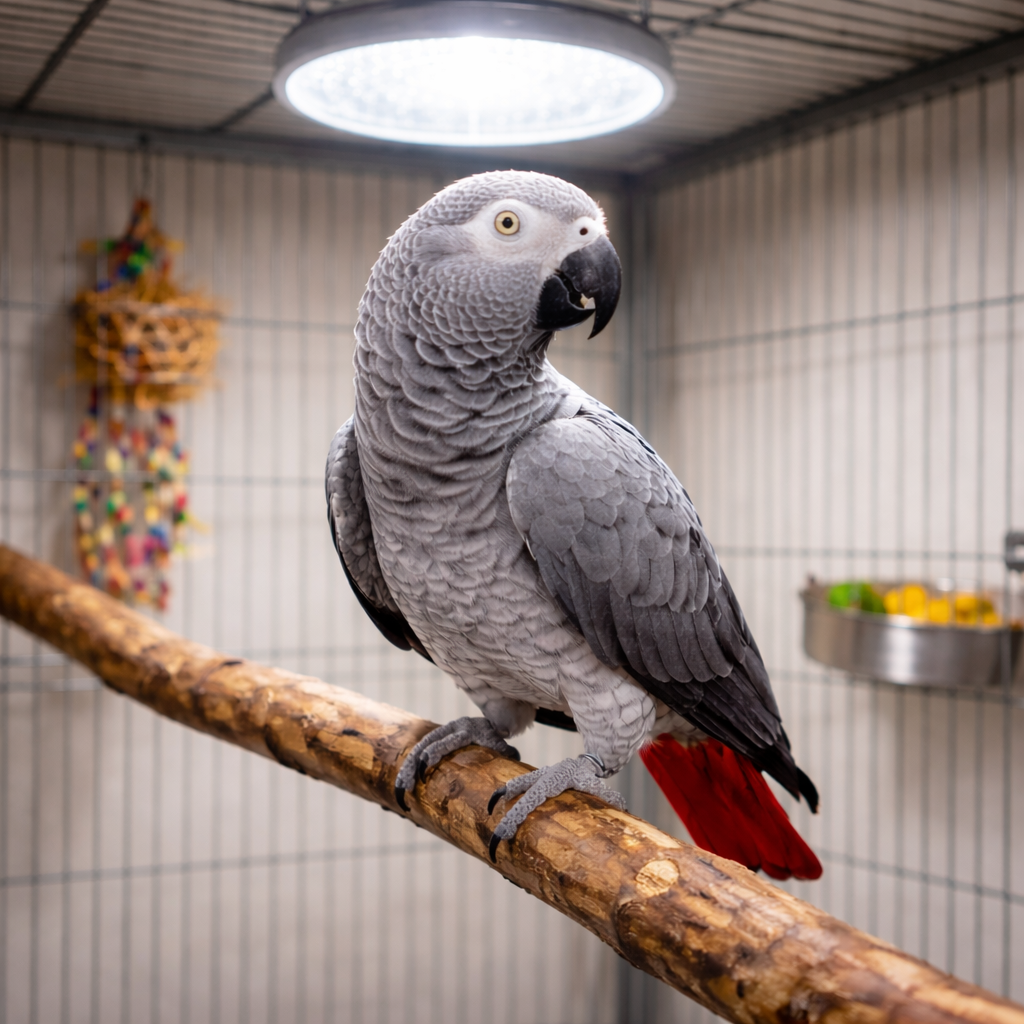
UVB Spectrum Explained: To mitigate this, specialized full-spectrum avian lighting systems are designed to emit UVB radiation in wavelengths crucial for vitamin D3 synthesis (typically 290-315 nm). These lights are distinct from regular incandescent or LED lights, which do not provide the necessary UVB spectrum. There are generally two types of avian UVB lamps: compact fluorescent bulbs and mercury vapor lamps. Compact fluorescents are suitable for smaller enclosures and offer a broad spectrum, while mercury vapor lamps provide higher UVB output and also generate heat, often preferred for larger aviaries or species requiring higher ambient temperatures. Proper bulb placement, distance from the bird, and a consistent daily photoperiod (e.g., 10-12 hours) are critical for effectiveness. Furthermore, UVB bulbs degrade over time, losing their UVB output even if they continue to emit visible light, necessitating replacement every 6-12 months, depending on the manufacturer’s recommendations.
Beyond Pellets: The Dietary Puzzle of Calcium Absorption
While the absence of UVB light is often the primary trigger for winter-induced calcium problems, dietary factors play a significant supporting role. Many bird owners mistakenly believe that providing a pellet-based diet or offering calcium supplements like cuttlebone is sufficient. However, as established, calcium cannot be absorbed effectively without adequate vitamin D3. This highlights a crucial distinction: birds need usable calcium, not just calcium present in their food dish.
The Calcium:Phosphorus Ratio: A balanced diet extends beyond just calcium intake; the ratio of calcium to phosphorus is equally vital. An ideal calcium-to-phosphorus ratio for most avian species ranges from 1.5:1 to 2:1. Diets high in phosphorus (common in seed-heavy diets) relative to calcium can inhibit calcium absorption, exacerbating the problem even if some D3 is present. Many seed mixes, unfortunately, have an inverted ratio, with phosphorus far outweighing calcium, making them particularly problematic as a primary food source.
The Role of Magnesium: Magnesium is another mineral often overlooked but critical for calcium metabolism. It acts as a cofactor for enzymes involved in D3 activation and plays a role in calcium transport. Imbalances in magnesium can further disrupt calcium homeostasis and contribute to neuromuscular issues and behavioral changes. Therefore, a truly balanced diet must consider the interplay of these essential minerals.
Formulated Diets vs. Seed-Only Diets: While modern formulated diets (pellets) are designed to provide a more complete nutritional profile than traditional seed mixes, even these can fall short if the bird lacks the means to absorb key nutrients. For birds on a solely seed-based diet, the risk of calcium and D3 deficiency is dramatically higher, necessitating even more vigilant supplementation and UVB exposure. Fresh vegetables, especially dark leafy greens like kale, spinach, and broccoli, are excellent sources of dietary calcium, but their efficacy is still tied to the bird’s D3 status.
Winter’s Impact: A Physiological Shift
The winter months, characterized by shorter daylight hours and increased indoor confinement, create a perfect storm for avian hypocalcemia. In natural environments, birds would adapt to seasonal light changes, but in captivity, their physiology can become severely mismatched with their environment. The lack of natural light cues can also disrupt circadian rhythms, impacting overall well-being, sleep patterns, and stress levels, potentially compounding the effects of nutritional deficiencies. Some experts even suggest that birds can experience a form of seasonal affective disorder, manifesting as reduced activity, lethargy, and a general malaise, all of which can be exacerbated by underlying nutritional imbalances.
Proactive Measures: Implementing a Comprehensive Winter Wellness Protocol
Addressing winter-induced calcium and D3 deficiencies requires a multi-pronged approach that tackles both environmental and nutritional aspects. This involves what can be termed a "3-Step Winter Bone Reset."
1. Strategic UVB Lighting: The cornerstone of prevention and correction is the provision of appropriate UVB lighting. Owners must invest in high-quality avian-specific UVB lamps, understanding that these are medical devices, not just light fixtures.
- Selection: Choose bulbs specifically designed for birds, noting their UVB output (e.g., 5% or 10% UVB) and spectral quality.
- Placement: Position the light above the bird’s cage, allowing for a "UVB gradient" where the bird can choose to be closer or further away from the light. Ensure there are no barriers (like plastic or glass) between the bulb and the bird.
- Distance: Follow manufacturer guidelines for optimal distance; typically, 12-18 inches (30-45 cm) is recommended to deliver effective UVB without causing harm.
- Photoperiod: Provide 10-12 hours of UVB exposure daily, mimicking natural daylight cycles.
- Replacement: Replace bulbs every 6-12 months, even if they still appear to be working, as their UVB output diminishes over time.
2. Targeted Nutritional Support: While UVB light is paramount, dietary adjustments and supplementation can provide crucial support, especially during the initial recovery phase or for birds with pre-existing conditions.
- Balanced Diet: Ensure the primary diet consists of high-quality formulated pellets, supplemented with a variety of fresh vegetables rich in calcium (e.g., kale, collard greens, broccoli) and a small amount of fruit.
- Calcium Supplementation: If advised by an avian veterinarian, a calcium supplement (e.g., calcium gluconate or calcium citrate) can be added to food or water. However, this must be done cautiously and always in conjunction with D3 support.
- Vitamin D3 Supplementation: For birds with confirmed deficiencies or those where UVB light cannot be adequately provided, a veterinary-prescribed vitamin D3 supplement may be necessary. It is crucial to use avian-specific D3 supplements and adhere strictly to dosage instructions, as over-supplementation of D3 can lead to toxicity (hypervitaminosis D), causing calcification of soft tissues and organ damage.
3. Environmental Enrichment and Activity: Regular exercise and mental stimulation contribute to overall health, including bone density. Provide ample opportunities for flight, climbing, and play outside the cage in a safe environment. This promotes strong bones and muscles, supporting the body’s ability to utilize calcium effectively.

Escalating Concerns: When to Consult an Avian Veterinarian
It is a critical "expert note" that birds are masters of masking illness, a survival instinct in the wild. They will pull calcium from their own bones to maintain vital functions like heart rhythm and muscle contractions. This compensatory mechanism can operate silently for weeks or even months, giving no outward indication of the severe internal depletion occurring. By the time symptoms like falling, tremors, or seizure-like episodes manifest, bone strength may already be dangerously compromised.
Specific Red Flags to watch for:
- Persistent Weakness: Any bird exhibiting ongoing weakness, inability to perch steadily, or repeated falling warrants immediate veterinary attention.
- Neurological Signs: Tremors, head tilts, loss of balance, or full-blown seizures are emergency situations requiring urgent intervention. These can indicate severe hypocalcemia affecting the central nervous system.
- Bone Fractures or Deformities: Easily fractured bones or visible skeletal deformities (e.g., splayed legs in young birds) are clear signs of chronic calcium deficiency.
- Reproductive Issues: Egg-laying birds are particularly vulnerable to calcium depletion. Signs like egg binding (inability to pass an egg) or soft-shelled eggs are often linked to insufficient calcium.
Diagnostic Procedures: An avian veterinarian can perform several diagnostic tests to confirm calcium and D3 deficiencies. These typically include blood tests to measure serum calcium and phosphorus levels, as well as circulating vitamin D3 metabolites (calcidiol). In some cases, X-rays may be taken to assess bone density and identify any skeletal abnormalities.
Treatment Options: Treatment for severe hypocalcemia often involves immediate injectable calcium to stabilize the bird, followed by a regimen of oral calcium and vitamin D3 supplementation. The veterinarian will also provide guidance on adjusting the bird’s diet and ensuring proper UVB light exposure for long-term management. Early and aggressive intervention significantly improves the prognosis.
Long-Term Implications and Responsible Avian Care
The implications of chronic calcium and vitamin D3 deficiency extend far beyond immediate symptoms. Long-term, untreated deficiencies can lead to irreversible skeletal deformities, crippling the bird and severely impacting its quality of life. Reproductive issues, including chronic egg-laying problems and poor chick development, become prevalent. Organ dysfunction, particularly affecting the kidneys and heart, can also arise from prolonged mineral imbalances.
Responsible avian care necessitates a comprehensive understanding of a bird’s species-specific needs, including its environmental requirements. The modern understanding of avian nutrition and husbandry has evolved significantly, moving away from outdated practices that failed to recognize the subtle yet profound impact of light and diet on overall health. Providing appropriate UVB lighting, a balanced formulated diet, and regular veterinary check-ups are not luxuries but fundamental components of ethical bird ownership. The economic burden of treating advanced deficiency-related illnesses can be substantial, further emphasizing the value of proactive prevention.
Key Takeaways:
- Winter often leads to calcium and vitamin D3 depletion in indoor birds due to insufficient UVB light.
- Subtle signs like weaker grip, dull feathers, and irritability are early warnings.
- UVB light is crucial for vitamin D3 synthesis, which enables calcium absorption.
- A balanced diet, including appropriate calcium:phosphorus ratios, is essential but ineffective without D3.
- Proactive measures include avian-specific UVB lighting, targeted nutritional support, and environmental enrichment.
- Severe symptoms like tremors, seizures, or fractures require immediate veterinary intervention.
Other Helpful Resources
- Do Birds Need UVB Light Indoors?
- Signs of Low Calcium in Parrots
References
- Hess, L., & Phalen, D. (2018). Clinical Avian Medicine. Blackwell Publishing.
- Lightfoot, T. L. (2006). Clinical Nutrition. Veterinary Clinics of North America: Exotic Animal Practice, 9(3), 513-532.
- Stanford, M. (2007). Nutritional Diseases in Psittacine Birds. Seminars in Avian and Exotic Pet Medicine, 16(1), 54-61.
- Tully, T. N., & Dorrestein, G. M. (2009). Avian Medicine. Elsevier Saunders.
Meet Diane Burroughs, LCSW – licensed psychotherapist and avian wellness educator. With decades of behavior and nutrition experience, she helps bird owners understand what their birds’ bodies are actually doing – and what to do next.

