


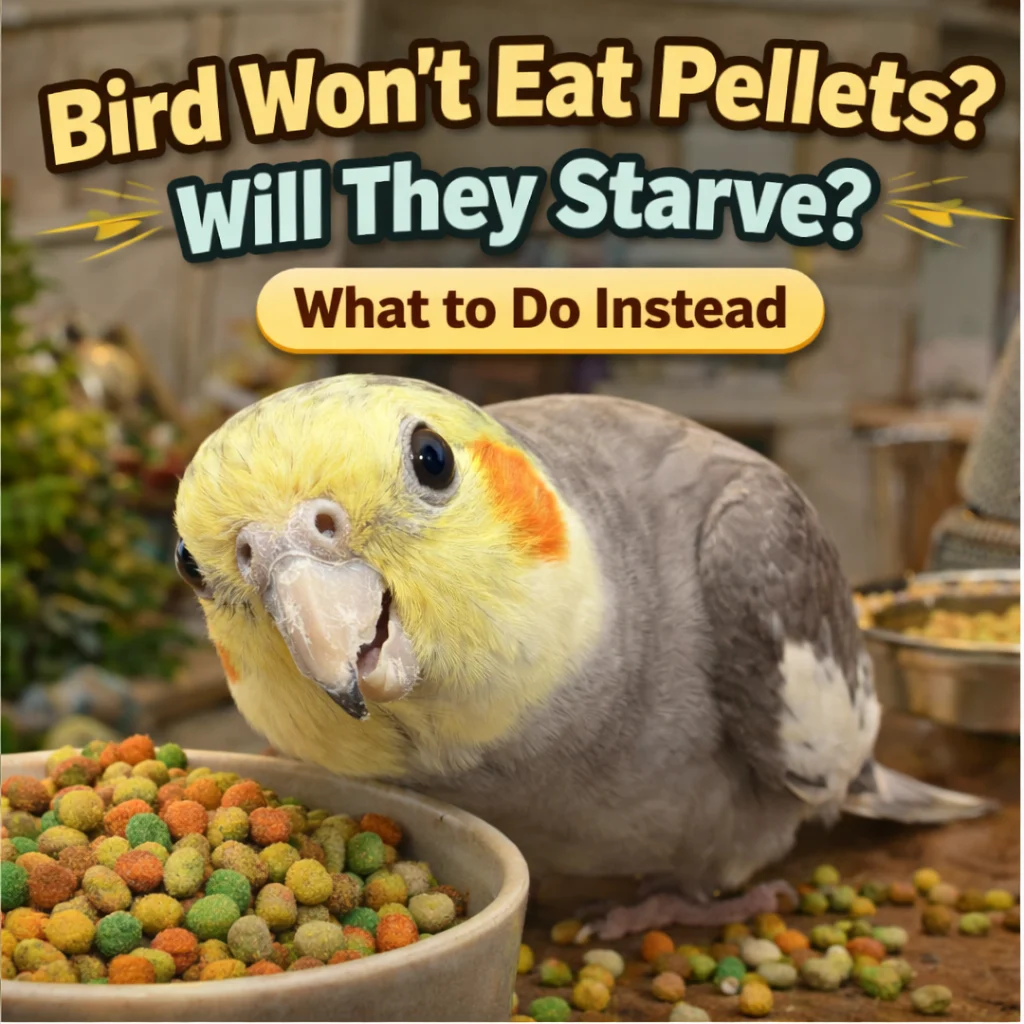
The challenge of transitioning a pet bird from a seed-heavy diet to a more nutritionally complete pellet-based regimen is a common concern for avian caregivers worldwide. Many owners report their birds refusing pellets, picking around them, or exhibiting a sudden decrease in food intake when attempts are made to switch their diet. This situation often leads to anxiety, with concerns about the bird potentially starving, especially after traditional methods like mixing foods, reducing seeds, or "waiting them out" have proven ineffective. This widespread issue is not a reflection of owner inadequacy but rather a testament to the complex dietary psychology of avian species, a challenge that is both common and, importantly, fixable through evidence-based, force-free approaches.
Understanding the Avian Dietary Dilemma: A Quick Diagnostic
When a bird refuses pellets, its behavior often communicates specific underlying reasons:
- Refusal to eat pellets at all: This frequently indicates that the bird does not recognize pellets as a food source. Their natural instinct is to consume what they perceive as safe and familiar.
- Picks around or throws pellets out: This behavior suggests a clear preference for known, trusted foods, often seeds, over the unfamiliar pellets. The bird is actively selecting what it considers edible.
- Eating less after a switch attempt: This is a strong indicator of confusion and a lack of adjustment. The bird may be experiencing stress and uncertainty regarding its food supply.
- Waits for seeds or old food: This demonstrates that the new food, such as pellets, has not yet been accepted as a safe and reliable option. The bird is holding out for its preferred, familiar sustenance.
These responses are not signs of stubbornness but rather deeply ingrained survival mechanisms. Understanding this fundamental aspect of avian behavior is the first critical step toward a successful dietary transition.
The Critical Need for Dietary Transition: Why Pellets Matter
For decades, the standard diet for many pet birds consisted predominantly of seeds. While seeds are natural food sources, a seed-only diet in captivity is largely unbalanced, high in fat, and deficient in essential vitamins, minerals, and amino acids. This nutritional imbalance can lead to a myriad of health problems, including:
- Obesity and Fatty Liver Disease (Hepatic Lipidosis): Common in species like cockatiels and Amazon parrots, due to the high-fat content of sunflower and safflower seeds.
- Vitamin A Deficiency (Hypovitaminosis A): Leading to respiratory issues, sinonasal infections, poor feather quality, and kidney problems.
- Calcium and Vitamin D Imbalances: Affecting bone health, egg-laying, and neurological function.
- Compromised Immune System: Making birds more susceptible to infections.
- Reduced Lifespan: Pet birds on poor diets often live significantly shorter lives than their counterparts on balanced nutrition.
The advancement of avian nutrition science in recent decades has unequivocally established that a high-quality, formulated pellet diet should constitute the majority (typically 70-80%) of a pet bird’s daily intake. Pellets are engineered to provide a complete and balanced nutritional profile, addressing the deficiencies inherent in seed-only diets. The remaining 20-30% of the diet should consist of fresh fruits, vegetables, and small amounts of seeds as treats. This comprehensive approach is endorsed by virtually all avian veterinarians and professional bird organizations, including the Association of Avian Veterinarians (AAV). Data consistently shows that birds maintained on a proper pellet and fresh food diet exhibit improved feather quality, brighter eyes, higher energy levels, stronger immune systems, and a significantly longer, healthier life.
Dispelling the Myth: Will My Bird Starve If I Switch to Pellets?
A common and deeply concerning question among bird owners is whether a bird will eventually eat pellets if familiar seeds are withheld. The definitive answer, based on extensive veterinary and behavioral experience, is a resounding no. And the concern is entirely justified. An abrupt and complete withdrawal of familiar food, in an attempt to force the bird to eat pellets, can lead to severe health crises.
Birds, particularly smaller species, have high metabolic rates and limited physiological reserves. A sudden drop in food intake can rapidly lead to:
- Significant Weight Loss: Which can be fatal, especially in smaller birds like budgies and finches.
- Hepatic Lipidosis (Fatty Liver Disease): A life-threatening condition where the liver becomes overwhelmed by fat mobilization during periods of starvation, particularly in birds that were previously overweight.
- Weakened Immune System: Making the bird vulnerable to secondary infections.
- Psychological Trauma: Damaging the trust between the bird and its owner, leading to increased stress and behavioral problems.
The notion that a bird will "eventually eat" when sufficiently hungry is a dangerous misconception rooted in human feeding psychology, not avian. Birds do not switch to new foods simply because they are healthier or because they are starving. They eat what they recognize as safe and edible. This is a crucial distinction. In the wild, parrots spend weeks or even months learning from their parents and flock members what foods are safe to consume and what to avoid, given the vast array of potentially toxic plants. Pet birds are wired with the same instinctual caution. They observe their caregivers intently, seeking cues and reassurance about what is safe to ingest. When a bird refuses pellets, it is not being stubborn; it simply has not learned that this new item is a safe food source.
Therefore, the objective is not to force an abrupt dietary change through deprivation, but to intentionally teach the bird that pellets are safe, nutritious, and desirable. This pedagogical approach protects the bird’s intake, weight, and, critically, its trust in its human companion. This teaching process can be successfully applied to birds of any age, including older birds and rescues with established dietary habits, using proven, force-free methods championed by avian veterinarians and professional animal trainers.
The Force-Free Approach: A Paradigm Shift in Avian Nutrition
The cornerstone of a successful pellet transition is a force-free methodology, focusing on positive reinforcement and gradual introduction rather than coercion. This approach recognizes the bird’s natural instincts and works with them, not against them. It’s about building a positive association with the new food, making it an appealing choice rather than a last resort.
Implementing the Transition: A Step-by-Step Guide
A successful dietary transition is a marathon, not a sprint. It requires patience, consistency, and close observation. The process can typically take several weeks to several months, depending on the individual bird’s personality, age, and previous dietary history. Here’s a structured, three-phase approach:
Phase 1: Introduction and Familiarization (Weeks 1-4)
The primary goal of this phase is to introduce pellets as a non-threatening, potentially interesting item in the bird’s environment, without any reduction in its current, familiar diet.
- Offer Pellets Separately and Consistently: Place a small amount of pellets in a separate, clean dish alongside the bird’s usual food (seeds, fresh produce). Do not mix them yet. Consistency is key; offer pellets at the same time each day.
- Model Eating Behavior ("Monkey See, Monkey Do"): Birds are highly observant. Pretend to eat the pellets yourself, making positive noises and gestures. Many birds are curious about what their "flock leader" (you) is consuming. This provides a powerful signal of safety.
- Vary Presentation:
- Crumble Pellets: Crush a few pellets into a fine powder and sprinkle them over the bird’s favorite fresh fruits or vegetables, or even a tiny amount over their seeds. The goal is to get the bird to inadvertently ingest some pellet dust.
- Soak Pellets: Offer a few pellets moistened with a small amount of water or a tiny bit of 100% fruit juice. Some birds find softer textures more appealing initially.
- Offer as Treats: Hand-feed a pellet as a treat during positive interactions, associating it with affection and reward.
- Mix with Favorite Foods (Lightly): Once the bird has shown some acceptance of crumbled pellets, very lightly sprinkle a small amount of finely crushed pellets into their moist, favorite fresh food (e.g., mashed sweet potato, cooked whole grains).
- Positive Reinforcement: Whenever the bird shows any interest in the pellets (pecking, tasting, even just investigating), offer verbal praise or a small, highly desired non-pellet treat.
- Monitor Intake: During this phase, ensure the bird is still eating its regular amount of its current diet. The goal is addition, not subtraction, at this stage.
Phase 2: Gradual Integration and Reduction (Weeks 4-12)
Once the bird is consistently showing some interest in or consumption of pellets, you can begin the slow process of integration and reduction of the old diet. This phase requires meticulous monitoring.
- Monitor Weight Daily: This is paramount. Use a small digital kitchen scale to weigh your bird at the same time each morning before feeding. A significant drop (typically more than 5-10% of body weight) necessitates pausing the reduction and consulting an avian veterinarian.
- Gradual Reduction of Seeds: Begin to slowly reduce the quantity of seeds offered, while simultaneously ensuring pellets are readily available.
- Start with a ratio like 90% seeds/10% pellets for a few days, then slowly shift to 80/20, 70/30, and so on, over several weeks.
- The reduction must be imperceptible to the bird. Think in terms of tiny, incremental changes.
- Offer seeds only at certain times of the day (e.g., morning and evening), making pellets available all day.
- Continue Varying Pellet Presentation: Don’t stop offering pellets in different forms. Some days, they might prefer them dry; other days, moistened.
- Introduce New Fresh Foods: Alongside pellets, continue to offer a wide variety of fresh, bird-safe fruits and vegetables. These add crucial vitamins, minerals, and enrichment.
- Observe Droppings: Changes in droppings (size, consistency, color) can indicate stress or changes in gut health. Consult your vet if you notice sustained abnormal droppings.
Phase 3: Monitoring and Maintenance (Ongoing)
Once the bird is primarily consuming pellets (e.g., 70-80% of its diet), the focus shifts to maintaining the healthy diet and ensuring long-term well-being.
- Regular Weight Checks: Continue weekly or bi-weekly weight checks to ensure stability.
- Consistent Pellet Availability: Always ensure fresh pellets are available.
- Variety in Fresh Foods: Continue to offer a diverse range of fresh produce daily to prevent boredom and provide additional nutrients and enrichment.
- Seed as a Treat: Seeds can now be offered in very small quantities as training treats or occasional rewards, rather than a staple food.
- Annual Veterinary Check-ups: Regular check-ups with an avian veterinarian are essential to monitor overall health and address any emerging dietary needs.
Expert Perspectives and Scientific Consensus
Avian veterinarians universally endorse the gradual, force-free transition to a pellet-based diet. Dr. Susan O’Malley, a renowned avian specialist, often emphasizes, "The goal is always voluntary consumption. Any method that forces a bird to eat new food out of starvation is unethical and dangerous. We aim to educate the bird, not deprive it." Similarly, certified avian behaviorists, like Dr. Sarah Miller, highlight the psychological benefits: "A positive dietary transition reinforces the bond between bird and owner. It’s a prime example of ‘parronting’ – patient, consistent, and focused on teaching rather than forcing." Research published in journals such as the Journal of Avian Medicine and Surgery consistently supports gradual, positive reinforcement techniques as the most effective and safest methods for dietary conversion.
Long-Term Implications and Owner Responsibilities
Successfully transitioning a bird to a pellet diet has profound long-term implications for its health and welfare. Birds on appropriate diets typically exhibit:
- Enhanced Longevity: Living closer to their natural lifespan potential.
- Improved Feather Condition: Brighter, stronger, and more vibrant plumage.
- Increased Activity and Playfulness: A reflection of better overall health and energy.
- Reduced Incidence of Diet-Related Diseases: Leading to fewer veterinary visits for preventable illnesses and, consequently, lower long-term healthcare costs.
- Stronger Human-Animal Bond: Built on trust and positive interactions during the teaching process.
The responsibility of a bird owner extends beyond providing shelter; it encompasses ensuring optimal nutritional care. This commitment to a patient, consistent, and scientifically informed approach to dietary transition is one of the most impactful ways to safeguard a pet bird’s health and ensure a fulfilling life.
In conclusion, when faced with a bird that won’t eat pellets, the solution lies not in abrupt changes or deprivation, but in understanding avian psychology and employing a gentle, teaching-oriented strategy. This "parronting" approach, characterized by patience, consistency, and a focus on positive reinforcement, empowers birds to accept new, healthier foods without stress, force, or dangerous weight loss, ultimately leading to a more vibrant and longer life for our feathered companions.

