


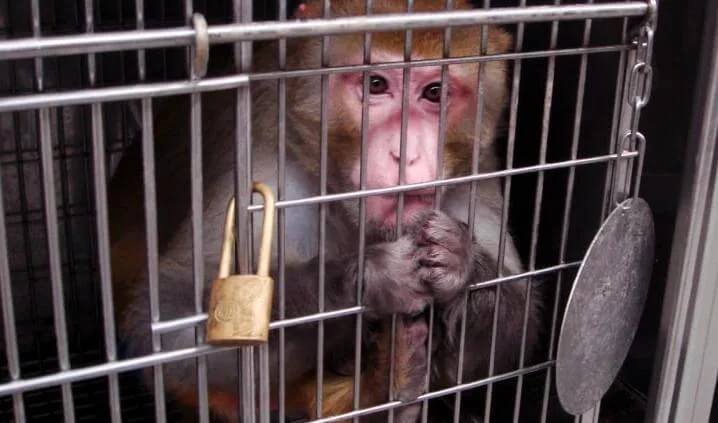
Recent disclosures of federal inspection reports have brought to light a series of significant and recurring animal welfare violations at the University of Minnesota’s (UMN) research facilities. The documents, obtained through freedom of information requests and public records, detail a pattern of non-compliance with the Animal Welfare Act (AWA) and the Public Health Service (PHS) Policy on Humane Care and Use of Laboratory Animals. According to the reports, research subjects across various species—including non-human primates, pigs, sheep, cats, and thousands of rodents—have been subjected to unauthorized procedures, inadequate pain management, and fatal negligence.
The severity of these findings prompted the U.S. Department of Agriculture (USDA) to issue an official warning to the university, a rare regulatory move typically reserved for institutions demonstrating the most egregious or persistent failures in oversight. The documentation spans several years, concluding with reports as recent as March 2026, suggesting that despite federal intervention, the institution has struggled to implement effective corrective measures.
A Pattern of Procedural Non-Compliance and Surgical Failures
A significant portion of the documented violations involves "protocol drift," where experimenters deviated from the specific procedures approved by the university’s Institutional Animal Care and Use Committee (IACUC). These deviations are not merely administrative errors; they frequently result in direct physical harm or prolonged distress for the animals involved.
In a particularly harrowing series of incidents between February and November 2025, a kidney transplant study involving nine pigs resulted in a high mortality rate due to surgical complications and substandard perioperative care. Records indicate that five pigs were euthanized shortly after surgery due to infection or organ failure, while one died of cardiac arrest on the operating table. Investigative findings revealed that staff failed to monitor blood pressure in several subjects, administered excessive anesthesia to others, and failed to maintain stable body temperatures. Furthermore, evidence suggested that animals suffered burns from heating pads and electro-surgical equipment, indicating a lack of basic technical proficiency among the surgical staff.
Similar issues were noted in sheep research. In December 2025, six sheep were utilized in a surgical study that resulted in the death of one animal from suspected internal bleeding or stroke. Others were euthanized when implanted devices failed to function as intended. The subsequent requirement by the oversight committee for a new surgeon and strengthened record-keeping protocols suggests that unqualified personnel may have been performing invasive procedures.
Systematic Failures in Pain Management and Medication
The federal reports highlight a chronic failure to provide adequate analgesia (pain relief), often involving hundreds of animals at a time. Between July and September 2025, 309 mice were subjected to post-operative recovery without the required painkillers. In other instances, mice underwent cranial surgeries or tail amputations without any anesthetic or analgesic intervention, leading to observable distress and complications such as wound reopening and hemorrhage.
The use of expired medications is another recurring theme in the inspection reports. In October 2024, nine mice were administered expired painkillers during procedures known to cause "extreme pain and distress." Similar incidents involving expired drugs were recorded in September 2024 with hamsters and in December 2024, when sixteen mice were euthanized using a drug that had been expired for several months. The use of expired pharmacological agents not only violates welfare standards but also introduces significant variables that can compromise the scientific validity of the research data.
Negligence in Basic Husbandry and Environmental Safety
Beyond the complexities of surgical intervention, the reports document a failure to provide the most basic requirements for life: food and water. The University of Minnesota has been repeatedly cited for "critical" violations involving water deprivation, particularly in its non-human primate and rodent colonies.
In September 2024, three rhesus macaques were left without water for three days after a supply valve was accidentally shut off. Despite the lack of water, staff signed logs indicating that daily checks had been performed. The monkeys exhibited a total loss of appetite before the error was discovered. In a separate incident involving mice in June 2024, staff failed to connect water nozzles to cage racks, resulting in the dehydration deaths of two animals. Another incident in May 2024 saw four mice die after water bottles were not returned to their proper positions following cage maintenance.
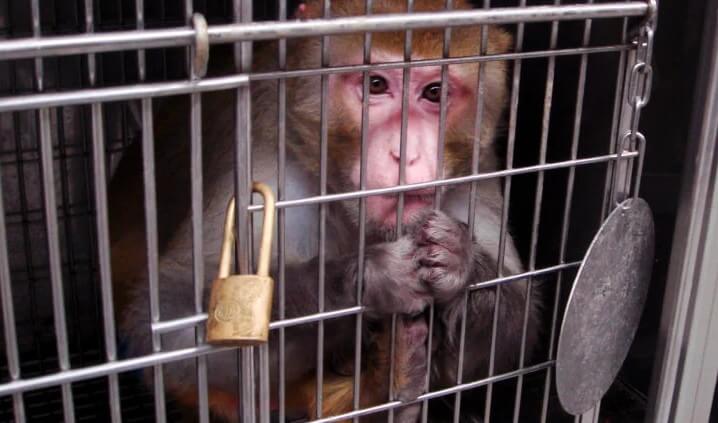
The safety of the animals within their primary enclosures has also been called into question. Between 2023 and 2024, multiple monkeys escaped during routine handling. One macaque suffered a bruised eye during recapture, another required a toe amputation due to injuries sustained while loose, and a third suffered oral lacerations after biting into a glass beaker it found after escaping a laboratory chair.
Chronology of Major Violations (2021–2026)
The timeline of these violations suggests a systemic institutional issue rather than isolated incidents:
- September 2021: A cat used in a research procedure was killed after being administered a paralytic drug at 4.5 times the intended rate, leading to respiratory failure.
- October 2021: The USDA issues an Official Warning to UMN following the deaths of a cat and several hamsters due to neglect.
- August 2022: Sixty-six mice undergo implantation surgery without the required pain medication.
- April 2023: A monkey escapes during a head-post implantation procedure, leading to injury.
- January 2024: Three mice die after staff fail to replace water valves during a supply change.
- September 2024: Multiple critical violations are recorded, including water deprivation for monkeys and the use of expired drugs on hamsters.
- May 2025: Eight rats are subjected to unapproved abdominal injections and subsequently killed once the violation is discovered.
- January 2026: A kidney transplant study results in the deaths of the majority of the pig subjects due to surgical incompetence.
- March 2026: Ten mice undergo cranial surgery without any pain relief, marking a continuation of the same failures noted years prior.
Institutional and Regulatory Context
The University of Minnesota is a major recipient of federal research funding, particularly from the National Institutes of Health (NIH). As a condition of this funding, the university must adhere to the PHS Policy and the AWA. Oversight is primarily managed internally by the IACUC, which is responsible for reviewing protocols and inspecting laboratories. However, the recurring nature of these violations suggests a breakdown in the IACUC’s ability to enforce compliance or a culture of permissiveness within certain research departments.
The USDA’s "Official Warning" is a significant step in the enforcement hierarchy. If an institution fails to rectify the issues cited in a warning, it can face civil penalties, including fines or the suspension of research activities. For a Tier 1 research institution like UMN, such sanctions would have a devastating impact on its reputation and financial standing.
Scientific and Ethical Implications
The implications of these welfare violations extend beyond ethical concerns into the realm of scientific integrity. Research conducted on animals that are experiencing unintended pain, dehydration, or infections is fundamentally flawed. Physiological stress alters biological markers, meaning that the data collected from such animals may be inaccurate or impossible to replicate. When experimenters use expired drugs or fail to follow approved protocols, they introduce uncontrolled variables that can render the entire study scientifically worthless.
From an ethical perspective, the reports paint a picture of "avoidable suffering." While the debate over the necessity of animal research continues, the AWA and PHS Policy exist to ensure that if animals are used, their suffering is minimized. The documentation of mice being crushed in cage racks, monkeys left without water for days, and cats dying from massive overdoses of paralytics represents a failure to meet even the most basic moral obligations of the scientific community.
Analysis of Broader Impact
The exposure of these reports by PETA and the subsequent public scrutiny put the University of Minnesota in a difficult position. There is increasing pressure from both the public and the scientific community for greater transparency in animal research. Institutions that fail to maintain high standards of care risk losing the "social license" required to conduct such work.
Furthermore, these findings may influence future federal funding allocations. The NIH and USDA have the authority to pull support from laboratories that demonstrate a "lack of institutional control." If the University of Minnesota cannot demonstrate a significant overhaul of its veterinary care and oversight systems, it may face more than just warnings in the coming years.
The university has generally responded to such reports by stating its commitment to animal welfare and noting that it self-reports many of these incidents to federal authorities. However, critics argue that self-reporting is insufficient if it is not followed by meaningful changes in personnel training and institutional culture. The sheer volume of violations involving different species and departments suggests that the issues at UMN are not confined to a single "bad actor" but are indicative of a broader systemic failure.
As the federal government continues to monitor the situation, the University of Minnesota faces a critical juncture. It must decide whether to invest heavily in the infrastructure and personnel necessary to guarantee compliance or face the escalating consequences of continued negligence in its laboratories. For the thousands of animals currently housed in its facilities, the stakes could not be higher.

