


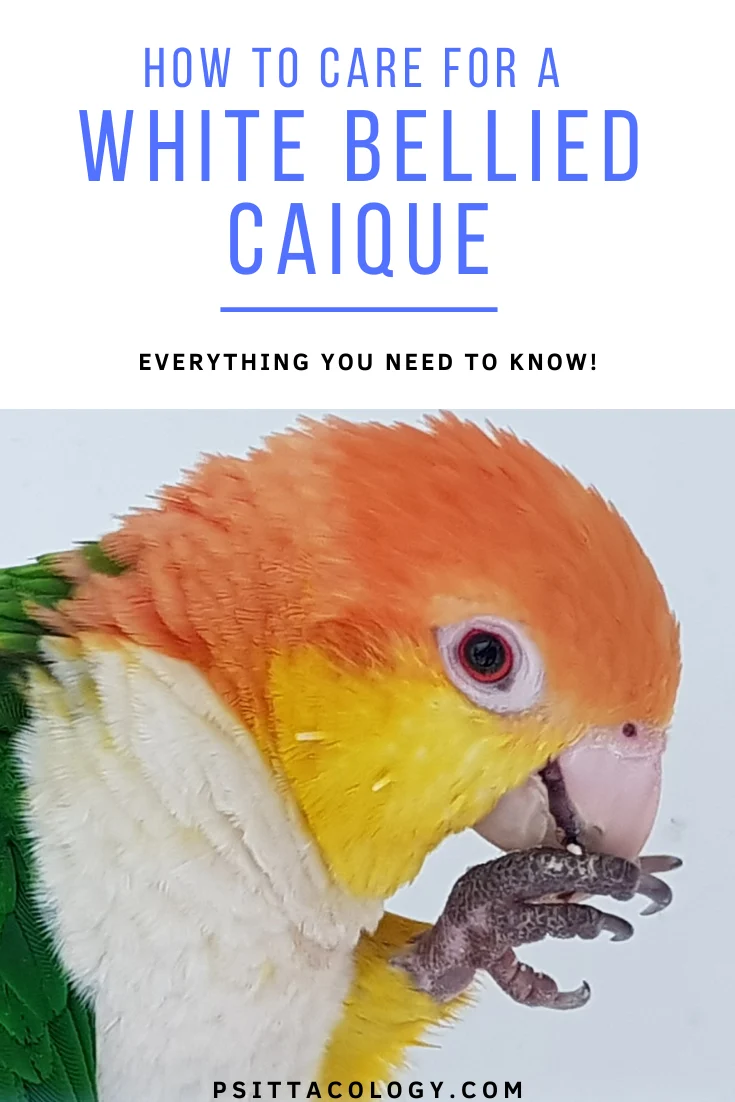
The White-bellied Caique, a strikingly colorful and energetic parrot species native to South America, has captivated avian enthusiasts worldwide. Renowned for its bold personality and playful antics, this species, often dubbed the "clown of the parrot world," demands significant commitment and specialized care from potential owners. Before acquiring one of these intelligent birds, it is imperative to understand their complex needs, from their natural behaviors and dietary requirements to their social dynamics and potential health considerations. Their vibrant presence promises decades of companionship, given a well-informed and dedicated approach to their welfare.
Species Profile and Physical Characteristics
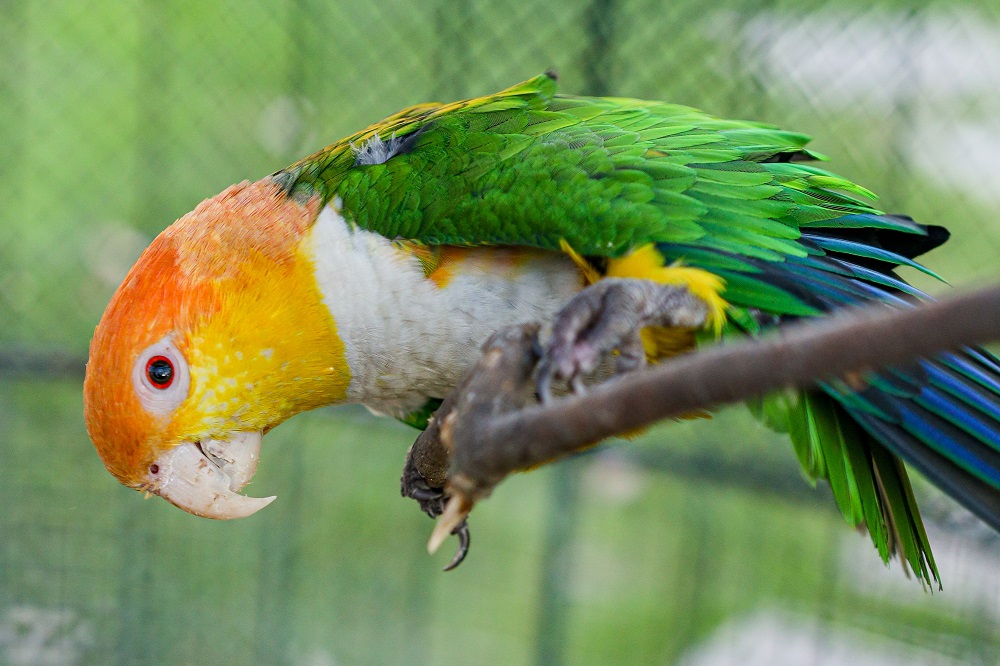
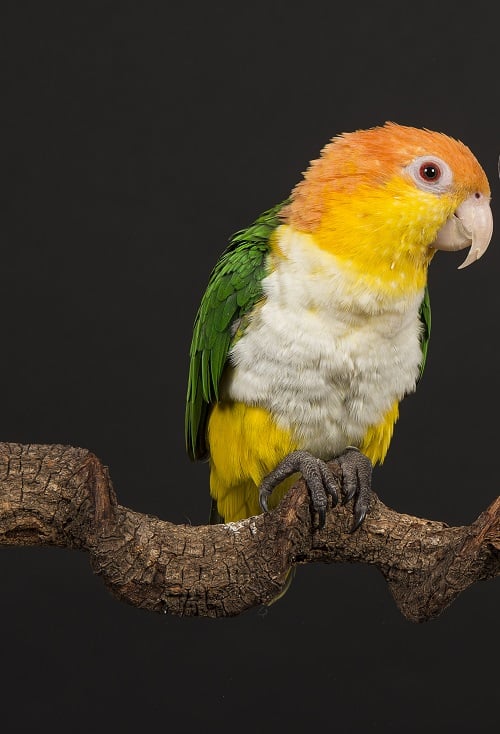
White-bellied Caiques (scientific name Pionites leucogaster) are compact, stocky parrots typically reaching an adult size of approximately 23 centimeters (9 inches) and weighing up to 170 grams. Their distinctive appearance features a predominantly white to cream-colored chest and belly, which gives them their common name. The head is characterized by an orange crown, contrasting with yellow cheeks. Their wings and back display a rich green, complemented by a beige beak. One of their most unusual features is their reddish eyes, encircled by a bare, often peach-colored, eye-ring, which adds to their expressive demeanor. While visually captivating, discerning the sex of a White-bellied Caique requires DNA testing, as there are no discernible external differences between males and females.
Taxonomic Debates and Subspecies Differentiation
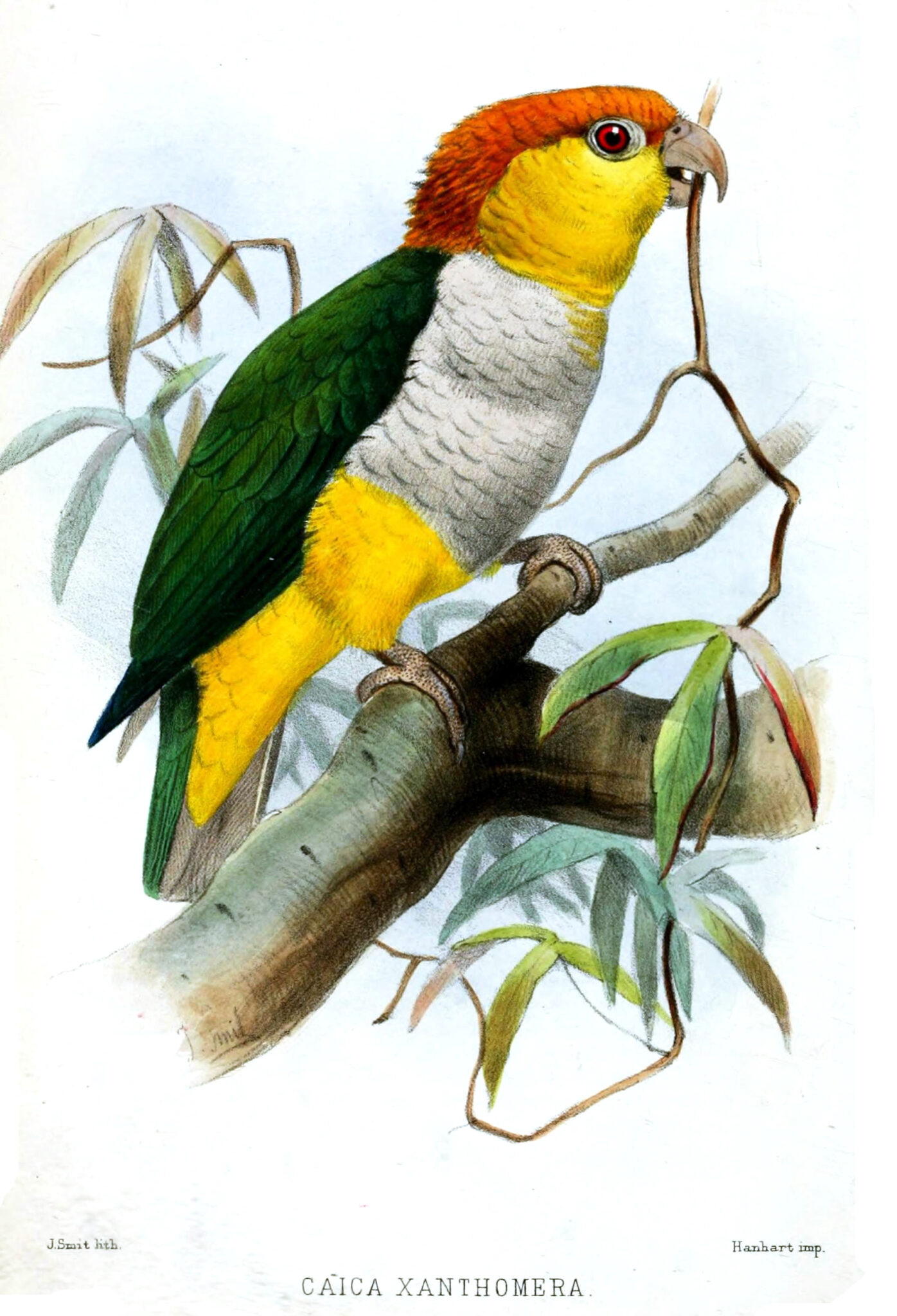
The classification of White-bellied Caiques within the Pionites genus has been a subject of ongoing scientific discussion. Traditionally, the genus was understood to comprise two species: the White-bellied Caique (P. leucogaster) and the Black-capped Caique (P. melanocephalus). Within this traditional framework, three subspecies of P. leucogaster were recognized, primarily distinguished by subtle color variations in their legs and tail feathers. These included P. l. leucogaster (the nominate subspecies, characterized by green thighs and a green tail), P. l. xanthomerius (often called the Yellow-thighed Caique, featuring yellow thighs and a green tail), and P. l. xanthurus (the Yellow-tailed Caique, with yellow thighs and a yellow tail).
However, more contemporary ornithological sources, such as "Birds of the World," have proposed a reclassification, elevating P. xanthomerius and P. xanthurus to full species status, separate from P. leucogaster. This re-evaluation is primarily based on the consistent color differences observed across populations. The scientific community continues to analyze genetic and morphological data to definitively resolve these taxonomic distinctions. Accurate classification is not merely an academic exercise; it plays a crucial role in conservation efforts, allowing for more precise monitoring and protection strategies for distinct populations that may face unique threats.
Native Habitat and Conservation Status

White-bellied Caiques are endemic to the canopies of the humid rainforests within the vast Amazon basin of South America. Their geographic range extends primarily across Brazil, particularly the Amazon region, with populations also found in parts of Bolivia, Peru, Ecuador, and Colombia. In their natural environment, these social parrots typically inhabit the upper strata of the forest, nesting in hollow trees. Observations indicate that they commonly live in small, cohesive groups of up to ten individuals, reflecting their highly social nature.
Despite their widespread distribution, the majority of White-bellied Caique populations, particularly Pionites leucogaster, are currently listed as "Endangered" by the International Union for Conservation of Nature (IUCN). This critical status is predominantly a consequence of severe habitat loss driven by extensive deforestation of the Amazon rainforest. Agricultural expansion, logging, mining, and infrastructure development relentlessly encroach upon their natural territories, fragmenting populations and reducing available resources. The illegal pet trade also contributes to population declines, though habitat destruction remains the primary threat. Conservation organizations, including the IUCN and various local environmental groups, continuously monitor populations and advocate for stricter protection measures, reforestation initiatives, and sustainable land management practices to safeguard these vibrant birds and their fragile ecosystem.
Dietary Habits: Wild vs. Domestic
Understanding the natural diet of White-bellied Caiques is fundamental to providing optimal nutrition in captivity. A comprehensive 2014 study by Lee et al., which observed 190 wild White-bellied Caiques, revealed an astonishing dietary diversity, with birds feeding on no fewer than 44 different plant species. Their diet exhibited seasonal variations but predominantly consisted of seeds, including fruit seeds, and a wide array of fruits, many of which were consumed unripe. Flowers and flower buds constituted a significant portion of their intake. Another study highlighted their role as important pollinators, as they also consume pollen and nectar. Occasionally, they were observed ingesting miscellaneous items such as leaves, bark, and even ants. Furthermore, these parrots regularly visited natural clay licks, presumably to obtain essential micronutrients and detoxify plant compounds.

Replicating such a diverse natural diet in a domestic setting presents challenges, as many of the specific seeds, fruits, and flowers consumed in the wild are not readily available. Therefore, responsible domestic care necessitates a carefully formulated diet that avoids common pitfalls. A seed-only diet, a frequent mistake among inexperienced parrot owners, is nutritionally inadequate and excessively fatty, leading to deficiencies and health issues. Similarly, while caiques are fruit enthusiasts, relying heavily on commercially cultivated fruits is not advisable. Domestic fruits are typically much higher in sugars than their wild counterparts, and wild caiques often consume fruits unripe, further reducing sugar content.
An ideal domestic diet for White-bellied Caiques should primarily consist of high-quality, species-appropriate pelleted food, which provides a balanced foundation of essential nutrients. This should be supplemented daily with a wide variety of fresh vegetables, particularly leafy greens, sprouts, and non-starchy options. A smaller proportion of healthy fruits, such as berries, melon, and citrus, can be offered. Cooked legumes, whole grains, and a minimal amount of healthy seeds (like flax or chia) can also be included. Very fatty or sugary foods, such as nuts and dried fruits, should be reserved as occasional treats or for positive reinforcement during training sessions. Constant access to fresh, clean water from multiple sources is crucial, as is the provision of a calcium block to support bone health and other physiological functions. Avian veterinarians play a critical role in tailoring dietary plans to individual birds’ needs, ensuring comprehensive nutritional well-being.
Temperament and Behavioral Traits
The White-bellied Caique’s temperament is arguably its most defining characteristic, setting it apart from many other parrot species. While all parrots exhibit intelligence and playfulness, caiques elevate these traits to an extraordinary level, earning their reputation as the "clowns of the parrot world." Their antics include "caique surfing" on towels, vigorous dancing, and an insatiable desire for playful interaction.
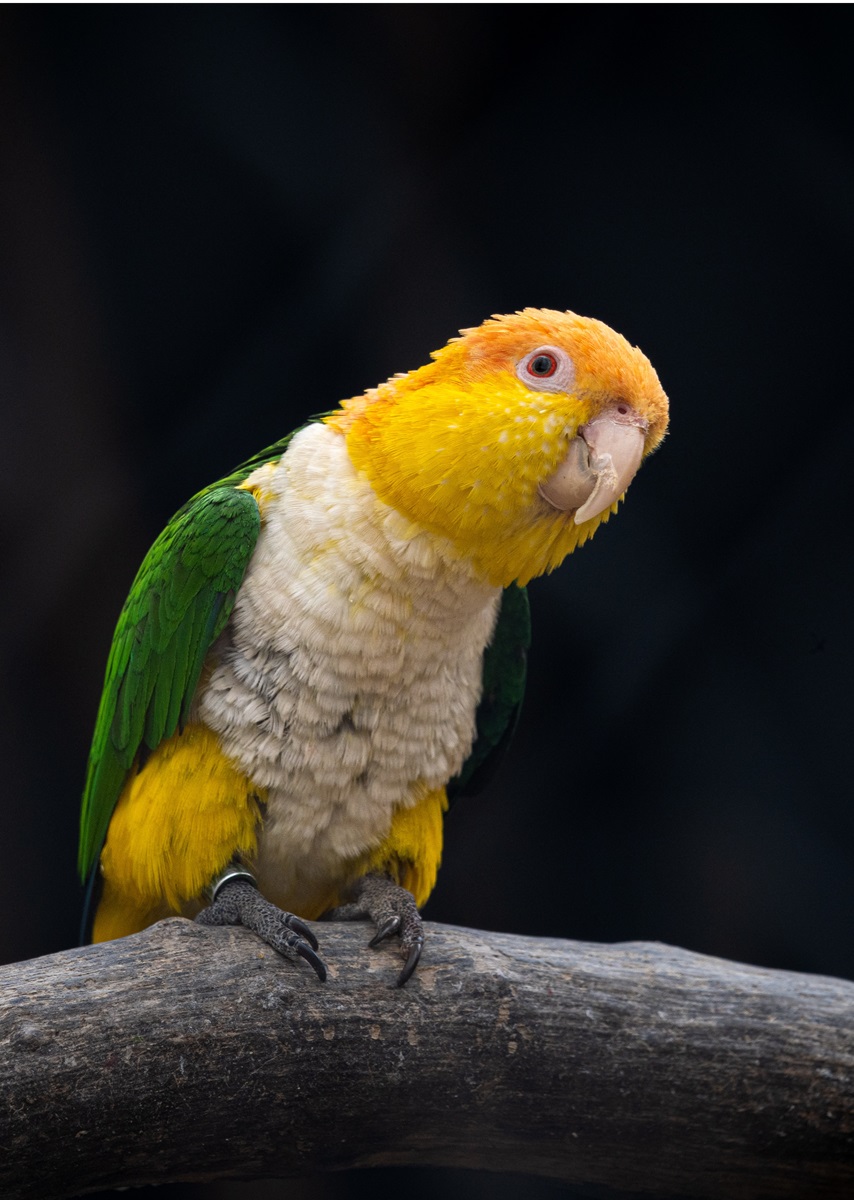
These birds are capable of forming incredibly strong bonds with their human companions. However, this deep connection comes with a caveat. As caiques mature and pass through puberty (typically between one and three years of age), their behavior can become more challenging. Like many parrots, they often develop a primary bond with one individual, and during certain periods, they may exhibit territoriality or aggression towards others, or even towards their preferred human. Behavioral experts emphasize that this phase requires immense patience, consistent positive reinforcement training, and a deep understanding of parrot psychology to manage effectively. Ignoring or mishandling these behaviors can lead to persistent issues, including biting.
A well-socialized caique thrives on extensive interaction and playtime. Owners must be prepared to dedicate several hours daily to their bird; otherwise, the acquisition of a second caique, if properly introduced and managed, might be considered to prevent loneliness and behavioral problems. It is crucial to note that caiques are highly territorial and generally should not be housed with other bird species due to the significant risk of aggression and injury over perceived disputes regarding space or food.
Their boundless energy means they require constant mental and physical stimulation. They possess a natural inclination to explore, chew, and manipulate objects, leading to frequent "mayhem" in their environment. Owners should anticipate and prepare for items being chewed, thrown, or dismantled. Proper training, focused on redirecting destructive behaviors towards appropriate toys and activities, is essential. Despite their occasional mischievousness and bouts of crankiness, their unique blend of affection, intelligence, and comedic charm makes them deeply rewarding companions for those equipped to handle their intensity. Content from experienced caique owners, such as the widely followed "Jalapeño Pancake" on Instagram, offers candid insights into the daily life with these boisterous birds.
Housing Requirements and Environmental Enrichment

Given their explosive energy levels, White-bellied Caiques necessitate spacious and stimulating living environments. Even with ample out-of-cage time, a large enclosure is paramount for their physical and psychological well-being. Cages must be constructed from sturdy, non-toxic materials, preferably powder-coated steel, with appropriate bar spacing to prevent escapes or injuries. Caiques are highly intelligent and adept at manipulating latches, so secure, parrot-proof locking mechanisms are essential. Their strong chewing instincts demand that the cage itself be robust and that a continuous supply of chewable toys be provided.
A well-appointed cage should include multiple natural perches of varying diameters and textures to promote foot health. Food and water bowls, ideally made of stainless steel for hygiene, should be strategically placed. A bird bath or a designated area for showering is also beneficial, as caiques enjoy bathing. Due to their need for several hours of supervised out-of-cage time daily, establishing a dedicated "playgym" or playstand outside the cage is highly recommended. These structures, often made from natural, bird-safe wood, provide additional opportunities for climbing, chewing, and engaging with toys, further enriching their environment.
Critically, any room a caique has access to must be thoroughly "parrot-proofed." Their insatiable curiosity and destructive tendencies can lead to dangerous situations for both the bird and household items. Owners must remove or secure electrical cords, toxic plants, small ingestible objects, and any other potential hazards. Furthermore, strict avoidance of scented products (e.g., air fresheners, candles, cleaning sprays) and items that emit fumes (e.g., non-stick cookware) near birds is vital, as their respiratory systems are highly sensitive to airborne toxins.
White-bellied Caique Enrichment
All parrots, including caiques, require consistent and varied enrichment to prevent boredom, loneliness, and the onset of stress-related behaviors such as feather plucking, excessive screaming, and aggression. In the wild, caiques spend their days foraging, socializing within their flock, and engaging their keen intellect. Replicating these activities in captivity is essential for their welfare.
Key strategies for daily enrichment include:
- Foraging Opportunities: Hiding food in puzzle toys, foraging boxes, or scattered within the cage encourages natural foraging behaviors, providing mental stimulation and extending feeding times.
- Destructible Toys: Providing a continuous supply of shreddable toys made from paper, cardboard, natural fibers, or soft wood allows them to satisfy their innate chewing instincts.
- Physical Activity: Offering swings, ropes, ladders, and various perches promotes climbing, acrobatics, and strengthens muscles. Regular supervised out-of-cage flight or climbing time is indispensable.
- Social Interaction: Daily, dedicated interaction with human companions is vital. This includes talking, playing, training sessions, and simply being present in their environment. If a single caique is kept, human interaction becomes even more critical.
- Bathing Opportunities: Providing a bird bath or regular showers not only keeps their plumage healthy but also serves as a fun and stimulating activity.
- Training: Engaging in positive reinforcement training for tricks, recall, or target training stimulates their minds and strengthens the bond with their owner.
Vocalization and Communication
Relative to many other parrot species, White-bellied Caiques are not considered among the loudest, though the concept of a truly "quiet" parrot is largely mythical. They possess the capacity for significant vocalizations. For much of the day, their sounds typically consist of charming whistles, beeps, and soft squawks, maintained at a generally acceptable noise level for many households. However, they are also capable of emitting surprisingly shrill and piercing screams. This ability is a natural adaptation, allowing them to locate flock members across vast distances within their dense rainforest habitat. For individuals residing in apartments or shared living spaces, caiques are often a more manageable choice than larger, louder parrot species, but prospective owners must still be prepared for periods of intense vocalization. The expectation of complete silence after bringing any parrot into the home is unrealistic.
Regarding their ability to mimic human speech, White-bellied Caiques are not renowned as talented talkers and generally cannot compete with champion talking species like African Greys or Amazon parrots. While some individuals may pick up a few words or phrases, their vocal skills are more geared towards whistles and tunes. They are excellent candidates for vocalization training in this regard. Teaching a caique a short tune, such as a wolf whistle or a simple melody, can be a rewarding experience. Consistent repetition of the chosen sound throughout the day, coupled with positive reinforcement (e.g., a small treat) when the bird attempts to replicate it, is an effective training method that also serves as valuable bonding and mental enrichment.
Health and Veterinary Care
Prioritizing the health of a White-bellied Caique is paramount for any prospective owner. Like all pets, these curious and active birds are susceptible to medical emergencies and various illnesses. Before bringing a caique into the family, it is crucial to establish a relationship with an experienced avian veterinarian and have their contact information readily available. Understanding common symptoms of illness, such as changes in appetite, lethargy, ruffled feathers, or altered droppings, is vital for early detection and intervention.
White-bellied Caiques are notably susceptible to Polyomavirus, a serious viral disease that can cause severe organ issues, particularly in young birds under four weeks of age, often proving fatal. Avian veterinarians strongly recommend vaccinating caiques against this disease to provide crucial protection. Beyond Polyomavirus, caiques can also be affected by other common avian ailments, including Psittacosis (Chlamydiosis), PBFD (Psittacine Beak and Feather Disease), and various bacterial or fungal infections. Regular veterinary check-ups, typically annually, are essential for preventative care, early diagnosis, and maintaining the bird’s long-term health. Responsible ownership includes not only daily care but also a proactive approach to veterinary oversight and preparedness for potential health crises.
Frequently Asked Questions
- How long do caiques live? White-bellied Caiques are long-lived companions. With proper care, diet, and veterinary attention, they can live for over 40 years, representing a significant, multi-decade commitment for their owners.
- Are caiques good for beginners? Due to their complex behavioral needs, high energy levels, potential for aggression, and specialized care requirements, White-bellied Caiques are generally not recommended for novice parrot keepers. They are best suited for individuals with prior experience in parrot ownership and a deep understanding of avian behavior.
- Are caiques aggressive? Caiques can exhibit aggressive tendencies, particularly during puberty or when territoriality is triggered. While they are capable of forming strong bonds, some owners describe moments where they appear intensely focused or even "possessed" during mating season or seemingly without clear provocation. Consistent socialization, positive reinforcement training, and a patient, understanding approach are critical to managing and mitigating these behaviors.
The White-bellied Caique, with its unparalleled personality and dynamic presence, offers a unique and profoundly rewarding experience for the right owner. Their vibrant colors, playful antics, and deep capacity for bonding make them truly exceptional avian companions. However, their complex needs, long lifespan, and challenging behavioral traits necessitate a commitment that extends far beyond casual pet ownership. Prospective owners must thoroughly educate themselves, prepare for the demands of their care, and embrace the journey with these remarkable "clowns of the parrot world."

