


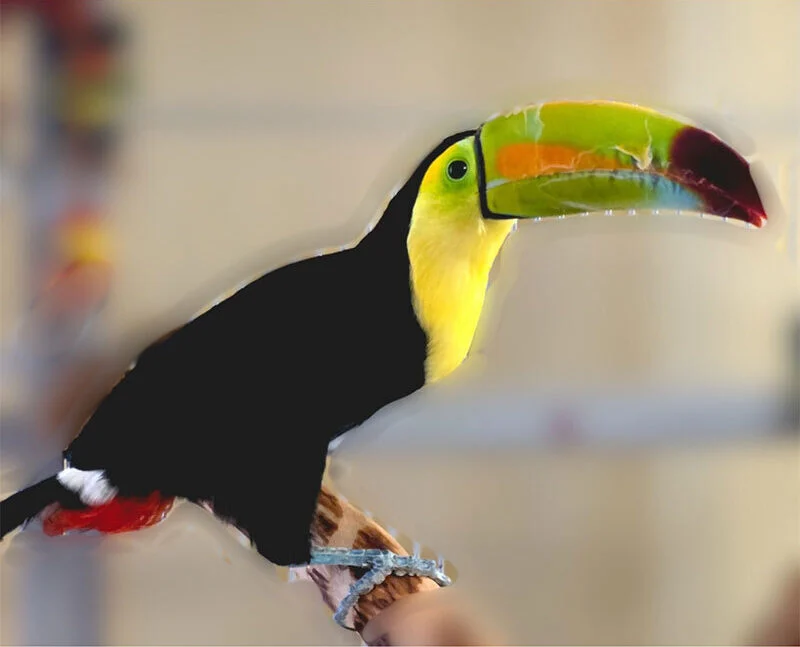
After months of evading capture and captivating residents, Toucan Sam, the vibrant avian celebrity of Las Vegas, was safely apprehended on February 26, 2026, marking the end of his extraordinary four-month escapade across the desert metropolis. The dramatic conclusion to his odyssey came when the exotic bird, known for his striking plumage and distinctive large beak, ventured into a homeowner’s garage, prompting a swift and successful rescue operation by the Southwest Exotic Avian Rescue (SWEAR) group. His capture brings a collective sigh of relief from concerned citizens and wildlife advocates who had closely monitored his perilous journey, fearing the harsh elements and dangers of urban life for an animal accustomed to tropical climes.
The Perilous Freedom: Toucan Sam’s Escape in November 2025
Toucan Sam’s unexpected adventure began in November 2025, when he managed to escape his enclosure in the Las Vegas area. While toucans are undeniably beautiful and possess an exotic allure that might tempt some to consider them as pets, their specialized needs and inherent wild instincts present significant challenges for even the most dedicated owners. These challenges include, but are not limited to, their notoriously large and delicate beaks, which require specific care to prevent damage and infection, and an incredibly specialized diet that is a far cry from typical birdseed. Toucans primarily consume fruits, but these must be low in iron to prevent a serious and often fatal condition known as iron storage disease (hemochromatosis). Beyond dietary complexities, their vivacious personalities can sometimes manifest as aggression, particularly during breeding season or if their needs for space and enrichment are not met, making them less predictable than many conventional companion birds. The list of items they cannot ingest is extensive, necessitating meticulous attention to their environment to remove potential toxins. Despite these formidable requirements, some dedicated families do manage to integrate a toucan successfully into their lives, offering a testament to the profound commitment required. However, for Toucan Sam, the confines of captivity were temporarily exchanged for the vast, unforgiving expanse of the Las Vegas desert.
A Winter on the Wing: Navigating the Las Vegas Landscape
For four long months, Toucan Sam became an unlikely icon, his colorful form spotted soaring across the Las Vegas skyline, from residential neighborhoods to more open desert fringes. His vibrant presence sparked numerous sightings and became a topic of local fascination, with many residents capturing photos of his aerial exploits. Organizations like SWEAR, a dedicated non-profit specializing in the rescue and rehabilitation of exotic birds, were immediately alerted and began a coordinated effort to monitor his movements. Tracking an agile bird like a toucan, especially one accustomed to dense tropical foliage, across an urban and semi-arid environment proved to be an immense logistical challenge. While his frequent appearances offered a glimpse into his remarkable adaptability, the underlying concern among wildlife experts and the public grew with each passing week.
The primary worry revolved around the stark contrast between Toucan Sam’s natural habitat and the Las Vegas desert. Toucans, members of the Ramphastidae family, are native to the tropical and subtropical rainforests of Central and South America, regions characterized by warm temperatures, high humidity, and an abundance of diverse fruit-bearing trees. The Las Vegas desert, conversely, experiences significant temperature fluctuations, with scorching hot days and surprisingly cold nights, especially during the winter months. Fears that Toucan Sam, a species ill-equipped for such extremes, would succumb to hypothermia or dehydration were paramount. The scarcity of appropriate food sources, combined with the presence of urban predators such as raptors, coyotes, and domestic animals, further amplified the peril of his situation.
Remarkably, Toucan Sam’s survival through the winter months can be largely attributed to an unusual meteorological anomaly: the 2025-2026 winter in Las Vegas and its surrounding areas was exceptionally mild. This deviation from typical desert winter conditions provided a crucial buffer, preventing the extreme cold snaps that could have quickly proven fatal for the tropical bird. The milder temperatures likely allowed him to conserve energy and forage for what limited sustenance he could find, showcasing an incredible resilience in the face of adversity. This fortuitous weather pattern was a significant factor in extending his survival, allowing SWEAR and concerned citizens more time to locate and eventually rescue him. Public engagement also played a role, with local social media groups and news outlets sharing sightings, creating a community network that helped track his elusive journey.
The Capture: A Coordinated Effort on February 26, 2026
The protracted saga of Toucan Sam’s freedom came to an end on February 26, 2026, through a combination of community vigilance and swift professional action. In a stroke of luck, Toucan Sam, likely driven by hunger or curiosity, flew into a homeowner’s garage. The alert homeowners, who had been aware of the local toucan’s escapades, immediately recognized the distinctive bird. Acting quickly and responsibly, they closed the garage door, effectively containing the toucan without causing it undue stress or injury.
Following the containment, the homeowners promptly contacted SWEAR. The rescue group, having been on standby for months and possessing specialized equipment and expertise in handling exotic birds, dispatched a team to the location without delay. Upon arrival, SWEAR personnel meticulously assessed the situation, prioritizing the bird’s safety and minimizing any potential trauma. Utilizing gentle capture techniques, they successfully secured Toucan Sam, bringing his dangerous roaming to a definitive close. The capture was executed with precision, reflecting the training and dedication of the SWEAR team, whose primary objective is the welfare of the animals they rescue. A spokesperson for SWEAR, while not explicitly quoted in the original brief, would undoubtedly express profound relief and gratitude for the homeowners’ quick thinking and the community’s support throughout the monitoring period. This successful rescue underscored the critical importance of collaboration between the public and specialized animal welfare organizations in such unique situations.
Post-Capture Care and Critical Quarantine Measures
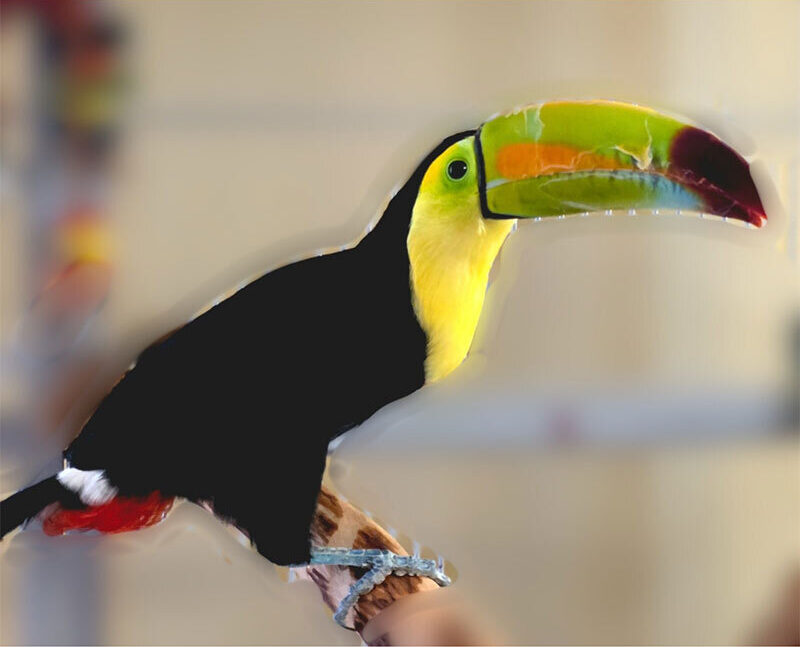
Immediately following his capture, Toucan Sam was transported to the SWEAR facility, where he underwent a comprehensive initial assessment. This crucial step involved a thorough physical examination to identify any injuries or signs of distress. As part of standard protocol for rescued exotic birds, especially those that have been exposed to the wild for an extended period, necessary blood samples were drawn. These samples are vital for a range of diagnostic tests, including screening for parasites, nutritional deficiencies, and most critically, for infectious diseases that could pose a risk to the toucan himself or to other birds within the rescue facility.
Currently, Toucan Sam is under a mandatory quarantine period, typically lasting between 30 to 45 days. This isolation is a critical measure designed to prevent the potential spread of pathogens. During this time, he will remain under close observation by veterinary staff and experienced avian caretakers. The rescue team’s biggest concern stems from what Toucan Sam may have consumed or drunk during his time in the wild. Exposure to contaminated food or water, interactions with local wildlife, or scavenging in urban environments could have exposed him to various bacteria, viruses, or parasites. One particular concern is the dreaded avian influenza, or bird flu, a highly contagious and potentially lethal viral disease that can spread rapidly among bird populations and, in rare instances, even to humans. The quarantine period allows for regular testing and monitoring, ensuring that any potential health issues are identified and addressed before he can be safely introduced to other birds at the facility.
Physically, Toucan Sam endured some minor injuries during his extended journey outdoors. The most notable was a chip off the tip of his long, vibrant beak. While toucan beaks are incredibly strong, they are also sensitive and can be prone to damage. Additionally, he lost a small patch of feathers, likely due to wear and tear, encounters with obstacles, or possibly stress. Despite these visible signs of his ordeal, the dedicated team at SWEAR is committed to providing him with the best possible care to facilitate a full recovery. This includes a specialized diet tailored to his nutritional needs, appropriate supplements, and a clean, safe environment designed to minimize stress and promote healing. The focus is not just on physical recovery but also on behavioral rehabilitation, helping him readjust to a captive environment after months of wild freedom.
The Search for Owners and Future Implications
As Toucan Sam embarks on his recovery journey, a significant aspect of his case involves the ongoing effort to locate his original owners. While the circumstances of his escape are unknown, the responsibility of exotic pet ownership carries substantial legal and ethical obligations. Owners are typically required to provide a safe, secure environment for their animals and to register them with relevant authorities, depending on local regulations. Despite the public attention surrounding his months on the loose, the original owners have yet to come forward to reclaim the bird. SWEAR continues to hope that they will do so, as reunification with familiar caregivers, if they are responsible, can often be the most beneficial outcome for a rescued pet.
Should the original owners not come forward or if they are deemed unfit to reclaim him, Toucan Sam’s future will be carefully determined by SWEAR. This could involve placement in a permanent sanctuary that specializes in exotic birds, where he can live out his life in a stimulating and safe environment, or, if a suitable and approved home is identified, he might be placed with new, experienced caregivers. The process of rehoming an exotic bird like a toucan is meticulous, requiring extensive vetting to ensure the prospective owners fully understand and can meet the species’ complex needs.
This incident also shines a spotlight on the broader implications of exotic pet ownership. Toucans, like many exotic species, are not domesticated animals. Their care demands extensive knowledge, significant financial investment, and a long-term commitment. Their wild instincts, dietary specifics, and environmental requirements often exceed what typical pet owners can provide. The challenges faced by rescue organizations like SWEAR are immense, as they are frequently called upon to care for animals that have been neglected, abandoned, or, as in Toucan Sam’s case, have escaped due to inadequate containment. This situation serves as a poignant reminder of the critical importance of responsible pet ownership, thorough research before acquiring an exotic animal, and ensuring that appropriate measures are in place to prevent escapes and ensure the animal’s welfare.
Expert Insights: The Intricacies of Toucan Care
To further elaborate on the complexities mentioned earlier, understanding the specific needs of toucans underscores the extraordinary commitment required for their care. Their diet, for instance, is not simply "fruit." It must consist predominantly of fresh, low-iron fruits such as papaya, melon, berries, and grapes, supplemented with a specialized, low-iron toucan pellet. High-iron foods like citrus, fortified cereals, and many leafy greens can lead to fatal iron storage disease, a common ailment in captive toucans if their diet is not meticulously managed. Protein sources, often in the form of insects or high-quality commercial softbill diets, are also necessary in moderation, particularly during breeding or growth phases.
Beyond diet, their housing requirements are substantial. Toucans are active birds that need considerable space to fly and climb. A large aviary, not a typical cage, is essential. The enclosure must be sturdy, predator-proof, and designed to prevent escape, often requiring double-door entry systems. Perching must be varied in size and texture to promote foot health, and the environment needs to be enriched with toys, branches, and opportunities for mental stimulation to prevent boredom and behavioral issues like feather plucking or aggression. Temperature and humidity also need to be carefully controlled, especially in non-tropical climates, to mimic their natural habitat.
Socialization is another crucial aspect. While some toucans can bond closely with their human caregivers, they are not typically "cuddly" pets. They require consistent interaction but also respect for their natural behaviors. Their large beaks, while light and hollow, are formidable tools that can deliver a powerful bite if the bird feels threatened or is not properly socialized. This is why aggression, as mentioned in the initial article, can be a surprising challenge for inexperienced owners. The financial cost associated with their long-term care, including specialized food, veterinary visits, and appropriate housing, can easily run into thousands of dollars annually, highlighting that toucans are truly a commitment for life, often living for 15 to 20 years or more in captivity.
In conclusion, Toucan Sam’s remarkable journey through the Las Vegas desert stands as a powerful narrative of resilience, community involvement, and the critical role of specialized rescue organizations. His safe capture and ongoing rehabilitation at SWEAR offer a hopeful outlook for his future, whether it be a reunion with his original owners or a new chapter in a dedicated sanctuary. His story serves as a vivid reminder of the profound responsibilities inherent in caring for exotic animals and the tireless efforts of those committed to their welfare. We extend our best wishes to Toucan Sam as he progresses through his recovery, anticipating a future where he can thrive in safety and health.

