


The diversity of avian plumage is one of the most studied aspects of evolutionary biology, serving as a visual map of a species’ survival strategies, habitat adaptation, and reproductive signaling. While birdwatchers often gravitate toward the brilliant iridescence of hummingbirds or the stark contrast of raptors, the muted, earth-toned palette of many species—specifically those exhibiting brown upperparts paired with vibrant orange breasts—offers a compelling study in natural selection. These colorations, primarily derived from melanin-based pigments, serve critical roles in camouflage and social communication. By examining a curated selection of species across different continents, one can better understand the environmental pressures that have shaped these specific phenotypic traits.
The Biological Basis of Avian Coloration
To understand why a bird possesses a specific color profile, one must first distinguish between the two primary mechanisms of feather pigmentation: chemical pigments and structural coloration. The brown, gray, and orange hues observed in the species discussed here are primarily the result of melanins. Melanin is a complex pigment synthesized within the bird’s body, providing not only color but also structural integrity to the feathers, making them more resistant to wear and bacterial degradation.
Conversely, brighter, non-brown colors like yellow and red—when not derived from melanin—often rely on carotenoids. Unlike melanin, carotenoids cannot be synthesized by the birds themselves; they must be ingested through a diet rich in fruits, seeds, and specific invertebrates. The intensity of a bird’s orange or red plumage often serves as an "honest signal" of its health and foraging ability. If a male can maintain bright plumage, it demonstrates to potential mates that he is efficient at locating high-quality food sources. The absence of blue feathers is a well-documented phenomenon in biology; the color blue in birds is almost exclusively a result of light scattering through the physical structure of the feather barbs, a phenomenon known as Tyndall scattering.

Case Studies in Regional Distribution and Adaptation
The following list identifies several species that exhibit the characteristic brown-and-orange plumage, highlighting their ecological roles and distribution.
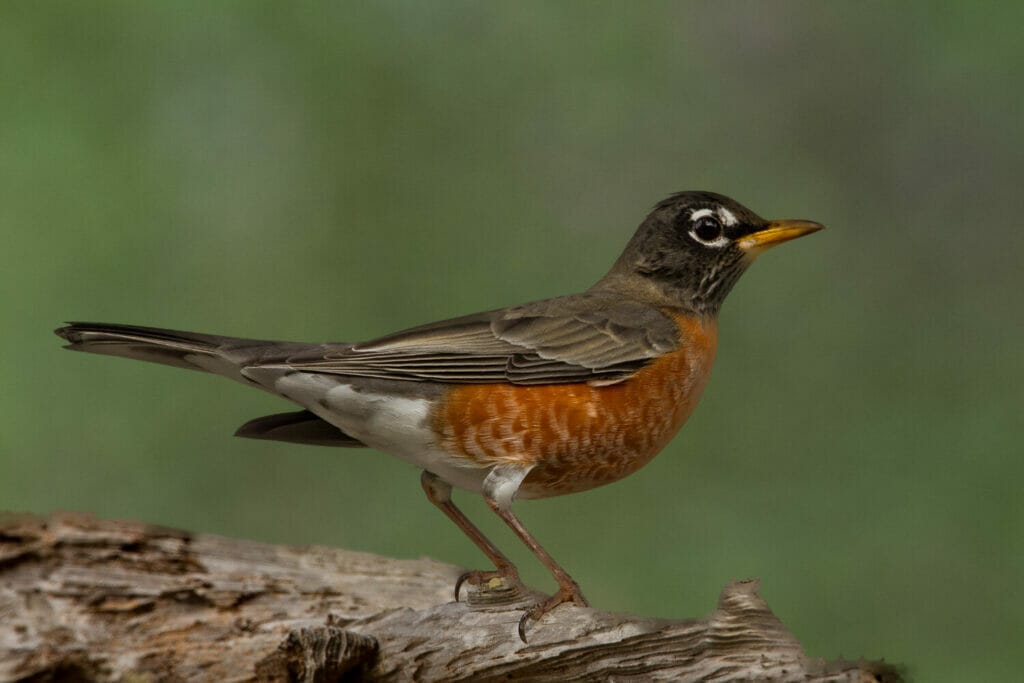
1. American Robin (Turdus migratorius)
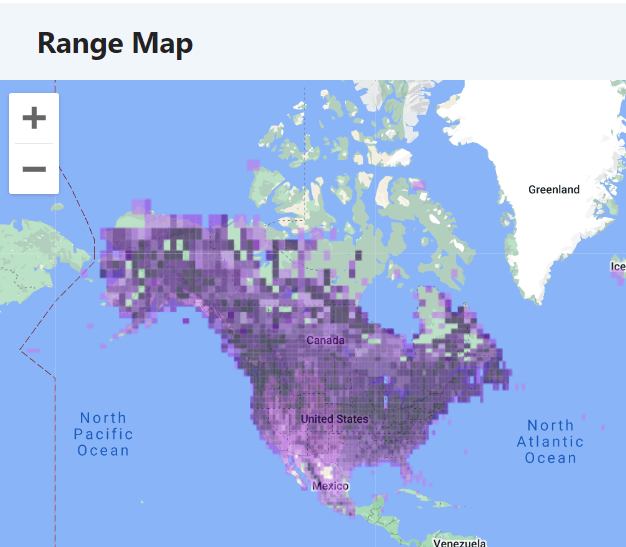
As one of the most recognizable thrushes in North America, the American Robin serves as a benchmark for this coloration pattern. Measuring between 7.9 and 11 inches, the robin is a ubiquitous presence in suburban and rural landscapes. Its gray-brown mantle and distinct orange-red breast have made it an icon of the transition from winter to spring. Recent ornithological data suggests that while these birds are migratory, many populations remain in their breeding grounds throughout the winter, provided there is an adequate supply of persistent fruits and berries, such as those from holly or juniper trees.
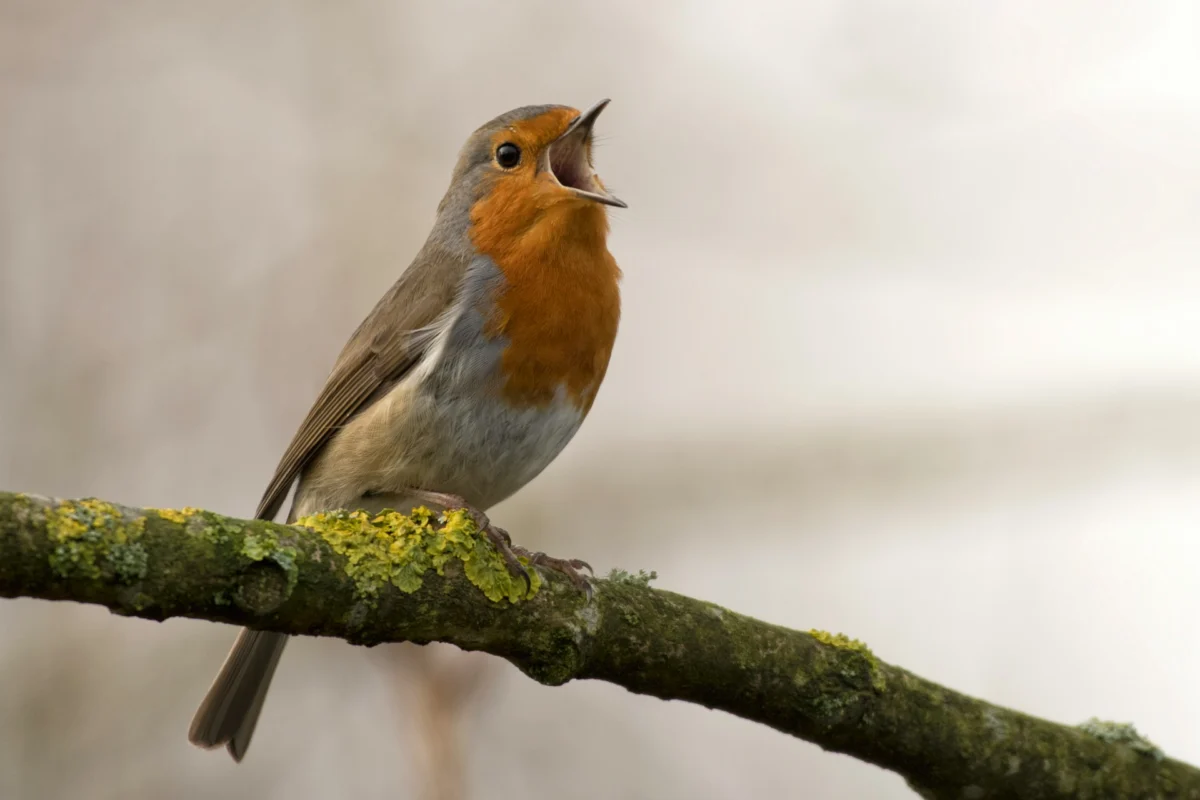
2. European Robin (Erithacus rubecula)
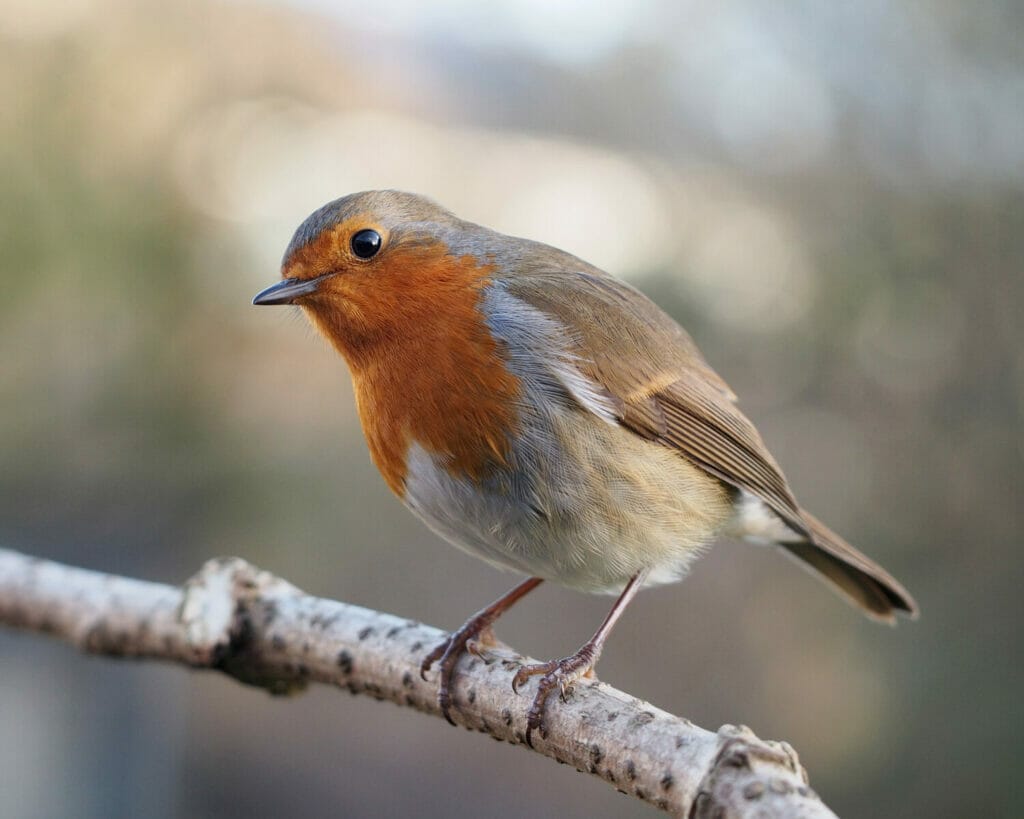
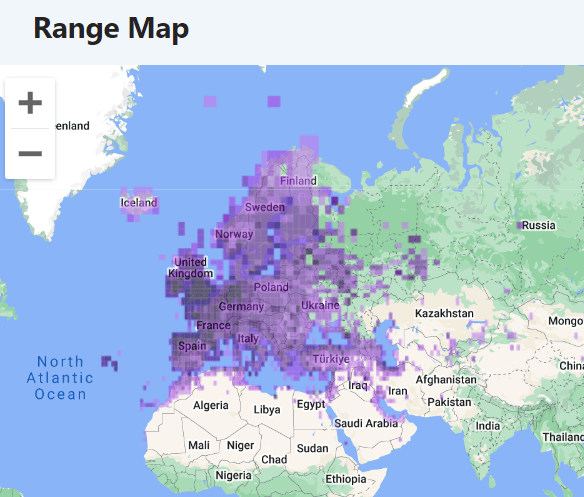
Distinct from its North American namesake, the European Robin is a smaller, more compact thrush. It is characterized by a reddish-orange face and chest that extends into a brownish-olive back. This species is highly territorial, a trait that has been observed in both males and females. The species is widespread across the Palearctic realm, and its vocalizations—which vary significantly throughout the breeding season—are often studied for their complexity and mimicry capabilities.
3. Sharp-shinned Hawk (Accipiter striatus)
Representing the raptor contingent, the Sharp-shinned Hawk displays a remarkable variation of this color scheme. Younger hawks typically exhibit brown plumage that serves as effective camouflage while hunting in dense forest understories. As they mature, their chests often develop a streaky orange-brown barred pattern. Known for their agility, these hawks are specialized bird-hunters. Their name is derived from their unfeathered, slender tarsi, which are an evolutionary adaptation for maneuvering through tight woodland branches at high speeds.

4. Orange-breasted Trogon (Harpactes oreskios)
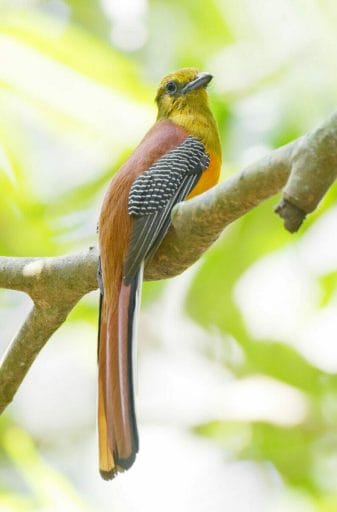
Found in the tropical forests of Southeast Asia, this species demonstrates a more vibrant application of the brown-orange color palette. Both sexes are relatively similar, featuring a cinnamon-brown back and a bright orange breast. Unlike many songbirds that forage in open fields, the trogon is a specialist of the mid-canopy. It utilizes a "sally-stall" hunting technique, where it hovers in front of foliage to startle insects into flight before capturing them, a highly efficient energy-saving mechanism in dense forest environments.

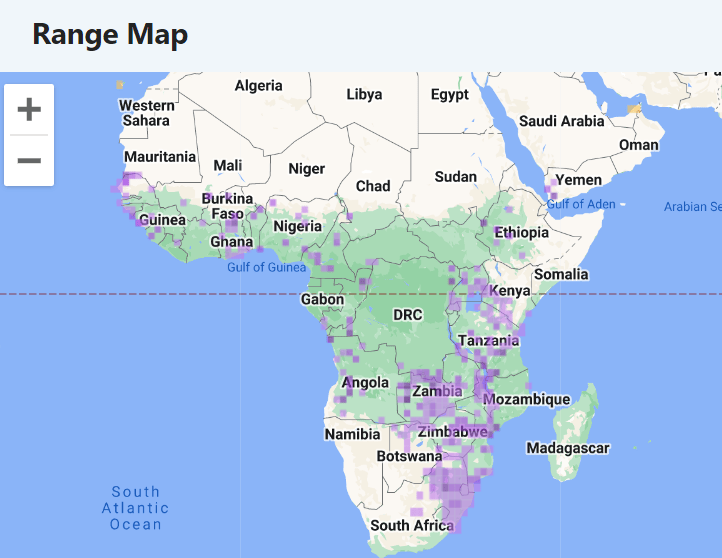
5. Zebra Waxbill (Amandava subflava)
This diminutive African finch, weighing less than half an ounce, is a study in precise, bold coloration. The male sports a vivid orange breast contrasted by an olive-brown back and a striking red rump. These birds are highly social and are known for complex courtship rituals, including intricate bowing and preening behaviors that establish pair bonds. They are primarily granivorous, though they supplement their diet with small insects during the peak of the breeding season.
6. Russet-bellied Spinetail (Synallaxis zimmeri)
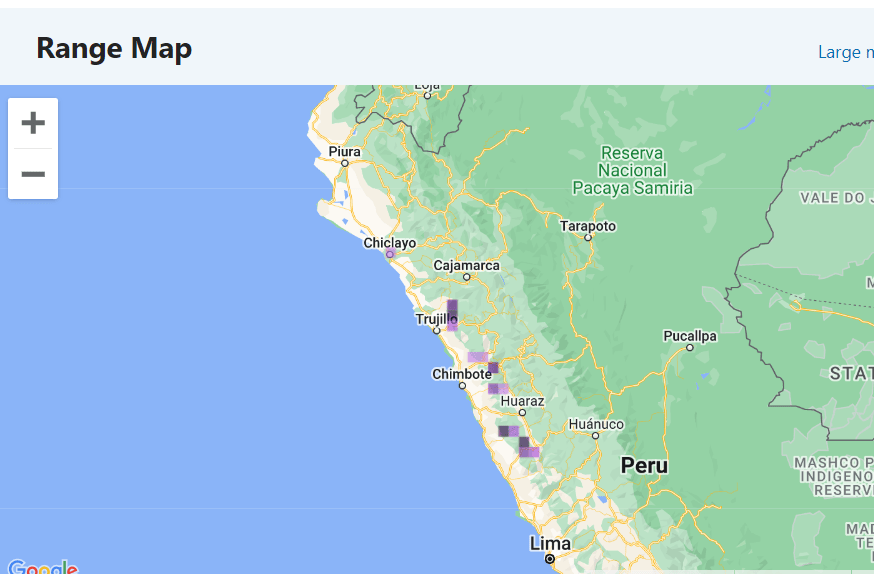
Endemic to the Andean region of Peru, the Russet-bellied Spinetail is an example of a species facing critical conservation challenges. Its plumage is a subtle blend of gray-brown wings and a russet-orange underbelly. As a habitat specialist, it is highly sensitive to the fragmentation of the Andean shrubland. Conservationists have noted that its population decline is directly linked to the lack of "biological corridors" that would allow the species to move between patches of suitable habitat.

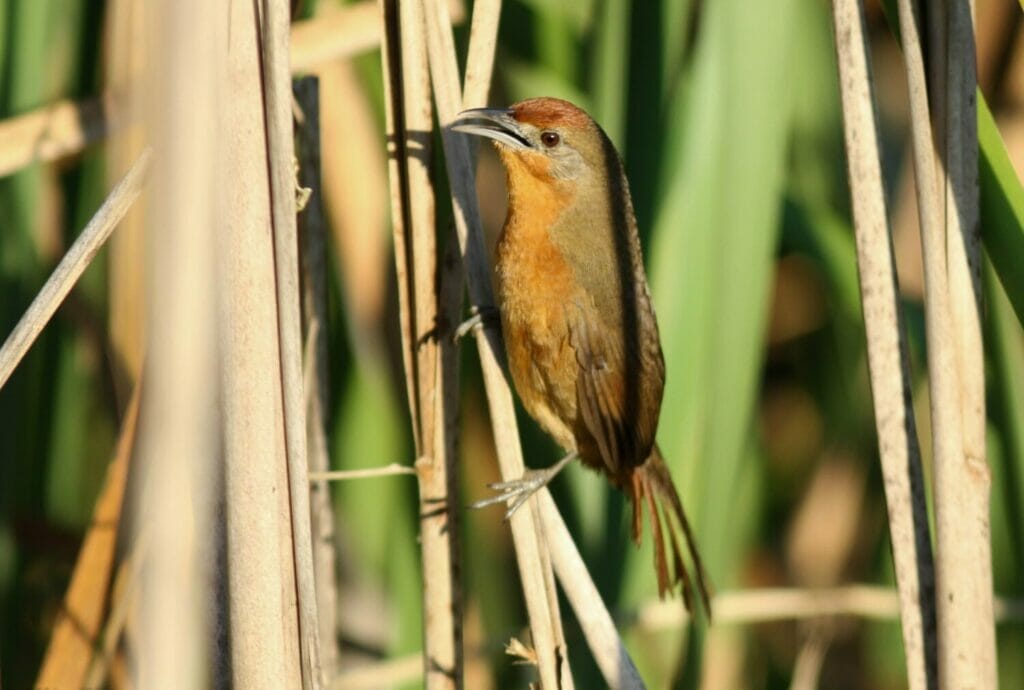
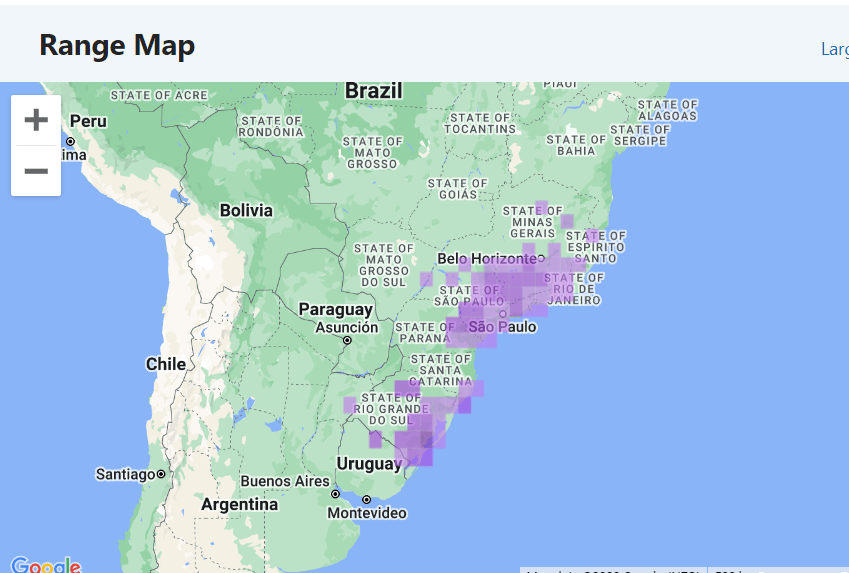
7. Orange-breasted Thornbird (Phacellodomus ferrugineigula)
Inhabiting the wetlands and marshlands of eastern South America, this species remains one of the least understood in terms of behavioral ecology. Its plumage is a muted, earthy brown that transitions into a soft orange hue on the breast. Despite its elusive nature, researchers have identified it as a vital indicator species for wetland health. The lack of extensive research into its life cycle highlights a broader need for funding and focus on non-charismatic, yet ecologically significant, avian species.

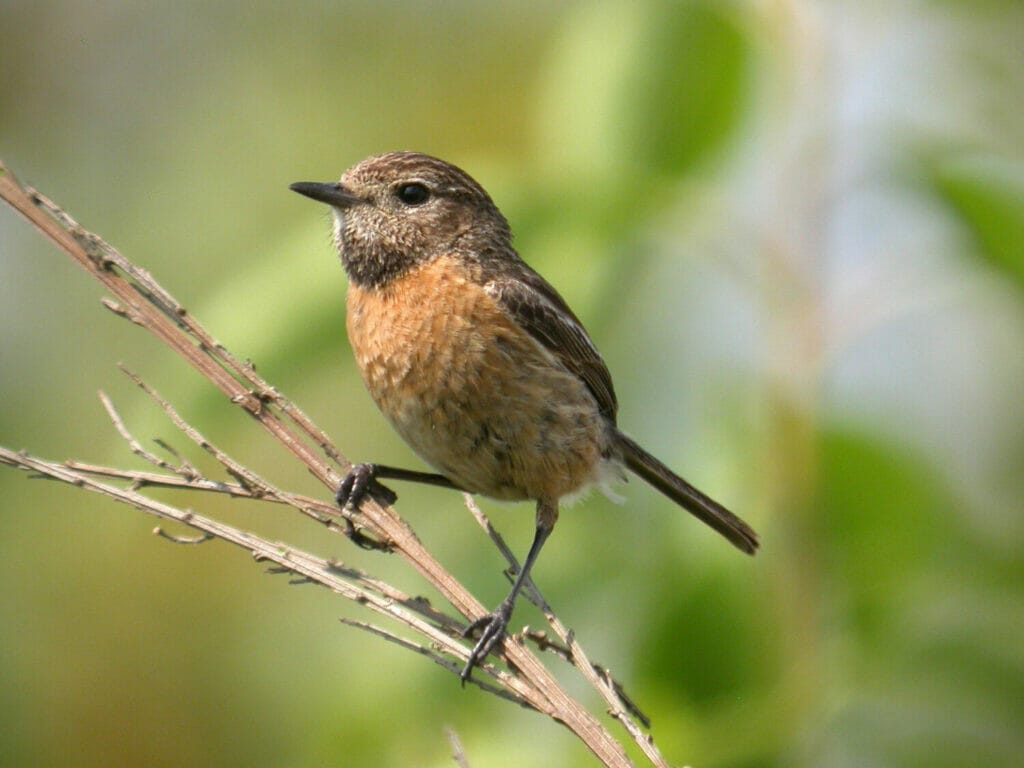
8. European Stonechat (Saxicola rubicola)
The female of this species presents a classic example of sexual dimorphism where the female is colored for concealment. She displays a mottled brown appearance with a faint, buff-orange chest, a stark contrast to the more vivid black-and-orange male. The name "stonechat" is derived from its alarm call, which mimics the sound of two stones being tapped together. This bird is a common sight in open heathlands and grasslands across Europe and Northern Africa.
9. Brambling (Fringilla montifringilla)
A hardy finch that breeds in the taiga forests of the north, the Brambling is a master of seasonal color change. During the winter months, their plumage is dominated by a warm orange-brown chest and intricate brown-and-black wing patterns. They are famous for their massive, nomadic flocks that can number in the millions. These aggregations are highly dependent on "mast years"—years in which beech trees produce an unusually large crop of nuts—demonstrating the deep interdependence between forest ecology and avian migration patterns.
Implications for Future Ornithological Study
The existence of these nine species—and others like them—underscores the complex balance between sexual selection and predator avoidance. In each instance, the brown coloration provides a necessary layer of protection against aerial and terrestrial predators, while the orange, in many cases, provides the necessary social signaling for reproductive success.
However, the case of the Russet-bellied Spinetail serves as a sobering reminder of the fragility of these adaptations. When habitat loss outpaces a species’ ability to adapt its behavioral or reproductive patterns, even the most successful camouflage becomes irrelevant. As climate change continues to alter the distribution of the insects and fruits that these birds rely upon, the chemical and structural integrity of their plumage may change. Future research must prioritize the intersection of metabolic health—specifically how diet affects carotenoid and melanin expression—and climate-driven habitat shifts.
Conclusion
The study of birds that combine brown plumage with orange chests is far more than an exercise in aesthetics; it is a gateway to understanding the broader mechanics of the natural world. From the suburban lawns of North America to the high-altitude Andes and the dense forests of Southeast Asia, these birds act as silent sentinels of environmental health. Their colors, songs, and diets are all components of a highly refined evolutionary system. By cataloging these species, we gain a clearer picture of the biodiversity that remains and, more importantly, the urgency with which we must protect the varied ecosystems they inhabit. The scientific community continues to emphasize that the preservation of these species relies not just on individual protection, but on the restoration of the ecological corridors and food sources that make their existence possible.

