


As avian care standards evolve, bird owners are increasingly turning to nutritional supplementation to bolster feather health, bone density, and joint longevity. However, the introduction of these additives often presents a behavioral challenge. Because psittacines—the order of birds that includes parrots—are naturally neophobic, or suspicious of new items in their environment, the introduction of a powder or liquid supplement can disrupt feeding habits. Bridging the gap between a bird’s instinctual caution and the necessity of nutritional support requires a structured, behavior-based methodology that prioritizes psychological comfort over forced compliance.
The Behavioral Context of Avian Neophobia
In the wild, parrots are programmed to be cautious regarding food sources. A change in the color, scent, or texture of a familiar food item can signal a potential toxin or a threat, triggering an avoidance response. When an owner adds a powdered supplement to a bird’s daily intake, the bird may perceive the deviation as a disruption to its safety.
Clinical research, such as the 2022 study published in the Journal of Avian Medicine and Surgery by Cummings et al., highlights that avian species are highly responsive to reward-based training during dietary transitions. While the study focused on the conversion from seed-based diets to pellets, the underlying behavioral principles are directly applicable to supplement integration: positive reinforcement and gradual, systematic exposure significantly reduce the likelihood of food refusal.
Distinguishing Supplements from Veterinary Medication
A critical distinction must be drawn between wellness supplements and prescribed medications. Medications, often prescribed for acute or chronic illness, carry a sense of urgency that precludes a slow, multi-week introduction. In scenarios where a bird requires life-saving medication, veterinarians generally advise direct administration or specific, rapid-integration protocols.
Conversely, supplements—designed for long-term health optimization—allow for a "teaching" phase. By approaching the addition of a supplement as a training exercise, owners can desensitize the bird to the change, ensuring long-term compliance without inducing the stress of a forced diet change.
A Phased Chronology for Successful Integration
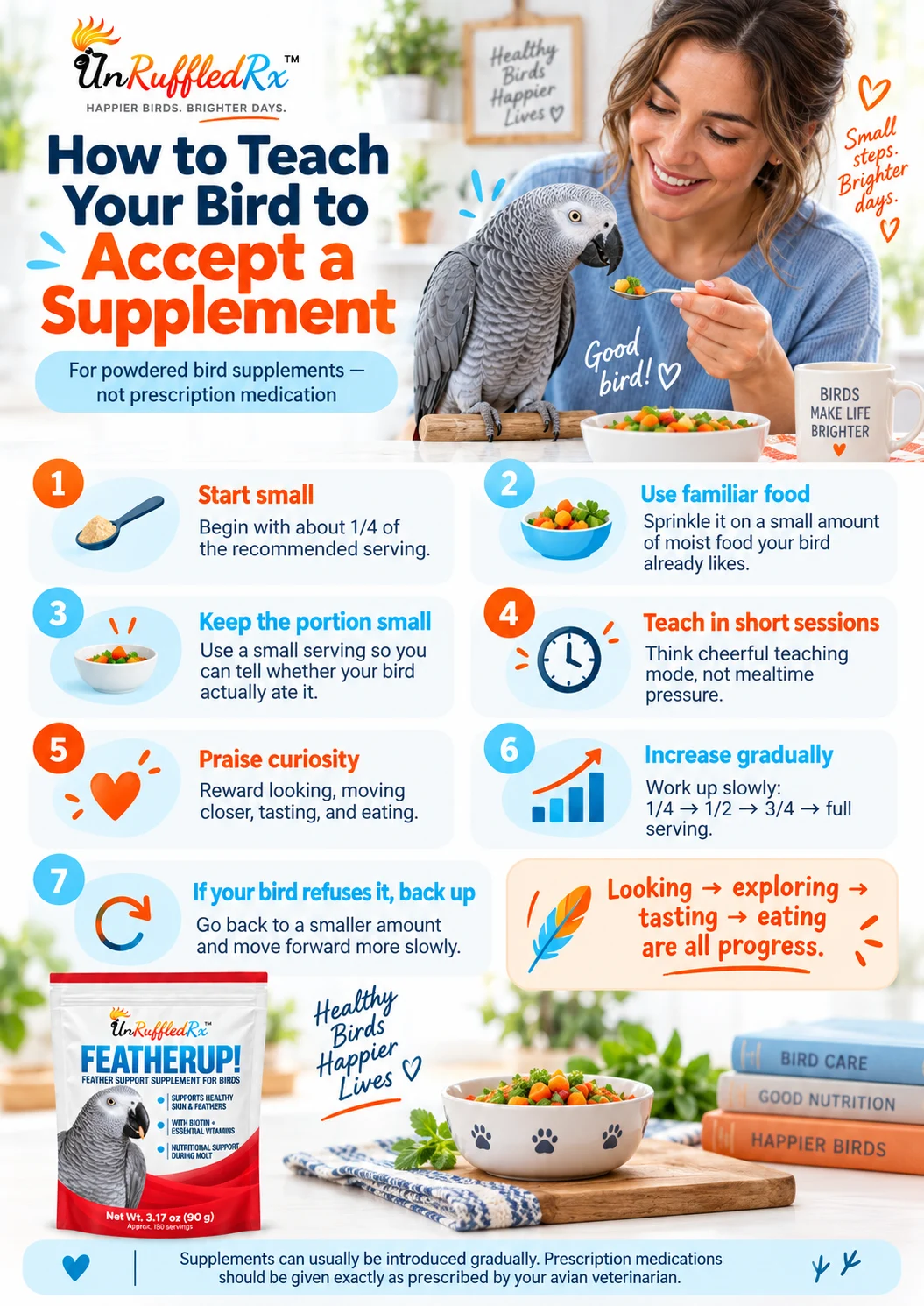
To mitigate suspicion, bird owners are advised to follow a deliberate, multi-stage process. This timeline is designed to build trust while ensuring the bird continues to meet its nutritional requirements throughout the transition.
Phase 1: The Initial Introduction (Days 1–3)
The process begins by using a fraction of the recommended dosage—typically one-quarter of the prescribed amount. This subtle addition minimizes the impact on the food’s sensory profile. During this period, the supplement should be incorporated into a familiar, moist food source, such as finely chopped vegetables or a known "chop" blend. Moisture is essential, as it allows the powder to adhere to the food, preventing the bird from sifting through the bowl to avoid the supplement.
Phase 2: Reinforcement and Training (Days 4–10)
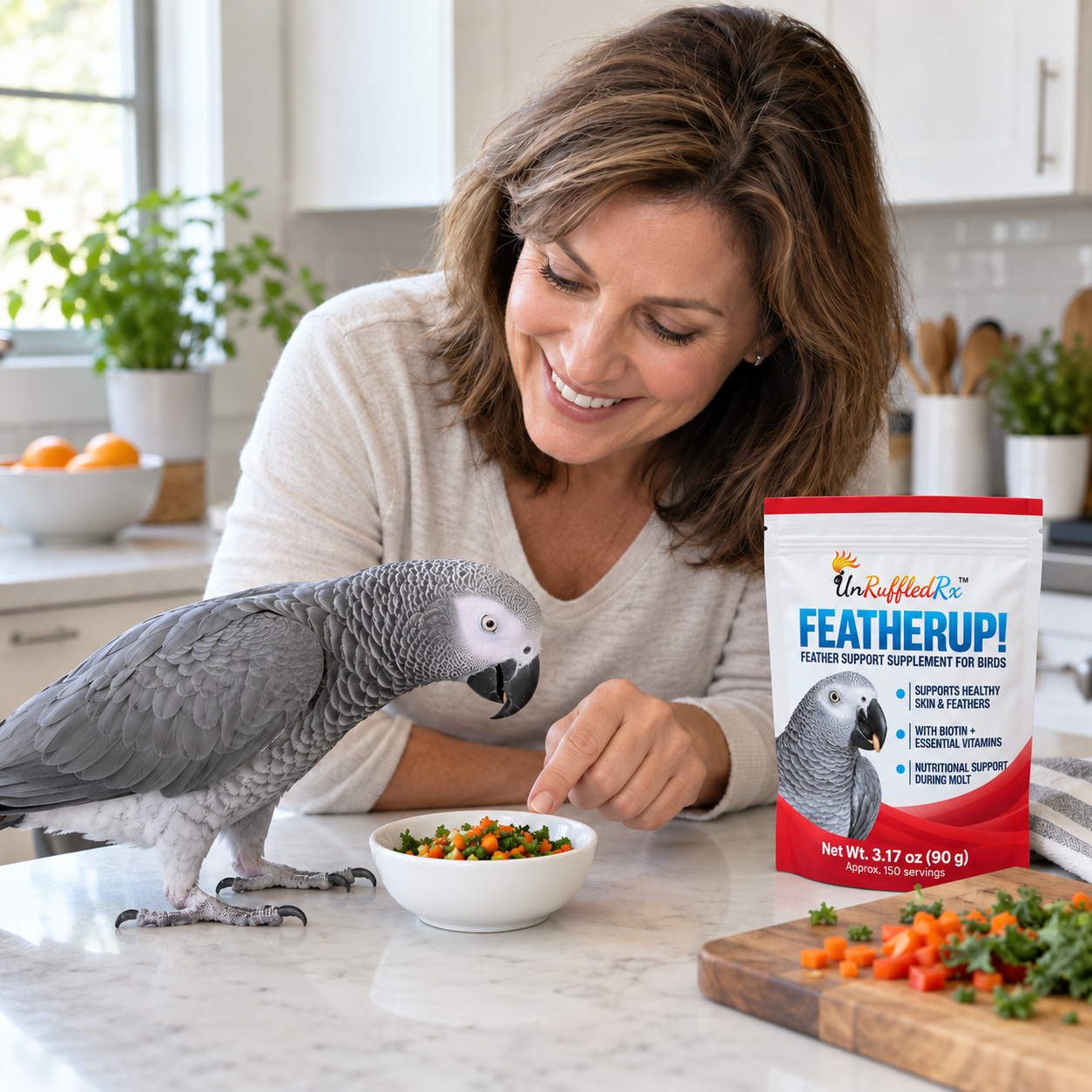
During this stage, the feeding process should move to a neutral, designated training area. By placing the bird on a training perch or a tabletop rather than inside the cage, the owner creates a structured learning environment. The handler should observe the bird’s interaction with the bowl. Every instance of curiosity—looking at the bowl, leaning in, or taking a single bite—should be met with immediate positive reinforcement, such as vocal praise or a secondary, high-value treat. This creates a psychological association between the new food profile and a positive outcome.
Phase 3: Incremental Scaling (Days 11–21)
Once the bird consistently consumes the base food with the initial, small dose of the supplement, the owner may begin to increase the quantity. This follows a standard progression: one-quarter, one-half, three-quarters, and finally, the full recommended serving. If the bird displays signs of hesitation or stops eating at any point, the owner should regress to the previous, comfortable dosage level rather than forcing the issue, which could lead to an aversion to the feeding bowl itself.
Analysis of Common Obstacles
Data from avian behaviorists suggest that "selective eating" is the most frequent hurdle. If a bird consistently picks around the supplement, it is often an indicator that the supplement is either too visible or has an unpalatable texture. Integrating the powder into soft, moist food is the primary corrective action.
Furthermore, the issue of "supplement stacking" requires caution. Owners must be aware of potential interactions between multiple additives. Over-supplementation, particularly with fat-soluble vitamins (A, D, E, and K) and minerals like calcium, can lead to toxicity if not monitored by a professional. Consulting an avian veterinarian to review a full supplement regimen is the industry standard for preventing metabolic imbalances.
Implications for Long-Term Avian Wellness
The shift toward a "training-based" model for supplementation reflects a broader trend in animal husbandry: prioritizing the psychological well-being of the companion animal alongside its physical health. By treating the bird as an active participant in its own nutrition, owners foster a stronger human-animal bond.
Moreover, this approach provides a diagnostic benefit. If a bird’s behavior changes abruptly during the introduction of a supplement, it provides the owner with immediate, actionable feedback. This is a significant advantage over "sneaking" supplements into food, which obscures the bird’s preference and can mask early warning signs of illness.
Professional Guidance and Best Practices
While the teaching approach is effective for most, it is not a substitute for professional veterinary care. The decision to supplement should always be based on a documented need—such as a blood panel showing calcium deficiency or a clinical diagnosis of joint inflammation.
Key Takeaways for Bird Owners:
- Adhere to Instructions: Never add supplements to drinking water unless the product labeling explicitly authorizes it. Water contamination can lead to bacterial growth or encourage the bird to reduce its overall water intake, risking dehydration.
- Maintain Consistency: Keep the rest of the feeding environment, including the bowl and the base diet, as consistent as possible during the transition.
- Avoid Over-Complexity: Do not introduce a new cage, a new diet, and a new supplement simultaneously. Variable control is essential for identifying the source of any stress-related behavioral changes.
Conclusion: A Measured Future
The integration of nutritional supplements into a bird’s diet is a delicate balance of biology and behavior. By adopting a systematic, low-pressure approach, owners can ensure that their birds receive the necessary support for longevity without compromising their trust or dietary habits. As the industry continues to advance, the emphasis on evidence-based, behavioral-informed care will likely remain the gold standard for avian wellness. For those managing complex health conditions, the advice remains clear: use these training strategies as a foundation, but maintain a consistent line of communication with an avian specialist to ensure that the nutritional plan aligns with the bird’s specific physiological requirements.

