


The sight of a beloved pet bird repeatedly closing one eye while awake is a clinical red flag that demands immediate attention from an owner. While the behavior can occasionally be attributed to normal resting, avian medicine dictates that persistent one-sided ocular closure is a primary symptom of underlying discomfort, injury, or systemic illness. Because birds are prey animals that instinctively mask symptoms of weakness to avoid attracting predators, by the time an owner observes a persistent physical change—such as a closed eye—the condition may already be in an advanced stage of development. Understanding the diagnostic criteria, the risks of home intervention, and the necessity of veterinary expertise is critical for any avian guardian.
Physiological Context: The Normal vs. Abnormal Eye Closure
In a healthy avian population, brief, intermittent eye closure is a standard behavioral trait associated with relaxation or sleep. A bird that is feeling secure may close its eyes while perched, preening, or settling into a nighttime roosting position. In these instances, the eye remains healthy, clear of discharge, and symmetrical in appearance to its counterpart. Upon becoming alert, a healthy bird will open the eye fully, maintain clear vision, and demonstrate no behavioral deviations.
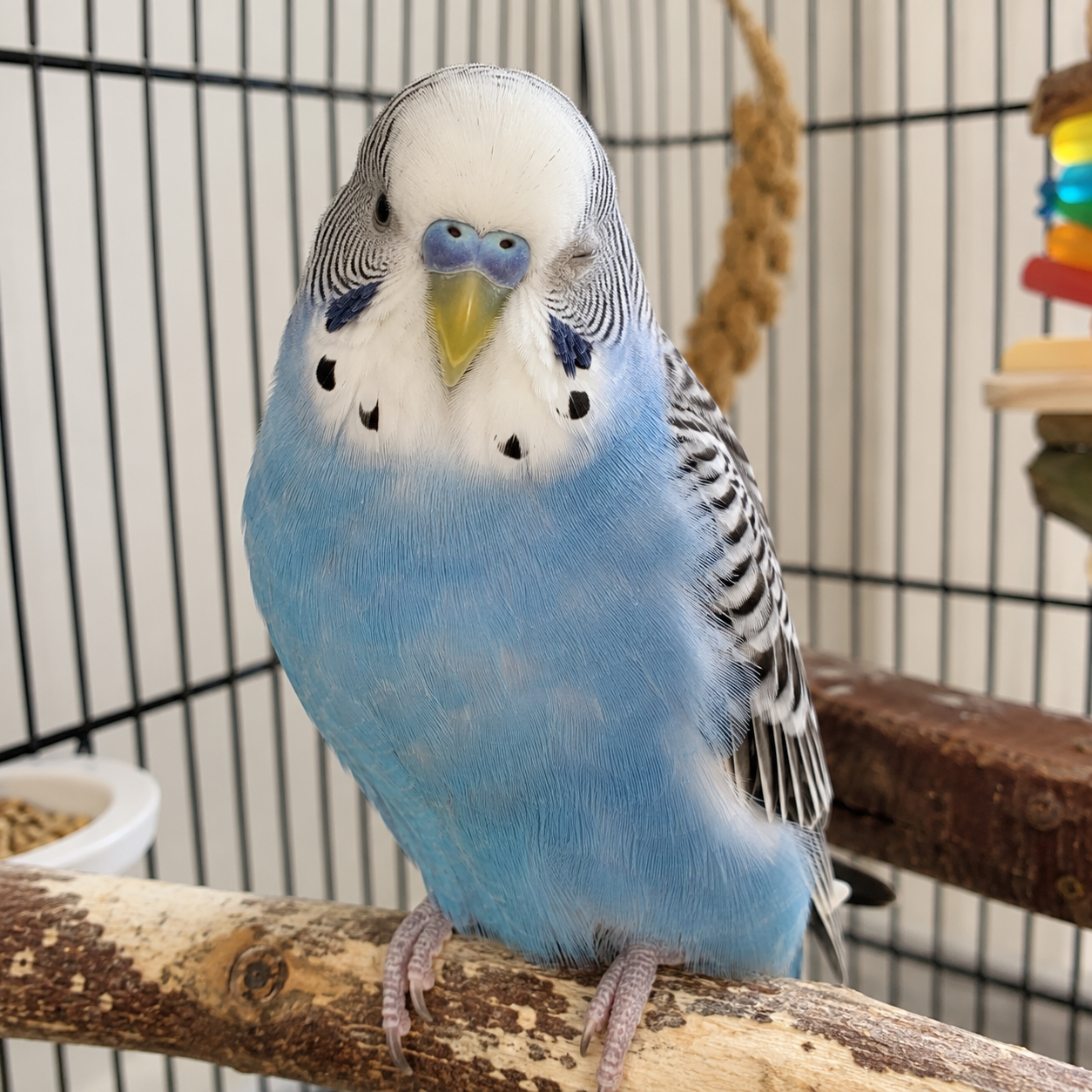
However, clinical concern is warranted when the eye closure becomes a repeated, focused pattern. If a bird is awake, active, and vocalizing but keeps one eye firmly shut or squinted, it is experiencing a sensory deficit or physical pain in that specific ocular region. This behavior is a protective reflex—a physiological attempt to shield the delicate corneal tissue from further irritation or to manage the sharp pain associated with trauma or infection. Unlike a tired bird that eventually opens both eyes, a bird in pain will frequently favor the affected side, often accompanied by secondary symptoms such as head-shaking, rubbing the eye against a perch, or a reduction in overall activity levels.
Diagnostic Categories: Identifying the Root Cause
The triggers for one-eye closure in companion birds range from benign environmental irritants to life-threatening systemic infections. From a clinical perspective, these causes are generally categorized into three distinct domains: environmental irritation, localized physical trauma, and systemic respiratory issues.
Environmental and Foreign Body Irritants
Birds possess highly sensitive respiratory and ocular systems. Exposure to common household pollutants—including aerosolized chemicals, heavy dust, strong fragrances, or even minute feather dander—can induce acute blepharospasm (involuntary eyelid closure). Similarly, the presence of a physical foreign body, such as a sharp seed hull, a stray synthetic fiber from a cage toy, or a desiccated piece of food, can scratch the surface of the cornea. According to avian veterinary data, corneal abrasions are among the most common ocular emergencies in household parrots, often requiring fluorescent staining to diagnose properly.
Traumatic Injury and Infection
Trauma is a frequent catalyst for ocular pathology. A bird that experiences a collision—whether with a cage wire, a window, or another bird in a multi-pet household—is at risk for eyelid lacerations or intraocular hemorrhage. Once the protective barrier of the eye is breached, the risk of secondary bacterial or fungal infection rises exponentially. Infections in this region are notoriously aggressive; if left untreated, the inflammation can spread rapidly to the orbital bone or the surrounding soft tissues, potentially leading to permanent vision loss or systemic sepsis.
Sinus-Related Pressure
A critical, often overlooked aspect of avian anatomy is the proximity of the sinuses to the eyes. In birds, the infraorbital sinuses are located directly beneath and around the orbital socket. When a bird suffers from a respiratory infection or chronic sinusitis, the resulting swelling of the sinus tissue puts direct, agonizing pressure on the globe of the eye. In such cases, the eye itself may be anatomically intact, but it remains closed because of the secondary inflammation. Owners should be vigilant for concomitant symptoms, including audible respiratory clicks, nasal discharge, sneezing, or a visible change in the texture of the cere (the skin area above the beak).
Clinical Chronology: When to Seek Professional Intervention
For an avian caretaker, the timeline of symptoms is the most valuable tool in the triage process. An isolated, momentary blink is generally considered a low-risk event. However, the progression of symptoms often follows a predictable, albeit concerning, trajectory.
- Phase 1: Initial Irritation. The bird begins to blink rapidly or rub its eye against a perch. This indicates the presence of a foreign object or early-stage irritation.
- Phase 2: Persistent Closure. The eye remains closed for extended periods even when the bird is not sleeping. This indicates that the sensory discomfort has become constant.
- Phase 3: Secondary Complications. The development of discharge (clear, yellow, or green), visible cloudiness (corneal edema), or swelling around the eyelids. At this stage, the condition has moved from an irritant to a pathological injury or infection.
- Phase 4: Systemic Decline. The bird exhibits lethargy, decreased appetite, and fluffed feathers. This is a critical indicator that the pain has compromised the bird’s immune system and that the condition is likely affecting the entire body, not just the eye.
The Risks of Non-Professional Treatment
The veterinary community strongly advises against the use of over-the-counter human eye drops or "home remedies." The administration of human-grade corticosteroids, for instance, can be catastrophic if the bird has a corneal ulcer, as these drugs suppress the healing process and can cause the eye to rupture. Similarly, oil-based ointments or antibiotic creams intended for humans often contain preservatives or active ingredients that are toxic to avian species.

Data from clinical avian medicine suggests that attempting to flush an eye with improper saline concentrations or using tools like cotton swabs can drive debris deeper into the eye, turning a manageable irritation into a permanent ocular injury. The standard of care, therefore, is to document the behavior through photography and video, monitor for changes, and seek a consultation with a board-certified avian veterinarian.
Nutritional Support and Long-term Management
While professional medical treatment is non-negotiable for acute symptoms, the broader context of avian health often points toward nutritional deficiencies. Birds maintained on a strictly seed-based diet are frequently deficient in Vitamin A, which is essential for the integrity of epithelial tissues—including those in the sinuses and the respiratory tract.
A lack of Vitamin A leads to a condition known as squamous metaplasia, where the cells of the mucus membranes become hardened and less effective at trapping pathogens. This creates a state of chronic vulnerability to sinus infections, which, as previously noted, frequently manifest as ocular pressure and eye closure. Integrating carotenoid-rich foods or high-quality, vet-approved supplements into a bird’s diet is a proactive measure for long-term health, though it should never be viewed as a substitute for acute medical care.
Implications for Avian Welfare
The emergence of a closed eye in a pet bird is a significant diagnostic event. It is an objective indicator of pain in a species that is genetically wired to hide distress. The shift in the industry toward better avian husbandry emphasizes that owners must move beyond the "wait and see" approach. The combination of early observation, strict avoidance of home-medication, and prompt veterinary engagement is the only pathway to ensuring the longevity and quality of life for companion birds.
In summary, if the eye remains closed for more than a few minutes during active daylight hours, or if there is any visible change to the anatomy of the eye or the behavior of the bird, the situation should be treated as an urgent medical priority. By prioritizing professional diagnostic procedures, owners can mitigate the risk of irreversible damage and ensure that their birds receive the specialized care required for their unique, highly sensitive physiological needs.

