


The landscape of veterinary medicine is undergoing a profound transformation as specialized care for non-traditional species moves from the periphery to the center of academic focus, driven by a long-standing commitment to education and professional development. Through a multi-decade initiative, Lafeber Company has established itself as a primary facilitator of specialized knowledge, bridging the gap between standard veterinary curricula and the complex requirements of avian, exotic, and zoological medicine. By the spring of 2026, this program will have reached another milestone as Dr. Rebecca Duerr, the Senior Director of Research and Veterinary Science for International Bird Rescue, presents her findings on the medical complications of oiled birds to the Kansas State University Exotic Animal Medicine Club. This event, scheduled for April 20, 2026, represents the culmination of a strategic effort to integrate field-tested expertise into the classroom, ensuring that the next generation of veterinarians is equipped to handle environmental crises and specialized patient needs.
A Strategic Vision for Specialized Veterinary Curricula
The integration of exotic animal medicine into university settings is not a modern development but rather the result of a deliberate, incremental strategy to support student chapters of professional organizations. Historically, veterinary education focused heavily on livestock and companion animals like dogs and cats. However, the rise in popularity of exotic pets and the increasing urgency of wildlife conservation have necessitated a broader pedagogical approach. Lafeber’s involvement spans nearly twenty years of recorded partnerships, reaching dozens of institutions including Cornell University, Purdue University, the University of California at Davis, and international partners such as Utrecht University in the Netherlands.
The program’s reach is evidenced by the diverse array of topics covered in the upcoming 2025-2026 academic calendar. On April 7, 2026, the University of Arizona will host Dr. Amanda Fisher from the University of Pittsburgh for a session on laboratory animal medicine. Shortly thereafter, Purdue University is slated to host Kara Burns, a multi-credentialed specialist in nutrition and internal medicine, to discuss the fundamental principles of avian nutrition. These sessions are not merely lectures; they are critical interventions that provide students with access to diplomates of the American Board of Veterinary Practitioners (ABVP) and the American College of Zoological Medicine (ACZM), professionals who represent the pinnacle of their respective fields.
Chronology of Educational Evolution and Distance Learning
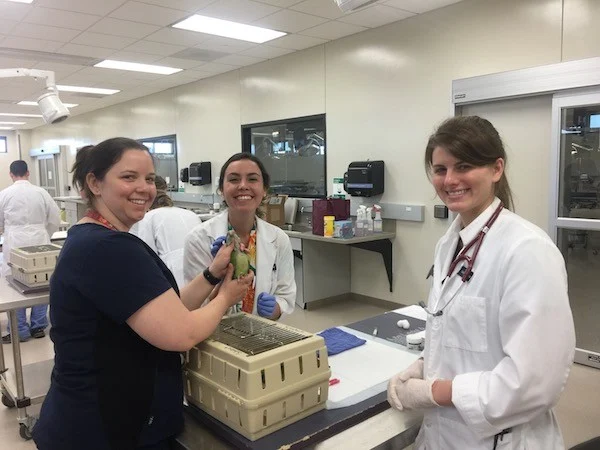
The trajectory of these educational offerings reveals a significant shift in delivery methods and subject complexity. In the early 2010s, the program focused heavily on physical "wet labs" and in-person demonstrations. For instance, in 2013 and 2014, institutions like Texas A&M and the University of Georgia hosted hands-on workshops on rabbit dentistry and microsurgery. These sessions allowed students to develop tactile skills under the guidance of experts like Dr. Cheryl Greenacre and Dr. Anneliese Strunk.
The onset of the global pandemic in 2020 served as a catalyst for a "virtual revolution" in veterinary education. While many programs struggled to adapt, the infrastructure provided by Lafeber and its network of experts allowed for a seamless transition to distance learning. This shift is clearly visible in the data: from June 2020 through 2025, a majority of the sessions, including Dr. Teresa Morishita’s lecture on backyard poultry and Dr. Jörg Mayer’s innovative use of comics to interpret rabbit hematology, were conducted virtually. This transition did more than just maintain the status quo; it expanded the reach of the program. Distance learning enabled students at the University of Tennessee to learn about elephant reproduction from Cornell-based experts and allowed Utrecht University students to participate in American-led seminars on avian anatomy.
Specialized Tracks: From Conservation to Clinical Practice
The breadth of the programming supported by Lafeber reflects the multifaceted nature of modern veterinary practice. The curriculum can be categorized into four primary pillars:
1. Avian Medicine and Conservation
Avian care remains a cornerstone of the initiative. Notable events include Dr. Jaime Samour’s multi-part series on birds of prey for Mississippi State University and Dr. LoraKim Joyner’s lectures on transformative parrot conservation. These sessions connect clinical medicine with ecological health, emphasizing that the role of a veterinarian extends to the preservation of species in the wild. The program also tackles highly specific clinical challenges, such as "Avian Atherosclerosis," presented by Dr. Liandrie Swanepoel at the University of Tennessee in late 2025.
2. Exotic Companion Mammals
Small mammals, often referred to as "pocket pets," require specialized anesthesia and surgical protocols. The program has consistently addressed these needs, with recent highlights including Dr. Grayson Doss’s 2025 presentation on hedgehog anesthesia at the University of Illinois and Dr. Jessica Magnotti’s recurring seminars on gastrointestinal stasis in rabbits. These topics are vital for general practitioners who are increasingly seeing non-traditional mammals in their daily clinics.
3. Zoological and Aquatic Medicine
As veterinary students look toward careers in zoos and aquariums, the demand for high-level pathology and population management expertise has grown. The program has facilitated this by bringing in experts like Dr. Sarah Ozawa to discuss exotic ophthalmology and Hannah Sharpe from the Canadian Food Inspection Agency to discuss shellfish disease monitoring. The inclusion of aquatic medicine, such as sea turtle imaging and fish pain perception, demonstrates a commitment to "One Health" principles that link animal, human, and environmental welfare.
4. Nutritional Science and Critical Care
Nutrition is often the most overlooked aspect of exotic animal care, yet it is a primary factor in the development of disease. The consistent presence of Kara Burns, MS, MEd, LVT, VTS, across multiple universities over the last decade underscores the importance of nutritional intervention. Her lectures on "Critical Care Feeding" and "Avian Nutrition Fundamentals" provide students with practical tools to manage malnourished or recovering patients using specialized formulas like Emeraid.
Supporting Data and Institutional Impact
Analysis of the program’s history shows that certain institutions have become hubs for specialized medicine through these partnerships. The Atlantic Veterinary College, for example, has hosted a consistent string of high-level seminars ranging from reproductive surgery to shellfish control. Similarly, North Carolina State University and the University of Florida have utilized Lafeber’s support to bolster their Wildlife, Avian, Zoo, and Exotic Medicine (WZAAM) clubs, often hosting multiple events per semester.
The data also indicates a strong emphasis on "Board Certification Panel Discussions," such as the one held at UC Davis in October 2024. These panels are essential for career mapping, as they demystify the rigorous process of becoming a specialist. By providing students with direct access to board-certified mentors, the program effectively builds a pipeline for future leaders in the veterinary profession.
Broader Implications for the Veterinary Profession
The long-term impact of this sustained educational effort extends beyond the classroom. By subsidizing symposia—such as the Special Species Symposium at Cornell and the Zoo, Exotics, and Wildlife (ZEW) wet labs at Texas A&M—Lafeber ensures that financial barriers do not prevent students from accessing high-quality specialized training. This is particularly relevant in an era of rising tuition and educational costs.
Furthermore, the focus on diverse species and specialized techniques encourages a more holistic view of veterinary medicine. When a student learns about "Shellfish Disease Monitoring" alongside "Elephant Reproduction" and "Rabbit Dentistry," they develop a versatile clinical mindset. This versatility is crucial for the modern veterinarian, who may be called upon to consult on a wide range of species in emergency or public health contexts.
The program also fosters a sense of community within the profession. Many of the speakers, such as Dr. Thomas Tully and Dr. Susan Orosz, are world-renowned authors and researchers. Their willingness to engage with student clubs through this initiative creates a mentorship culture that sustains the specialty. As the 2026 academic year approaches, the continuation of this program signals a robust future for exotic animal medicine, ensuring that the standards of care for all species—regardless of their size or rarity—continue to rise.
In conclusion, the decades-long partnership between Lafeber Company and global veterinary institutions represents one of the most significant private-sector contributions to veterinary academia. By evolving from localized wet labs to a sophisticated, global distance-learning network, the initiative has successfully adapted to the changing needs of students and the profession at large. As Dr. Rebecca Duerr prepares her April 2026 presentation on oiled birds, she does so as part of a legacy of education that has redefined the boundaries of veterinary excellence.

