


Published On: Feb 22, 2026
Last updated on: Feb 22, 2026
For countless individuals, the joy of avian companionship brightens their homes. Yet, a critical, often overlooked aspect of indoor bird care—the provision of adequate ultraviolet B (UVB) lighting—can profoundly impact a bird’s health, mood, and longevity. This comprehensive guide addresses the pressing question of whether specialized bird lights are truly necessary for indoor avian residents, particularly those situated near windows that filter crucial UVB rays, and delves into the science, safety, and implementation of proper lighting protocols. It is designed for pet bird owners contemplating the introduction of UVB lighting, as well as those seeking to optimize an existing setup to ensure their feathered friends thrive. If your bird consistently exhibits a strong grip, vibrant plumage, a stable temperament, and coordinated flight, your current lighting regimen may only require diligent maintenance. However, for many, a deeper understanding and proactive intervention are paramount.
The Silent Deficiency: Diagnosing Light-Related Health Issues in Avian Companions
The absence of appropriate UVB exposure in indoor environments can lead to a cascade of health issues, often subtle at first glance, making early detection challenging for even the most attentive owners. A quick diagnostic assessment can illuminate potential gaps in a bird’s environmental provision:
- If your bird sits near a bright window but receives no direct sunlight: This common scenario often leads to a false sense of security regarding light exposure. Standard window glass, even modern energy-efficient panes, acts as an effective filter, blocking nearly 100% of beneficial UVB radiation. While the room may appear brightly lit to the human eye, this visible light spectrum does not facilitate the usable vitamin D3 production essential for avian health.
- If your bird appears dull, less active, or irritable, especially during winter months: This behavioral shift frequently signals a disruption in calcium metabolism and circadian rhythms. Reduced natural light exposure, particularly during shorter daylight hours, can exacerbate these issues, leading to lethargy, diminished vocalization, and increased aggression or anxiety.
- If your bird maintains a strong diet but still exhibits signs of weaker grip strength or feather decline: Despite a nutritionally robust diet, the light-dependent activation of vitamin D3 is indispensable for calcium absorption. Without adequate D3, dietary calcium cannot be properly utilized, leading to musculoskeletal weaknesses, brittle bones, and poor feather quality, including stress bars or abnormal molting patterns.
These indicators serve as crucial red flags, prompting a deeper investigation into the adequacy of a bird’s light environment.
The Indispensable Role of UVB: Why Indoor Brightness Falls Short
A pervasive misconception among pet bird owners is that a well-lit home adequately caters to their bird’s photobiological needs. The reality, however, is starkly different.
"My house is bright. Isn’t that enough?"
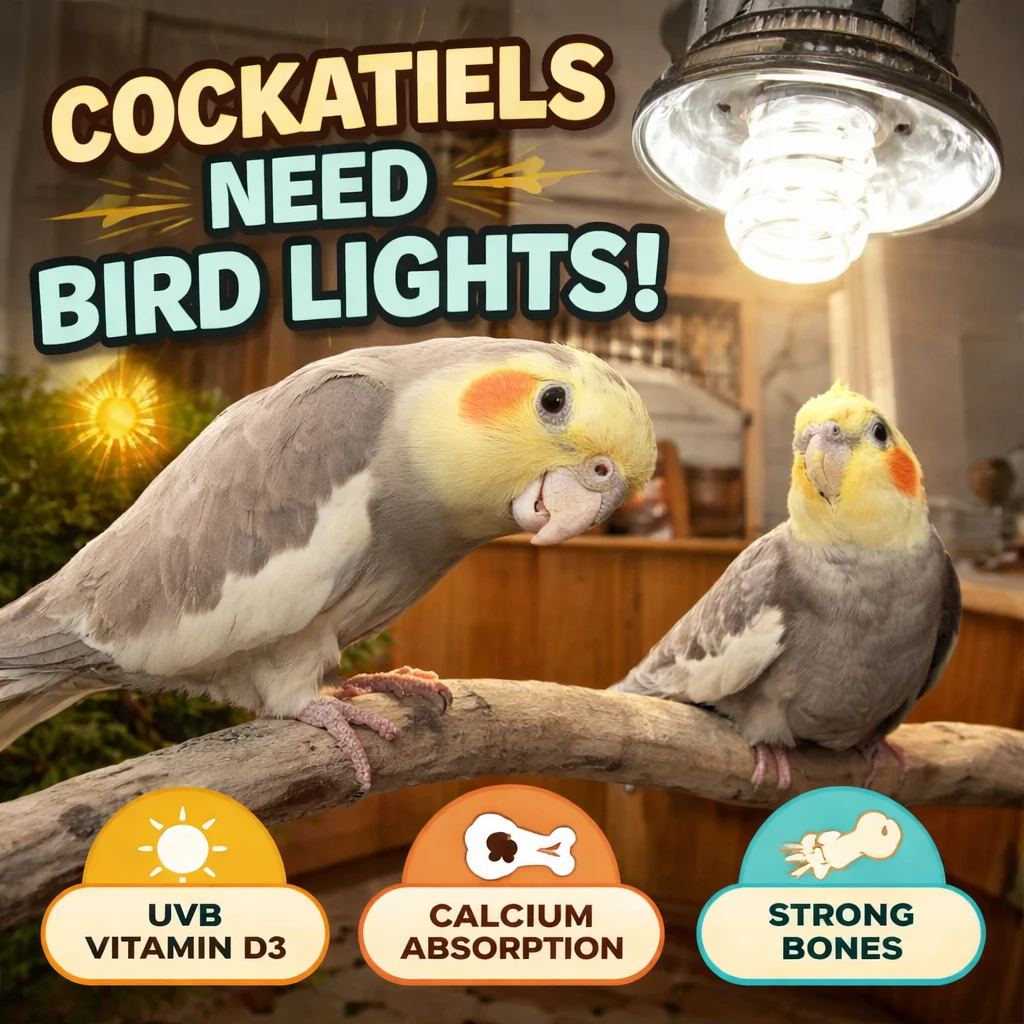
The unequivocal answer is no. The visible light that brightens indoor spaces, whether from standard incandescent, fluorescent, or LED bulbs, or filtered through windows, fundamentally lacks the specific wavelengths required for critical physiological processes in birds. Natural sunlight encompasses a broad spectrum, including UVA and UVB rays, which are vital for avian health. UVB radiation, specifically, is absorbed by a precursor molecule in the bird’s skin (7-dehydrocholesterol), which is then converted into pre-vitamin D3. This pre-vitamin D3 undergoes further transformation, primarily in the liver and kidneys, to become calcitriol, the active form of vitamin D3. Calcitriol is essential for the regulation of calcium and phosphorus metabolism, facilitating their absorption from the gut and deposition into bones. Without this crucial UVB-driven synthesis, calcium cannot be properly absorbed and utilized, irrespective of the quality or quantity of calcium present in the bird’s diet. This leads to a cascade of health complications collectively known as metabolic bone disease.
"Are bird lights dangerous?"
Like any therapeutic tool, UVB sources, if used improperly, can indeed be harmful. Excessive exposure to UV radiation can cause ocular damage (photokeratitis, cataracts), skin lesions, and even contribute to the development of skin cancers over prolonged periods. However, when deployed correctly, bird-safe UVB lights are meticulously engineered to replicate the beneficial, short, and controlled natural exposure that birds would experience in their wild habitats. The paramount factors in ensuring safety and efficacy are distance, duration, and proper fixture type. Merely installing a UVB bulb without adherence to manufacturer guidelines and veterinary recommendations can negate its benefits and introduce risks. More is emphatically not better when it comes to UVB exposure.
"Can too much UV cause cancer?"
The concern regarding excessive UV exposure and its potential to cause cellular damage, including certain types of cancer, is valid and applies to all living organisms, including birds. Prolonged, uncontrolled exposure to high-intensity UV radiation can damage DNA, proteins, and lipids within cells, leading to tissue degradation and an increased risk of neoplastic changes. Therefore, it is imperative to limit UVB exposure for pet birds to short, regulated daily sessions, typically ranging from one to three hours. The precise duration can vary based on the bulb’s intensity, the species of bird, and its individual needs, often determined in consultation with an avian veterinarian. The integration of an automated timer is highly recommended, serving as an invaluable safeguard against accidental overexposure for both the bird and any human caregivers in close proximity. This controlled approach minimizes risks while maximizing the therapeutic benefits.
The Unfolding Consequences of Light Deprivation
The absence of adequate UVB lighting initiates a subtle, insidious decline in avian health, often going unnoticed until severe symptoms manifest. This progression underscores the importance of preventative measures.
When UVB is missing:
- Compromised Calcium Metabolism: As previously discussed, the inability to synthesize active vitamin D3 leads directly to poor calcium absorption. This is the root cause of many downstream health issues.
- Skeletal Weakness and Deformities: Bones become brittle and weak, predisposing birds to fractures. In severe, chronic cases, conditions like rickets (in young birds) or osteomalacia (in adults) can develop, leading to bone deformities, splayed legs, and difficulty perching.
- Neurological Impairment: Calcium plays a crucial role in nerve impulse transmission and muscle contraction. Deficiency can manifest as tremors, seizures, ataxia (lack of coordination), and paresis (weakness).
- Reproductive Issues: Female birds, particularly those prone to laying, are highly susceptible to egg-binding, soft-shelled eggs, or dystocia due to insufficient calcium for uterine contractions and shell formation. These conditions are often life-threatening.
- Behavioral Changes: Chronic discomfort, pain, and physiological imbalances can lead to increased irritability, lethargy, feather plucking (a stress-related behavior), and a general decline in overall activity and interaction.
- Weakened Immune System: Vitamin D3 is also recognized for its role in immune modulation. Chronic deficiency can compromise a bird’s ability to fight off infections, making them more susceptible to various pathogens.
- Vision and Circadian Rhythm Disruption: While UVA is more directly linked to avian vision (allowing them to see a broader spectrum of colors), the overall absence of natural light spectrum can disrupt their natural sleep-wake cycles and internal biological clock, affecting mood and overall well-being.
This progression is not dramatic at first. It often shows up subtly—a slight decrease in activity, a feather that doesn’t quite shine, a moment of clumsiness—until it doesn’t. By the time overt symptoms such as falling from perches, involuntary tremors, or critical egg-binding incidents occur, the underlying deficiency may have been developing insidiously for many months, if not years. Avian veterinarians consistently emphasize that birds are masters of concealment; their instinct in the wild is to hide weakness to avoid predation. Therefore, by the time clinical signs are evident to an owner, the disease process is often advanced and requires intensive intervention. The strategic provision of appropriate UVB lighting is, therefore, a fundamental preventive measure—not a reactive treatment for an already established crisis.
Charting a Course to Optimal Health: The 3-Step Light Reset
For bird owners seeking to rectify a deficient lighting environment or establish a new, healthy regimen, a structured approach is essential. The "3-Step Light Reset" provides a practical framework:
- Select the Right UVB Bulb and Fixture: Not all "full spectrum" lights are created equal. Many merely emit visible light, lacking the crucial UVB component. Look specifically for bulbs marketed for reptiles or birds that explicitly state UVB output. Common types include compact fluorescent bulbs (CFLs) or linear fluorescent tubes. Linear tubes (T5 or T8) generally offer more consistent output over a wider area. The fixture must be non-flickering (high-frequency ballast is ideal) and designed to securely hold the bulb. Avoid fixtures with plastic or glass covers, as these will block UVB rays.
- Determine Optimal Distance and Placement: The effective range of UVB bulbs is limited. The ideal distance from the bulb to the bird’s primary perching area typically ranges from 6 to 18 inches, depending on the bulb’s wattage and type, as well as the bird species (some species, like parrots, require higher UVB levels than others). Consult the manufacturer’s guidelines for the specific bulb. The light should be positioned directly above or slightly to the side of the cage, ensuring no obstructions block the rays. It should not be placed inside the cage, as birds can damage it or be exposed to excessive levels. Ensure the bird has shaded areas within the cage where it can retreat if it chooses.
- Establish a Consistent Daily Schedule: Mimic natural daylight cycles. Most avian experts recommend a daily UVB exposure period of 1 to 3 hours. This duration can be broken into multiple shorter sessions or one continuous period. Crucially, integrate an automated timer to ensure consistency and prevent accidental overexposure. Replace UVB bulbs every 6 to 12 months, even if they still appear to be working, as their UVB output degrades significantly over time, becoming ineffective long before the visible light ceases. Mark the replacement date on the bulb or fixture.
Adherence to these steps, coupled with ongoing observation, forms the cornerstone of a successful light therapy program.
Monitoring Progress: Signs of Improvement
Implementing a proper UVB lighting regimen is an investment in your bird’s long-term health, and the improvements, while profound, are typically gradual. This process supports the bird’s underlying physiology rather than flipping an immediate switch. Owners should keenly observe for a range of positive changes:
- Restored Grip Strength: A bird with adequate calcium metabolism will exhibit a strong, confident grip on perches, often noticeable within weeks or months. This reduces instances of falling or struggling to maintain balance.
- Enhanced Feather Vibrancy and Quality: Feathers may appear brighter, smoother, and healthier. Stress bars, which are often indicative of nutritional or environmental deficiencies, may diminish in subsequent molts. The bird’s overall plumage may regain its natural luster.
- Improved Mood and Behavior: A more stable temperament, reduced irritability, increased activity levels, vocalizations, and engagement with toys or owners are strong indicators of improved well-being. Birds may appear more alert and less lethargic.
- Coordinated Flight and Movement: Enhanced bone and muscle strength, coupled with improved neurological function, will contribute to more graceful and coordinated flight patterns and general mobility within the cage or designated safe areas.
- Better Appetite and Digestion: While not a direct effect, a healthier physiological state often correlates with improved appetite and more efficient digestion, as the body is better able to absorb nutrients.
- Resolution of Reproductive Issues (for breeding birds): Female birds prone to egg-binding or soft-shelled eggs may experience a reduction in these complications, though veterinary consultation remains essential for managing breeding birds.
These improvements are not instantaneous but unfold over weeks and months, reflecting the body’s gradual restoration of balance. Consistent observation and, if concerns persist, follow-up with an avian veterinarian are critical to ensure the program’s effectiveness.
Broader Implications and Expert Consensus
The topic of appropriate lighting for captive animals, particularly birds, has garnered significant attention within the veterinary and animal welfare communities. The consensus among avian veterinarians and photobiologists is clear: providing a full spectrum light, including UVA and UVB, is not merely beneficial but essential for the holistic health of indoor avian species.
Dr. Greg Harrison, a renowned avian veterinarian, has consistently highlighted the critical role of UVB in preventing metabolic bone disease and supporting immune function in pet birds. Research published in journals like the Journal of Avian Medicine and Surgery frequently details case studies of birds presenting with severe calcium deficiencies directly attributable to inadequate UVB exposure. These studies underscore the prevalence of such issues in captive populations and the dramatic improvements observed with proper lighting intervention.
The implications extend beyond individual bird health to broader animal welfare considerations. Responsible pet ownership increasingly encompasses providing an environment that mimics, as closely as possible, the natural habitat conditions crucial for an animal’s physiological and psychological well-being. Failing to provide essential elements like UVB lighting constitutes a form of environmental deprivation that can lead to chronic suffering and significantly reduced quality of life. The economic burden of treating advanced metabolic bone disease or reproductive complications, which often require extensive veterinary care, diagnostic imaging, and medication, far outweighs the preventative cost of a proper UVB lighting setup. This fact alone serves as a compelling argument for proactive implementation.
Furthermore, the advancement in lighting technology has made bird-safe UVB bulbs more accessible and affordable than ever before, eliminating previous barriers to implementation. Manufacturers continue to innovate, producing bulbs with improved spectrums, longer lifespans, and safer designs, making it easier for pet owners to provide optimal care. Educational initiatives by avian societies and rescue organizations are also pivotal in raising awareness among current and prospective bird owners about the non-negotiable requirement for specialized lighting.
Conclusion
The notion that indoor avian companions can thrive without specific UVB lighting is a dangerous myth that contributes to widespread health issues in captive bird populations. From facilitating vital vitamin D3 synthesis and calcium metabolism to influencing mood, feather quality, and reproductive health, UVB radiation is an unseen necessity. While bright homes and standard artificial lights offer aesthetic appeal, they fall critically short of meeting a bird’s intricate photobiological demands. By understanding the science, adhering to proper safety protocols regarding distance and duration, and consistently implementing a specialized UVB lighting regimen, pet bird owners can profoundly enhance the health, vibrancy, and longevity of their cherished feathered companions. This proactive approach not only prevents suffering but also fosters a richer, more natural environment, truly allowing these remarkable creatures to flourish indoors.
Key Takeaways:
- Indoor Brightness is Insufficient: Window glass and standard lights block UVB, preventing vitamin D3 synthesis.
- UVB is Essential for Calcium: Without UVB, dietary calcium cannot be absorbed, leading to metabolic bone disease.
- Safety Through Proper Use: Correct distance, duration (1-3 hours daily), and fixture type are crucial; a timer is highly recommended.
- Symptoms are Gradual: Deficiency progresses from subtle changes in activity/feathers to severe skeletal, neurological, and reproductive issues.
- Prevention is Key: Proactive UVB provision is significantly more effective and humane than reactive treatment.
Other Helpful Resources
- Why Winter is Hard On Bones: An in-depth blog explaining how seasonal light loss specifically impacts avian bone health and calcium utilization.
- Complete Calcium + Magnesium + D3 Support: Information on comprehensive nutritional supplements that can complement a proper lighting regimen, especially for birds with diagnosed deficiencies or specific dietary needs.

