


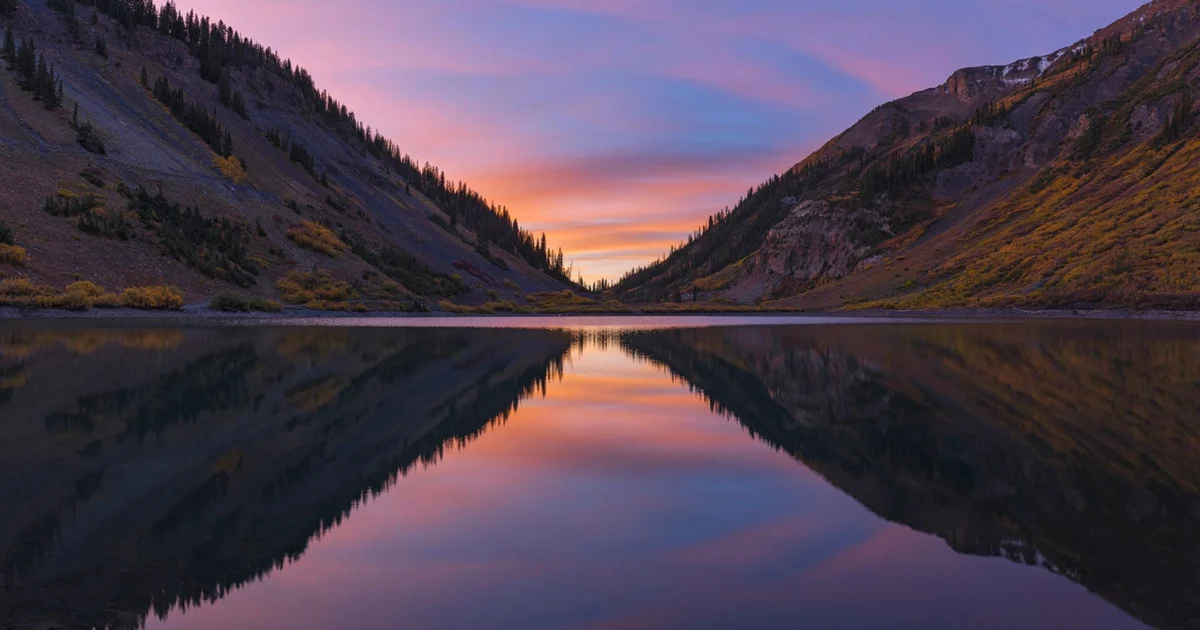
The intersection of extreme physical endurance, professional landscape photography, and analytical psychology has culminated in the publication of The Colorado Way, a comprehensive study of the American West by photographer Matt Payne. Following a decade-long pursuit of Colorado’s highest summits and a subsequent 485-mile thru-hike of the Colorado Trail, Payne has synthesized his experiences into a narrative that challenges the traditional "checklist" approach to mountaineering. This evolution from a results-oriented climber to a process-driven artist highlights a broader shift in outdoor media, where the focus has moved from the mere conquest of terrain to a deeper investigation of the human condition and the creative impulse.
The Centennial Decade: A Foundation of Discipline and Documentation
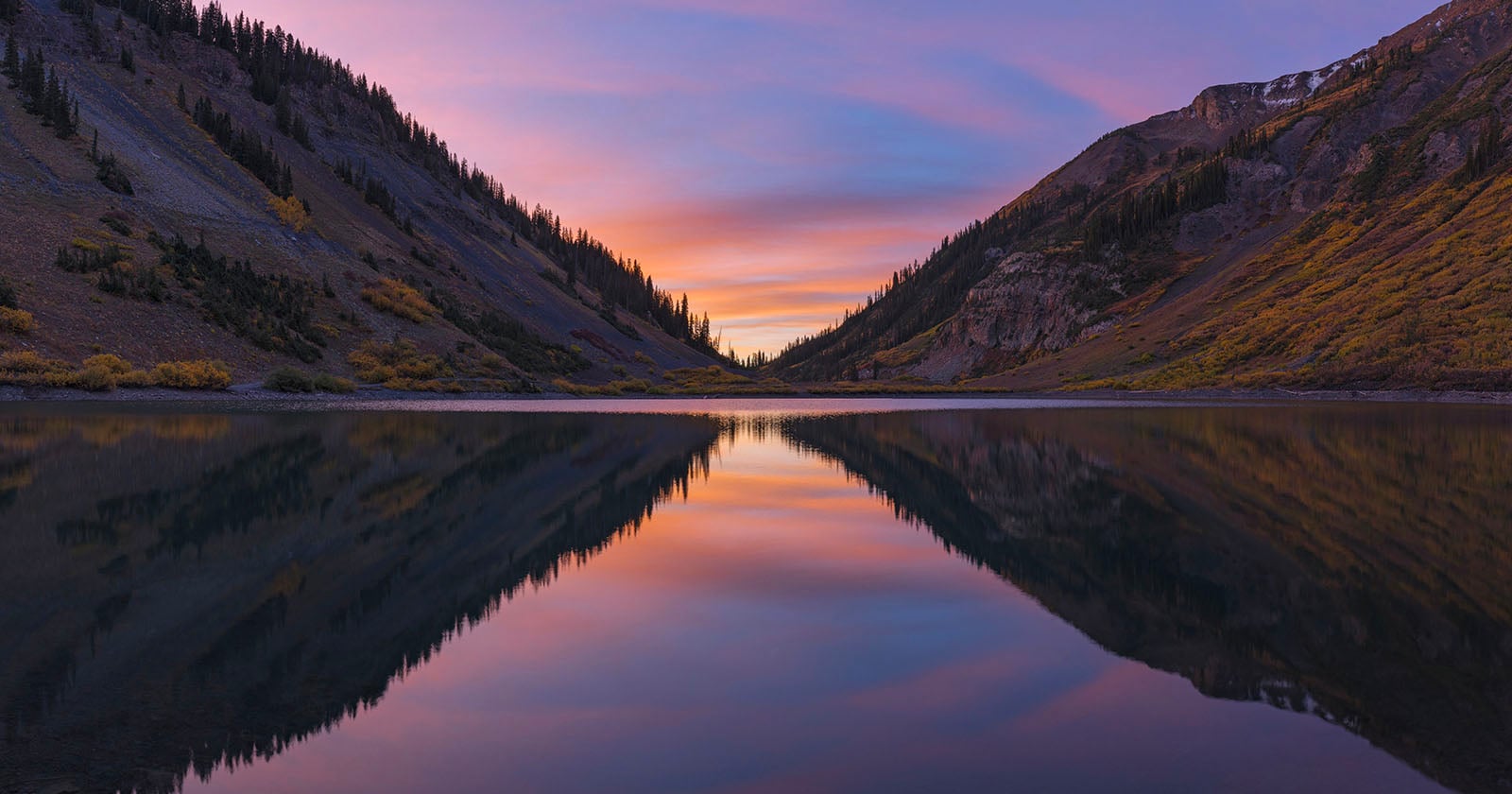
Payne’s trajectory in the Colorado wilderness began in early childhood, reaching the summit of Fairview Peak at age four and his first "fourteener"—a mountain exceeding 14,000 feet—by age six. However, his formal commitment to high-altitude documentation began in 2008. Over the next ten years, Payne focused on the "Centennials," a list comprising the 100 highest peaks in Colorado. This list includes the state’s 53 official fourteeners but extends into the more technical and obscure thirteeners, many of which lack established trails and require advanced navigational skills.
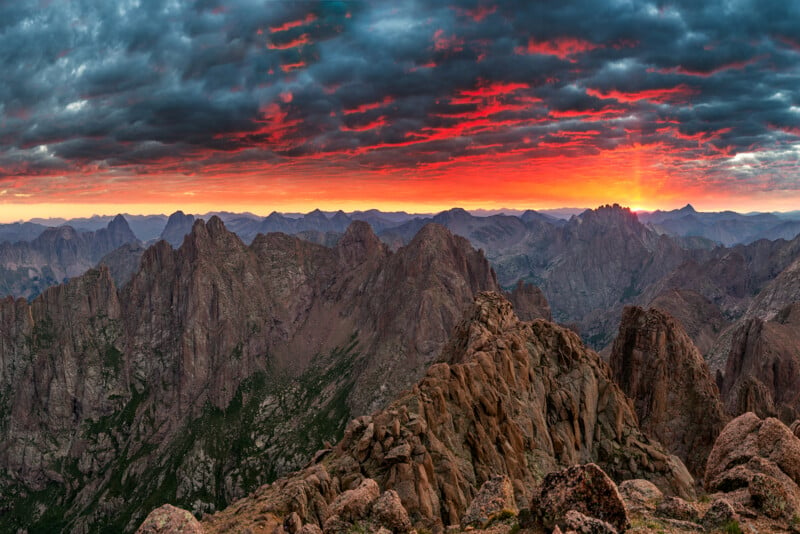
The completion of the Centennials in 2018 on the summit of Thunder Pyramid marked the end of a decade defined by rigorous discipline. During this period, Payne’s photography was primarily reactive, dictated by the immediate demands of the terrain and lighting conditions. The primary objective was the "summit shot"—a high-quality image that justified the physical exertion of the climb. While this decade established Payne as a premier mountain photographer, it also revealed a growing disconnect between the technical mastery of the craft and the internal search for creative meaning.
The Psychological Shift: Transitioning Between the Two Halves of Life
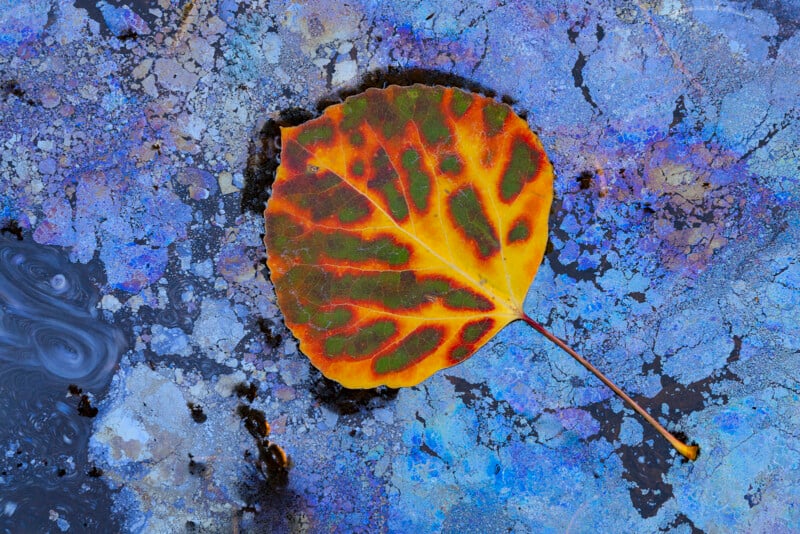
The catalyst for Payne’s transition from list-based achievement to philosophical inquiry was an intellectual engagement with Jungian psychology. During an interview with photographer Sean Tucker for the podcast F-Stop, Collaborate and Listen, Payne explored Carl Jung’s concept of the "two halves of life." According to this framework, the first half of life is dedicated to the construction of the ego, the acquisition of skills, and the establishment of an identity within a chosen field. The second half involves a "crisis of meaning," where the structures built in the first half are no longer sufficient to answer deeper existential questions.
This realization prompted Payne to leave a stable career in nonprofit leadership to pursue photography and mountaineering as a full-time endeavor. The shift was not merely professional but methodological. He began to question the "legacy" of his work, moving away from the "get the shot and move on" mentality toward a more inquisitive and open-ended approach to the landscape. This psychological preparation set the stage for his 2023 thru-hike of the Colorado Trail, which would serve as the laboratory for these new creative theories.
The Colorado Trail: A 485-Mile Case Study in Reflection
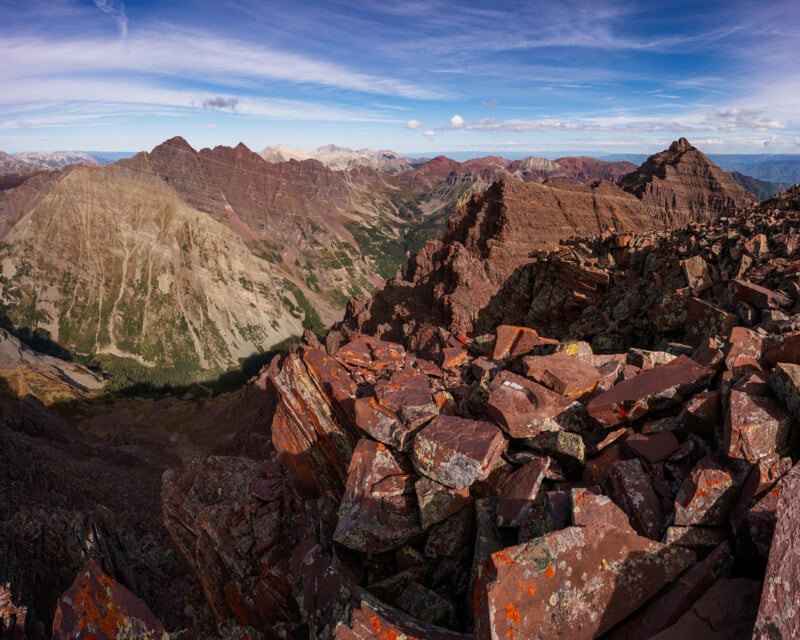
Spanning approximately 485 miles from Denver to Durango, the Colorado Trail offers some of the most challenging terrain in the United States, with an average elevation of over 10,000 feet. For Payne, the hike was not intended to be another list-checking exercise but a structured psychological experiment. Over the course of 35 days, he maintained a rigorous schedule of daily reflections, using a Sony A7R5 and wireless audio equipment to record his physical state and his thoughts on specific philosophical concepts.
Key data points from the journey include:
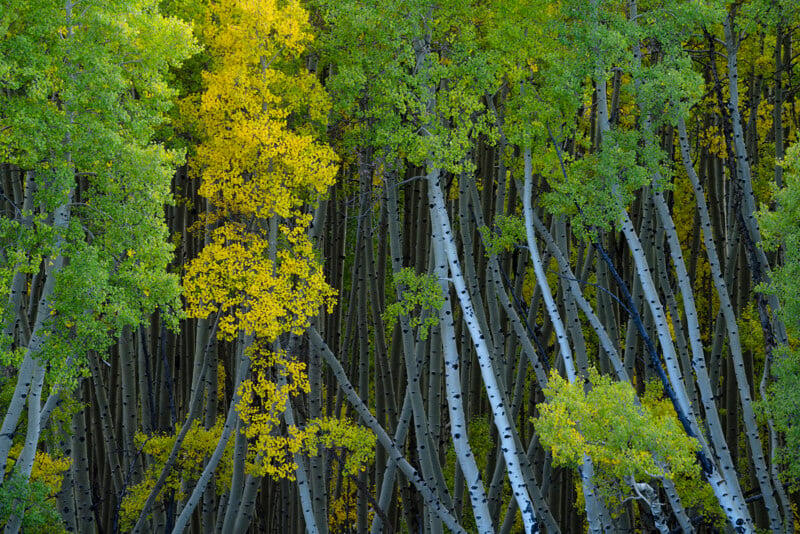
- Total Distance: ~485 miles.
- Duration: 35 days.
- Summits Achieved: 30 peaks (integrated into the thru-hike, rather than treated as isolated goals).
- Physical Output: On peak days, such as Day 24, Payne covered over 16 miles with 5,200 feet of vertical gain.
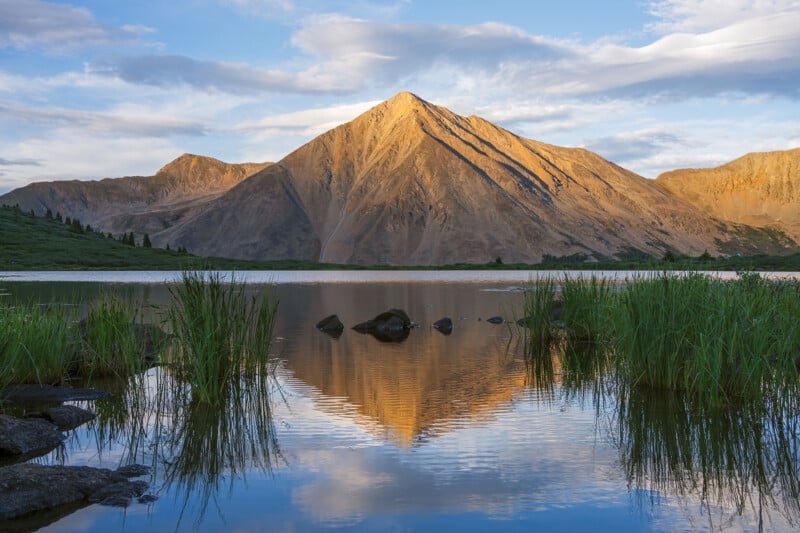
The integration of peak bagging into a thru-hike required significant logistical adjustments. In the San Juan Mountains (Segments 20 through 25), Payne adjusted his pace and caloric intake to accommodate the additional strain of climbing "extra credit" peaks like Baldy Lejos and White Dome. This methodology allowed him to document the landscape not as a series of disconnected summits, but as a continuous, evolving narrative.
Mountaineering Safety and the Analysis of Risk
A significant component of Payne’s evolution as a mountaineer involves his research into high-altitude safety. In 2010, while climbing Longs Peak, Payne encountered the remains of Jeffrey Rosinski, a 29-year-old climber who had suffered a fatal fall. The incident had a profound impact on Payne’s approach to the mountains, leading him to conduct extensive research into mountaineering fatalities in Colorado.
By analyzing patterns in deaths on the state’s fourteeners—data often tracked by organizations like the Colorado 14ers Initiative (CFI)—Payne sought to understand the "fine line between adventure and tragedy." His research highlighted that many fatalities occur not during technical ascents, but during descents or due to rapid weather changes. This analytical approach to risk management provided the safety foundation necessary for his solo thru-hike and informed the "humility-based" philosophy that permeates his current work.
Scientific Frameworks: Hormesis and Effort-Based Reward
Throughout his 35-day journey, Payne applied contemporary scientific concepts to the experience of extreme physical stress. One such concept is hormesis, a biological phenomenon where a low dose of a stressor (such as physical exertion or cold exposure) triggers an adaptive response that increases an organism’s resilience. Payne used his most grueling days on the trail—characterized by rain, cold, and high-altitude climbing—to test the theory that discomfort is not a byproduct of the reward, but the mechanism that generates it.
He also integrated the work of Dr. Anna Lembke, author of Dopamine Nation, regarding the "dopamine treadmill." Lembke’s research suggests that effort-based rewards (pleasure derived after significant pain or exertion) are more sustainable and psychologically beneficial than the "passive pleasure" of instant gratification. By naming these concepts during his video reflections on the trail, Payne transformed his physical exhaustion into a tangible study of neurochemistry and endurance.
From Field Notes to Publication: The Role of Community and Grants
The transition of Payne’s field notes and photographs into a high-end coffee table book was facilitated by the Nature Photography Collective. After winning the "Inspired Creator" award, Payne worked with mentor Nic Stover to refine the project’s scope. While Payne initially envisioned a book solely about the Colorado Trail, the editorial direction shifted to encompass the "full arc" of his career, including the Centennial decade and the safety research sparked by the Rosinski incident.
This collaborative process highlights the importance of institutional support in the arts. The grant provided the financial and professional validation necessary to move the project from a private reflection to a public resource. The resulting book, The Colorado Way, serves as both a visual record of the Colorado wilderness and a guide for other creatives seeking to move beyond technical proficiency toward thematic depth.
Broader Impact and Implications for Modern Photography
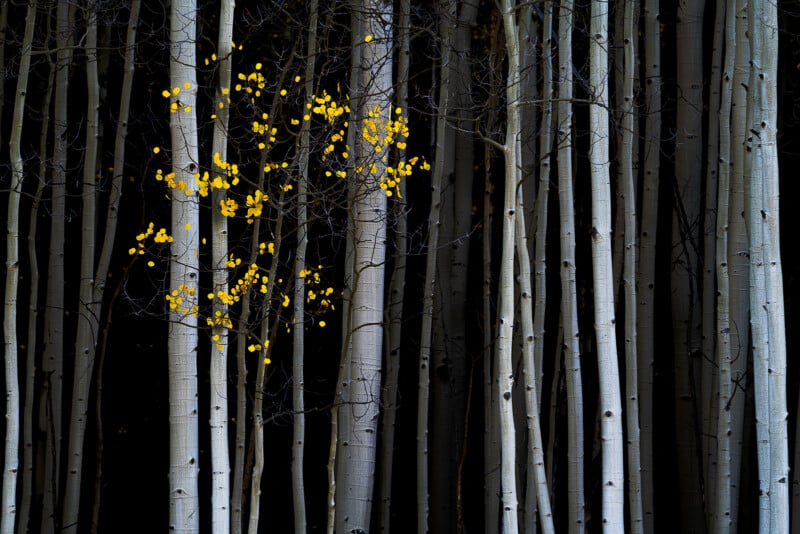
The trajectory of Matt Payne’s work reflects a larger trend within the professional photography community toward "slow photography" and intentionality. In an era where digital platforms often reward high-volume, low-context imagery, Payne’s emphasis on "asking the camera a question" before pressing the shutter offers a counter-narrative.
The implications of this approach include:
- Creative Sustainability: By focusing on internal inquiry rather than external lists, photographers can avoid the "burnout" associated with the constant need for new achievements.
- Educational Value: Integrating safety data and psychological theory into outdoor narratives provides a more holistic view of the wilderness experience for aspiring mountaineers.
- Conservation Awareness: Detailed, long-form documentation of specific regions like the Colorado Trail fosters a deeper connection to the land, which is often a precursor to conservation advocacy.
Payne’s journey suggests that the value of outdoor photography lies not in the height of the peak or the rarity of the light, but in the clarity of the photographer’s intent. As he concludes in his narrative, deciding what a project is "actually about" before it begins is the difference between documenting a scene and building a legacy. The Colorado Way stands as a testament to the idea that the most challenging terrain a mountaineer must navigate is often the landscape of their own mind.

