


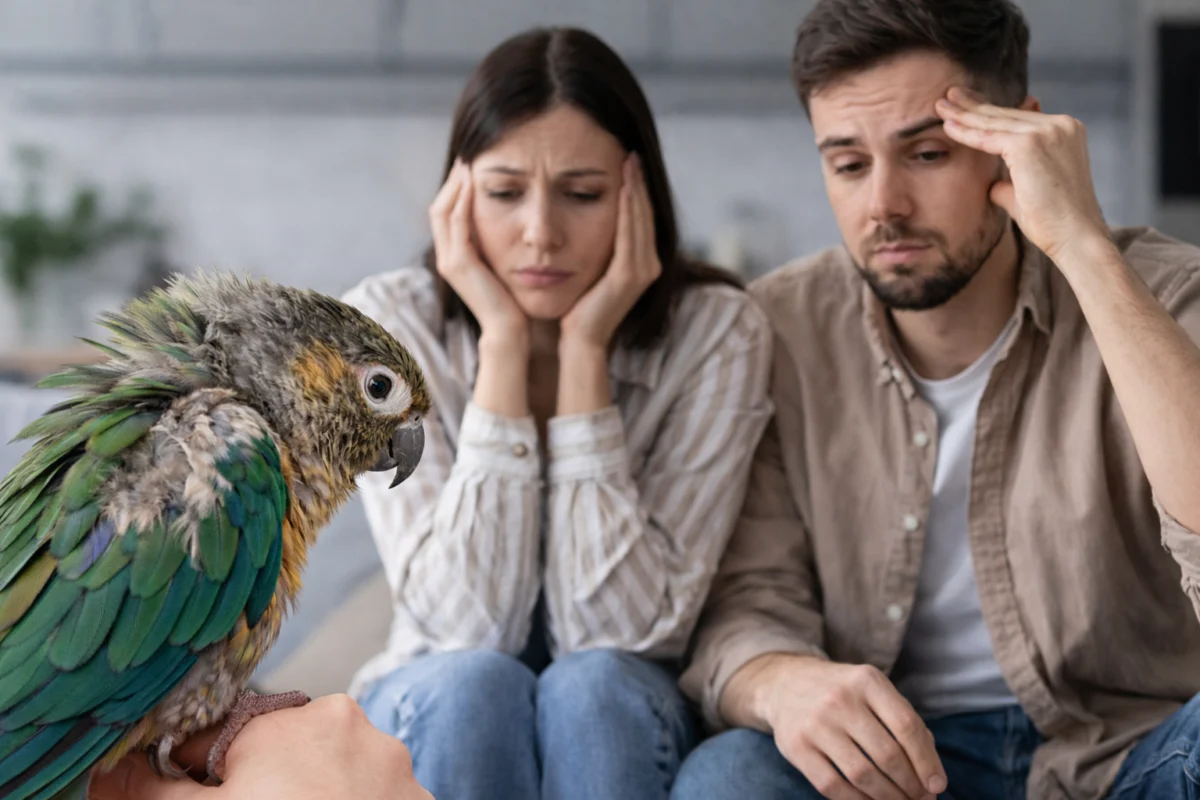
Chronic feather and skin issues in companion birds, often manifesting as persistent molting, poor feather regrowth, or constant irritation, rarely emerge overnight. Instead, they represent a protracted challenge, typically unfolding over weeks or months, leaving caregivers grappling with unsettling questions about distinguishing normal physiological processes from pathological conditions. Owners frequently observe a recurring cycle: feathers fall, new ones emerge in a compromised state, skin irritation persists, and the pattern repeats, prompting inquiries into whether the bird is merely molting or engaging in feather plucking, and why the restorative process seems perpetually incomplete.
This comprehensive guide is designed for the discerning owner who has moved beyond initial concerns and is now seeking to understand the underlying mechanisms when a bird’s body fails to complete its natural repair cycles. It aims to provide insights into effective next steps, emphasizing objective observation of avian behavior and positioning behavior modification as a secondary intervention, strictly after all potential medical causes have been thoroughly investigated and ruled out by a qualified avian veterinarian.
Understanding Avian Feather Health: Differentiating Normal from Concerning
Feather health is a critical indicator of a bird’s overall well-being. A normal molt is a highly orchestrated physiological process essential for maintaining flight, insulation, and waterproofing. This natural renewal typically occurs in predictable waves, where old, worn feathers are systematically replaced by new ones. During this period, owners might notice increased feather shedding and the appearance of "pin feathers"—new feathers encased in a keratin sheath, which can be itchy as they emerge. However, these phases are usually transient, with feathers opening and the skin settling within a defined timeframe.
What Constitutes a Normal Molt:
- Cyclical Nature: Occurs in distinct, predictable waves, followed by periods of quiescence.
- Even Regrowth: New feathers typically grow back uniformly and with full integrity.
- Self-Resolution: The temporary "spiky" phase of pin feathers resolves as they mature.
- Minimal Distress: While some birds may be slightly less energetic or more irritable during a heavy molt due to the energy demands, overt signs of pain or severe discomfort are uncommon.
Indicators That Raise Concern:
When the natural cycle of feather replacement falters, it signals a deeper issue. Owners should be vigilant for patterns that deviate from normal, healthy molting.
- Protracted Molt: A molt that seems to never end, lasting for many months, or with no clear periods of healthy, stable feathering.
- Poor Feather Quality: New feathers that grow in damaged, discolored, misshapen, or with visible "stress bars" (transverse lines or weak points indicating a disruption during growth).
- Skin Irritation/Damage: Redness, inflammation, scabbing, or open sores on the skin beneath the feathers.
- Excessive Preening/Self-Mutilation: Constant, aggressive preening that leads to feather damage, or outright plucking and self-inflicted wounds.
- Persistent Itching: The bird frequently scratches, rubs, or attempts to alleviate persistent pruritus.
- Feather Follicle Damage: Repeated damage to the feather follicles can lead to permanent feather loss in affected areas.
- Behavioral Changes: Lethargy, decreased appetite, aggression, or other noticeable shifts in disposition that accompany the feather issues.
It is crucial for owners to document these observations meticulously. Simple actions, such as establishing a baseline of healthy feather appearance and photographing affected areas weekly under consistent lighting, can provide invaluable evidence to track the progression or regression of the condition, moving beyond subjective guesswork about "molting vs. plucking." Rather than comparing one’s bird to others, the focus should be on how the bird’s current feather health compares to its own past, and the duration of any persistent problematic cycle. A pattern that fails to resolve typically indicates the bird’s body lacks the necessary resources or respite for complete healing.
The Complex Physiology of Feather Growth and Its Vulnerabilities
Feather growth is one of the most metabolically demanding processes a bird’s body undertakes. Feathers are composed primarily of keratin, a protein, and their formation requires significant energy, specific amino acids, vitamins (especially A, D, E, biotin), and minerals (such as zinc and calcium). This intricate process is tightly regulated by a complex interplay of hormones, including thyroid hormones, sex hormones, and adrenal hormones.
Nutritional Demands: A diet deficient in essential nutrients can severely compromise feather quality. For instance, inadequate protein intake can lead to poor keratin formation, resulting in brittle, discolored, or misshapen feathers. Vitamin A deficiency is commonly linked to poor skin health and abnormal feather growth, while deficiencies in B vitamins and essential fatty acids can also manifest as dermatological and plumage problems. Studies, such as those by Chen et al. (2020), highlight the critical role of specific molecular signaling and nutritional regulation in poultry feather growth and regeneration, principles largely applicable to companion birds.
Hormonal Regulation: The timing and duration of molting are influenced by photoperiod (light cycles), temperature, and hormonal signals. Disruptions to these environmental cues or imbalances in hormonal levels can lead to atypical molting patterns, such as a prolonged or "never-ending" molt.
Stress and Feather Quality: Beyond direct nutritional or hormonal imbalances, stress is a profound inhibitor of healthy feather development. When a bird is under stress, its body diverts resources to "fight or flight" responses, prioritizing immediate survival over energy-intensive processes like feather regeneration. The adrenal glands release stress hormones, which can suppress immune function and alter metabolic pathways, directly impacting the quality of growing feathers. This physiological response often manifests as stress bars, a visible record of periods of physiological distress during feather formation. McGraw (2006) details how environmental factors, including stress, can influence the expression of avian coloration and feather quality, underscoring the delicate balance required for healthy plumage.
Common Causes of Chronic Feather and Skin Issues
Chronic feather and skin problems are multifactorial, stemming from a combination of medical, environmental, and behavioral factors. Identifying the root cause is paramount for effective intervention.
1. Medical Conditions:
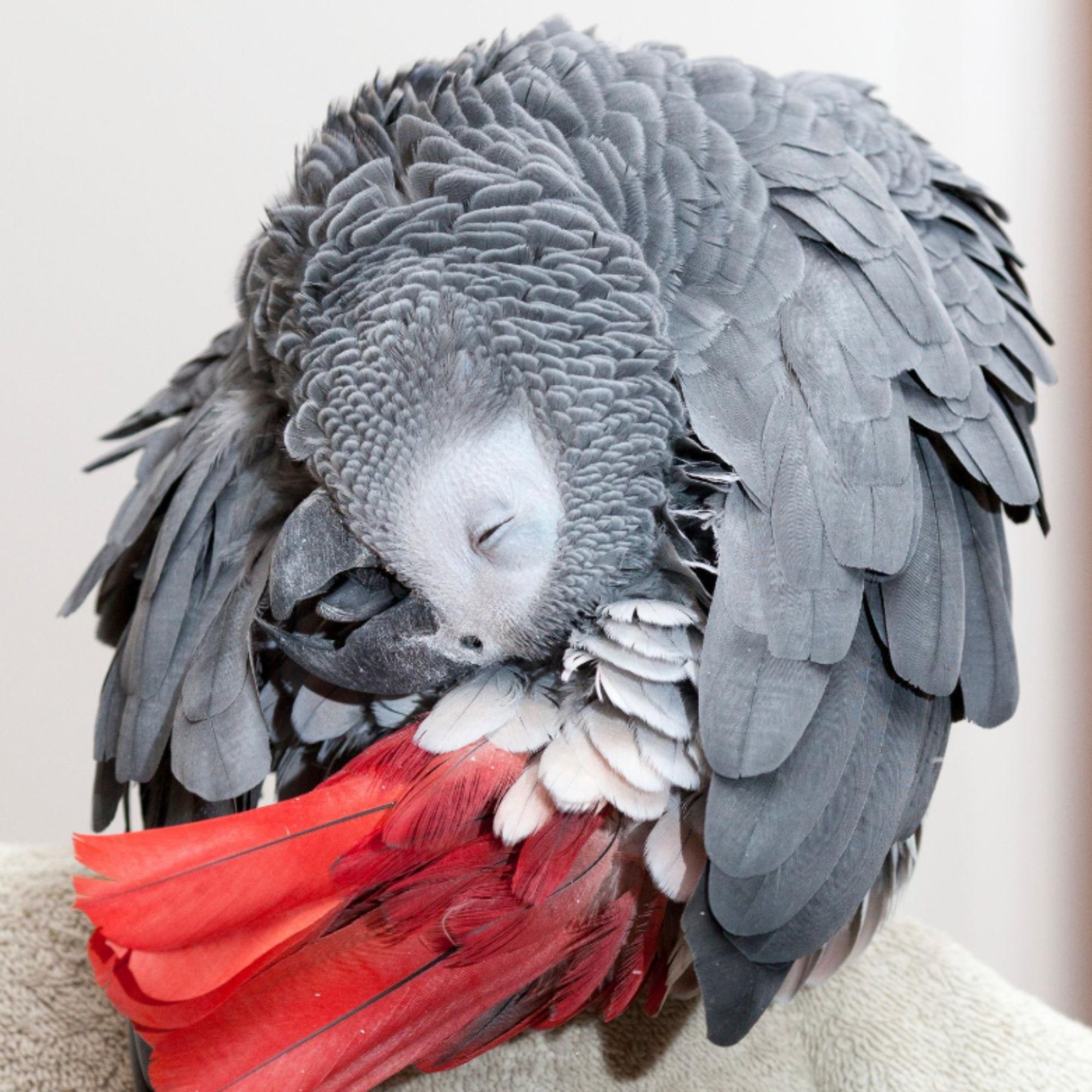
- Infections: Bacterial, fungal (e.g., Candidiasis), or parasitic (e.g., mites, giardia) infections can cause intense itching, skin inflammation, and feather damage.
- Viral Diseases: Psittacine Beak and Feather Disease (PBFD) and Polyomavirus are devastating viral infections that directly attack feather follicles and immune cells, leading to severe feather dystrophy and immunodeficiency.
- Organ Disease: Underlying liver, kidney, or thyroid disease can manifest as poor feather quality, dull plumage, and skin issues due to metabolic disturbances.
- Allergies: While less commonly diagnosed than in mammals, birds can develop allergies to environmental allergens (dust, pollen, molds) or dietary components, leading to pruritus and self-mutilation.
- Heavy Metal Toxicity: Exposure to heavy metals like lead or zinc can cause systemic illness, including neurological signs and dermatological issues.
- Nutritional Deficiencies: As discussed, inadequate intake of proteins, vitamins, and minerals is a significant contributor.
- Pain: Chronic pain from injuries, arthritis, or internal conditions can cause a bird to excessively preen or pluck at the affected area.
2. Environmental Stressors:
- Inadequate Humidity: Indoor environments, especially during winter, often have very low humidity, which can dry out skin and feathers, making them brittle and itchy.
- Poor Lighting: Lack of full-spectrum lighting, particularly UV-B, can impair vitamin D synthesis, affecting calcium metabolism and overall health. Inconsistent light cycles can also disrupt natural hormonal rhythms governing molt.
- Unsuitable Cage Environment: Overcrowding, lack of appropriate perches, or unsanitary conditions contribute to stress and potential pathogen exposure.
- Environmental Toxins: Exposure to smoke, aerosols, cleaning products, or non-stick cookware fumes can be highly detrimental.
3. Behavioral Factors:
- Learned Behavior: Once initiated by an underlying medical or environmental trigger, feather destructive behavior can become a self-reinforcing habit, even if the original cause is resolved.
- Boredom and Lack of Enrichment: Highly intelligent birds, particularly parrots, require significant mental stimulation. A lack of appropriate toys, foraging opportunities, and social interaction can lead to frustration and redirect energy towards feather manipulation.
- Anxiety and Fear: Chronic stress from perceived threats, changes in routine, or inconsistent handling can contribute to feather issues.
- Social Isolation: Birds are social animals. Isolation can lead to psychological distress.
Immediate Action: Focusing on Stabilization, Not Quick Fixes
When confronted with chronic feather issues, the initial priority should be stabilization and creating an optimal healing environment, rather than attempting to "fix" everything at once. This phase is about providing foundational support for the bird’s body to recover.
Key Stabilization Strategies:
- Optimize Nutrition: Ensure the bird is on a high-quality, balanced diet, ideally a veterinary-approved pelleted diet supplemented with fresh fruits, vegetables, and small amounts of healthy grains. Consider a broad-spectrum avian vitamin and mineral supplement, but only under veterinary guidance.
- Environmental Enrichment: Provide a stimulating environment with a variety of appropriate toys for chewing, foraging, and climbing. Rotate toys regularly to maintain novelty.
- Adequate Humidity: Increase ambient humidity through humidifiers, regular misting, or shallow bathing opportunities.
- Consistent Sleep Schedule: Birds require 10-12 hours of uninterrupted sleep in a dark, quiet environment. Disruptions to this critical rest period are a significant stressor.
- Minimize Environmental Stressors: Identify and eliminate potential stressors such as loud noises, sudden movements, or exposure to harsh chemicals.
- Gentle Handling: Reduce excessive or forceful handling. Allow the bird space and autonomy.
- Maintain Hygiene: Ensure the cage is clean, and fresh water is always available.
- Monitor Behavior: Keep a detailed log of feather changes, skin condition, eating habits, activity levels, and any behavioral shifts.
This stabilization phase is not about immediate cures or complex behavioral interventions. It is about simplifying the bird’s environment and supporting its physiological needs, much like caring for a convalescent human. The goal is to provide the body with the breathing room and resources necessary for healthier feathers to grow. Rushing into multiple interventions simultaneously can inadvertently perpetuate a state of stress, which directly impairs feather development.
When to Call a Professional: Avian Veterinary Care is Primary
While initial stabilization measures are vital, they are not a substitute for professional medical assessment. Chronic feather and skin issues demand a thorough investigation by a qualified avian veterinarian.
Immediate Veterinary Consultation is Required If You Observe:
- Physical Changes: Weight loss, prominent keel bone, palpable masses, changes in droppings, or any signs of systemic illness.
- Skin Damage: Open wounds, scabbing, severe inflammation, or bleeding.
- Low Energy/Appetite Shifts: Lethargy, decreased activity, or a significant change in food or water consumption.
- Rapid Worsening: A sudden and severe deterioration of feather or skin condition.
- Feather Dystrophy: Severely abnormal feather growth (e.g., clubbed feathers, permanent bald patches, blood feathers that never mature).
- No Improvement: If stabilization efforts yield no positive results within a few weeks.
An avian veterinarian will conduct a comprehensive physical examination, which may include blood tests (CBC, biochemistry panel), feather biopsies, skin scrapings, bacterial/fungal cultures, viral screening (PBFD, Polyomavirus), and potentially radiographs or endoscopy to rule out internal organ disease or foreign bodies. Their role is to diagnose and treat any underlying medical conditions that could be driving the feather problems. As Lightfoot (2024) emphasizes in the Merck Veterinary Manual, skin and feather disorders are common in pet birds and often require detailed diagnostic work-up.
The Role of Behavior Modification: A Post-Medical Approach
Only after all medical causes have been definitively ruled out by an avian veterinarian, and the bird is deemed physically healthy, should behavior modification be considered for feather destructive behaviors. It is critical to understand that behavior modification is not about correcting "bad" feather behavior directly, but rather about strengthening desirable, natural parrot activities.
Natural Parrot Behaviors as Stress Relief:
Parrots are complex, intelligent creatures with a rich repertoire of natural behaviors. Engaging in activities such as:
- Calm Preening: Maintaining plumage in a healthy, non-destructive manner.
- Eating and Foraging: Spending time acquiring and consuming food.
- Bathing: Regular bathing opportunities promote feather health and cleanliness.
- Chewing and Shredding: Destructive chewing on appropriate toys is a natural outlet for energy and a form of enrichment.
- Exploring and Playing: Investigating their environment and interacting with toys.
These activities are inherently self-regulating and act as significant stress relievers for birds. When a bird is consistently engaged in these positive behaviors, its focus naturally shifts away from its feathers. Behavior modification, therefore, centers on reinforcing these constructive activities through positive reinforcement techniques. This could involve offering preferred treats for engaging with foraging toys, praising for calm play, or creating an environment that encourages exploration.
Where Behavior Modification Fits:
Behavior modification aims to:
- Reduce Day-to-Day Stress: Create a predictable, safe, and enriching environment that minimizes anxiety.
- Increase Predictability: Consistent routines help birds feel secure and reduce uncertainty.
- Reinforce Desirable Behaviors: Actively reward engagement in natural parrot activities to increase their frequency.
- Manage Environmental Triggers: Identify and modify any environmental cues that might trigger feather destructive behavior.
The philosophy here is to empower the bird to engage in activities that naturally alleviate stress and provide fulfillment, rather than attempting to suppress an undesirable behavior directly. As stress levels decrease and predictable, positive engagements increase, the intensity of feather-focused habits often diminishes. This holistic approach, integrating physical health, environmental optimization, and targeted behavioral support, offers the best chance for improving both behavior and feather quality.

Long-Term Management and Prevention
Managing chronic feather and skin issues is often a long-term commitment that requires vigilance and adaptability from the owner. Prevention, where possible, is always preferable.
Key Strategies for Long-Term Health:
- Consistent High-Quality Diet: Continuously provide a nutritionally complete diet tailored to the bird’s species and life stage.
- Environmental Control: Maintain optimal humidity, temperature, and lighting (including full-spectrum UV-B) year-round.
- Regular Veterinary Check-ups: Annual or bi-annual wellness exams can detect subtle health issues before they escalate into chronic problems.
- Ongoing Enrichment: Continuously update and vary toys, foraging opportunities, and social interactions to prevent boredom and mental stagnation.
- Stress Reduction: Be mindful of changes in the household, new pets, or extended absences that could act as stressors. Introduce changes gradually.
- Regular Bathing: Offer consistent opportunities for bathing or misting to keep feathers and skin hydrated and clean.
- Observe and Adapt: Remain observant of your bird’s behavior and feather condition. Be prepared to adjust care routines based on individual needs and seasonal changes.
The journey to resolving chronic feather and skin issues in companion birds is often complex, requiring patience, dedication, and a multidisciplinary approach. By prioritizing physical health, providing a stable and enriching environment, and working closely with avian veterinary and behavioral professionals, owners can significantly improve their bird’s quality of life and encourage the return of healthy, vibrant plumage.
Expert Insights and Final Recommendations
Diane Burroughs, LCSW, a licensed psychotherapist and ABA-trained behavior expert specializing in avian anxiety, underscores the importance of a phased approach. Her work, which emphasizes science-backed wellness solutions for parrots, highlights that understanding the nuances of avian behavior and physiology is paramount. "With chronic feather and skin issues," Burroughs states, "what you do—and when you do it—matters immensely."
Her recommendation aligns with a consensus among avian health professionals:
- Prioritize Physiological Support: Begin by addressing the bird’s fundamental physical health: nutrition, adequate rest, predictable routines, and an optimal environment.
- Veterinary First: If feather problems persist, worsen, or are accompanied by other clinical signs such as weight loss, pain, or skin damage, an avian veterinarian is the immediate and essential first point of contact. Medical causes must be thoroughly investigated and treated.
- Behavioral Support Follows: Only once medical conditions are definitively ruled out should behavioral support be initiated. This support is most effective when it focuses on reducing overall stress and reinforcing natural, positive parrot behaviors, rather than attempting to force a cessation of feather destructive habits.
This structured approach not only addresses the immediate symptoms but also targets the underlying causes, fostering a more resilient and healthy avian companion.
References
Chen, M.-J., Xie, W.-Y., Jiang, S.-G., Wang, X.-Q., Yan, H.-C., & Gao, C.-Q. (2020). Molecular signaling and nutritional regulation in the context of poultry feather growth and regeneration. Frontiers in Physiology, 10, Article 1609. https://doi.org/10.3389/fphys.2019.01609
Lightfoot, T. L. (2024, September). Skin and feather disorders of pet birds. In Merck Veterinary Manual. Merck & Co., Inc. https://www.merckvetmanual.com/bird-owners/disorders-and-diseases-of-birds/skin-and-feather-disorders-of-pet-birds
Lucas, A. M., & Stettenheim, P. R. (1972). Avian anatomy: Integument (Agriculture Handbook No. 362). U.S. Department of Agriculture. https://naldc.nal.usda.gov/catalog/CAT87209099
McGraw, K. J. (2006). Mechanics of carotenoid-based coloration. In G. E. Hill & K. J. McGraw (Eds.), Bird coloration, Vol. 1: Mechanisms and measurements (pp. 177–242). Harvard University Press.
Stettenheim, P. R. (2000). The integumentary morphology of modern birds—An overview. American Zoologist, 40(4), 461–477. https://doi.org/10.1093/icb/40.4.461
Meet Diane Burroughs, LCSW – licensed psychotherapist, ABA-trained behavior guru, and your go-to expert for avian anxiety (yes, birds get stressed too!). Certified in Nutrition for Mental Health, Diane turns science into real-world solutions for feathered friends. She’s the author of multiple bird behavior books, offers one-on-one behavior consultations, and is the brain behind UnRuffledRx – a line of science-backed parrot wellness products that actually work.
Diane’s creations have flown off the shelves into avian vet clinics and bird stores across the U.S., and her work has been featured in the Journal of Avian Medicine & Surgery and at Exoticscon. With 30+ years of hands-on experience, she’s helped thousands of birds thrive with customized behavior plans, proving that happy birds make happy humans.

