


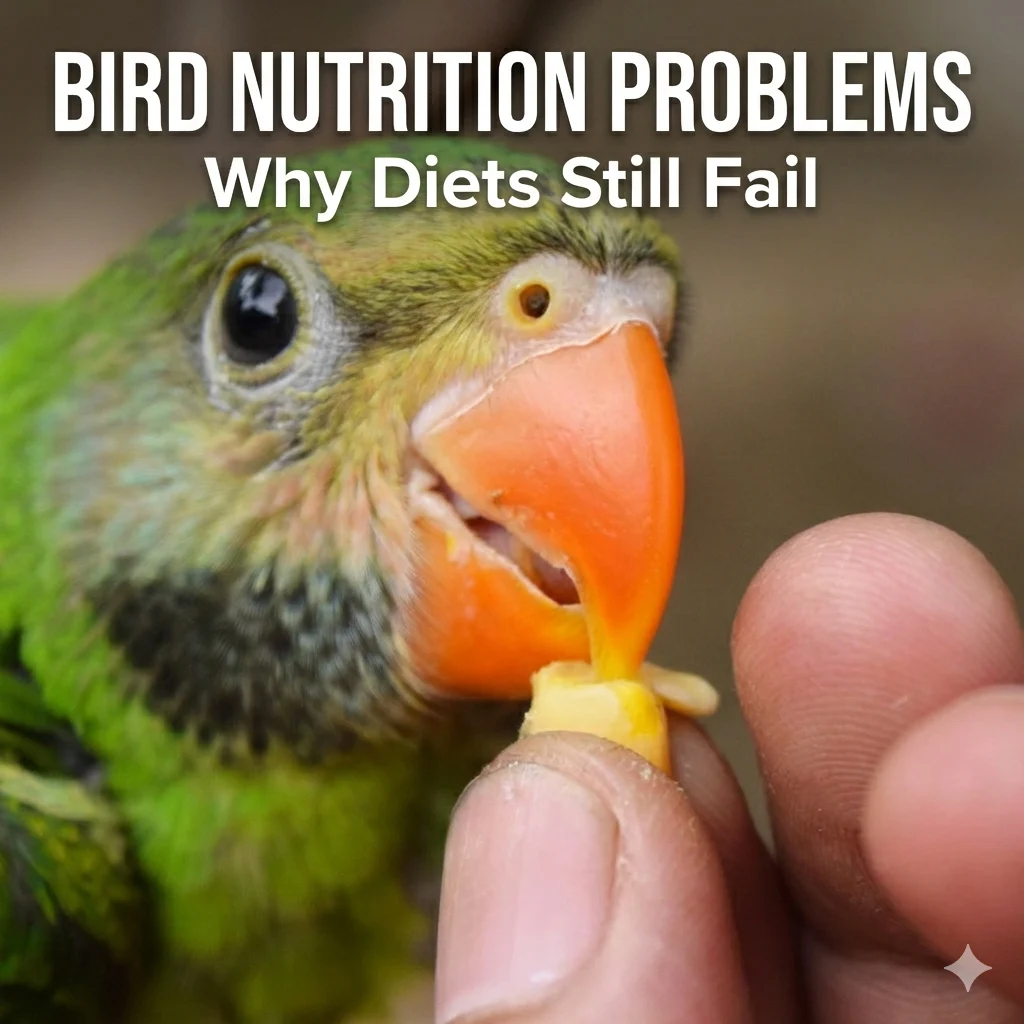
Despite diligent efforts from devoted pet bird owners to provide balanced diets, many parrots still exhibit signs of weakness, illness, or suboptimal health. This perplexing scenario often leads to the question: "My bird eats well – so why do they still look weak?" The answer lies in the complex interplay of nutrient intake, absorption, and activation within the bird’s unique metabolic system. A diet may appear "good" on paper, offering a variety of high-quality foods, yet fail to deliver essential nutrients where they are needed most. When any of these three critical links – intake, absorption, or activation – falters, the bird’s overall health and vitality inevitably suffer.
The Foundational Pillars: Intake, Absorption, and Activation
The journey of nutrients from the food bowl to the bird’s cells is a multi-stage process. First, adequate intake of nutrient-rich foods is crucial. This means the bird must not only be offered the right foods but must also actively consume them in sufficient quantities. Second, absorption is vital; nutrients must be successfully extracted from the digestive tract and transferred into the bloodstream. This process is influenced by the health of the intestinal lining, the presence of digestive enzymes, and the bioavailability of the nutrients themselves. Finally, activation ensures that once absorbed, nutrients are converted into their biologically active forms and utilized by the body’s various systems. A common example of this metabolic chain is calcium, which requires adequate vitamin D3 for proper absorption and utilization. If one link in this chain is weak or broken, the entire system can become compromised, leading to subtle, progressive health issues that can escalate into serious conditions.
Beyond the Bowl: Understanding Common Nutritional Deficiencies
Avian experts, including certified professionals like Diane Burroughs, LCSW, an author specializing in bird nutrition and health, consistently highlight key nutrients that are frequently deficient in pet bird diets, even when owners believe they are feeding well. These include Calcium, Vitamin D3, essential Amino Acids, and Trace Minerals. Each plays a distinct and critical role in maintaining avian health.
-
Calcium and Vitamin D3: The Egg & Bone Security Duo
Calcium is not merely for strong bones; it is fundamental for nerve transmission, muscle contraction, blood clotting, and maintaining a regular heartbeat. Without sufficient circulating calcium, a bird’s entire neuromuscular system is at risk. However, dietary calcium alone is insufficient. Its absorption from the gut into the bloodstream is heavily reliant on Vitamin D3. In birds, Vitamin D3 is primarily synthesized in the skin when exposed to specific wavelengths of ultraviolet B (UVB) light, or it can be obtained through the diet. Once produced or ingested, D3 is further activated in the liver and kidneys. Without adequate UVB exposure or dietary D3, calcium cannot efficiently move into the bloodstream, leading to conditions like hypocalcemia (low blood calcium). This often manifests subtly at first, presenting as reduced gripping strength, unsteady perching, or a general weakness that owners might initially dismiss. For breeding hens, this deficiency can lead to thin-shelled or soft-shelled eggs, egg binding, and even life-threatening calcium crashes. Species like African Greys are particularly susceptible to calcium deficiencies due to their unique metabolic pathways, emphasizing the need for targeted nutritional and environmental management. -
Amino Acids: Fueling Total Body Vitality
Amino acids are the building blocks of proteins, which are essential for virtually every physiological process, including feather growth, muscle repair, enzyme production, hormone synthesis, and immune system function. A complete diet must provide all essential amino acids in the correct proportions. Deficiencies, often seen in seed-heavy diets, can lead to poor feather quality (dull, brittle, or discolored plumage), compromised immune responses making birds more susceptible to infections, and general listlessness or muscle wasting. The continuous process of molting, in particular, places high demands on a bird’s amino acid reserves. Without them, feathers may not develop properly, impacting flight, insulation, and overall appearance. -
Trace Minerals: Orchestrating Hormonal Balance and Immunity
Trace minerals, such though required in smaller amounts, are indispensable for countless biochemical reactions. Zinc, for example, is vital for immune function, wound healing, and feather pigmentation. Iodine is critical for thyroid hormone production, which regulates metabolism and energy levels. Selenium acts as an antioxidant and is important for immune health. Deficiencies in these minerals can subtly disrupt hormonal balance, leading to issues like poor feather quality, reproductive problems, thyroid dysfunction, and a weakened immune system. Owners might observe a decline in overall vigor, unexplained weight fluctuations, or recurrent infections.
The Challenge of Diet Transition: From Seed Preference to Balanced Nutrition
One of the most significant hurdles for many pet bird owners is transitioning their bird from a seed-dominant diet to a more nutritionally complete pellet-based diet. Parrots are inherently "neophobic," meaning they have a natural fear of new or unfamiliar objects and foods. This evolutionary trait, designed to protect them from consuming toxins in the wild, makes "cold turkey" pellet swaps incredibly dangerous. A bird accustomed to seeds may choose starvation over an unfamiliar pellet, leading to rapid and life-threatening weight loss.
-
Navigating Neophobia and Seed Addiction
Birds do not automatically recognize pellets as food, especially if they were raised exclusively on seeds. Seeds, while calorie-dense, are often high in fat and low in bioavailable calcium, Vitamin A, and essential amino acids. The palatable texture and fat content of seeds can lead to a learned feeding behavior akin to an "addiction," where birds prefer seeds not for their nutritional wisdom but for their sensory appeal. This preference, sustained over time, results in predictable nutrient gaps that manifest gradually, often masked by an initial appearance of high energy. -
A Gradual Approach to Conversion
A successful transition to pellets is not about inducing hunger but about bridging the nutritional gap while the bird learns to trust the new food. Avian veterinarians universally recommend a gradual approach. This involves mixing small amounts of pellets into the bird’s existing seed diet, slowly increasing the pellet proportion over weeks or even months. Crucially, owners must monitor their bird’s weight weekly using a gram scale. A weight drop exceeding 3-5% of body weight is a red flag, signaling inadequate intake and requiring a slower transition. The priority during conversion is caloric stability; nutritional optimization follows once the bird reliably consumes the new food. Supplements can play a vital role during this transitional period, ensuring the bird receives critical Calcium and Amino Acids while they adapt to the unfamiliar texture and taste of pellets.
The Hidden Dangers of "Good" Diets: Pellets, Veggies, and the Missing Link
Even birds consuming a diet of high-quality pellets and fresh vegetables can develop nutritional deficiencies. The common misconception is that if the food is in the bowl, the nutrients are being utilized. However, as avian experts emphasize, intake does not automatically equate to absorption and activation.
-
The Crucial Role of UVB Light
A primary reason for this disconnect, particularly concerning calcium, is insufficient Vitamin D3 activation. Indoor birds, even those in bright rooms, often lack adequate exposure to ultraviolet B (UVB) light. Standard window glass effectively blocks nearly all UVB rays, meaning the sun streaming through a window offers no benefit for Vitamin D3 synthesis. Most parrots evolved in tropical regions with stable, high-intensity sunlight year-round. In northern climates, winter brings dramatic reductions in natural UVB exposure, and indoor living further exacerbates this issue. Without proper UVB exposure, the bird’s skin cannot synthesize D3, hindering calcium absorption from the gut. This makes indoor birds metabolically "under-activated," leading to subtle, progressive weakness despite a seemingly "balanced" diet. Installing a safe, avian-specific UVB lamp, positioned at the correct distance and replaced according to manufacturer guidelines (as bulbs degrade over time even if they still appear bright), is therefore a critical component of preventing D3 and calcium deficiencies.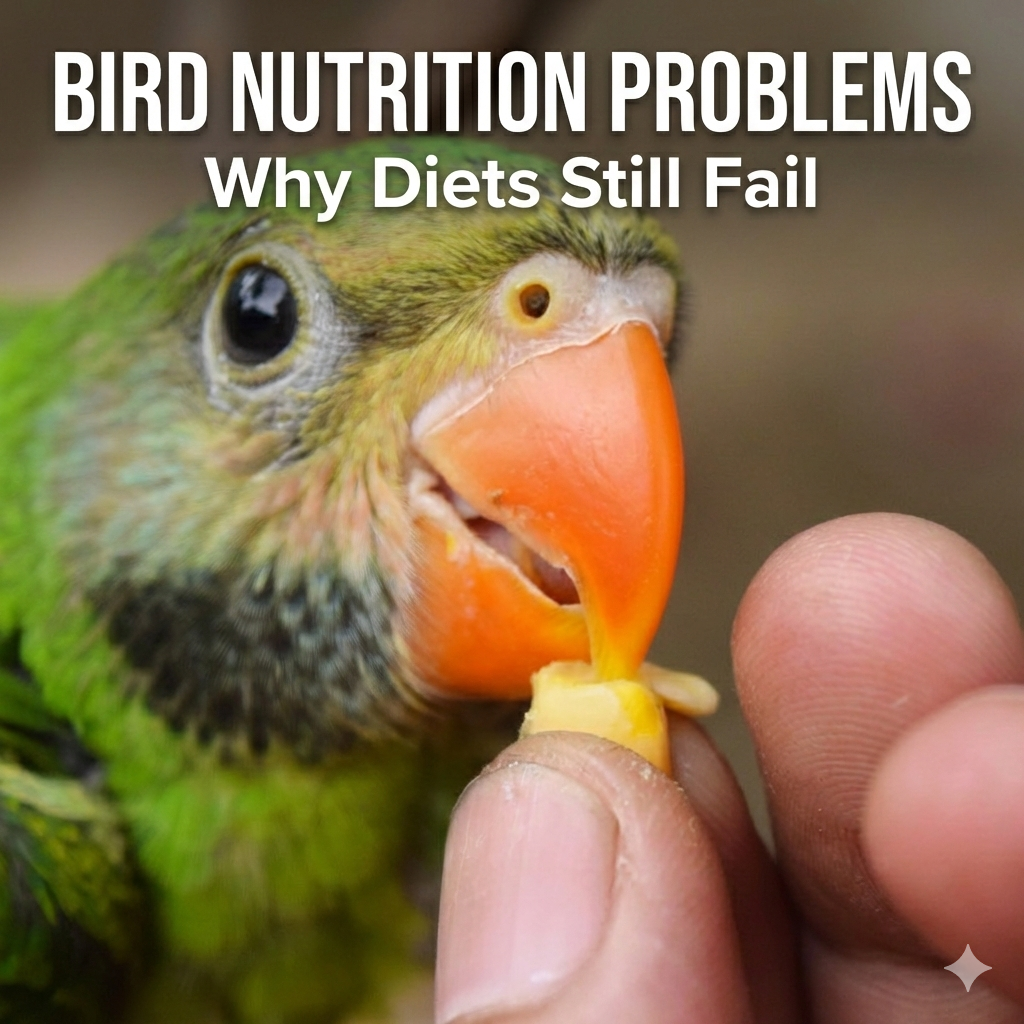
-
Seasonal Declines: The Winter Effect
The question "Why does everything get worse in winter?" is commonly posed by bird owners. The answer lies in the dramatic shift in light exposure. Shorter days and weaker sunlight in temperate zones directly reduce natural UVB exposure, consequently reducing Vitamin D3 synthesis and calcium utilization. Beyond D3, light exposure also profoundly regulates a bird’s circadian rhythm, hormone signaling (including thyroid and reproductive hormones), and overall metabolic stability. Inconsistent or shortened photoperiods can trigger a cascade of issues, from irritability and reduced activity to weaker grip strength, delayed or poor-quality molts, and even behavioral problems. When environmental light shifts dramatically from what a tropical species’ physiology expects, both behavior and structural strength often decline.
The Efficacy of Supplements: When and How to Use Them
Supplements can be a valuable tool in avian nutrition, but their effectiveness hinges on several factors: ingredient stability, consistent intake, and bioavailability. The question is not simply "Do they work?" but "Is the bird reliably consuming a stable, absorbable dose?"
-
Food vs. Water Supplements
Water-soluble supplements, while convenient, can be unpredictable. Nutrients can degrade in light or warm water, and the actual dose consumed depends entirely on the bird’s fluctuating daily water intake. This variability makes consistent dosing challenging. Food-based delivery, such as mixing supplements into a measured portion of chop or soft food, generally improves dose reliability. Owners can more accurately confirm consumption, reducing the risk of underdosing or waste, especially for nutrients like calcium, magnesium, biotin, or calming amino acids that require steady intake. -
When a Bird Needs Calcium Supplementation
Specific situations warrant calcium supplementation. Indoor housing without adequate UVB exposure is a primary risk factor. Egg-laying hens, birds exhibiting weak grip strength, those experiencing seasonal neuromuscular decline, or birds with a history of thin-shelled eggs often require additional support. A properly formulated combination of calcium, magnesium, and Vitamin D3 is crucial, as these nutrients work synergistically. However, caution is paramount; excess calcium can lead to soft tissue mineralization, kidney strain, and metabolic imbalance. Supplementation should always be intentional, species-appropriate, and ideally guided by an avian veterinarian.
Recognizing the Signs: Deficiency, Toxicity, or Something Worse?
Owners often struggle to differentiate between various nutritional deficiencies, especially when symptoms can overlap or mimic other illnesses. It is crucial to remember that while Vitamin A and calcium imbalances are common, both low and excessively high levels of these nutrients can cause severe health complications. The following signs are educational guides, not diagnostic tools. Any progressive or severe symptoms warrant immediate veterinary attention.
-
Signs of Vitamin A Deficiency:
- Respiratory Issues: Chronic sneezing, nasal discharge, choanal papillae blunting (small, finger-like projections in the roof of the mouth become flattened or swollen), difficulty breathing.
- Oral Lesions: White plaques or abscesses in the mouth and throat.
- Eye Problems: Swollen eyelids, discharge, or poor vision.
- Feather Quality: Dull, discolored, or abnormal feather growth.
- Immune Compromise: Increased susceptibility to bacterial and fungal infections.
Vitamin A maintains the healthy epithelial lining of the mouth, sinuses, and respiratory tract. Deficiency causes this tissue to thicken and lose its protective function, creating an easy entry point for pathogens. While dietary correction is vital, excessive synthetic Vitamin A supplementation can stress the liver, emphasizing that balance, not excess, is key.
-
Signs of Hypocalcemia (Calcium Deficiency):
- Neuromuscular Weakness: Weak grip strength, slipping toes, difficulty perching, tremors.
- Behavioral Changes: Irritability, increased aggression, listlessness.
- Flight Impairment: Shorter flights, hesitation before takeoff, clumsy landings.
- Reproductive Issues: Thin-shelled or soft-shelled eggs, egg binding, decreased fertility.
- Seizures: In severe, acute cases, life-threatening seizures can occur.
Calcium regulates nerve transmission and muscle contraction. When circulating levels drop, neuromuscular weakness appears first, often subtly, before escalating into a crisis. Excess calcium, however, can also be detrimental, leading to kidney strain and soft tissue mineralization.
-
When to Call an Avian Vet Immediately:
Certain symptoms are not "watch and wait" situations and demand immediate professional intervention:- Acute seizures or neurological signs.
- Severe respiratory distress or gasping.
- Sudden collapse or profound weakness.
- Loss of balance or inability to perch.
- Rapid and significant weight loss (more than 10% in a week).
- Any signs of egg binding or straining in a female bird.
These signs can indicate acute calcium crashes, severe infections secondary to Vitamin A deficiency, or other systemic illnesses that progress rapidly. An avian veterinarian can perform crucial diagnostic tests such as blood calcium testing, radiographs, and administer supportive treatments that cannot be safely replicated at home. Documenting changes in weight, grip strength, appetite, and behavior before the veterinary visit can provide invaluable information.
A Holistic Approach to Avian Health: Fixing the Problem
Addressing nutritional deficiencies in parrots requires a multi-faceted approach that targets the weak links in the intake, absorption, and activation chain. Partial solutions often lead to partial improvements. The most effective outcomes stem from a structured diet, appropriate environmental enrichment, and targeted support when necessary, with progress continually tracked through behavioral observation and weight monitoring.
-
Correcting Vitamin A Deficiency:
This involves increasing dietary sources of provitamin A carotenoids (e.g., dark leafy greens, orange and yellow vegetables like carrots, sweet potatoes, bell peppers) and ensuring the bird is consuming them reliably. For severe cases, a veterinarian may prescribe a carefully dosed Vitamin A supplement. Improvement is often seen first in oral tissue color and a reduction of nasal debris, as opposed to instant changes in feather quality. Consistent dietary correction is paramount, as sporadic vegetable intake will not rebuild depleted tissue stores. Caution is advised with synthetic Vitamin A, as excess can burden the liver; supplementation should only occur under veterinary guidance. -
Installing a Safe UVB Bird Light:
For indoor birds, this is non-negotiable. Glass blocks UVB, rendering window light ineffective for Vitamin D3 synthesis. An avian-specific UVB lamp, positioned correctly (usually 12-18 inches from the perch) and used for 8-12 hours daily, allows the skin to produce D3, enabling intestinal calcium absorption. Consistency of exposure is more important than irregular, high-intensity bursts. Crucially, UVB bulbs degrade over time, even if they appear bright, and must be replaced according to the manufacturer’s schedule (typically every 6-12 months) to maintain their UVB output. -
Using Calcium, Magnesium & D3 Together:
A comprehensive approach recognizes that calcium alone is insufficient. Vitamin D3 activates calcium absorption, while magnesium is essential for neuromuscular signaling and proper calcium regulation within the body. These three work synergistically. Birds showing weak grip, seasonal decline, egg-laying stress, or those housed exclusively indoors often require this integrated support rather than isolated dosing of a single nutrient. As with all supplements, measured and species-appropriate dosing is critical to avoid the risks of over-supplementation.
In conclusion, avian health is a delicate balance. Parrots do not fail because their owners lack care, but often because one crucial link in their complex metabolic chain is missing or compromised. By understanding and addressing the intricacies of nutrient intake, absorption, and activation, owners can move beyond simply feeding "good" food to ensuring truly optimal health. When diet structure is sound, light exposure is appropriate, and absorption pathways are supported, strength returns, grip improves, feathers regain their luster, and energy stabilizes, leading to a vibrant and thriving companion bird. When symptoms persist despite these efforts, diagnostic lab work through a qualified avian veterinarian is always the definitive next step.

