


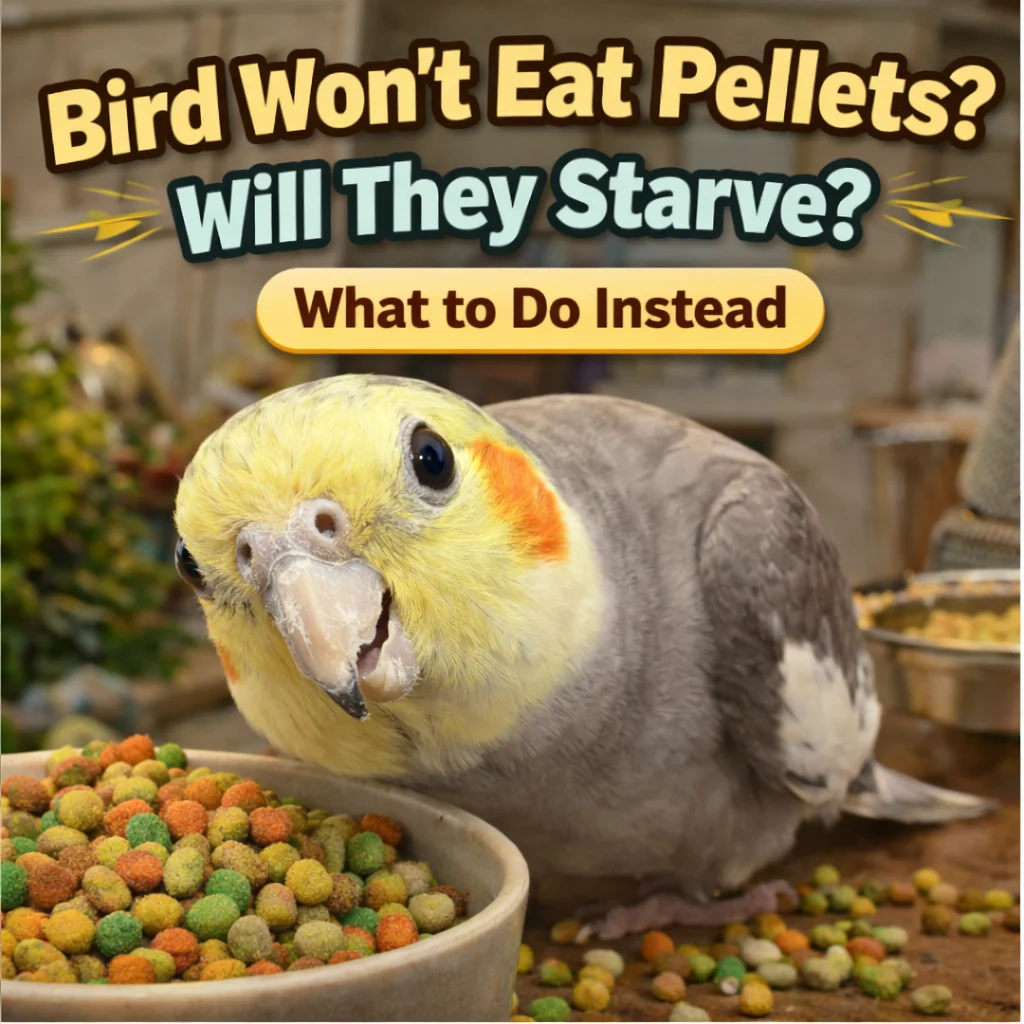
For many bird owners, the aspiration of providing optimal nutrition for their feathered companions often clashes with the reality of a stubborn refusal to eat pellets. This common predicament, characterized by birds ignoring, picking around, or simply not recognizing commercial pellets as food, is a significant concern for responsible caregivers. The transition from a seed-heavy diet to a nutritionally complete pelleted one is frequently met with resistance, leading to anxiety about potential starvation or malnutrition. This article delves into the complexities of avian dietary shifts, offering evidence-based strategies and expert insights to navigate this crucial aspect of pet bird care.
The Crucial Role of Pellets in Avian Nutrition
The evolution of pet bird care has seen a significant shift from traditional seed-only diets to scientifically formulated pellets. Historically, bird owners often provided a mix of seeds, believing it to be sufficient. However, extensive research in avian nutrition has revealed that a diet composed primarily of seeds is inherently deficient in vital nutrients and excessively high in fats. Wild parrots and other birds consume a diverse array of foods—fruits, vegetables, nuts, insects, and germinating seeds—that provide a broad spectrum of vitamins, minerals, proteins, and carbohydrates. Domesticated birds fed only seeds often suffer from conditions such as hypovitaminosis A, calcium deficiencies, liver disease (hepatic lipidosis), kidney problems, and obesity, all of which significantly shorten their lifespan and diminish their quality of life.
Pellets, conversely, are designed to be a complete and balanced food source, formulated to meet the specific nutritional needs of various avian species. They are fortified with essential vitamins, minerals, and amino acids, and offer a balanced macronutrient profile. Leading avian veterinarians and organizations universally recommend that pellets constitute at least 60-80% of a pet bird’s diet, supplemented with fresh fruits, vegetables, and a small amount of healthy seeds or nuts as treats. The challenge, however, lies in convincing a bird accustomed to the palatable, high-fat nature of seeds to accept this healthier alternative.
Understanding Avian Neophobia and Dietary Resistance
The reluctance of birds to embrace new foods is not mere stubbornness; it is a deep-seated survival instinct. In their natural habitats, parrots and other birds encounter a vast array of plant life, some of which are toxic. To prevent accidental poisoning, wild birds learn what is safe to eat through observation and mimicry, often from their parents and flock members. This learning process can take weeks or even months. This innate caution, known as neophobia (fear of new things), is a powerful evolutionary mechanism that persists in domesticated birds.
When a bird refuses pellets, it often means they simply do not recognize them as food. The unfamiliar shape, texture, smell, and taste of pellets do not trigger the same feeding response as their familiar seeds. Introducing a new food abruptly, especially by removing all familiar options, can cause severe stress and lead to significant weight loss or even starvation. A bird that is eating less after a diet switch is likely confused and anxious, not simply "waiting it out." Their primary concern is food safety, and they look to their human caregivers for reassurance. This understanding forms the bedrock of successful, force-free transition strategies.
The Perils of an Abrupt Diet Switch
The notion that a bird will eventually eat pellets if deprived of seeds is a dangerous misconception. While some highly adaptable individuals might grudgingly accept new food under duress, for many, an abrupt switch can be life-threatening. Birds have high metabolic rates and limited reserves, making them vulnerable to rapid weight loss. A bird that goes without adequate food for even 24-48 hours can suffer severe health consequences, including organ damage and even death. This is why a sudden, unmonitored transition is never recommended by avian experts. The goal is not to starve a bird into submission but to gently and consistently teach them to accept pellets as a safe and desirable food source.
Expert-Endorsed, Force-Free Transition Methodologies
Recognizing the behavioral complexities, avian veterinarians and behaviorists have developed humane, evidence-based methods for diet transition. These approaches prioritize the bird’s well-being, maintaining their caloric intake, and building trust, rather than coercion. The core principle is consistent, gradual exposure and positive reinforcement, mirroring the natural learning processes observed in wild bird populations.
"The key is to understand that you’re not just changing their food; you’re teaching them a new skill," explains Dr. Amelia Stone, a board-certified avian veterinarian. "Birds are highly intelligent and observational learners. They need to be shown that pellets are safe, palatable, and a source of sustenance, much like a parent bird teaches its fledglings."
The Foundational Principles of a Successful Pellet Transition:
- Never Starve: Ensure your bird always has access to enough of its familiar food to maintain its weight and health while introducing new items.
- Gradual Introduction: Introduce pellets slowly, making them available alongside the familiar diet.
- Positive Association: Link pellets with positive experiences, such as your presence, praise, or even small amounts of highly desired treats.
- Observation and Monitoring: Closely monitor your bird’s food intake, droppings, and weight throughout the process.
A Step-by-Step Chronology for Pellet Introduction
The transition to a pellet diet is a marathon, not a sprint. It requires patience, consistency, and a structured approach, often spanning several weeks or even months. Here is a detailed chronology, adaptable to various bird species and individual temperaments:
Phase 1: Initial Introduction and Familiarization (Weeks 1-2)
- Step 1: Offer Pellets Alongside Current Food: Start by placing a small bowl of pellets next to your bird’s regular seed dish, or even in a separate dish nearby. The goal is mere exposure. Do not mix them yet, as many birds will simply pick out the seeds and ignore the pellets. Observe if your bird shows any curiosity.
- Step 2: Model Eating: Birds learn by observing. Enthusiastically pretend to eat pellets yourself, making positive sounds. Offer a pellet to your bird as if it’s a prized treat. This "social facilitation" is a powerful tool.
- Step 3: Introduce Different Textures/Shapes/Colors: If your bird is completely ignoring one type of pellet, try another brand or variety. Some birds prefer smaller crumbles, others larger chunks, and colors can sometimes play a role in initial interest.
- Step 4: "Pellet Dusting" (Optional): Lightly sprinkle a very small amount of finely ground pellets over your bird’s favorite wet food (like cooked sweet potato or mashed fruit) to introduce the taste subtly. The goal is not to hide them, but to allow for accidental ingestion and flavor association.
Phase 2: Encouraging Acceptance (Weeks 3-6)
- Step 5: Reduce Seed Availability (Gradually): Once your bird shows some interest in pellets (e.g., pecking at them, holding them, or consuming a tiny amount), you can begin to subtly reduce the amount of seeds offered. For example, reduce the seed portion by 10-15% every few days, replacing the volume with pellets. Always ensure your bird is still eating adequately.
- Step 6: "Pellet-Only" Morning Routine: Birds are often hungriest in the morning. Offer pellets as the first meal of the day for a limited time (e.g., 1-2 hours). If they eat, great! If not, after the allotted time, offer their familiar seeds to ensure they don’t go hungry. Gradually increase the "pellet-only" window as they accept more pellets.
- Step 7: Foraging Opportunities: Integrate pellets into foraging toys. This encourages natural behaviors and makes the process of finding and eating pellets more engaging and rewarding. Start with easy foraging toys and gradually increase the difficulty.
- Step 8: "Wet" Pellets: Some birds are more inclined to try softened pellets. Soak a few pellets in a tiny amount of warm water or unsweetened fruit juice until they become soft and mushy. Offer this alongside dry pellets. This can be particularly helpful for older birds or those with beak issues.
Phase 3: Sustained Transition and Monitoring (Weeks 7 and Beyond)
- Step 9: Consistent Monitoring: This is critical. Weigh your bird daily or every other day using a gram scale. A weight loss of more than 5-10% of their body weight is a red flag and requires immediate veterinary consultation and a re-evaluation of the transition strategy. Monitor droppings for volume and consistency; reduced volume indicates reduced food intake.
- Step 10: Gradual Increase of Pellets, Decrease of Seeds: As your bird consistently consumes pellets, continue to gradually increase the proportion of pellets while decreasing seeds. This phase can take considerable time.
- Step 11: Introduce Fresh Produce: While transitioning to pellets, continue to offer a variety of fresh, chopped vegetables and a smaller amount of fruits daily. These provide additional nutrients, hydration, and mental enrichment.
- Step 12: Consult an Avian Veterinarian: Throughout the process, regular check-ups with an avian veterinarian are invaluable. They can assess your bird’s health, provide personalized advice, and help troubleshoot any challenges. They may also recommend specific pellet brands or transition techniques based on your bird’s species and individual needs.
Supporting Data and Expert Perspectives
Data from avian veterinary practices consistently show a correlation between diet and longevity. Birds on a balanced pellet-based diet, supplemented with fresh produce, often live significantly longer and experience fewer diet-related illnesses than those on seed-only diets. For instance, studies indicate that psittacine birds (parrots) on appropriate diets can live 20-30% longer than their poorly nourished counterparts.
Dr. Sarah Peterson, a certified avian behavior consultant, emphasizes the psychological aspect: "The bond between a bird and its owner is paramount. Force-feeding or starving a bird to change its diet can severely damage this trust, leading to stress-related behaviors like feather plucking or aggression. Our methods are built on positive reinforcement and respecting the bird’s natural instincts."
The American Veterinary Medical Association (AVMA) and the Association of Avian Veterinarians (AAV) both strongly advocate for pelleted diets as the primary food source for pet birds. Their guidelines highlight the importance of slow, supervised transitions, emphasizing that nutritional shifts should always be managed under professional guidance to prevent adverse health outcomes.
Broader Impact and Implications
The successful transition to a pelleted diet has far-reaching implications. For individual birds, it means a healthier, longer, and more vibrant life, free from the suffering caused by malnutrition. For owners, it translates to reduced veterinary bills for diet-related illnesses, increased peace of mind, and the satisfaction of providing optimal care. Ethically, it represents a commitment to animal welfare, recognizing that pet birds deserve a diet that meets their complex biological needs, not just one that caters to their immediate preferences.
On a broader scale, the increasing adoption of pellet-based diets reflects a growing sophistication in pet bird husbandry. It underscores the importance of education for bird owners and the continuous advancement in avian science. As more owners embrace these proven methods, the standard of care for companion birds continues to rise, fostering a healthier and more informed avian community.
In conclusion, the journey to a pellet-based diet for a reluctant bird is an investment in their future. It is a testament to the owner’s dedication, patience, and understanding of avian behavior and nutrition. By employing force-free, evidence-based strategies, and maintaining close observation, bird owners can successfully guide their feathered friends towards a diet that supports their health, happiness, and longevity. It is not about forcing an abrupt change, but about intentionally teaching what is safe and healthy to eat, building trust one pellet at a time.

