


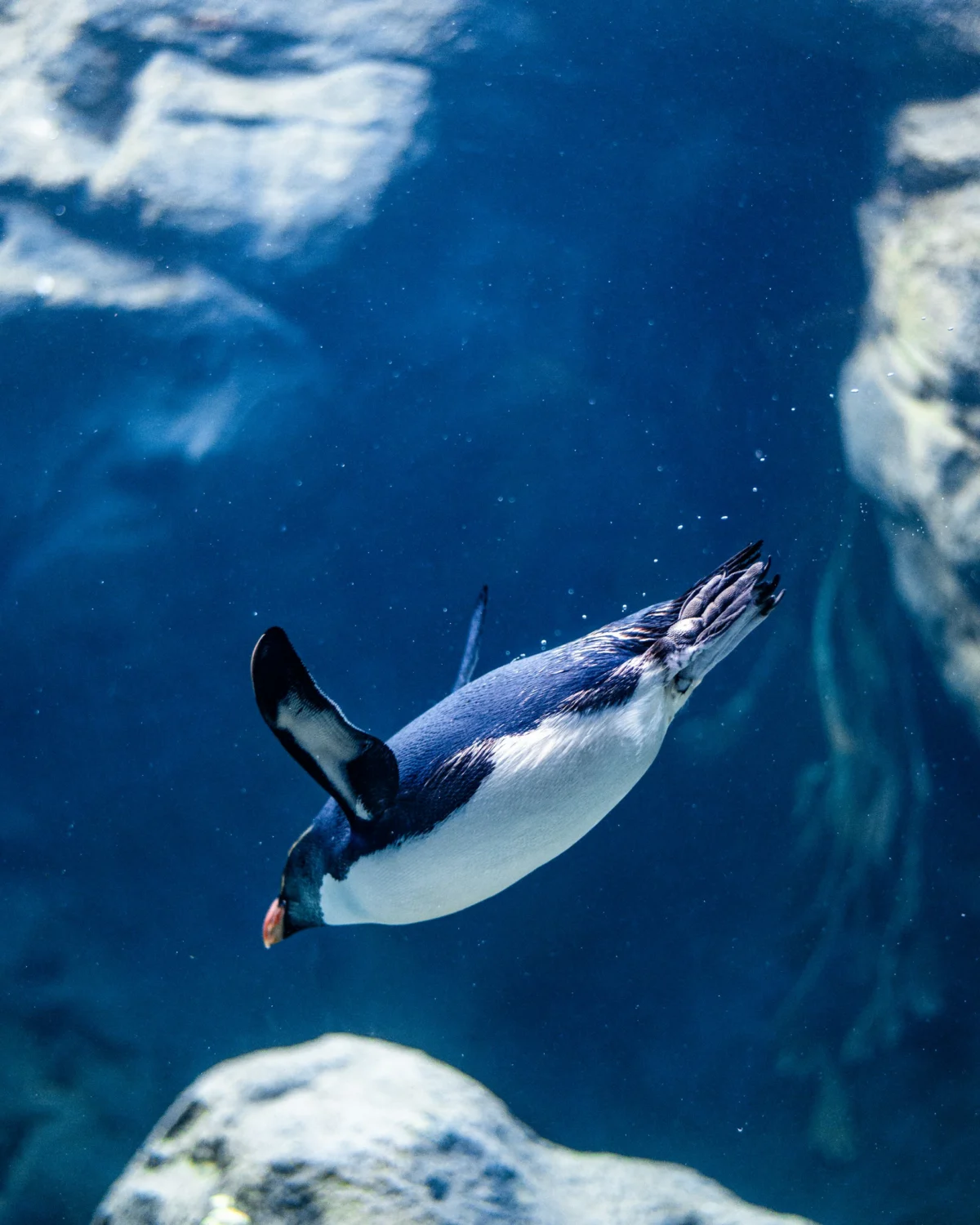
The endearing waddle of penguins is a signature characteristic that has captivated observers for centuries. Their unique gait, which often gives the impression that their feet emerge directly from their bodies, has led many to question the internal anatomy of these beloved seabirds. Specifically, a common query arises: do penguins possess knees, and if so, how do they contribute to their distinctive locomotion? This article delves into the fascinating skeletal structure of penguins, revealing that beneath their dense plumage lies a sophisticated knee joint, a testament to the remarkable adaptations that enable their survival in diverse and often harsh environments.
The Anatomy of the Waddler: Uncovering Hidden Knees
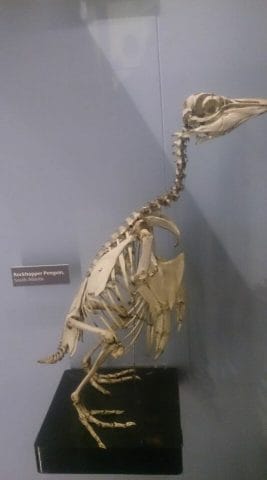
Contrary to the visual perception, penguins are indeed equipped with knees, a fundamental component of their skeletal system. These joints, along with kneecaps (patellae), are integral to their bipedal locomotion. However, their presence is largely obscured by the birds’ thick, insulating layer of feathers, which extends down their legs, creating the illusion of shorter limbs. The skeletal structure of a penguin reveals unusually long leg bones relative to their torso, with the femur (thighbone) connecting to the pelvis to form a hip joint. The knee joint is situated higher up on the leg than might be initially assumed, with the lower leg bones, the tibiotarsus, being significantly longer. This arrangement, while contributing to their unique terrestrial gait, is a crucial element in their aquatic prowess.
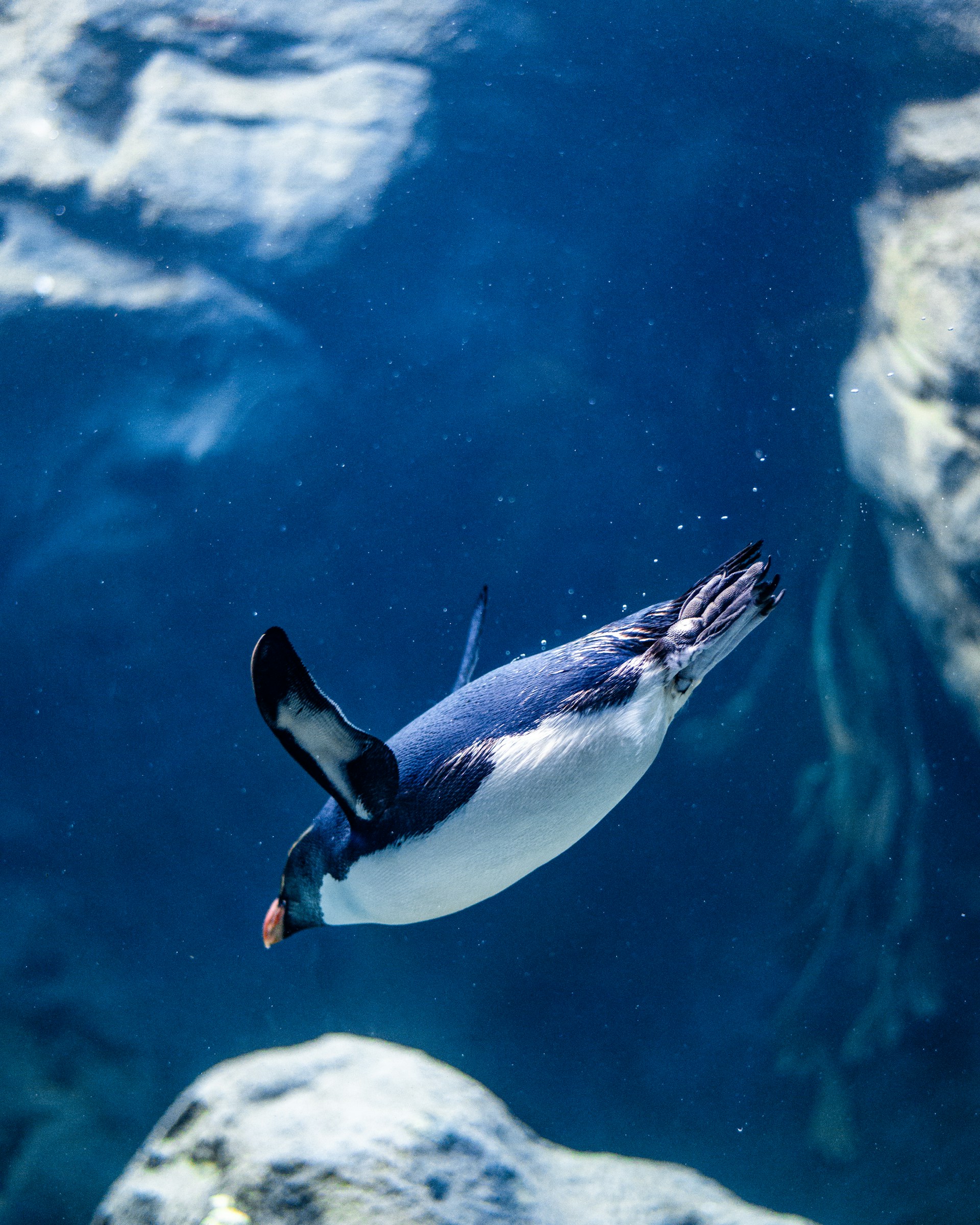
The skeletal architecture of penguins is a prime example of evolutionary adaptation. Unlike their flying avian counterparts, penguins have evolved heavier, denser bones rather than hollow ones. This characteristic is directly linked to their semi-aquatic lifestyle. Hollow bones, essential for reducing weight and facilitating flight, would be a disadvantage for penguins, increasing buoyancy and hindering their ability to dive efficiently. The denser bones provide ballast, allowing them to submerge with greater ease and navigate the underwater world with agility. This adaptation underscores the trade-offs that evolution often presents, favoring one set of capabilities over another based on environmental pressures and ecological niche.
The Role of Knees in Penguin Life
The penguin’s knees, though hidden, play a vital role in multiple aspects of their lives, from locomotion and thermoregulation to reproductive behavior.
Propulsion and Stability: Navigating Land and Sea
The bent knee posture is critical for penguins’ movement. On land, their knees, positioned high on their bodies, allow them to maintain an upright stance and waddle with a distinctive side-to-side motion. This gait, while appearing somewhat awkward, is an efficient method of locomotion for their body shape and weight distribution. It allows them to conserve energy during terrestrial travel, which is particularly important for species that undertake long journeys between breeding colonies and feeding grounds.
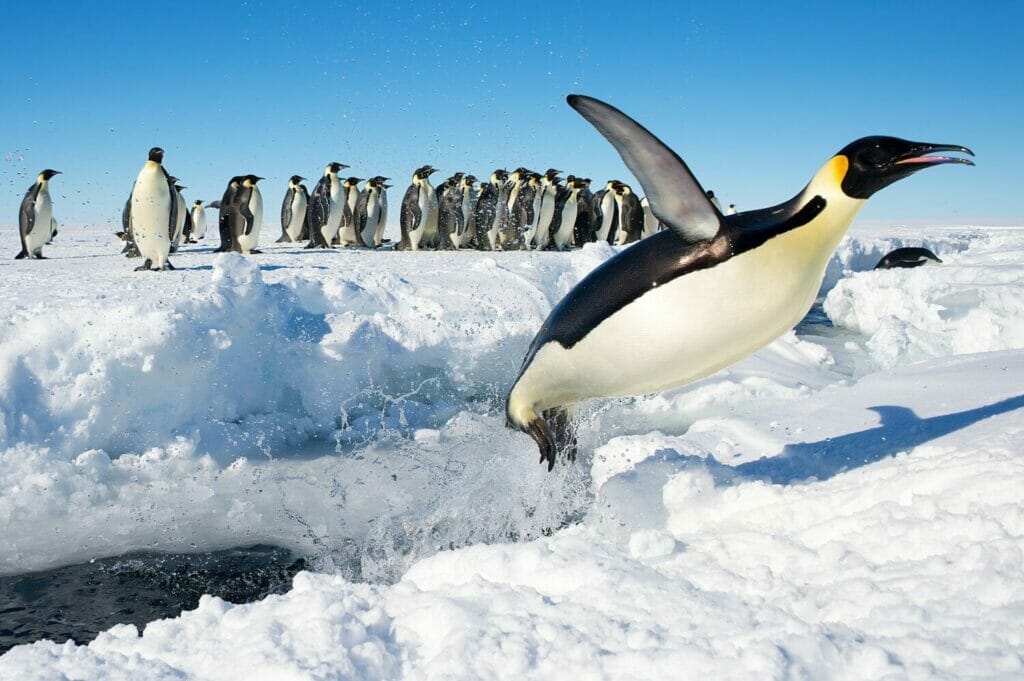
In the water, the penguin’s knees become powerful tools for propulsion. By flexing and extending their knees, penguins can generate significant thrust, propelling them through the water at impressive speeds. The ability to subtly adjust the angle of their legs via the knee joint allows for precise maneuvering, enabling them to chase prey with remarkable agility and evade predators. This dual functionality—providing stability on land and power in water—highlights the sophisticated design of the penguin’s anatomy.
Incubation and Nesting Rituals
Beyond movement, the penguin’s knees are integral to their reproductive strategies. Many penguin species, particularly those in colder climates like the Emperor penguin, practice a form of egg incubation that relies heavily on their leg structure. The male Emperor penguin famously incubates a single egg on its feet, carefully balancing it with a brood pouch formed by the skin of its lower belly and upper thighs. The bent knees are essential for maintaining this delicate balance, keeping the egg elevated and protected from the frigid ground. This process can last for months, during which the male endures extreme temperatures and fasting, a testament to the importance of their knee structure in ensuring the survival of the next generation.
Thermoregulation and Posture
The dense feathering that conceals their knees also serves a crucial thermoregulatory function, trapping air and providing insulation against the cold. The constant slight flexion of the knees, maintained by the positioning of their legs, may also contribute to maintaining body temperature by minimizing heat loss through exposed limbs. Furthermore, the ability to bend their knees allows penguins to adopt resting positions, enabling them to stand or even sit when sleeping, a necessary adaptation for birds that spend significant portions of their lives in challenging outdoor environments.
The Enigma of the Waddling Gait
The characteristic waddle of penguins is a subject of much fascination and has several contributing factors, all intricately linked to their unique anatomy.
The Influence of Large Feet
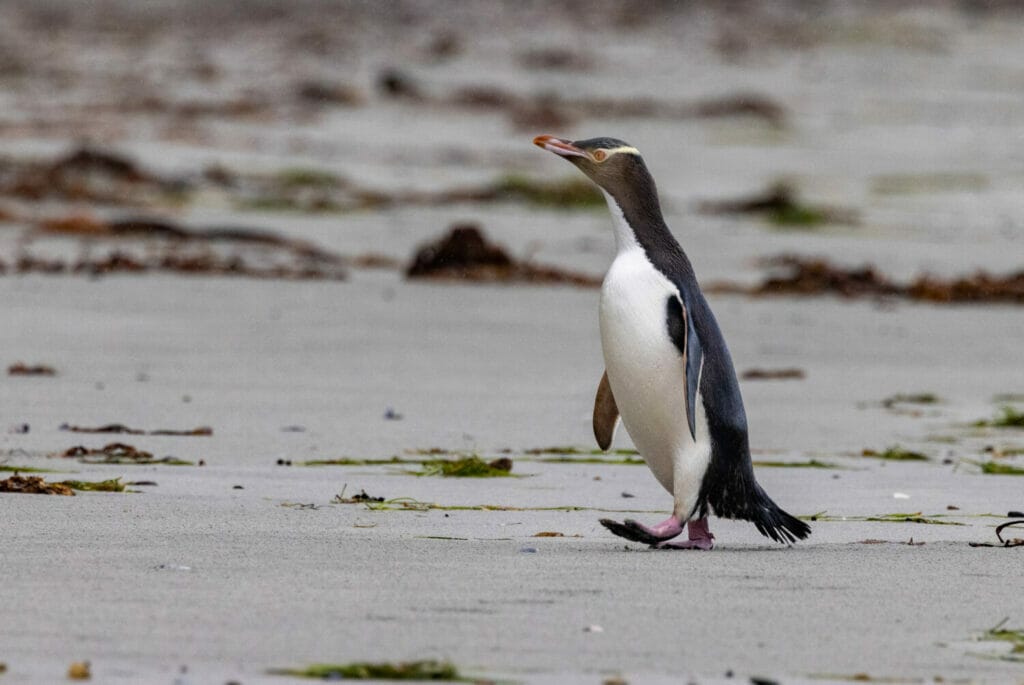
One of the most apparent reasons for the waddle is the disproportionately large size of penguin feet relative to their body mass. These broad, webbed feet are essential for both propulsion in water and providing traction on slippery surfaces. However, their size makes them somewhat cumbersome for rapid or graceful movement on land. The waddle allows penguins to efficiently move these large appendages, swinging their bodies from side to side to maintain balance and propel themselves forward.
High Knee Placement and Leg Length
The placement of penguin knees high on their bodies, coupled with their relatively long lower leg bones (tibiotarsus), creates a distinct silhouette. This anatomical arrangement, while beneficial for swimming, contributes to a shorter-looking leg profile when viewed externally. The resulting gait is a consequence of needing to move these longer lower limbs effectively from a high hip and knee position. The "short-legged" appearance is an optical illusion created by the combination of feathering and skeletal structure.
Body Shape and Adaptations for Aquatic Life
Penguins possess an oval, torpedo-like body shape, which is highly streamlined for efficient movement through water. This body form, combined with the structure of their legs and the positioning of their knees, dictates their terrestrial locomotion. The waddle is, in essence, the most energy-efficient way for a penguin to navigate on land, given their adaptations for aquatic life. Attempting a more direct bipedal stride, similar to humans, would be significantly more energy-intensive and less stable for a penguin.
Energy Conservation
For bipedal animals, walking requires a considerable expenditure of energy. Penguins, with their substantial body mass and adaptations for a physically demanding lifestyle, have evolved to optimize energy use. Waddling is a biomechanically efficient gait that minimizes the energy required for terrestrial movement. By conserving energy on land, penguins can dedicate more resources to essential activities such as foraging, breeding, and migrating. This evolutionary strategy is crucial for their survival in environments where food sources can be scarce and temperatures extreme.
Evolutionary Context and Wider Implications
The study of penguin anatomy, particularly their knees and locomotion, provides valuable insights into the principles of evolutionary adaptation and biomechanics. Penguins, as a group, diverged from other avian lineages millions of years ago, developing unique solutions to the challenges of surviving in marine environments. Their transition from flying to flightless birds demonstrates a remarkable evolutionary trade-off, where the loss of aerial mobility was compensated by enhanced aquatic capabilities.
The specific adaptations of their leg and knee structure illustrate how form follows function. The heavy bones, the high placement of the knees, and the relatively long lower legs are all features that have been refined over millennia to optimize performance in both water and on land. Understanding these adaptations not only deepens our appreciation for the diversity of life on Earth but also offers lessons in efficient design and engineering that can inspire technological innovation.
The conservation status of many penguin species adds a layer of urgency to understanding their biology. As climate change and human activities increasingly impact marine ecosystems, knowledge of penguin physiology and behavior becomes crucial for developing effective conservation strategies. For example, understanding their energy expenditure during locomotion can inform assessments of how changing environmental conditions might affect their ability to forage and reproduce.
Frequently Asked Questions About Penguins
Where do penguins live?
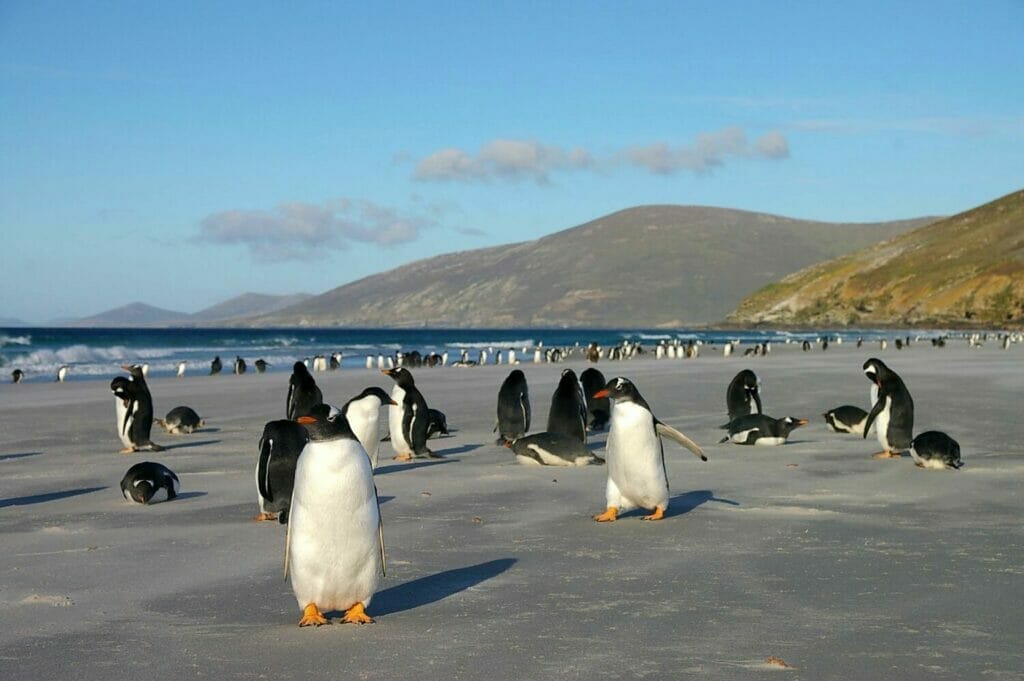
Penguins are exclusively found in the Southern Hemisphere, with the largest populations concentrated in Antarctica. However, various species inhabit coastal regions and islands across South America, Africa, Australia, and New Zealand.
How many penguin species are there?
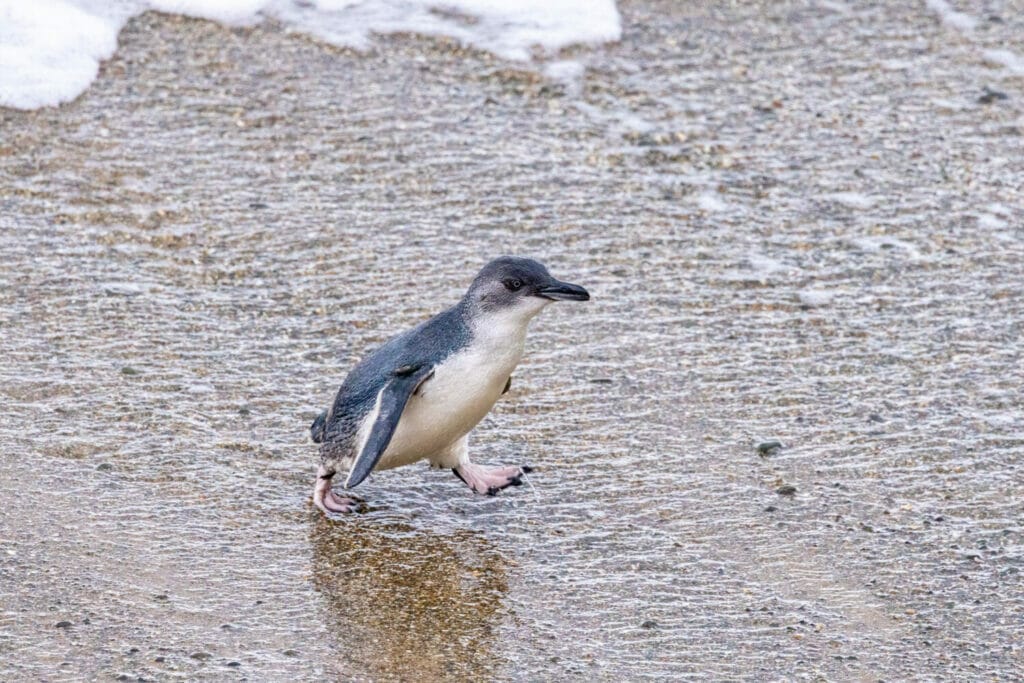
Currently, there are 18 recognized species of penguins, each with unique characteristics and geographical distributions. These range from the colossal Emperor penguin to the diminutive Little Blue penguin.
Are penguins truly birds?
Yes, penguins are unequivocally classified as birds. They possess defining avian characteristics such as laying eggs, having feathers, and possessing wings (though modified for swimming rather than flight). They do not nurse their young with milk, distinguishing them from mammals.
Where can one observe penguins outside of Antarctica?
Beyond the Antarctic continent, prime locations for observing penguins include the Falkland Islands, South Georgia, the coastlines of South Africa, Australia (particularly Tasmania and Phillip Island), and New Zealand. Several islands off the coasts of South America also host significant penguin colonies. The ferry journey between the North and South Islands of New Zealand, for instance, offers opportunities to spot various penguin species in their natural habitat.

