


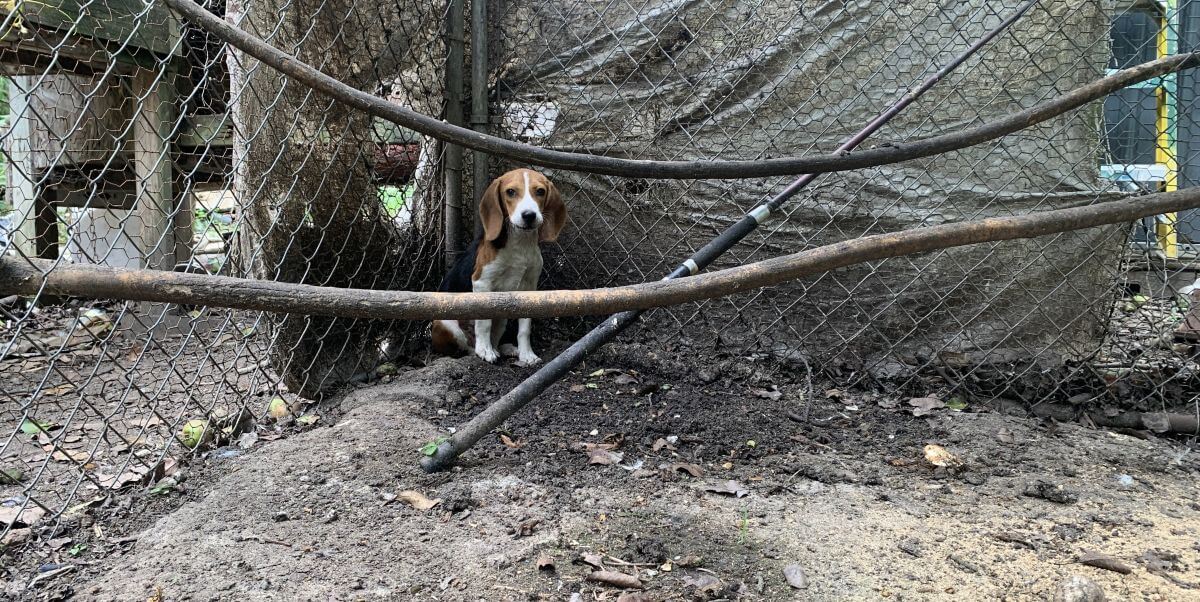
The life of a beagle named Parker began in a manner all too common in the rural landscapes of the American South, where dogs are frequently viewed through the lens of utility rather than companionship. For Parker, a young beagle residing in North Carolina, his perceived failure as a tool for the hunt nearly dictated a lifetime of isolation and neglect. Confined to a makeshift pen constructed of rusted chicken wire, heavy cinderblocks, and tattered tarps, Parker’s world was restricted to a few square feet of dirt and debris. His owner, dissatisfied with the dog’s gentle temperament and lack of "hunting drive," relegated him to a life of outdoor imprisonment, a situation that lasted for nearly two years before a breakthrough in advocacy led to his liberation.
The story of Parker serves as a microcosmic look into the broader challenges facing animal welfare organizations in regions where traditional practices regarding hunting dogs often clash with modern standards of animal care. It highlights not only the persistent efforts required by fieldworkers to secure the release of neglected animals but also the systemic issues of outdoor confinement and the legal hurdles involved in protecting animals that are provided with the barest minimum of survival requirements.
The Origins of Neglect: A "Bad Hunter" in a Hunting Culture
Beagles have long been the breed of choice for rabbit hunters in North Carolina and Virginia due to their keen sense of smell and rhythmic baying. However, in these communities, a dog that does not exhibit a fierce instinct for the chase is often labeled a "bad hunter" or a "washout." For Parker, this label was applied before he was even six months old. Because he was considered "too gentle," he was deemed useless for the task at hand. Instead of being rehomed to a family seeking a companion, he was placed in a pen to live out his days as an afterthought.
PETA fieldworkers first encountered Parker in 2023. At the time, he was a puppy, barely out of infancy, yet he was already exhibiting the repetitive pacing behaviors common in animals suffering from extreme boredom and confinement. His environment was a patchwork of neglect: cinderblocks served as a rudimentary foundation, while chicken wire provided a flimsy but effective barrier between the dog and the world he was forbidden to explore. Torn tarps offered the only respite from the elements, though they did little to mitigate the humidity of North Carolina summers or the biting winds of winter.
A Chronology of Persistence: Two Years of Advocacy
The rescue of Parker was not an overnight success but the result of a protracted campaign of diplomatic persistence. For nearly two years, PETA staff members made regular visits to the property. Under the laws of many rural jurisdictions, as long as an owner provides basic food, water, and some form of shelter—no matter how dilapidated—the authorities are often unable to intervene or seize the animal. This creates a "legal limbo" where animal advocates must rely on building a rapport with the owner to eventually convince them to surrender the animal voluntarily.
Throughout 2023 and 2024, fieldworkers monitored Parker’s condition closely. During the sweltering summer months, they ensured he had access to fresh, cool water and provided flea and tick preventative medication to ward off the parasites that thrive in the Southern heat. In the winter, they delivered insulating straw to help him retain body heat against the freezing ground. These visits were more than just welfare checks; they were opportunities to speak with the owner, gently suggesting that a dog as sweet as Parker would be better suited to an indoor life where he wouldn’t be a "burden" to a hunter.
The owner’s refusal was a constant hurdle. For twenty-four months, the answer remained a firm "no." However, the field team continued their outreach, recognizing that the dog’s psychological health was deteriorating. Parker, once shy and fearful, slowly began to recognize the PETA van and the voices of the workers, eventually showing signs of the affectionate nature that had made him a "failure" in the hunting field.
The breakthrough finally occurred in early 2026. After dozens of conversations and consistent demonstrations of care for the dog, the owner conceded that Parker deserved a better life. The moment the gate to the chicken-wire pen was opened, the beagle’s two-year ordeal ended, marking the beginning of a comprehensive rehabilitation process.
Medical Rehabilitation and the Path to Florida
Once Parker was safely in the care of PETA, the immediate focus shifted to his physical and psychological recovery. Years of living in a dirt pen meant he required thorough veterinary examinations. He was promptly vaccinated against common canine diseases and underwent a neutering procedure—a critical step in PETA’s mission to reduce the overpopulation of unwanted animals in the region.
The transition from a barren outdoor pen to a domestic environment can be jarring for a dog that has never known four walls and a roof. Parker was placed in a foster home where he had to learn the basics of indoor living, from house-training to the sensation of walking on carpet rather than packed earth. To the surprise of his caregivers, Parker adjusted with remarkable speed. His gentle nature, once a liability in the eyes of his original owner, became his greatest asset as he sought out human affection and companionship.
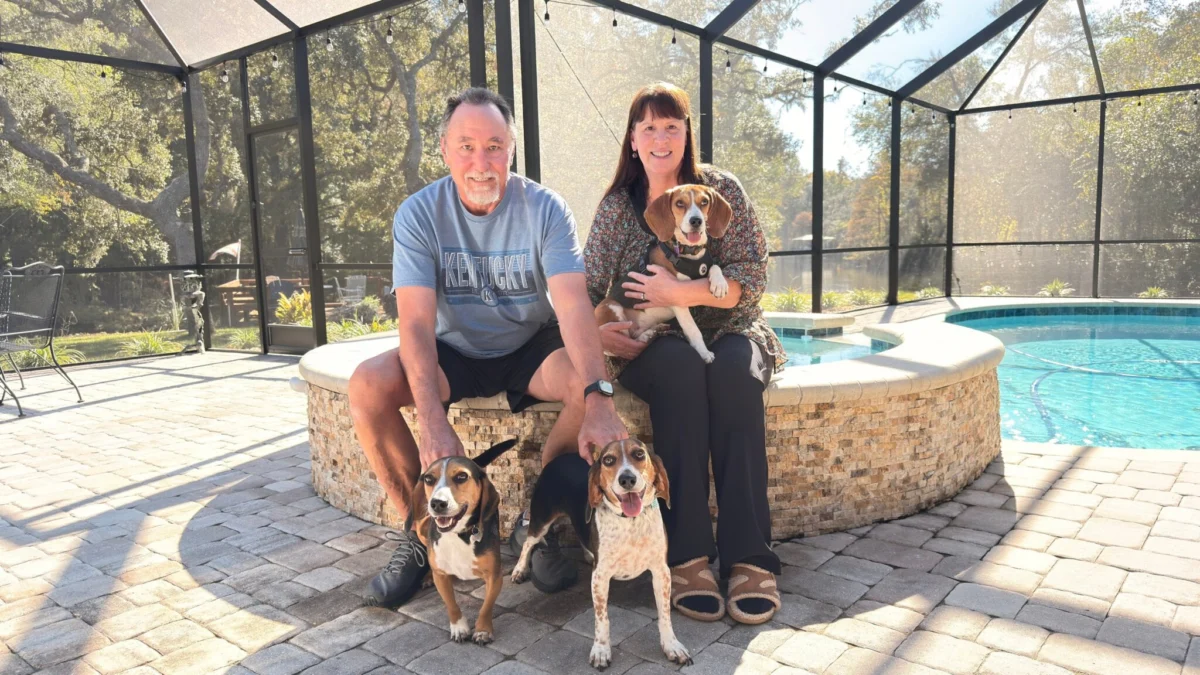
Following his rehabilitation, a permanent home was secured in Florida. Today, Parker lives a life that stands in stark contrast to his first two years. He is part of a "pack" that includes other beagles and humans who value him for his personality rather than his hunting prowess. The transition from the rural North Carolina woods to the sunny environment of Florida symbolizes a complete renewal of his existence.
Supporting Data: The Crisis of Outdoor Confinement
Parker’s case is representative of a much larger crisis involving tethered and penned dogs in the United States. According to animal welfare data, thousands of dogs in the southeastern United States spend 24 hours a day, seven days a week, confined to chains or small pens. This practice, often referred to as "intensive confinement," has been linked to various negative outcomes for both the animals and the communities they live in.
- Behavioral Impacts: Studies in animal psychology indicate that dogs are highly social pack animals. Long-term isolation causes profound psychological distress, often leading to increased aggression or extreme withdrawal. Parker’s pacing was a classic "stereotypy," a repetitive behavior seen in animals in confined settings, such as zoo animals or laboratory subjects.
- Public Safety: Data from the Centers for Disease Control and Prevention (CDC) suggests that chained or confined dogs are significantly more likely to bite than those kept as indoor pets. The frustration of confinement and the lack of socialization make these animals more reactive to perceived threats.
- Physical Health: Dogs kept permanently outdoors are at a higher risk for heartworm disease, which is transmitted by mosquitoes and is prevalent in the South. They are also susceptible to heatstroke and hypothermia. PETA’s field services division reports that they assist thousands of such animals annually in Virginia and North Carolina alone, providing sturdy doghouses and medical care to those whose owners refuse to bring them inside.
The Legislative Landscape and Implications
The rescue of dogs like Parker has sparked ongoing debates regarding the legality of tethering and penning. While some states have passed comprehensive laws restricting the amount of time a dog can be tied up, many rural counties still lack specific ordinances.
In North Carolina, animal welfare laws are often interpreted at the local level. Advocacy groups are increasingly working with county commissioners to pass "tethering bans," which prohibit the use of chains as a primary means of confinement. Proponents of these bans argue that they are necessary not only for animal welfare but for community aesthetics and safety. Opponents, however, often cite property rights and the traditional use of outdoor pens for working and hunting dogs as reasons to resist such regulations.

The case of Parker illustrates the limitations of current laws. Had his owner provided the bare minimum of food and water, there would have been no legal grounds for a forced seizure. This underscores the importance of the "negotiation and outreach" model used by fieldworkers, which focuses on education and voluntary surrender rather than purely litigious methods.
Broader Impact: Shifting Cultural Paradigms
The story of the "bad hunter" who found a good home reflects a shifting cultural paradigm in the American South. As urban sprawl reaches further into traditionally rural areas, the expectations for how domestic animals should be treated are evolving. What was once seen as a standard way to keep a hunting dog is increasingly viewed by the public as a form of animal cruelty.
Parker’s journey from a cinderblock pen to a Florida home is a testament to the power of persistent advocacy. It also serves as a call to action for communities to reevaluate their local ordinances. Animal welfare experts suggest that the most effective way to prevent the neglect seen in Parker’s case is through a combination of strict local legislation, accessible spay/neuter services, and community-based outreach programs that provide resources to pet owners in underserved areas.
For the thousands of dogs still pacing behind chicken wire or at the end of a heavy chain, the hope remains that legislative changes and continued field intervention will eventually offer them the same second chance that Parker received. His story ends not in a silent, dusty pen, but in the company of a family that understands that a dog’s value is not measured by what it can catch, but by the companionship it provides.

