


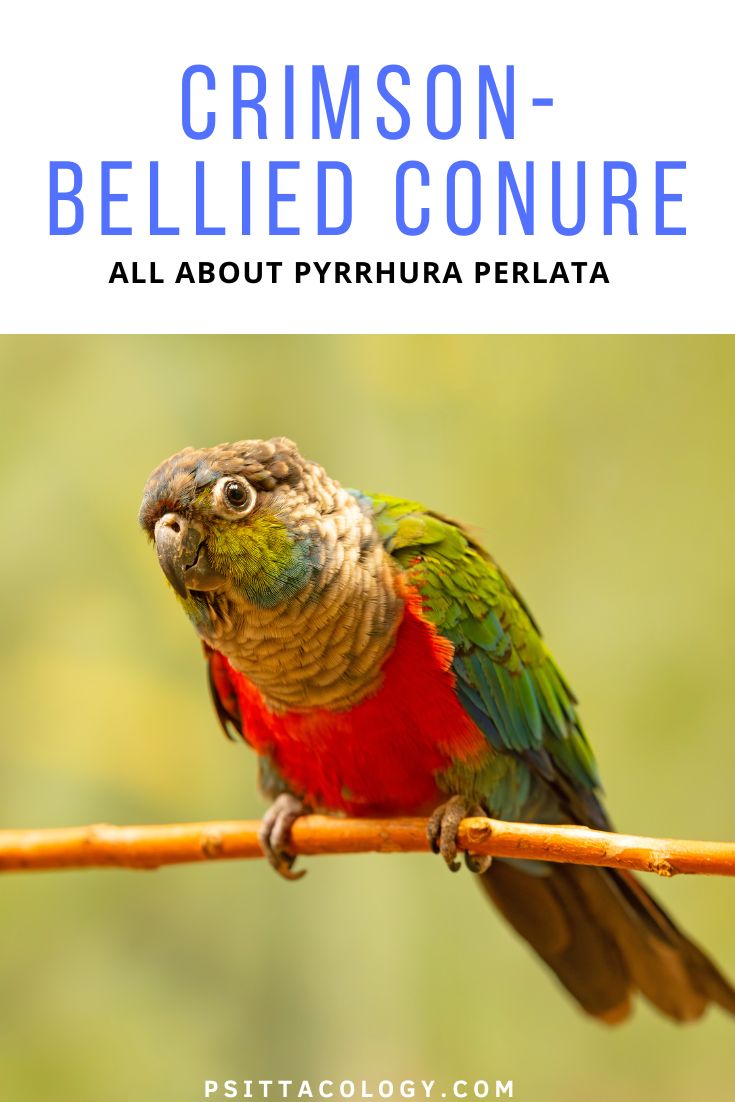
The crimson-bellied conure, scientifically known as Pyrrhura perlata, stands out as a particularly striking and engaging small parrot species, often sought after by avian enthusiasts for its vibrant plumage and charismatic personality. Renowned for its clownish antics and affectionate nature, this conure offers a unique blend of beauty and companionship, albeit with the typical parrot demands for diligent care and mental stimulation. Prospective owners are advised to conduct thorough research, understanding the profound commitment involved in caring for a species known for its longevity and complex needs. This article provides an in-depth exploration of Pyrrhura perlata, covering its natural history, physical characteristics, habitat, dietary requirements, appropriate housing, enrichment strategies, temperament, and vocalizations, alongside critical conservation insights.
Species Overview and Distinguishing Characteristics
The crimson-bellied conure, also commonly referred to as the crimson-bellied parakeet, is classified under the genus Pyrrhura, a group known for its smaller, often green-bodied conures. The scientific name, Pyrrhura perlata, translates to "fiery-tailed" (from Greek pyrrhos meaning flame-colored and oura meaning tail) and "pearled" (from Latin perlata), a descriptor that hints at the subtle iridescent scaling found on some members of the genus, though the most prominent feature of P. perlata remains its namesake crimson abdomen.
These birds typically reach an adult size of approximately 10 inches (25 cm) in length, weighing around 90 grams. This makes them a medium-small parrot, larger than a budgerigar but smaller than many macaws. A significant aspect of their appeal is their impressive lifespan, often exceeding 20 years in captivity with appropriate care, making them a decades-long commitment for any owner. Their vocalizations are generally categorized as low to medium in intensity compared to larger parrot species, though they are by no means silent and possess distinct calls.
Physical Description and Development
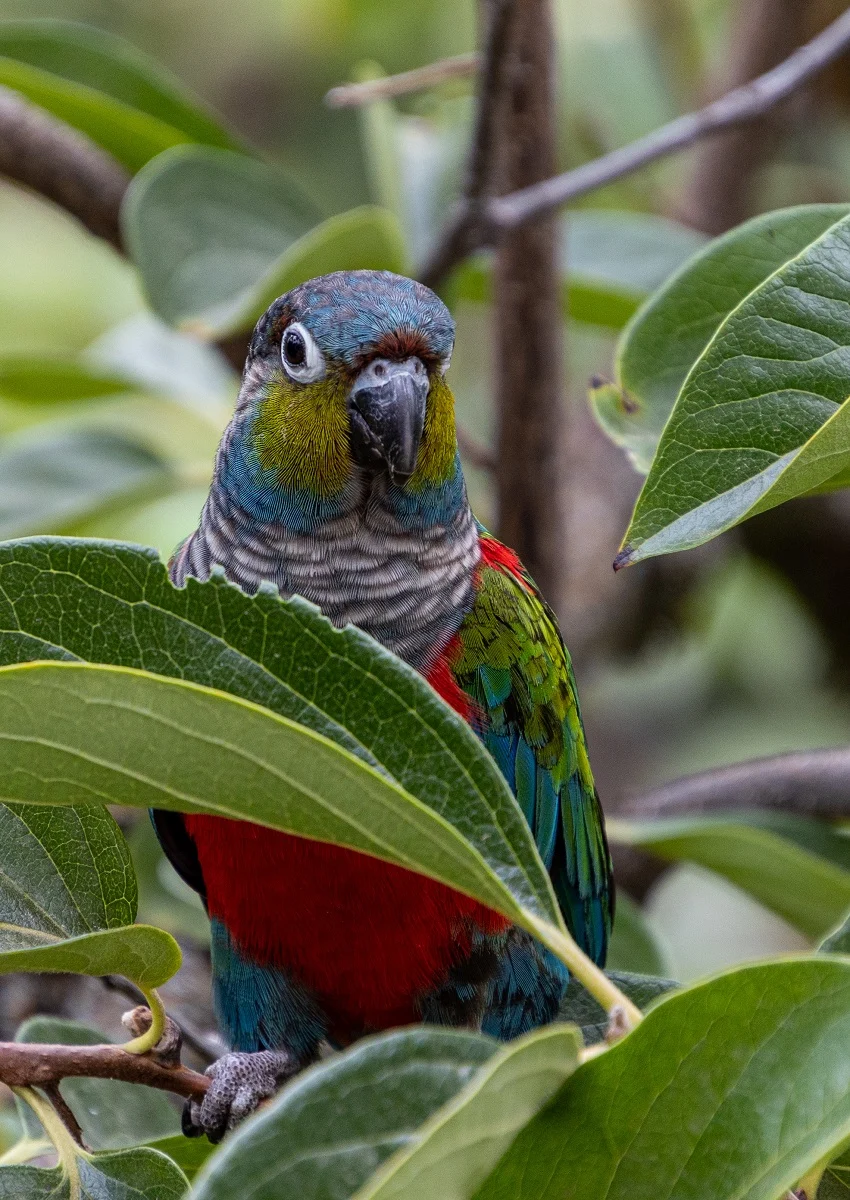
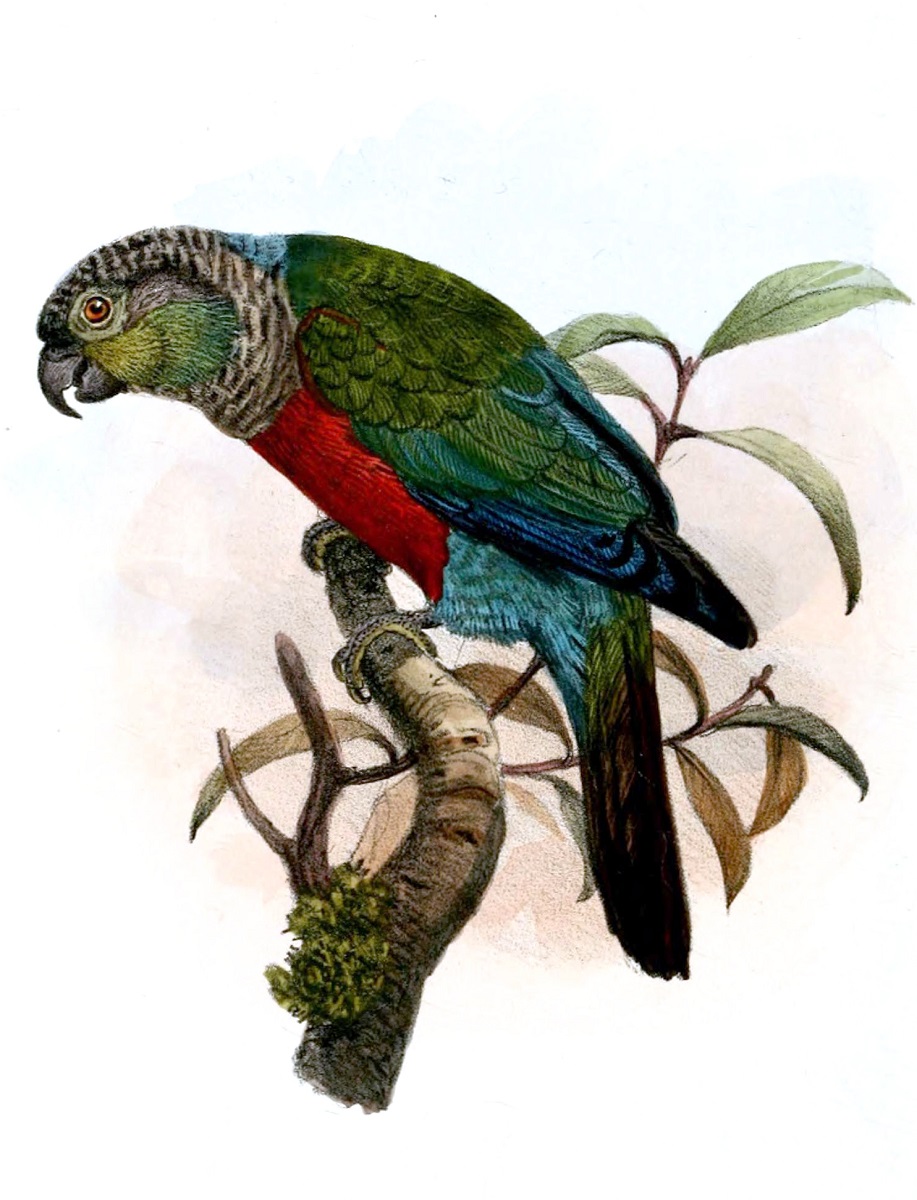
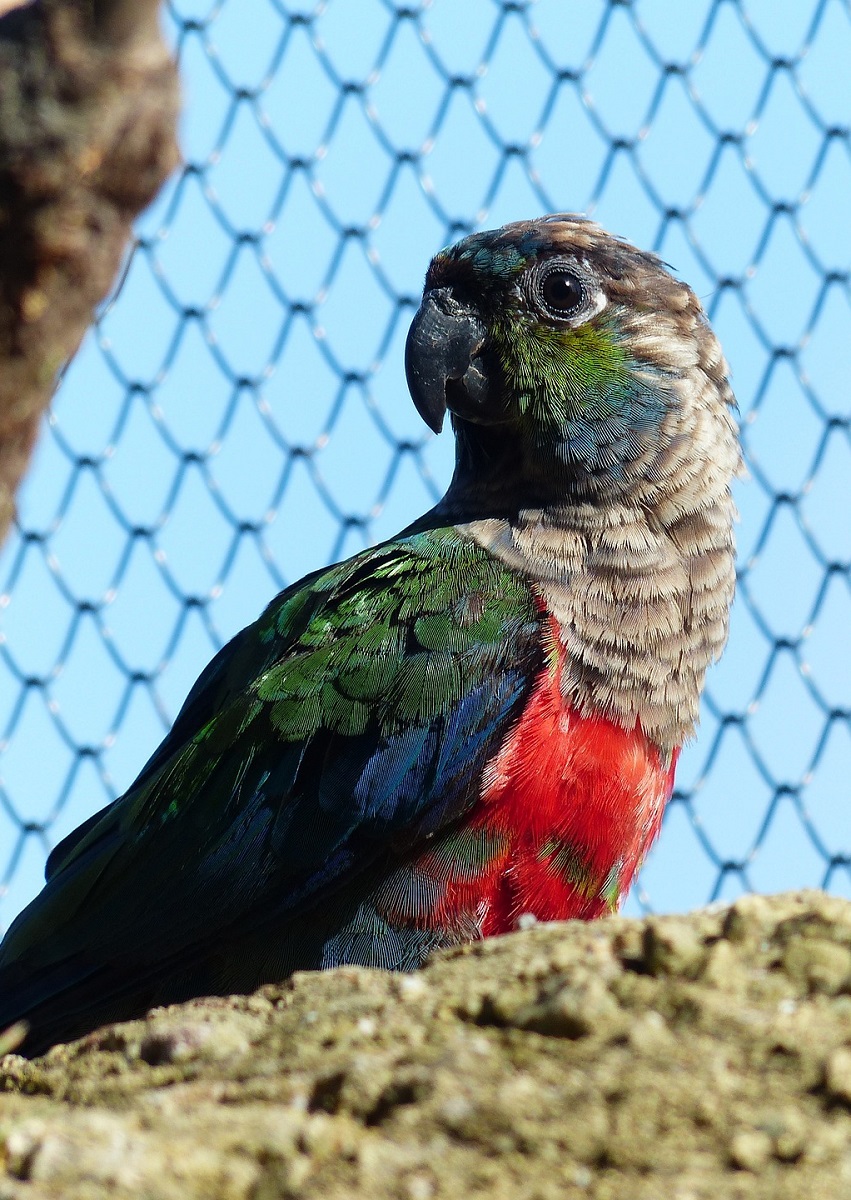
The appearance of the crimson-bellied conure is truly spectacular, living up to its reputation for exquisite coloration. As its common name suggests, the belly is a vivid, deep crimson, providing a striking contrast to the rest of its plumage. However, the visual spectacle extends far beyond this central feature. The head typically features a dark brownish-red or olive-brown crown, often exhibiting a subtle, dusky scaly pattern that transitions into green on the nape and sides of the neck, sometimes with a faint blueish tint.
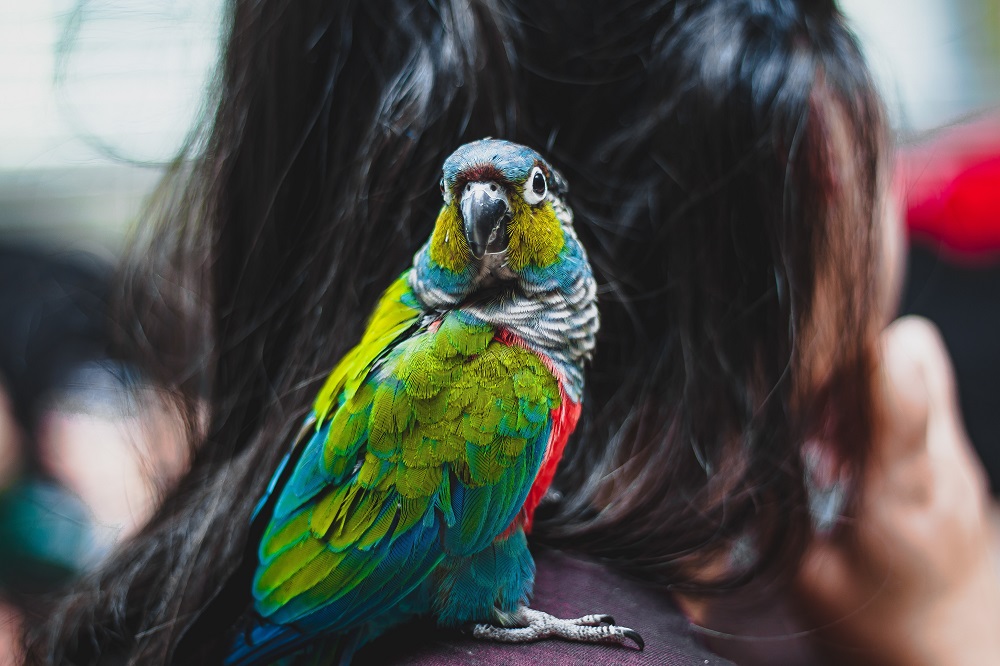
The back and wings are predominantly a rich green, which provides excellent camouflage within their natural arboreal habitat. This green is beautifully accented by patches of vivid blue on the primary flight feathers, particularly noticeable when the bird is in flight. The tail is also green, often with a brownish-red or maroon underside and tip. The breast and chest areas display a distinctive dusky, scaly pattern that subtly blends into the intense crimson of the abdomen. The cheeks are green, framed by prominent white eye rings that give the bird a bright, alert expression. A sturdy black beak completes its distinctive profile.
A notable characteristic of this species is the developmental timeline for its vibrant belly coloration. Juveniles may not exhibit the full intensity of the crimson belly, which can take up to a year to fully develop. This can sometimes lead to initial misidentification or surprise for new owners. Furthermore, visually distinguishing between males and females of Pyrrhura perlata is not possible, requiring DNA testing for accurate sex determination, a crucial consideration for breeding programs.
Geographical Range and Natural Habitat
The crimson-bellied conure is indigenous to central South America, primarily inhabiting the vast Brazilian Amazon Basin. Its stronghold is particularly noted in the state of Rondônia, though its natural range extends northwest into northern Bolivia. These regions are characterized by incredibly rich biodiversity and complex ecosystems.
In its native environment, Pyrrhura perlata predominantly thrives in lush rainforests, specifically the terra firme forests. These are upland forests that do not experience seasonal flooding, unlike the várzea or igapó forests of the Amazon. This preference for non-flooded areas is significant, influencing the types of vegetation and food sources available to them. They exhibit adaptability, inhabiting both dense primary forests and the edges of forest clearings, as well as areas of secondary forest regrowth. This flexibility in habitat choice may contribute to their current "Least Concern" status, though it does not negate ongoing threats.
Like most parrot species, wild crimson-bellied conures are highly social birds, typically traveling in small, cohesive groups. These flocks are vital for foraging efficiency, predator vigilance, and social bonding. Observations have also shown them occasionally mixing with other conure species, such as the painted conure (Pyrrhura picta), highlighting interspecies interactions within the diverse Amazonian avian community. For nesting, these conures utilize hollow trees, a common practice among cavity-nesting parrots, providing protection for their eggs and chicks from predators and environmental elements.
Conservation Status and Threats
The International Union for Conservation of Nature (IUCN) Red List currently classifies Pyrrhura perlata as a species of "Least Concern" in its natural habitat. This designation reflects that the species is not presently considered to be at immediate risk of extinction. However, this status is accompanied by a critical note: the population trend is reported as decreasing. This decline is attributed primarily to two significant anthropogenic factors: deforestation and hunting.
Deforestation, driven by agricultural expansion (particularly cattle ranching and soy cultivation), logging, and mining operations, is a pervasive threat across the Amazon Basin. The destruction and fragmentation of terra firme forests directly reduce the available habitat for crimson-bellied conures, limiting their foraging grounds and nesting sites. While they show some adaptability to secondary forests, these often lack the ecological complexity and mature trees necessary for long-term population sustainability.
Hunting, although less comprehensively documented than habitat loss, also contributes to population pressures. Parrots are sometimes hunted for food, their feathers, or for the illegal pet trade. While specific data on Pyrrhura perlata hunting levels may be limited, the general trend for many Amazonian bird species indicates that this can be a localized but significant threat. Conservation efforts, often spearheaded by local and international organizations, focus on protected area establishment, sustainable land use practices, and combating illegal wildlife trade to mitigate these ongoing pressures and ensure the long-term viability of this beautiful species in the wild.
Dietary Requirements: Wild vs. Captive
The diet of the crimson-bellied conure in its natural habitat is a testament to the incredible biodiversity of the Amazon rainforest. They are opportunistic feeders, adapting to the seasonal availability of various food sources. A significant portion of their diet consists of wild figs and other fruits, which provide essential sugars, vitamins, and hydration. Beyond fruits, they have been observed feeding on flowers, which offer nectar and pollen, and catkins, the cylindrical flower clusters of certain trees, providing protein and fats. A fascinating aspect of their wild diet involves visiting clay licks. These natural mineral deposits are crucial, as consuming the soil helps them obtain vital micronutrients and minerals often lacking in their fruit-heavy diet, and potentially neutralizes toxins from certain fruits.
In a captive setting, replicating this diverse nutritional profile is paramount for the health and longevity of a pet crimson-bellied conure. A foundational element of their captive diet should be a high-quality, commercially formulated pellet food. Avian veterinarians, including Psittacology’s resident veterinarian Dr. Daisy, strongly advocate against a seed-based diet as the primary staple. Seed-heavy diets are notoriously deficient in essential vitamins and minerals and excessively high in fat, leading to malnutrition, obesity, and a host of associated health issues. Pellets, typically comprising 60-70% of the daily intake, offer a balanced nutritional foundation.
Complementing the pellets, owners must provide a daily assortment of fresh vegetables. A wide variety of leafy greens (kale, spinach, romaine), bell peppers, carrots, broccoli, and peas are excellent choices. Fresh fruits, offered regularly but in smaller quantities due to their sugar content, can include apples, berries, melon, and citrus. Cooked whole grains like brown rice and quinoa, along with pesticide-free foraged grasses, can further diversify their diet. Occasional treats, such as a few sunflower seeds, can be used for training or as a reward but should not form a significant portion of their diet. Crucially, constant access to fresh, clean water from multiple sources is non-negotiable, with water dishes needing daily cleaning to prevent bacterial growth. A well-managed diet is the cornerstone of a healthy and long-lived parrot, underscoring the importance of informed nutritional choices.

Optimal Housing and Environment
Despite their relatively small stature among parrots, crimson-bellied conures are highly active and energetic birds. Therefore, providing ample space for movement is critical for their physical and psychological well-being. The largest cage that can be accommodated in the home should be considered the minimum, especially if the bird will not have daily opportunities for supervised free flight outside its cage. A cage measuring at least 36 inches (90 cm) wide, with corresponding height and depth, is generally recommended. For birds that cannot be let out for regular flight, a full indoor aviary becomes a necessity to prevent muscle atrophy and boredom. Bar spacing should be appropriate for a bird of this size, typically 5/8 to 3/4 inch (1.6-1.9 cm), to prevent escape or injury.
The interior of the cage requires thoughtful furnishing. A variety of natural wood perches of varying diameters is essential. Unlike plastic or dowel perches, natural branches from bird-safe trees (e.g., manzanita, java wood, apple wood) promote foot health by providing different textures and exercise for the feet, preventing pressure sores and arthritis. The cage should also be equipped with stainless steel food and water bowls, which are hygienic and durable. Placement of the cage is equally important; it should be in a central part of the home where the bird can feel part of the family activities, yet away from drafts, direct sunlight, and excessive noise. Secure locks on cage doors are paramount to prevent escapes.
Enrichment and Mental Stimulation
Crimson-bellied conures, like all parrots, possess remarkable intelligence and a profound need for mental stimulation and social interaction. A lack of enrichment can lead to severe stress, which manifests in a range of undesirable and harmful behaviors such as excessive screaming, feather plucking (a complex self-mutilating behavior), obesity due to inactivity, and aggression. Keeping these intelligent birds engaged and challenged is fundamental to their happiness and health.
Effective enrichment strategies include:
- Diverse Toy Selection: Provide a wide array of toys designed for chewing, shredding, foraging, and problem-solving. Toys made from natural fibers, untreated wood, and cardboard are excellent for chewing. Foraging toys, where treats are hidden, encourage natural exploratory behaviors. Puzzle toys challenge their intellect. Toys should be rotated regularly to maintain novelty and prevent boredom.
- Supervised Out-of-Cage Time: Daily opportunities for supervised free flight or exploration in a bird-safe room are crucial. This allows them to stretch their wings, exercise muscles, and engage with a broader environment beyond the confines of their cage.
- Human Interaction: Regular, positive interaction with their human companions is vital. This can include training sessions using positive reinforcement, play, petting (especially head scratches), and simply talking to the bird. Conures thrive on social bonds.
- Environmental Variety: Access to natural light (filtered through a window, not direct sun through glass) and opportunities for bathing (e.g., a shallow water dish, misting with a spray bottle) mimic natural behaviors and contribute to feather health.
- Foraging Opportunities: Beyond dedicated foraging toys, scattering food items in different locations around the cage or enrichment areas encourages natural foraging instincts.
- Socialization with Own Kind: If resources and space allow, housing a pair of compatible crimson-bellied conures can provide significant social enrichment, though this doubles the commitment and requires careful introduction.
Any room accessible to the conure must be thoroughly bird-proofed. This involves identifying and eliminating potential hazards such as open toilets, toxic plants, exposed electrical wires, ceiling fans, toxic household cleaners, open windows/doors, and other pets. The safety of the bird outside its cage is paramount to preventing accidents and injuries.
Temperament and Social Behavior
Conures belonging to the Pyrrhura genus are among the most popular parrots kept as pets, and the crimson-bellied conure is no exception. While green-cheeked conures might be more commonly encountered, crimson-bellies possess a unique charm that makes them an excellent choice for the right owner. They are often described as "lovable rogues" – a testament to their playful, cheeky, and somewhat mischievous nature.
A well-socialized crimson-bellied conure will typically be affectionate, enjoying cuddles on a shoulder and relishing head scratches. Their clownish antics provide endless entertainment, and they often form strong bonds with their primary caregivers. However, prospective owners must be prepared for the characteristic parrot behavior of chewing. These birds have strong beaks and an innate need to chew, which means personal belongings, furniture, or anything within reach during supervised out-of-cage time may become a target. Providing a constant supply of appropriate chew toys is essential to redirect this natural behavior.
Owning a crimson-bellied conure is a long-term commitment, often spanning decades. Their intelligence and social needs mean they require consistent attention, training, and environmental enrichment to remain well-adjusted and happy. Like all parrots, these curious birds have a knack for getting themselves into trouble, necessitating vigilance and a proactive approach to safety. Owners are strongly encouraged to educate themselves on parrot emergency care, maintaining a relationship with an avian veterinarian, and having a first-aid kit readily available. The rewards of companionship with these vibrant, intelligent creatures far outweigh the challenges for those prepared to meet their needs.
Vocalizations and Communication
When considering a parrot as a pet, understanding its vocalization patterns is crucial. Crimson-bellied conures are generally not considered among the loudest parrot species, especially when compared to their larger cousins like macaws or cockatoos. However, it is imperative to understand that no parrot is truly "quiet." Pyrrhura perlata produces a range of vocalizations, and owners can expect periods of excited chirps, whistles, and occasional screams, particularly when the bird is highly stimulated, excited, or distressed. These vocalizations are a natural part of parrot communication and social interaction.
Their calls serve various purposes, including contact calls to locate flock members (or human family members), alarm calls to signal perceived threats, and expressions of contentment. Before committing to adoption, prospective owners should ensure they can comfortably accommodate the noise level. Resources like xeno-canto.org provide recordings of Pyrrhura perlata calls, offering a realistic auditory preview. Visiting a reputable breeder or an owner of crimson-bellied conures can also provide valuable firsthand experience with their typical vocalizations.
Regarding speech, most parrots, including the crimson-bellied conure, possess a remarkable capacity for vocal imitation. However, Pyrrhura conures are not generally recognized as highly talented talkers compared to species like African Greys or Eclectus parrots. While some individuals may learn to mimic a few words or short phrases, many crimson-bellied conures may never develop extensive vocabularies. They are, however, often adept at mimicking household sounds, such as telephone rings, doorbells, or whistles, which can be entertaining forms of engagement. Owners should prioritize bonding, enrichment, and meeting the bird’s fundamental needs over the expectation of a talking parrot, as individual variation in speech ability is significant.
Conclusion
The crimson-bellied conure is a captivating and rewarding companion for individuals prepared for the responsibilities of parrot ownership. Their striking appearance, engaging temperament, and potential for a decades-long lifespan make them a truly unique addition to a family. However, their complex needs for a specialized diet, spacious and enriching housing, consistent social interaction, and mental stimulation cannot be overstated. Prospective owners must commit to continuous learning, regular avian veterinary care, and creating an environment that fosters both physical health and psychological well-being. Furthermore, understanding the conservation challenges faced by their wild counterparts underscores the ethical responsibility of ensuring that pet birds are sourced responsibly and that their captive care reflects a deep respect for the species. By embracing these commitments, owners can forge a profound and lasting bond with these remarkable South American parrots.

