


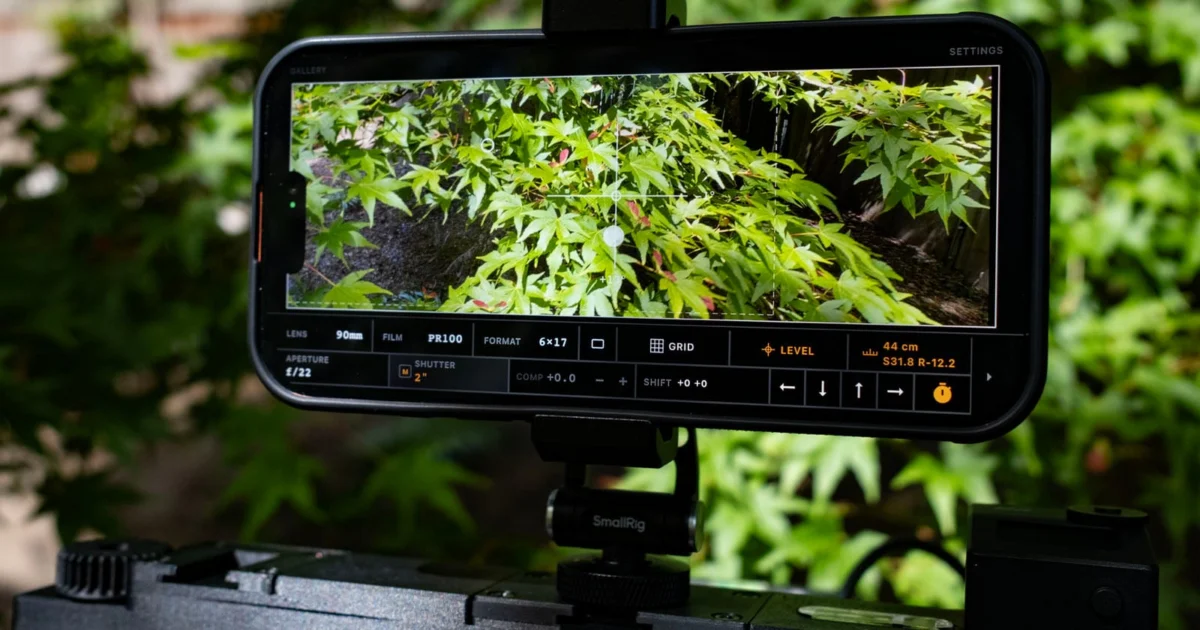
The analog photography landscape is witnessing a sophisticated technological bridge with the release of Second View, a comprehensive iPhone application designed to serve as an all-in-one assistant for film enthusiasts. Developed by photographer and engineer Benoit Linard, the application addresses the technical hurdles inherent in manual photography, particularly for those utilizing medium and large-format systems that often lack internal metering, rangefinding, or even viewfinders. By leveraging the advanced hardware of modern iPhones, including LiDAR sensors and high-resolution displays, Second View integrates several critical tools—a light meter, a distance scale, parallax correction, and reciprocity failure calculators—into a single, streamlined interface.
The genesis of Second View was rooted in necessity rather than commercial ambition. Linard initially conceived the app as a supplementary tool for his personal 3D-printed camera projects. Working with custom-built hardware often requires a high degree of pre-visualization and manual calculation, leading Linard to find himself constantly cycling between multiple disparate apps to manage exposure, timing, and framing. "The app started as a side tool for my 3D-printed camera project," Linard explained. "I needed to simulate shift movements from my phone before hauling out all the gear. But over time, it just made sense to put everything in one place." This iterative development process was heavily influenced by a community of beta testers, whose feedback transformed the tool from a niche utility into a robust professional field kit.
Technical Architecture and LiDAR Integration
One of the standout features of Second View is its utilization of the LiDAR (Light Detection and Ranging) sensor found on iPhone 12 Pro models and later. In the context of analog photography, focus accuracy is often a primary point of failure, especially when using cameras that do not have a coupled rangefinder. Second View converts the iPhone into a digital rangefinder, providing real-time distance measurements that allow photographers to set their lens focus with mathematical precision. This is particularly valuable for large-format photography, where depth of field can be extremely shallow, and "guesstimating" distance often results in wasted frames.
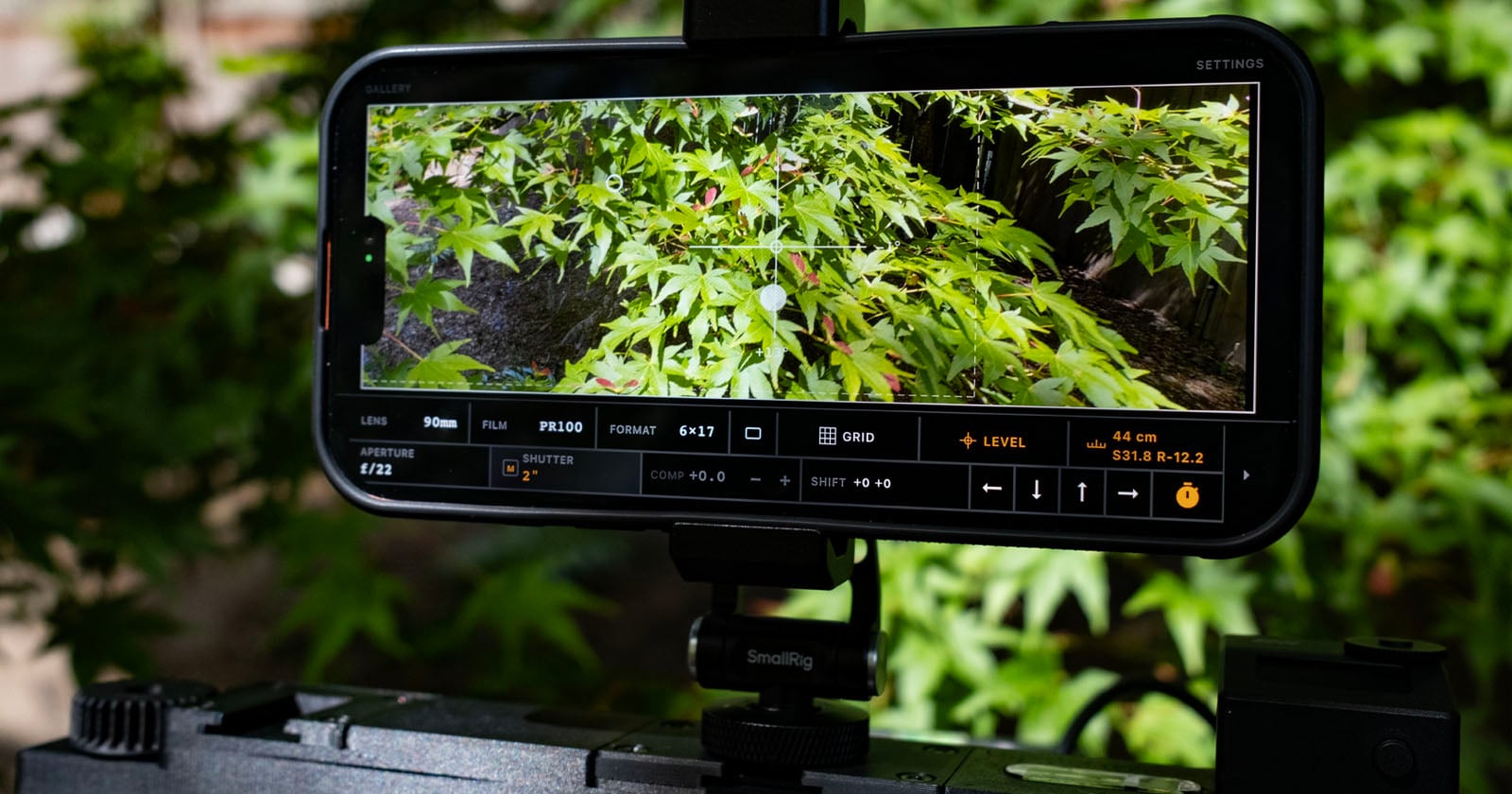
Beyond distance measurement, the app serves as a sophisticated light meter. While smartphone light meters have existed for years, Second View differentiates itself by focusing on the specific workflows of film users. It provides exposure readings that can be translated directly to manual camera settings, but its most critical contribution is the automated calculation of reciprocity failure.
Solving the Reciprocity Failure Challenge
Reciprocity failure, also known as the Schwarzschild effect, is a phenomenon in film photography where the proportional relationship between shutter speed and aperture breaks down during long exposures—typically those exceeding one second. Different film emulsions react to low light in unique ways, requiring the photographer to add extra time to the exposure to avoid underexposure. Traditionally, this required carrying printed charts or performing complex mental math in the field.
Second View mitigates this risk by including accurate reciprocity failure curves for over 60 popular film stocks. The database covers a wide spectrum of the current market, including professional favorites like Kodak Portra 160/400, Ektar 100, and Tri-X 400, as well as Ilford’s range (HP5 Plus, Delta series) and Fujifilm’s transparency films like Velvia and Provia. When a light reading suggests an exposure longer than a second, the app automatically calculates the corrected time based on the specific characteristics of the selected film stock. This feature is paired with a built-in exposure timer that counts down the corrected duration, ensuring the photographer knows exactly when to close the shutter.
Framing, Parallax Correction, and Movement Simulation
For photographers using panoramic cameras or technical view cameras, framing is often a significant challenge. The app supports a vast array of formats, ranging from standard 35mm and medium format (6×4.5, 6×6, 6×7, 6×9) to specialized panoramic formats like 6×17. It even accommodates large format sizes such as 4×5 and 5×8, with the option for users to input fully custom dimensions.
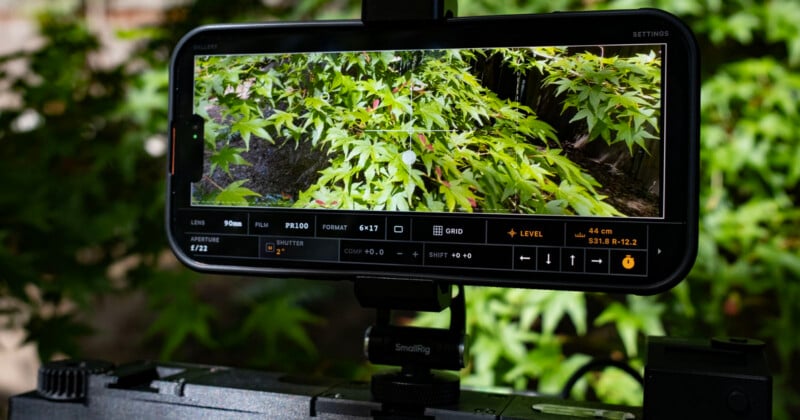
By setting the specific focal length of the camera lens and the film format, Second View crops the iPhone’s ultra-wide camera view to match the exact field of view and aspect ratio of the analog setup. However, a common issue with top-mounted viewfinders is parallax error—the discrepancy between what the viewfinder sees and what the lens sees due to their different physical positions. Second View addresses this through a dedicated parallax correction feature, allowing users to align the iPhone’s perspective with the camera lens’s axis.
Furthermore, the app includes a "rise and shift" simulation. This is a specialized tool for architectural and landscape photographers using technical cameras. It allows the user to simulate the physical movements of a camera’s front or rear standards, offsetting the digital crop in one-millimeter increments to visualize how perspective corrections will affect the final image before the actual film is exposed.
A Growing Ecosystem for the Analog Renaissance
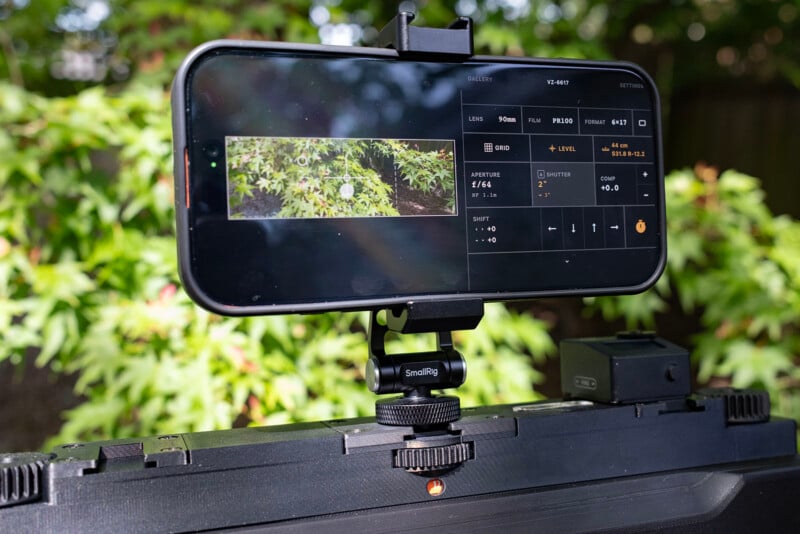
The release of Second View comes at a time when the analog photography market is experiencing a sustained resurgence. Despite the high costs of film and processing, a new generation of photographers has embraced the medium for its tactile nature and unique aesthetic. This "analog renaissance" has spurred the development of new hardware, such as the Exposing Engineering VZ-6617 medium format panoramic camera. Second View was highlighted by Exposing Engineering as a "perfect pairing" for the VZ-6617, a camera that lacks its own internal metering and viewfinder systems.
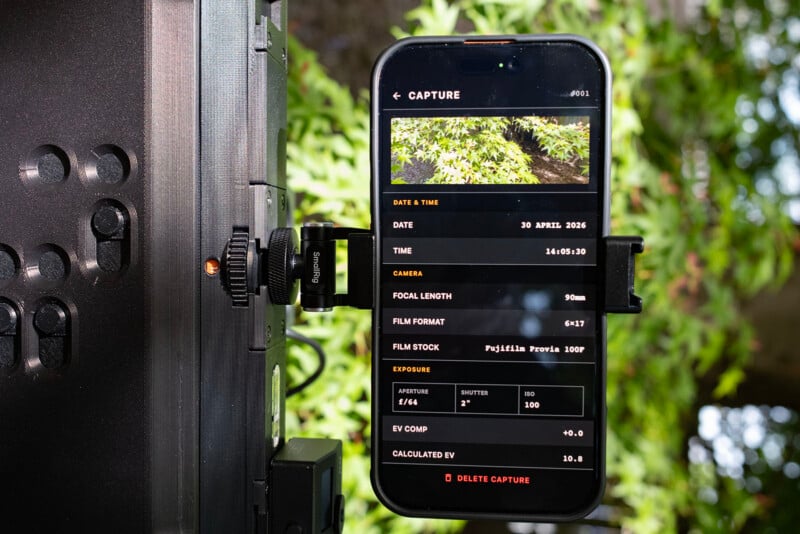
By centralizing these technical tools, Second View reduces the "cognitive load" on the photographer, allowing them to focus more on composition and the creative process. The app also serves as a digital logbook. Users can take "reference photos" within the app that are saved with a full suite of metadata. This includes the focal length, film stock, aperture, shutter speed, and even GPS coordinates and timestamps. For a film photographer, this data is invaluable for reviewing successes and failures once the film is developed and scanned weeks or months later.
Market Context and Competitive Analysis
The market for film-related mobile applications has become increasingly crowded as developers seek to capitalize on the analog trend. Apps like FilmMeter, LightMeter Ultra, and various "frame" tracking apps have established a presence. However, Second View’s strategy appears to be one of consolidation. By combining the features of a high-end light meter, a LiDAR rangefinder, and a technical viewfinder with shift simulation, it positions itself as a "Pro" level utility that justifies its subscription-based model.
The app requires iOS 16 or later to function, ensuring it can utilize the latest processing power and sensor APIs provided by Apple. The pricing structure is divided into two tiers to accommodate different user needs:
- Basic Version ($7.99/year): Designed for casual or hobbyist shooters who need reliable metering and basic framing tools.
- Pro Version ($14.99/year): Unlocks the full suite of advanced features, including the LiDAR distance scale, the full reciprocity database, and the technical camera movement simulations.
Implications for the Future of Film Photography
The existence of an app like Second View highlights a paradoxical trend: the use of cutting-edge digital technology to preserve and enhance a century-old chemical process. As vintage analog gear becomes older and more difficult to repair, and as new "boutique" cameras are released without the expensive internal electronics of the past, the smartphone is increasingly becoming the "brain" of the analog rig.
From a factual standpoint, the integration of LiDAR is perhaps the most significant advancement in this category. While traditional ultrasonic rangefinders or manual "string" measurements were once the norm for precision work, the ability to map a scene in 3D using a phone provides a level of accuracy that was previously unavailable to the independent film photographer.
As Benoit Linard continues to update the app based on user feedback, the potential for further integration—such as filter factor calculations or bellows extension compensation—remains high. For now, Second View stands as one of the most feature-complete assistants available, bridging the gap between the unpredictability of film and the precision of digital computation. The app’s success will likely depend on its ability to maintain its reciprocity database as new film stocks emerge and to continue refining its interface for use in the demanding environments of field photography.

