


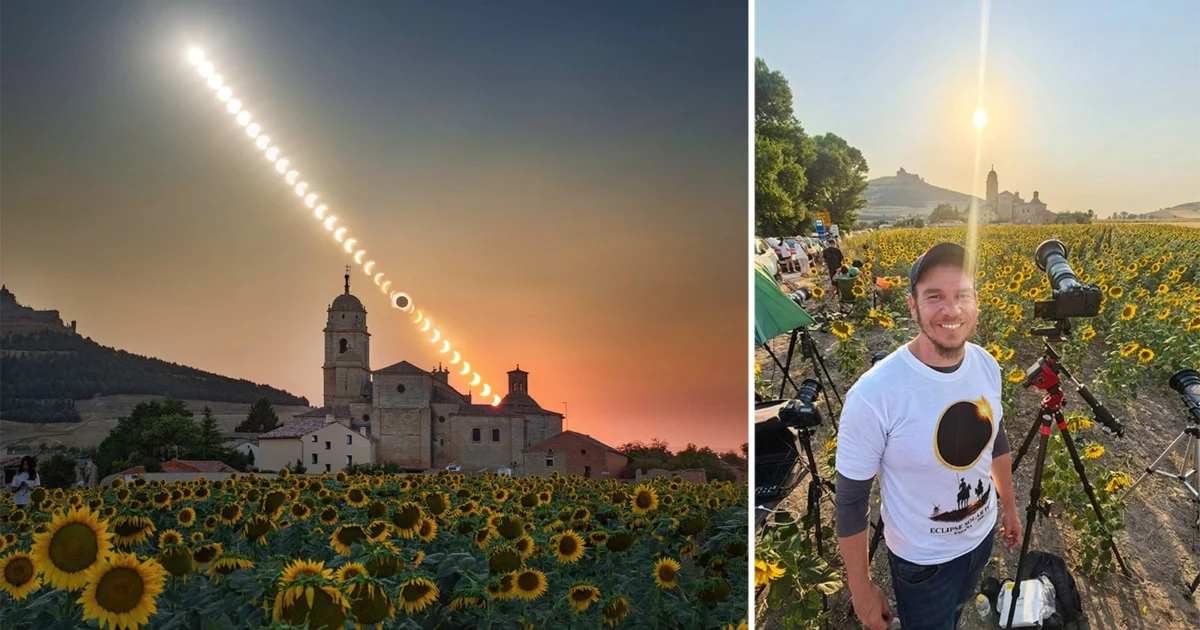
The total solar eclipse of August 12, 2026, represented a rare astronomical alignment that drew thousands of observers and professional photographers to the Iberian Peninsula. Among them was Brazilian photographer Kiko Fairbairn, whose year-long preparations culminated in a series of striking images captured near the town of Castrojeriz, Spain. The project, which combined technical precision with artistic narrative, highlights the rigorous intersection of modern planning technology and traditional field photography required to document a celestial event that lasts less than two minutes.
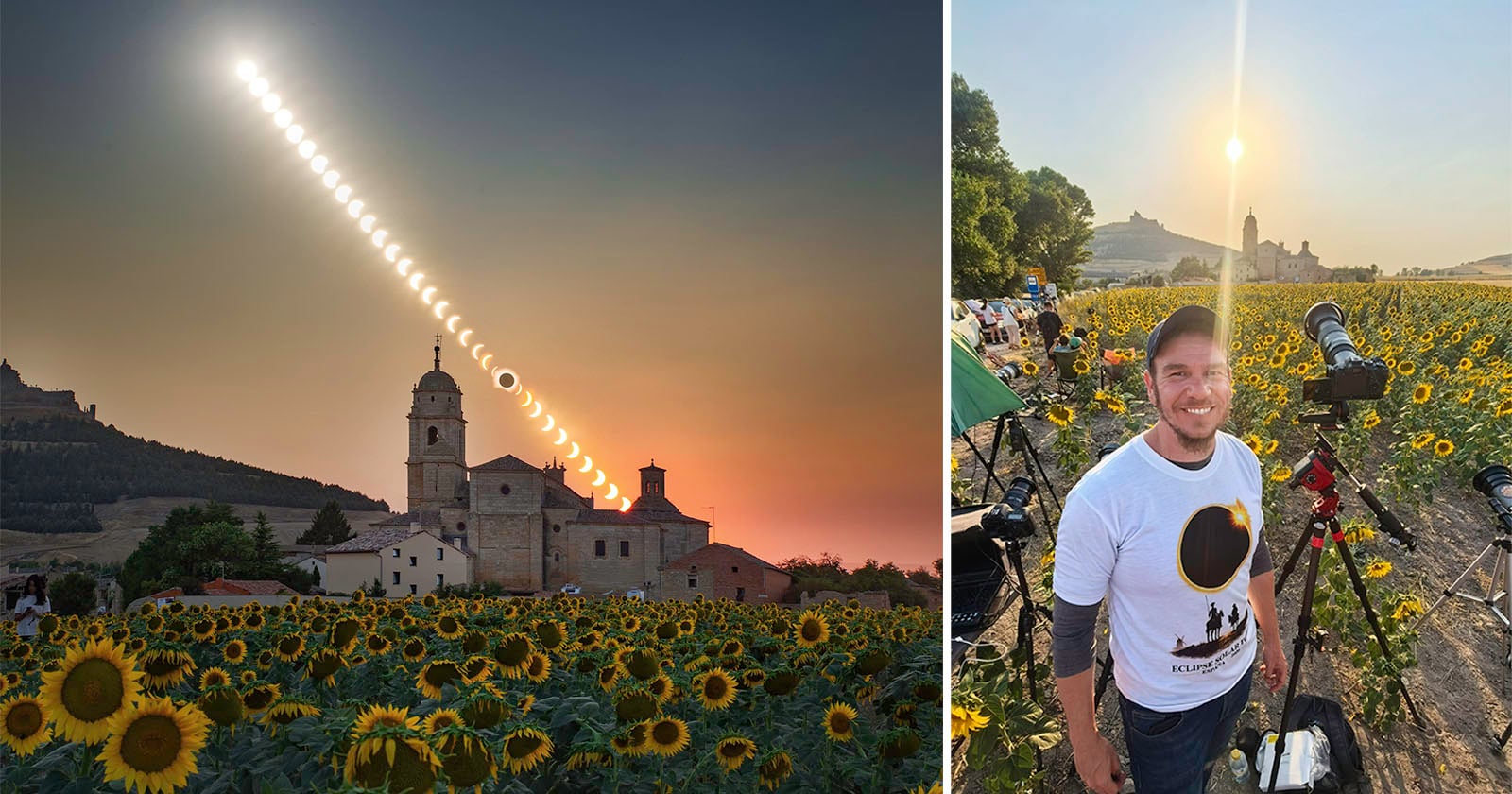
The 2026 eclipse was particularly significant due to its path of totality, which tracked across remote and architecturally rich regions of Northern Spain, including Burgos. The total phase of the eclipse—the brief window when the Moon completely obscures the Sun—lasted approximately 106 seconds in Fairbairn’s chosen location. This duration, while fleeting, provided enough time for a highly orchestrated photographic sequence, provided the photographer could manage the transition from preparation to split-second execution.
A Timeline of Strategic Planning and Execution
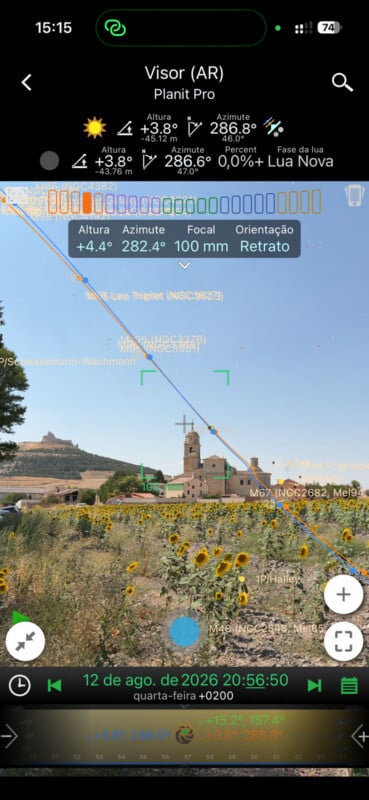
For Fairbairn, the mission began more than 12 months before the Moon’s shadow touched Spanish soil. The process was not merely a matter of selecting a destination; it involved high-level geographic modeling. Utilizing specialized astronomy software, Fairbairn mapped the trajectory of the Sun relative to the local horizon, searching for a foreground that would provide both scale and cultural context.
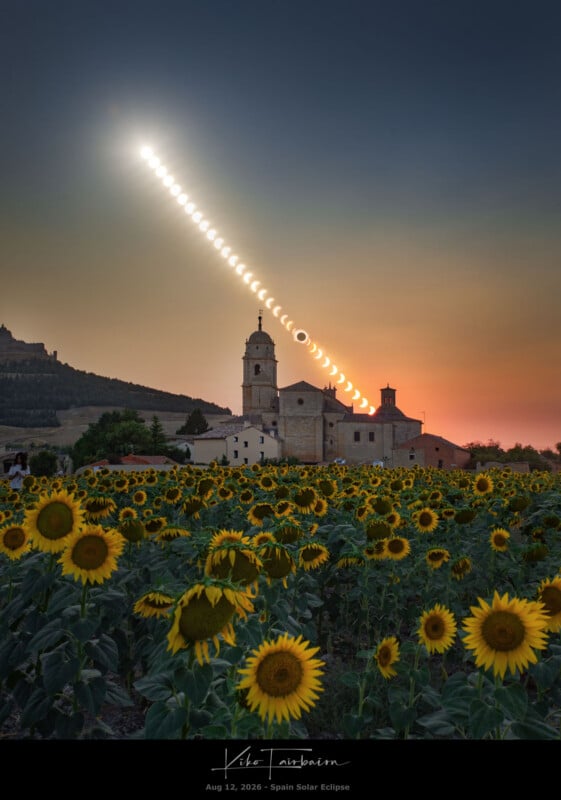
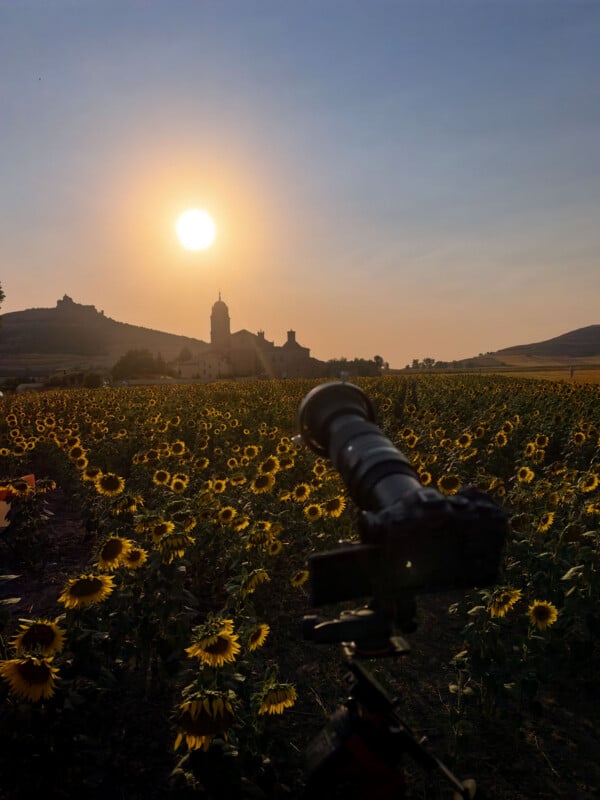
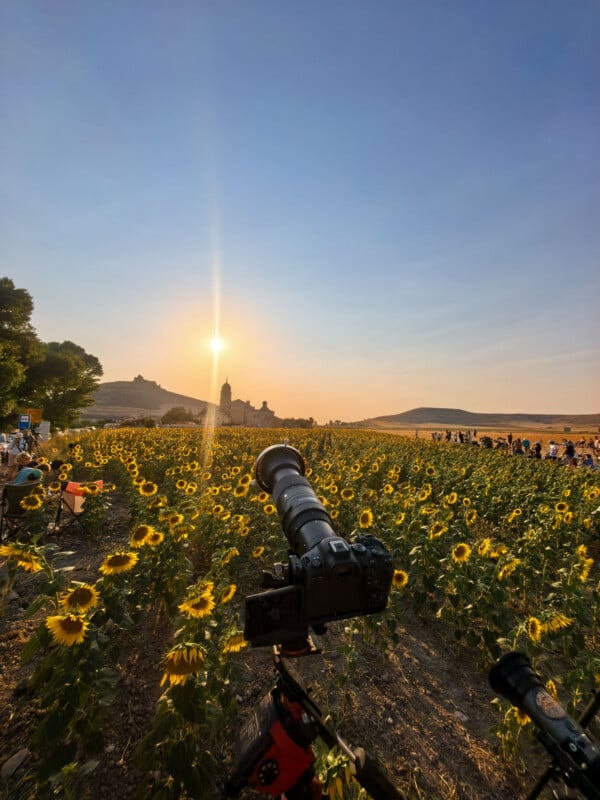
Upon arriving in Spain, the search shifted from digital simulation to physical scouting. The goal was to find a composition where the path of totality would align with specific architectural elements. Fairbairn identified a field of sunflowers near the village of Castrojeriz as the ideal vantage point. The location offered a dual visual benefit: the sunflowers provided a symbolic connection to the Sun, while the inclusion of a local church and hilltop castle ruins added a sense of historical permanence to the transient celestial event.
The logistical timeline on the day of the eclipse was governed by the inevitable approach of the lunar shadow. As the partial eclipse began, the ambient light began to change, requiring the photographer to rely on his pre-set exposure strategies. By utilizing a multi-camera setup, Fairbairn was able to mitigate the risks associated with such a short timeframe. One camera was locked on a tracker with a solar filter, focused exclusively on the Sun’s corona, while a second camera was tasked with capturing the broader landscape, ensuring the narrative of the event was preserved in its environmental context.
Technical Precision and the Art of Automation
Achieving the final imagery required an aggressive approach to exposure bracketing. Recognizing that the light intensity would plummet as totality neared, Fairbairn programmed his cameras to capture sequences of three bracketed frames, ranging from two stops under-exposed to two stops over-exposed. This provided a necessary safety margin, ensuring that even if the light conditions fluctuated unexpectedly, there would be sufficient data in the RAW files for post-processing.
Fairbairn utilized a Canon EOS R6 Mark III for the close-up solar imagery, equipped with a 150-600mm telephoto lens and a 2x teleconverter. For the landscape, he employed a Canon EOS 5D Mark III, a body he described as an "old workhorse" that remained reliable under the stress of the event. The camera was powered by a continuous-feed dummy battery connected to a high-capacity power bank to prevent any power failure during the crucial 106-second window of totality.
The choice of focal length was equally deliberate. After initial testing with a 16-35mm wide-angle lens, which Fairbairn noted made the distant subjects appear too small, he settled on a 24-70mm lens set to 38mm. This focal length allowed for a layered composition that balanced the sunflowers in the immediate foreground with the architectural silhouettes in the distance, effectively framing the progression of the eclipse as it moved across the sky.
The Science of the Solar Alignment
The 2026 eclipse served as a reminder of the unique cosmic coincidence that allows for totality on Earth. The Sun is approximately 400 times larger than the Moon, yet it is also 400 times farther away, a ratio that allows the Moon to perfectly mask the solar disk. This phenomenon, known as angular size alignment, is the only time the solar corona—the Sun’s outer atmosphere—is visible to the naked eye.
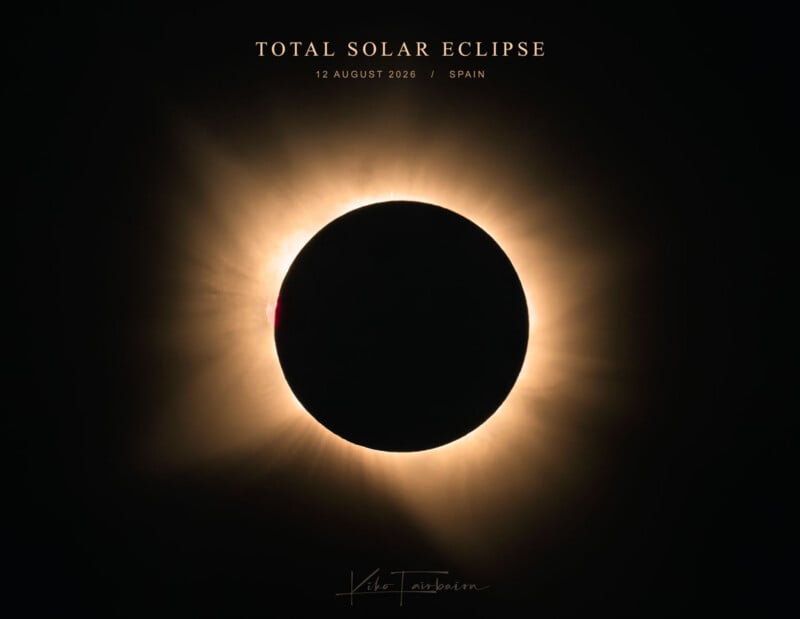
For photographers like Fairbairn, who have built careers around astrophotography, this event is more than a photo opportunity; it is an exercise in scientific documentation. Fairbairn’s background in deep-sky imaging, having previously won the Sir Patrick Moore Prize in the Astronomy Photographer of the Year competition, informed his methodical approach to the eclipse. His work, which has been featured by NASA and National Geographic, relies on a deep understanding of celestial mechanics.
Perspectives on the Human Experience of Totality
While the technical output of the trip was a success, Fairbairn emphasized the emotional and human elements of the event. He was joined by his sister, who acted as an assistant and captured behind-the-scenes footage, and a community of fellow astrophotographers. This collaborative environment was essential in managing the collective tension that precedes such an event.
Fairbairn’s documentation of his own reaction during totality—captured by his sister—serves as an objective record of the "shock and awe" reported by many observers. He noted that despite the months of planning and the complex gear setup, nothing truly prepares a person for the sensory shift that occurs during the sudden transition to darkness. The drop in temperature and the unfamiliar appearance of the sky create a psychological impact that distinguishes the experience from any other astronomical observation.
His advice to other photographers is a balance between duty and presence: "Take the photograph, absolutely, but make sure you look up." This sentiment reflects the broader implications of astrophotography as a discipline. While the technical images serve as a permanent archive, the act of witnessing the event serves as a profound human experience.
Broader Implications and Legacy
The 2026 event highlighted the growing intersection of public engagement and high-end photography. With the rise of accessible planning apps and high-resolution imaging technology, the bar for capturing professional-grade astronomical events has risen. However, as Fairbairn demonstrated, the core tenets of photography—composition, narrative, and patience—remain the deciding factors between a record of an event and a piece of visual art.
Furthermore, the gathering of the Brazilian astronomy community in Spain underscored the international nature of such phenomena. These events often serve as catalysts for scientific education and public interest in astronomy, with photographers playing a key role in translating complex cosmic events into accessible visual stories.
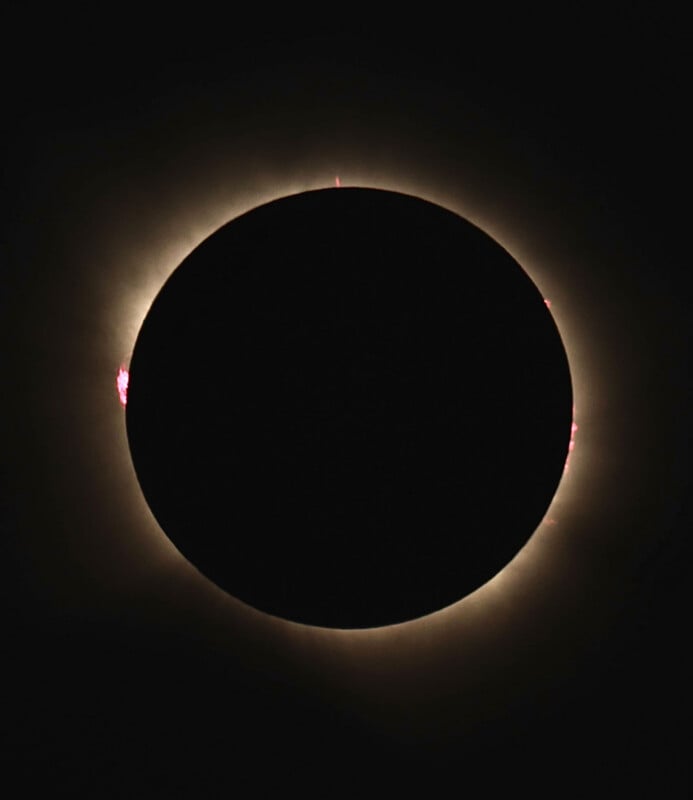
As the images from the 2026 total solar eclipse are integrated into public archives and galleries, they serve as both a technical guide for future eclipse chasers and a testament to the fleeting nature of celestial events. For Kiko Fairbairn, the project was a culmination of a lifelong dedication to capturing the heavens, demonstrating that even with the most advanced planning tools available, the magic of the moment remains, ultimately, in the eyes of the beholder.

