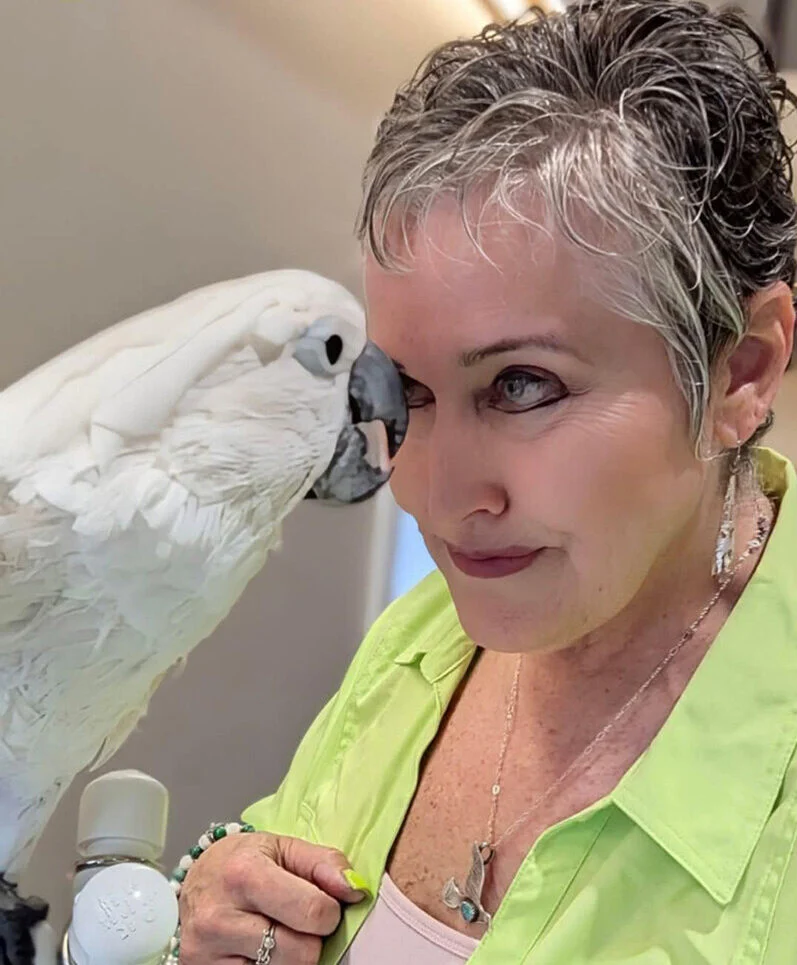
The bond between humans and animals has long been recognized for its therapeutic potential, but rarely does that relationship manifest as poignantly as it has with Boo, a 41-year-old umbrella cockatoo. Following a decade of blindness caused by a history of abuse and neglect, Boo has not only regained his sight through pioneering surgical intervention but has also achieved a historic milestone in animal-assisted therapy. In 2026, Boo became the first avian recipient of the prestigious Pet Partners Pet of the Year award, a distinction that underscores both the resilience of the animal spirit and the growing influence of non-traditional therapy animals in clinical and educational settings.
The Evolution of Animal-Assisted Therapy
Animal-assisted interventions (AAI) have transitioned from anecdotal support to a recognized component of holistic healthcare. According to data from the Human Animal Bond Research Institute (HABRI), the presence of a therapy animal can significantly lower cortisol levels, reduce blood pressure, and alleviate symptoms of anxiety in patients. While canine therapy teams remain the industry standard, organizations like Pet Partners—a nonprofit based in Bellevue, Washington—have expanded the scope of their registries to include a diverse array of species, provided they meet rigorous temperament and training standards.
Approximately 18% of pet owners identify their animals as essential to their mental health management. As the demand for diverse therapeutic modalities grows, the inclusion of birds, particularly long-lived species like cockatoos, offers unique benefits. Their capacity for mimicry, their intelligence, and their high levels of social engagement make them effective conduits for communication in therapy sessions, particularly for individuals navigating neurodivergence or physical rehabilitation.
A Chronology of Recovery: From Darkness to Daylight
Boo’s journey is defined by a distinct timeline of trauma followed by scientific advancement. For the first several years of his life, Boo endured an environment of neglect that resulted in profound vision loss. For a decade, the cockatoo navigated his world in darkness, relying on his owner, Amy Hurst, for navigation, nutrition, and emotional security.
The turning point occurred when veterinary specialists determined that surgery could potentially restore his sight. The successful procedure, which replaced damaged lenses, served as the catalyst for his current role as a community advocate. Following his recovery, Hurst initiated a training regimen to transition Boo from a rescue bird to a certified therapy animal. His certification through Pet Partners required him to pass standardized assessments regarding his behavior in public spaces, his reaction to sudden stimuli, and his ability to maintain a calm demeanor during interactions with strangers.
The 2026 Pet Partners Milestone
The Pet of the Year award is not merely a recognition of a pet’s personality; it is a metric of the animal’s contribution to their community. In 2026, the campaign surrounding the award reached a record-breaking zenith, raising $158,275. These funds are designated for the recruitment, training, and vetting of new therapy teams, ensuring that the infrastructure of animal-assisted therapy remains robust and accessible.
Boo’s victory is significant because it challenges the traditional hierarchy of the therapy animal world. By winning this award, he has validated the inclusion of birds in environments where they were previously overlooked. "Boo’s success is a testament to the fact that healing is a two-way street," notes an observer familiar with the Pet Partners program. "His ability to overcome his own physical limitations resonates deeply with the people he assists, creating a powerful narrative of shared recovery."
Clinical Applications and Community Impact
Boo’s current schedule is a testament to his adaptability. He is currently deployed in several distinct sectors:

- Neurodivergence Support: Boo works with individuals on the autism spectrum, where his presence serves as a sensory anchor, helping participants regulate their environment and practice social engagement in a low-pressure setting.
- Physical Rehabilitation: In stroke recovery programs, Boo serves as a focal point for fine motor skill exercises. His presence encourages patients to engage in hand therapy movements—such as feeding him treats or petting his feathers—which can be more motivating than repetitive, mechanical physical therapy exercises.
- Youth Outreach: Boo participates in community youth groups, acting as an ambassador for animal welfare and the importance of empathy in caretaking.
The implication of this work is clear: the integration of birds into therapy programs provides a high-engagement, low-stress stimulus that is particularly effective for populations that may be overstimulated by the high-energy nature of therapy dogs.
The Role of the Handler: A Partnership in Care
The success of any therapy animal is tethered to the commitment of the handler. Amy Hurst’s role in Boo’s life serves as a model for responsible pet guardianship. The relationship between the two is characterized by a high degree of mutual trust. Hurst’s involvement goes beyond standard ownership; it includes constant monitoring of Boo’s physical health, emotional well-being, and social fatigue.
In professional therapeutic settings, the handler is responsible for interpreting the animal’s stress signals and ensuring that the human-animal interaction remains safe and beneficial for all parties. Hurst’s ability to facilitate these sessions while advocating for Boo’s specific needs as a former rescue bird has been cited as a primary reason for his success in the program.
Broader Implications for the Future of Therapy Animals
The recognition of Boo by Pet Partners signals a shifting paradigm in the industry. As we look toward the next decade of therapy animal development, the success of non-canine models suggests a broadening of criteria. Organizations are increasingly recognizing that the "best" therapy animal is one that possesses a specific temperament, regardless of species.
Furthermore, the financial success of the 2026 Pet of the Year campaign indicates a high level of public interest in supporting these programs. With $158,275 raised, the organization is poised to expand its reach, potentially training hundreds of new handlers and animals. This expansion is critical, as waitlists for therapy animal visits at hospitals, schools, and care facilities remain consistently high.
The case of Boo also serves as a poignant reminder of the potential for animals that have experienced trauma to become agents of healing. His life cycle—from a victim of neglect to a beacon of community service—mirrors the arcs of many of the people he serves. By reclaiming his own life, he has provided a roadmap for others to navigate their own recovery.
Conclusion: A Legacy in Motion
Boo remains an active member of the Pet Partners network, with his 41 years of life adding a sense of gravitas and wisdom to his interactions. As he continues to visit facilities and participate in therapeutic programs, his presence serves as a living, breathing case study in resilience.
The story of Boo is not just a heartwarming anecdote; it is a professional case study in how targeted, well-supported animal-assisted therapy can bridge the gap between clinical need and patient comfort. Through the dedication of Amy Hurst and the strategic support of organizations like Pet Partners, the umbrella cockatoo has transcended his history to become a national symbol of the transformative power of the human-animal bond. As the 2026 Pet of the Year, Boo’s legacy is now firmly cemented in the history of therapeutic practice, ensuring that his influence will be felt by future teams and the communities they serve for years to come.

