


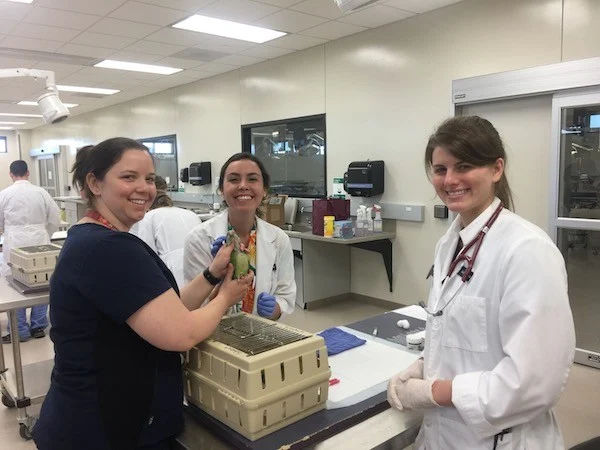
The field of exotic animal and zoological medicine has undergone a period of rapid professional evolution, driven largely by the concerted efforts of academic institutions, specialized clubs, and industry leaders to bridge the gap between classroom theory and clinical practice. Over the past two decades, a robust network of distance-learning events, hands-on wet labs, and annual symposia has emerged to address the specific needs of veterinary students interested in avian, wildlife, and exotic species medicine. This ongoing initiative, heavily supported by industry partners like the Lafeber Company, serves as a cornerstone for training the next generation of veterinarians tasked with the care of non-traditional patients.
The curriculum of these events, which range from specialized avian nutrition and reproductive surgery to the management of aquatic diseases, reflects the increasing complexity of modern veterinary medicine. As the number of exotic pets—including reptiles, amphibians, and avian species—continues to rise globally, the demand for specialized diagnostic and surgical skills has never been higher. By facilitating direct access to board-certified specialists, these programs ensure that students are equipped with the most current evidence-based protocols.
A Chronology of Academic Engagement and Specialization
The history of these outreach efforts is marked by a steady increase in technological integration. Early sessions, dating back to the late 2000s, were primarily campus-based, relying on the physical presence of lecturers like Dr. Teresa Lightfoot or Dr. R. Avery Bennett. However, the landscape shifted dramatically following the global disruptions of 2020. Recognizing the need for continuity, academic clubs—such as the University of Florida’s WZAAM (Wildlife, Zoological, and Aquatic Animal Medicine) club and the Texas A&M ZEW (Zoo, Exotics, & Wildlife) club—pivoted toward distance-learning formats.
From 2020 to 2026, the reach of these educational programs expanded beyond regional boundaries. Virtual presentations allowed institutions like Kansas State University, Atlantic Veterinary College, and the University of Illinois to host international experts. For instance, Dr. Rebecca Duerr’s 2026 presentation on the medical challenges of oiled birds provided students with insights into large-scale conservation efforts that would have previously required extensive travel. Similarly, the 2025 Bunny Bonanza symposium at the University of Illinois highlighted the growing focus on lagomorph medicine, a critical area in domestic exotic practice.
Technical Focus: From Avian Nutrition to Wildlife Rehabilitation
The educational content provided through these collaborative efforts is highly technical, reflecting the rigorous standards of the American Board of Veterinary Practitioners (ABVP) and the American College of Zoological Medicine (ACZM). Common themes across the last fifteen years of programming include:
- Avian Clinical Practice: This has been the most frequently addressed subject, ranging from basic nutritional requirements to advanced surgical procedures. Experts like Dr. Kara Burns have played a pivotal role in disseminating information on avian nutrition and internal medicine, often emphasizing the critical nature of dietary management in preventing common diseases such as atherosclerosis and obesity.
- Exotic Companion Mammals: The focus on rabbit, ferret, and hedgehog medicine has intensified. Presentations such as those covering "Rabbit GI Physiology" or "Hedgehog Anesthesia & Surgery" address the unique physiological challenges these species present, particularly regarding metabolic rates and anesthesia risks.
- Aquatic and Wildlife Medicine: Beyond private practice, these programs address the broader environmental responsibilities of the veterinarian. Sessions on sea turtle radiography, shellfish disease monitoring, and black bear management illustrate the intersection of private practice and environmental conservation.
The Role of Industry-Academic Synergy
The partnership between veterinary schools and private entities—such as the Lafeber Company—has been instrumental in sustaining these extracurricular activities. By sponsoring specialized wet labs, raffle prizes like the Sibley’s Guide to Birds, and symposium registration costs, these entities lower the barriers to entry for students.
These symposia, such as the long-running Special Species Symposium at Cornell University and the ZEW wet labs at Texas A&M, serve as critical networking hubs. They allow students to interact with specialists in a low-pressure environment, fostering mentorships that often lead to residency placements or internships. The professional consensus among faculty advisors is that these extracurricular interactions are as vital to a student’s development as the formal core curriculum. By exposure to practitioners who balance clinical medicine with research, students gain a realistic understanding of the career paths available in zoological and exotic medicine.
Impact on Clinical Standards and Public Health
The broader implications of this sustained educational outreach are significant. Veterinary medicine is currently seeing a "specialization boom," where general practitioners are expected to handle a wider array of species than in previous decades. As practitioners become more confident in treating non-traditional species, the standard of care for these animals in private households improves.
Furthermore, the emphasis on wildlife medicine—such as the work performed at the Alaska SeaLife Centre or the Carolina Raptor Center—highlights the veterinarian’s role in public health and ecosystem monitoring. When students are trained to recognize the signs of lead toxicity or avian influenza, they become the front line of defense in zoonotic disease surveillance. The inclusion of topics like "diversity in zoological medicine" at Tufts University also points to a maturation of the field, acknowledging that inclusive leadership is essential for the future of the profession.
Challenges and Future Directions
Despite the success of these programs, several challenges remain. The primary hurdle is the consistent funding required to maintain hands-on wet labs, which are resource-intensive due to the need for specialized equipment and biological specimens. While virtual distance-learning has solved the issue of accessibility, the field still emphasizes that there is no substitute for the tactile experience of surgical skills labs.
Looking forward, the trend suggests a move toward hybrid learning models. Virtual platforms will likely continue to handle theoretical content, while regional "hubs" may be established to host intensive, hands-on clinical skills training. This model would optimize resources, allowing students from smaller or less specialized colleges to benefit from the expertise concentrated at larger research institutions.
Conclusion
The collaborative effort between veterinary student organizations and industry experts has successfully institutionalized the study of exotic, avian, and wildlife medicine. What began as occasional guest lectures has evolved into a comprehensive, multi-year educational ecosystem that supports the academic, clinical, and professional development of veterinary students across North America.
By prioritizing evidence-based practice and fostering a culture of continuous learning, these programs are ensuring that the next generation of veterinarians is not only technically proficient but also deeply committed to the welfare of the diverse species entrusted to their care. As the veterinary profession continues to adapt to the changing needs of pet owners and the environmental challenges facing global wildlife, these educational foundations will remain the primary vehicle for maintaining excellence in non-traditional animal medicine. The history of these meetings and symposia serves as a testament to the dedication of the veterinary community in advancing the science of medicine for all creatures, great and small.

