


For many pet bird owners, the sight of a beloved companion tossing fresh vegetables, meticulously picking out seeds from a mix, or only showing interest in food directly from their human’s plate is a familiar, often frustrating, challenge. This phenomenon is not a sign of a failing owner or a particularly stubborn bird; rather, it often reflects a fundamental misunderstanding of avian feeding psychology and the natural learning processes birds employ to identify safe foods. This guide aims to demystify the process, offering evidence-based strategies to successfully integrate fresh, plant-based foods into your bird’s diet, thereby ensuring a healthier, happier life.
The Nutritional Imperative: Why Vegetables Are Non-Negotiable
The dietary landscape of pet birds often starkly contrasts with that of their wild counterparts. In their natural habitats, parrots and other psittacine species consume an incredibly diverse array of plant matter: leaves, seeds, grasses, fruits, flowers, bark, shoots, nuts, and seasonal plants. This variety provides a complex spectrum of vitamins, minerals, antioxidants, and fiber essential for their robust health.
Unfortunately, many captive birds subsist on diets heavily reliant on seeds or, in some cases, solely on commercial pellets. While high-quality pellets offer a balanced nutritional foundation, they rarely provide the full range of phytonutrients, textures, and foraging opportunities that fresh produce does. Seed-heavy diets, particularly, are notorious for being high in fat and low in essential nutrients like Vitamin A and calcium, leading to a cascade of preventable health issues.
Avian veterinarians frequently diagnose conditions directly attributable to poor nutrition, including:
- Hypovitaminosis A: Leading to respiratory problems, feather issues, and compromised immune function.
- Obesity and Fatty Liver Disease: Common in birds on high-fat seed diets, significantly shortening lifespan.
- Renal Disease: Often linked to imbalanced calcium-phosphorus ratios.
- Behavioral Issues: A lack of foraging opportunities and varied textures can contribute to boredom, feather plucking, and aggression.
The journey to a balanced diet is crucial for preventing these ailments, extending a bird’s lifespan, and enhancing its overall quality of life. The core principle is not to force a bird to eat by deprivation, nor to replace a balanced diet with excessive fruit, which is high in sugar. Furthermore, this approach is not suitable for birds who are already sick, underweight, weak, egg-bound, or medically fragile; such cases demand immediate consultation with an avian veterinarian.
Understanding Avian Feeding Psychology: The Science of Safe Eating
The fundamental principle behind teaching a bird to eat vegetables mirrors how birds naturally learn what is safe to consume in the wild: through repetition, curiosity, flock behavior, and safe, low-pressure exposure. Pet birds are wired to observe and learn from their social group, which, in a domestic setting, includes their human caregivers.
1. Neophobia: The Innate Caution
Parrots possess a natural caution, or neophobia, towards new objects and foods. This isn’t stubbornness; it’s an evolutionary survival mechanism. In the wild, indiscriminately eating every new plant could be fatal. Therefore, a bright orange carrot shred or a leafy green, if unfamiliar, may initially be perceived as suspicious or even unsafe. The bird isn’t being difficult; it’s being instinctively cautious.
2. Social Learning and Flock Mentality
Young parrots in the wild don’t learn to eat by guessing. They meticulously watch what their parents and flock mates consume. This observational learning is incredibly powerful. Your pet bird retains this innate wiring. If they have eaten mostly seeds or pellets for years, kale, carrots, or sprouts simply may not register as "food."
This is where you, the owner, become the primary teacher. When you visibly eat bird-safe vegetables, display genuine interest, and offer tiny, low-pressure choices, you are leveraging this powerful flock mentality. Your bird watches what you trust, and your actions provide the crucial "proof" that a strange new food belongs in the "safe to eat" category.
3. Repetition and Habituation
Consistency is key. Repeated, calm exposure to a new food, even if initially ignored, gradually reduces neophobia. Over time, the unfamiliar becomes familiar, and familiarity breeds a sense of safety. This process, known as habituation, slowly lowers the bird’s guard, making them more receptive to investigation.
4. Curiosity and Foraging Drives
Parrots are intelligent, highly curious creatures with strong natural foraging drives. While their initial caution is strong, their innate desire to explore and manipulate their environment can be harnessed. The goal is to pique this curiosity, making the new food an object of interest rather than a threat.

Strategic Approaches: A Phased Introduction to Fresh Foods
Based on these learning principles, effective vegetable introduction involves a multi-pronged, patient approach, often adapted from successful seed-to-pellet conversion methods. The key distinction here is that for vegetables, the goal is curiosity and exploration, not restriction or hunger.
Phase 1: Cultivating Curiosity and Trust (The "Birdie’s Choice" Adaptation)
This phase is ideal for birds who are observant, enjoy human interaction, or tend to want what you have. It focuses on modeling and positive association.
- The "Tiny Food Lesson": Sit down with your bird, actively eating a plain, bird-safe vegetable (e.g., a piece of bell pepper, a carrot stick, a leafy green). Make happy, excited sounds, as if it’s the most delicious thing you’ve ever tasted. Let your bird see you genuinely enjoying it.
- Low-Pressure Offering: Offer a tiny, bite-sized piece of the same vegetable. Don’t push it. Place it on the edge of their cage, on a perch, or gently offer it from your fingers. The goal is for them to associate your enjoyment with the food and feel safe to investigate.
- Reward Any Interaction: Praise any sign of curiosity – looking at it, touching it, shredding it (even if not eating), licking it, or moving closer. This positive reinforcement strengthens the association that fresh food is good and safe.
- Variety of Presentation: Offer 2-3 tiny choices at a time to give them agency. This sense of choice reduces pressure and increases engagement.
Phase 2: Gradual Familiarization (The "Slow and Steady" Adaptation)
This method is best for cautious, routine-driven birds who are slow to accept new things. It relies on consistent, predictable exposure.
- Routine-Driven Exposure: Offer the same small fresh-food opportunity daily, at the same time. This could be a tiny piece of broccoli, a leaf of kale, or a small portion of chop.
- Consistency Over Quantity: The goal is not for them to eat it immediately, but for the food to become a familiar, non-threatening part of their daily environment. Keep it low-pressure; simply place it in the bowl or on a designated "fresh food perch."
- Long-Term Commitment: This method requires patience. It may take weeks or even months for the bird to simply accept the presence of the food before they even consider tasting it. Celebrate small victories, like a touch or a shred.
Phase 3: Maximizing Exposure (The "Tough Love" Adaptation – Modified)

This approach is for birds who skillfully avoid vegetables, pick out favorites, or largely ignore fresh food. Crucially, this is not about restricting calories or making the bird hungry. It’s about creative and pervasive exposure.
- Ubiquitous Presence: Integrate fresh foods into their normal activity areas. Hang clipped greens from cage bars, place small foraging cups with chopped veggies in different parts of the cage, or use bird-safe skewers with chunks of vegetables.
- Textural Variety: Experiment with different textures: finely chopped, grated, steamed, raw, puréed (mixed with a tiny bit of pellet mash). Some birds prefer crunchy, others soft.
- Strategic Placement: Place fresh food in shallow dishes near their favorite perches, or even scatter tiny pieces on the cage bottom for ground foraging species. The more opportunities they have to encounter and interact with the food, the higher the chance of investigation.
- Foraging Toys: Stuff foraging toys with small pieces of vegetables, making the reward for problem-solving a healthy one.
Crafting the Perfect "Chop": A Culinary Foundation for Avian Health
Once your bird shows curiosity towards a few individual vegetables or fruits, the next step is often introducing "chop." Bird chop is a finely chopped mixture of bird-safe vegetables, leafy greens, herbs, sprouts, and a small amount of fruit. It’s an excellent way to deliver a wide array of nutrients and textures in an easily digestible format.
Key Principles for Chop Preparation:
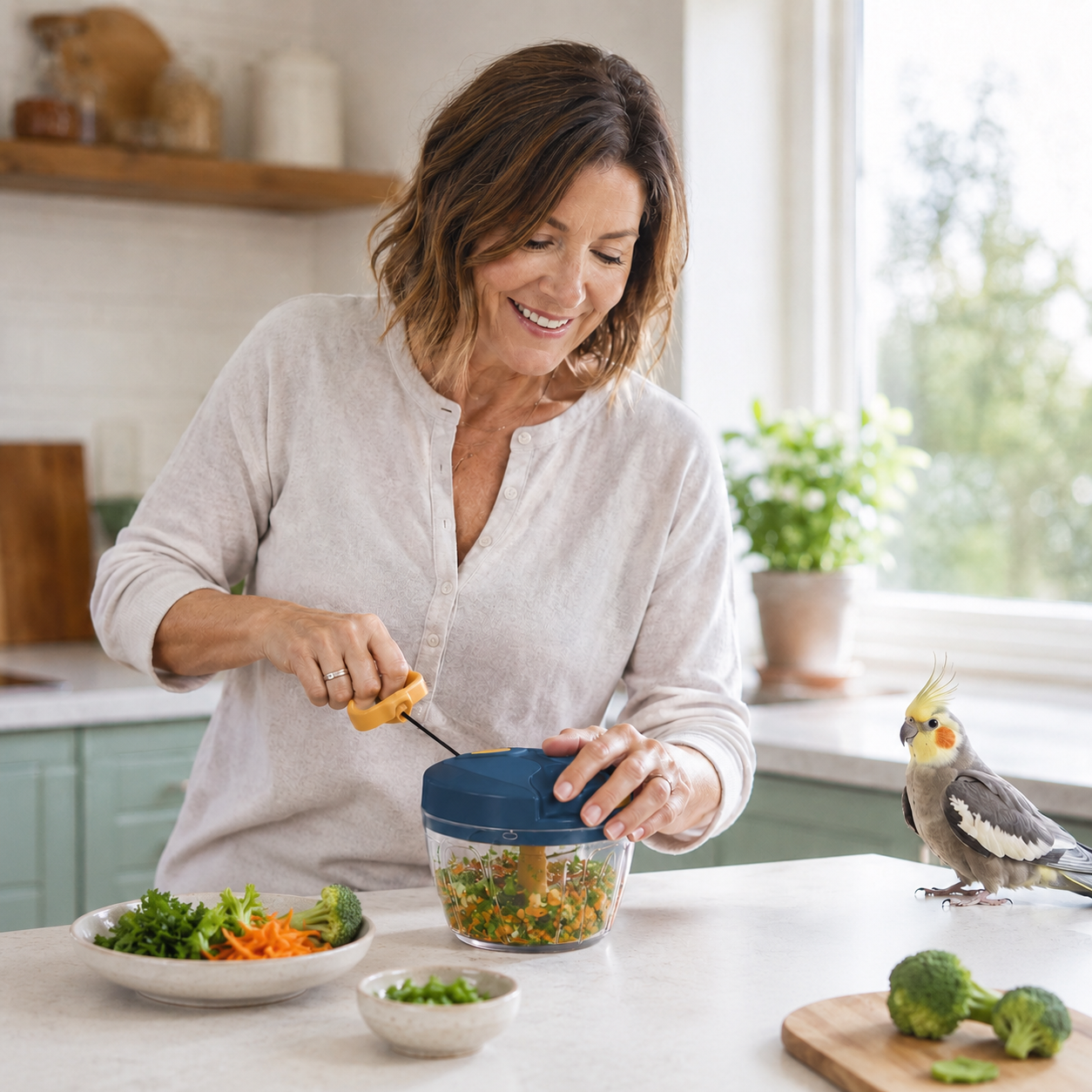
- Fine Consistency: Small beaks often do best with small, bite-sized pieces, ideally rice-sized or even finer, particularly for smaller species. A handheld manual food chopper or a food processor can achieve this. The goal is to prevent the bird from easily picking out favorite pieces.
- Ingredient Diversity: Include a rainbow of colors and nutrient profiles. Good starting options include grated carrot, broccoli florets, leafy greens (kale, collard, dandelion), cooked sweet potato, squash, peas, green beans, sprouts, and herbs (parsley, cilantro, basil). Always research and ensure all ingredients are bird-safe. Avoid avocado, chocolate, alcohol, and excessive salt/sugar.
- Hygiene: Thoroughly wash all produce. Prepare chop in clean conditions and store it properly.
- Portioning and Storage: Prepare larger batches and freeze them in individual daily portions (e.g., in ice cube trays). This ensures freshness and convenience. Thaw overnight in the refrigerator or quickly at room temperature.
- Minimal Fruit: Fruit should constitute a very small percentage of the chop (e.g., 5-10%) due to its sugar content. Focus primarily on vegetables and greens.
Enhancing Chop Appeal: The Role of Toppers
The best chop topper isn’t the sweetest or fattiest ingredient; it’s something that adds scent, texture, and curiosity while keeping the focus firmly on healthy plant-based foods. A tiny sprinkle can make a world of difference in enticing a hesitant bird.
- Omega-Rich Seeds: Ingredients like chia, flax, and hemp seeds (e.g., UnRuffledRx OmegaGlow) add healthy omega fatty acids, protein, fiber, and an appealing crunchy texture. These can stimulate investigation.
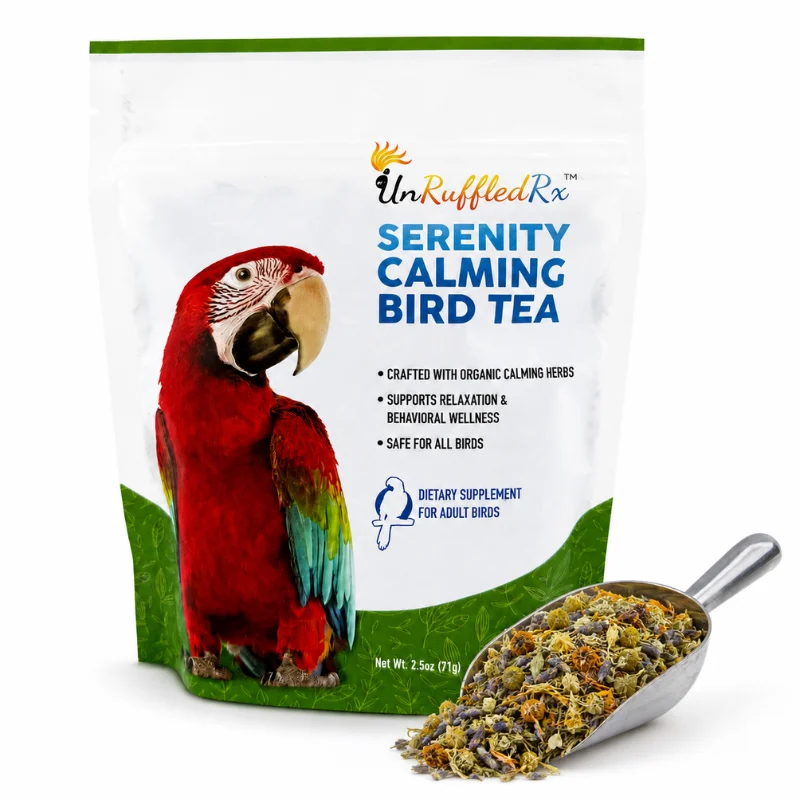
- Herbal Blends: Gentle herbal blends (e.g., UnRuffledRx Serenity) can introduce natural aromas and novel flavors, piquing a bird’s curiosity without relying on high-sugar or high-fat elements.
- Sprouts: Freshly sprouted seeds add a living, crunchy texture and a boost of enzymes and vitamins. They mimic natural foraging elements.
- Red Palm Oil (Sparingly): For birds requiring extra Vitamin A or a boost of healthy fats, a tiny amount of red palm oil can be appealing due to its bold color and rich flavor. It should be used very sparingly and as part of a varied fresh-food routine.
- Other Options: A light sprinkle of finely ground pellets, a tiny amount of nutritional yeast, or a small pinch of dried herbs can also be effective.
Important Considerations and Troubleshooting

- Patience is Paramount: Some birds may investigate fresh food within days, others may need weeks or even months of calm, consistent repetition. The key is to look for progress before expecting immediate eating. Progress includes watching, touching, shredding, licking, holding, or simply moving closer to the food.
- My Bird Only Picks Favorites: If your bird is adept at selective eating, try chopping ingredients more evenly and finely. Reduce the number of ingredients in a batch, or rotate one or two ingredients at a time. You can also offer some foods separately initially so your bird learns them as individual, safe items rather than just part of a mix.
- Eating from My Plate vs. Their Bowl: This is a classic example of social learning. Your bird trusts what they see you eating more than what magically appears in their bowl. Capitalize on this by eating plain, bird-safe vegetables in front of them and sharing from your plate (ensuring no human contaminants like salt, sauces, or spices).
- When to Seek Veterinary Advice: Always prioritize your bird’s health. If your bird is eating less overall, losing weight, producing fewer droppings, or exhibiting any signs of illness, pause diet conversion efforts and contact an avian veterinarian immediately. Food training should never compromise a bird’s health.
Broader Implications: A Commitment to Avian Welfare
Successfully transitioning a bird to a diet rich in fresh vegetables has profound implications beyond just nutrition. It significantly improves their overall well-being, longevity, and quality of life. A bird on a balanced diet typically has brighter plumage, more energy, a stronger immune system, and fewer behavioral issues stemming from nutritional deficiencies or boredom.
For owners, this commitment translates to reduced veterinary bills for preventable illnesses and the satisfaction of providing optimal care. It reinforces the ethical responsibility of pet ownership to understand and cater to the specific biological and psychological needs of these intelligent, complex creatures. This isn’t merely about feeding; it’s about enriching their lives, stimulating their minds through foraging, and fostering a deeper bond built on trust and attentive care.
By applying these scientifically-backed principles of avian learning and nutrition, bird owners can transform their companions’ diets, turning reluctant vegetable-avoiders into enthusiastic explorers of a vibrant, healthy culinary world.
References
Cummings, A. M., Hess, L. R., Spielvogel, C. F., & Kottwitz, J. J. (2022). An evaluation of three diet conversion methods in psittacine birds converting from seed-based diets to pelleted diets. Journal of Avian Medicine and Surgery, 36(2), 145–152. https://doi.org/10.1647/21-00025

