

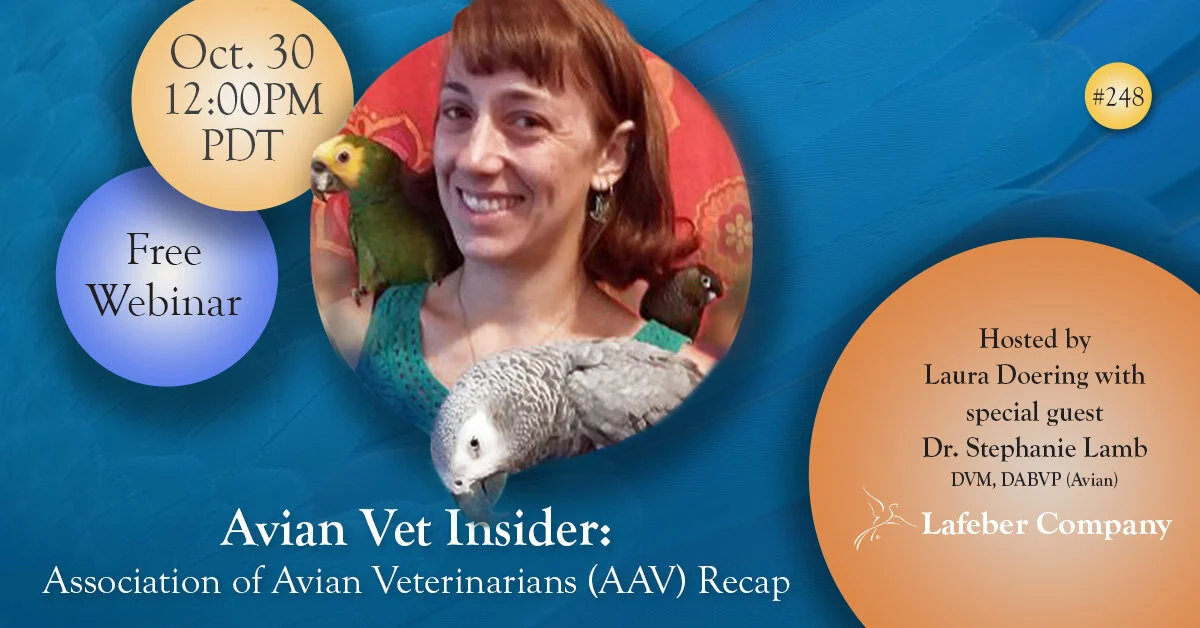
The 47th Annual Conference & Expo of the Association of Avian Veterinarians (AAV), recently concluded in Austin, Texas, served as a global nexus for advancements in specialized bird medicine. As part of an ongoing commitment to public education and professional transparency, Dr. Stephanie Lamb, DVM, DABVP (Avian Practice), is scheduled to present a comprehensive recap of the proceedings during a live webinar on Friday, October 30, 2026, at 12:00 p.m. PDT. This session aims to bridge the gap between complex veterinary research and the practical care of avian companions by distilling the conference’s primary takeaways into accessible insights for owners and practitioners alike.
The Significance of the AAV Annual Conference
The Association of Avian Veterinarians (AAV) represents a critical international body dedicated to the health and welfare of birds. For nearly five decades, the organization has functioned as the primary platform for peer-reviewed research, clinical training, and interdisciplinary collaboration in the field of avian medicine. The 47th iteration of the conference in Austin brought together researchers, clinicians, conservationists, and educators to discuss the evolving landscape of avian health.
Avian medicine is a highly specialized discipline. Unlike companion animal medicine for dogs and cats, which benefits from centuries of clinical data, the study of avian physiology, pathology, and therapeutics is a rapidly expanding field. Conferences like the AAV Expo provide the necessary forum for practitioners to stay abreast of new diagnostic tools—such as advanced imaging techniques and molecular diagnostics—that are essential for treating delicate species.
Chronology of Clinical Advancements
Historically, the trajectory of avian medicine has moved from basic husbandry to sophisticated critical care. The 2026 conference agenda was structured to reflect this shift, focusing on three major pillars: preventive medicine, specialized surgery, and infectious disease management.
Earlier in the year, preliminary findings presented at regional veterinary meetings suggested that avian respiratory health was a top priority for researchers. Throughout the Austin conference, attendees participated in hands-on workshops and didactic sessions that reviewed current protocols for managing aspergillosis, a common and often fatal fungal infection in captive birds.
The conference also dedicated significant time to the "One Health" perspective, which examines the interconnectedness of animal health, human health, and the environment. As avian species often serve as sentinels for environmental pollutants and emerging zoonotic diseases, the discussions in Austin held implications that extended beyond the veterinary clinic, reaching into the realms of public health and conservation policy.
Supporting Data: The Growing Need for Specialized Care
The demand for avian-specialized veterinary care is at an all-time high. Recent data from the American Pet Products Association (APPA) suggests that the population of exotic birds in domestic settings remains stable, yet the expectations of owners regarding longevity and quality of life have increased significantly.
According to veterinary industry reports, the average lifespan of many common parrot species has increased by approximately 15% over the last two decades. This longevity, while a positive indicator of improved husbandry and medical intervention, has introduced new challenges for clinicians, specifically regarding geriatric medicine. Conditions such as atherosclerosis, metabolic bone disease, and renal insufficiency—common in older birds—were focal points of the Austin technical sessions. Dr. Lamb’s upcoming webinar will likely highlight these trends, offering a data-driven look at how modern nutrition and early-stage screenings are contributing to these extended lifespans.
Clinical Implications and Professional Perspectives
The implications of the research shared at the AAV conference are vast. For the practicing veterinarian, the adoption of new surgical techniques for coelomic surgery or the implementation of modified anesthesia protocols can mean the difference between life and death for high-risk patients.
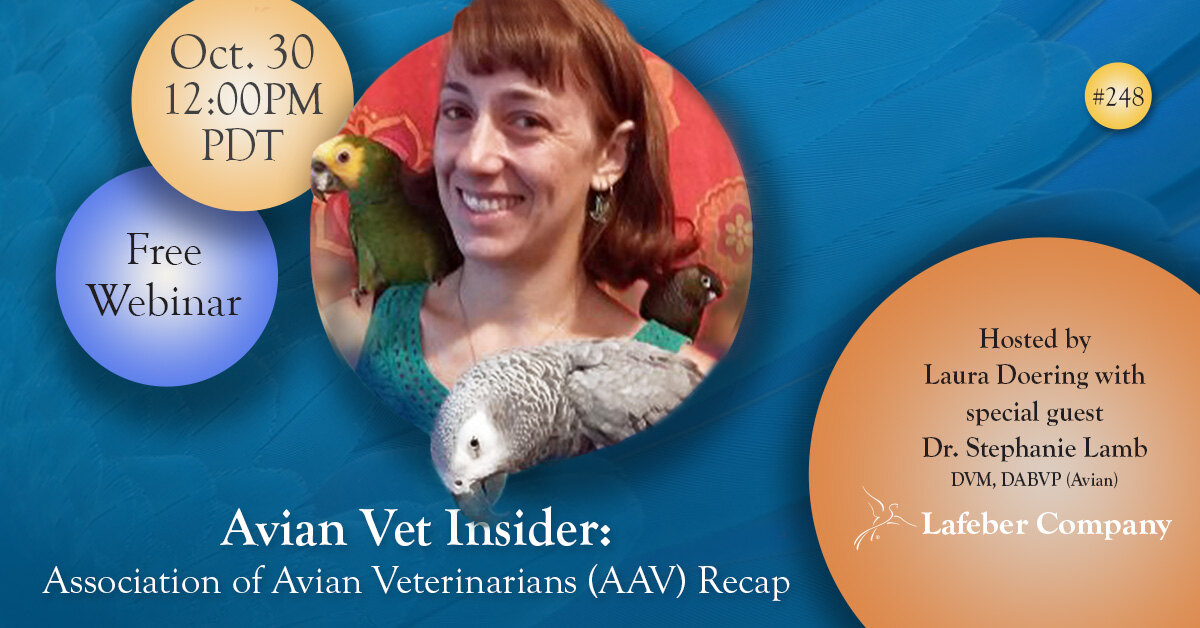
Dr. Stephanie Lamb, through her board-certified expertise, is uniquely positioned to interpret these findings. Practitioners who were unable to attend the conference in person often rely on such recaps to integrate new protocols into their clinics. By highlighting the latest medical advances, Dr. Lamb facilitates a standardized approach to care, ensuring that birds in diverse geographic locations receive a level of treatment consistent with the findings discussed by global leaders in the field.
Industry observers note that the collaboration fostered during these conferences often leads to the development of new pharmaceutical applications. Historically, avian medicine has relied on off-label drug use; however, the AAV’s focus on formal research and pharmacokinetics is steadily pushing the industry toward more evidence-based, species-specific drug approvals.
Bridging the Gap: The Role of the Upcoming Webinar
The webinar scheduled for October 30 serves as a critical educational bridge. While the AAV conference is primarily a professional development event for veterinarians and technicians, the post-conference recap is tailored to provide clarity to a broader audience.
For the average bird owner, the technical jargon of a professional veterinary conference can be daunting. Dr. Lamb’s approach is designed to simplify these complex medical breakthroughs into actionable advice. Attendees of the webinar can expect to learn about:
- Nutritional Breakthroughs: How new understandings of avian metabolic pathways are changing feeding recommendations for various species.
- Preventive Screening Protocols: Identifying the "silent" symptoms of illness in birds, which often disguise their sickness until it is in advanced stages.
- Behavioral Health: The intersection of physical health and mental stimulation, acknowledging that in many avian species, psychological stress is a primary driver of physical pathology.
- Technological Integration: How new diagnostic tools, including point-of-care ultrasound and advanced hematology, are being utilized in contemporary avian practices.
Strategic Impact on Avian Welfare
The broader impact of these gatherings is the professionalization of the avian veterinary sector. By creating a unified standard of care, the AAV reduces the variability in treatment success rates across the country. When a veterinarian in a rural practice is equipped with the same knowledge base as a specialist at a major university hospital—thanks to information dissemination platforms like this webinar—the entire avian population benefits.
Furthermore, the emphasis on conservation at the conference reminds us that the lessons learned from our domestic companions often inform the recovery efforts of endangered wild populations. Research into avian viral pathogens, for instance, has been instrumental in protecting wild macaw and parrot populations in the Americas.
Registration and Participation
Interested parties are encouraged to register for the October 30 session well in advance. Given the international interest in the AAV’s annual findings, the webinar is expected to attract a diverse audience, including veterinary students, veterinary technicians, avian breeders, and dedicated pet owners.
Participants are advised to use the provided time zone conversion tools to ensure they can attend the live session, as the real-time Q&A portion of the webinar is where much of the practical, ground-level knowledge is exchanged. By participating, attendees contribute to a culture of continuous learning that is essential for the advancement of animal welfare.
Conclusion: The Future of Avian Medicine
As the field of avian medicine continues to mature, the role of professional associations like the AAV becomes increasingly vital. The 47th Annual Conference & Expo has set a new benchmark for excellence, establishing a foundation of knowledge that will guide the industry for the next year.
Through the efforts of experts like Dr. Stephanie Lamb, these advancements do not remain locked within the halls of a conference center. Instead, they are distributed, debated, and eventually implemented in clinics around the world. As we look toward the future, the integration of technology, specialized training, and a commitment to preventive health will remain the bedrock of the avian veterinary community. The October 30 webinar is not merely a summary of past events; it is a preview of the improved standards of care that will define the next chapter in the lives of our feathered companions.

