


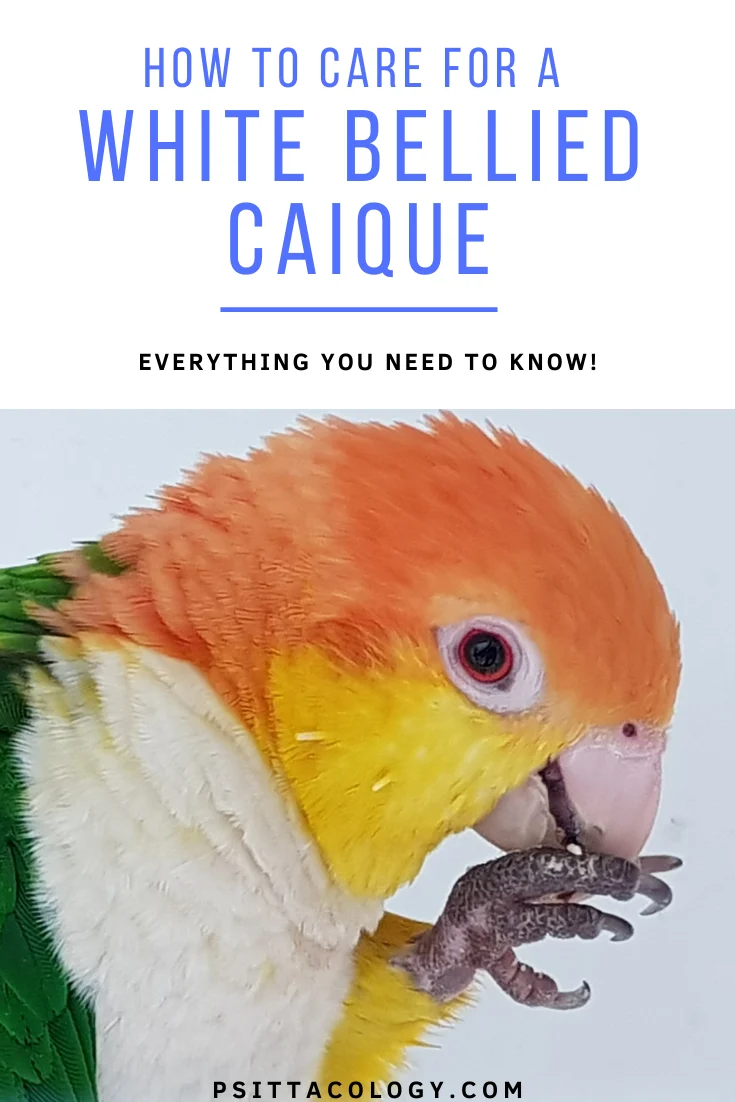
Considering the integration of a white-bellied caique into a household necessitates a thorough understanding of these distinctive South American parrots, known for their pronounced personalities and demanding care requirements. These birds, scientifically classified primarily under Pionites leucogaster, are not merely pets but long-term companions requiring significant dedication and a prepared environment.
The Amazonian Acrobats: A Glimpse into Their Natural World
White-bellied caiques are endemic to the lush canopies of the Amazon rainforest, primarily concentrated in Brazil, with populations also extending into Bolivia, Peru, Ecuador, and other South American nations. Their natural habitat consists of the dense, upper layers of tropical forests, where they expertly navigate the foliage, nesting within the hollows of mature trees. Observations in the wild indicate these are highly social birds, typically found in cohesive groups of up to ten individuals, communicating through a variety of calls and exhibiting complex social behaviors essential for their survival.
However, the future of these vibrant parrots in their native lands faces significant threats. The International Union for Conservation of Nature (IUCN) currently lists the majority of white-bellied caique populations as endangered. This precarious status is largely attributed to rampant deforestation across the Amazon basin, driven by agricultural expansion, logging operations, and mining activities. The rapid destruction of their habitat not only diminishes their living space but also fragments existing populations, isolating groups and impeding their ability to find food, mates, and safe nesting sites, thereby accelerating their decline. Conservation efforts are critical, focusing on protecting remaining forest areas and mitigating human impact.
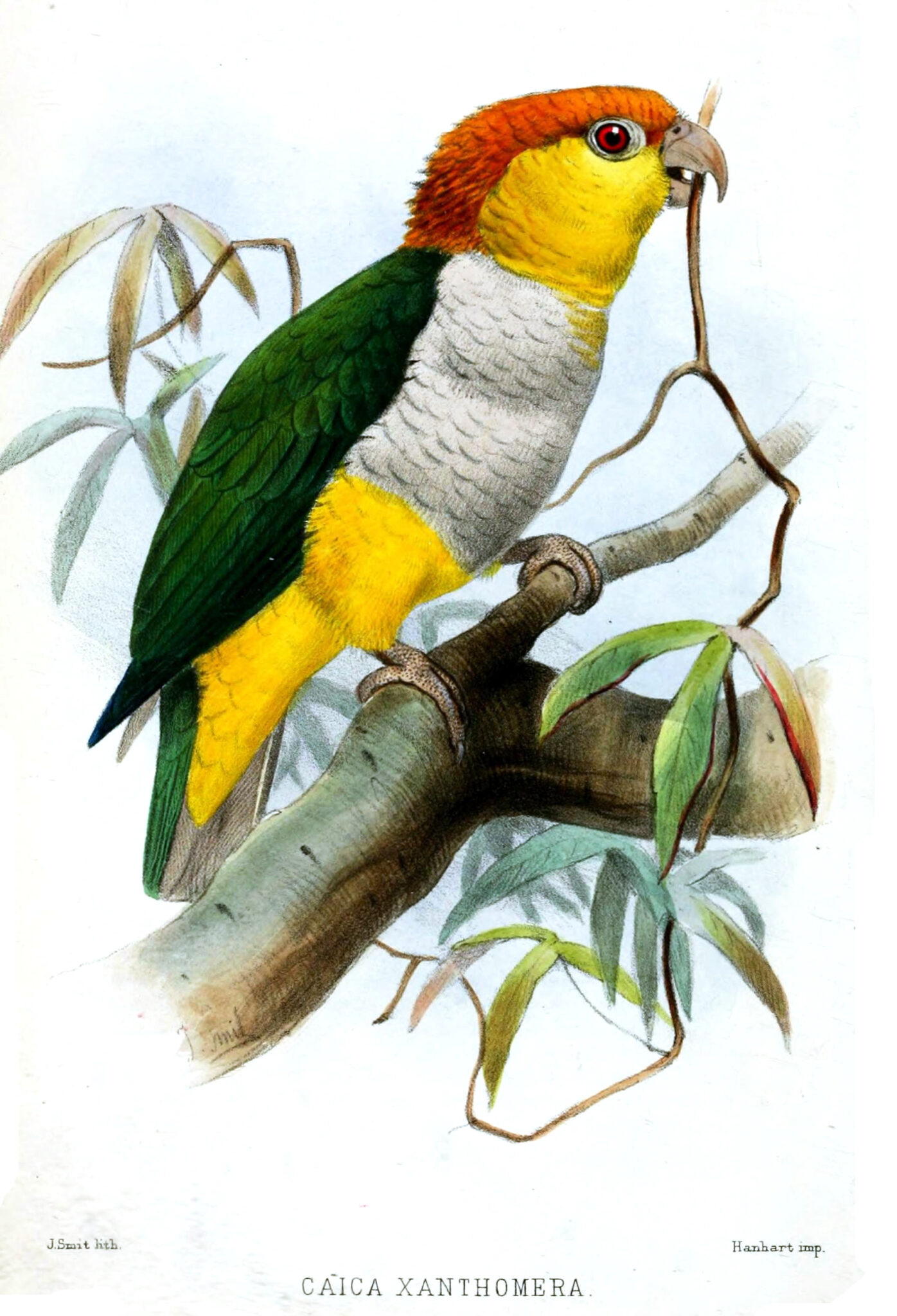
The classification of white-bellied caiques themselves has been a subject of ongoing scientific debate. Traditionally, the genus Pionites encompassed two primary species: the white-bellied caique (P. leucogaster) and the black-capped caique (P. melanocephalus). Within P. leucogaster, three subspecies were historically recognized: P. l. leucogaster (green-thighed caique), P. l. xanthomerius (yellow-thighed caique), and P. l. xanthurus (yellow-tailed caique). Modern ornithological resources, such as "Birds of the World," increasingly advocate for elevating P. xanthomerius and P. xanthurus to full species status, citing distinct color variations as the primary differentiating factor. This taxonomic discussion underscores the complexity of avian classification and has implications for conservation strategies, as recognizing distinct species may necessitate tailored protection plans.
Distinctive Features and Appearance
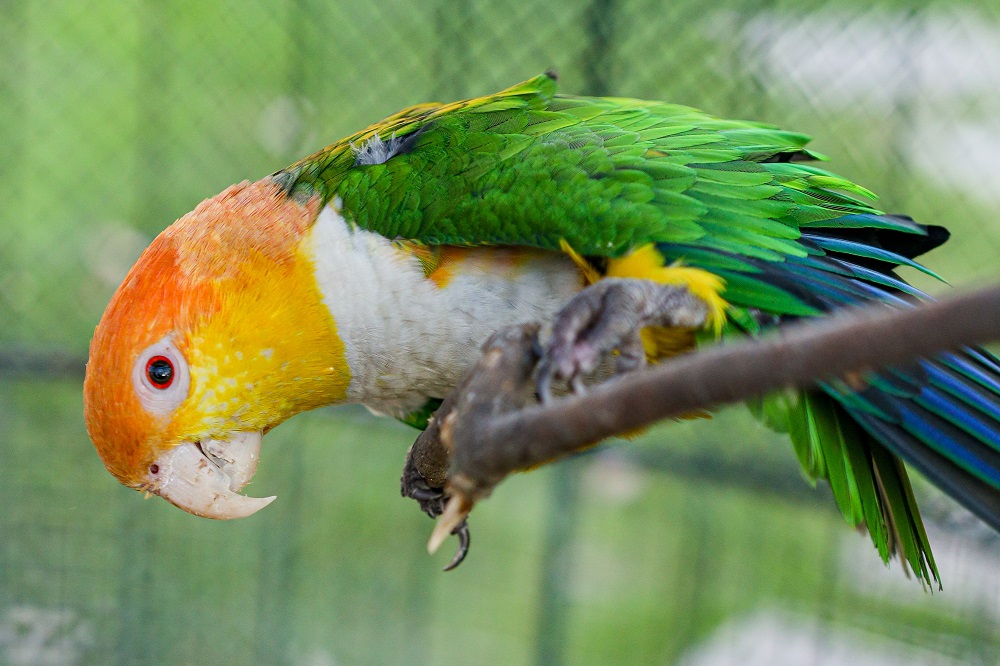
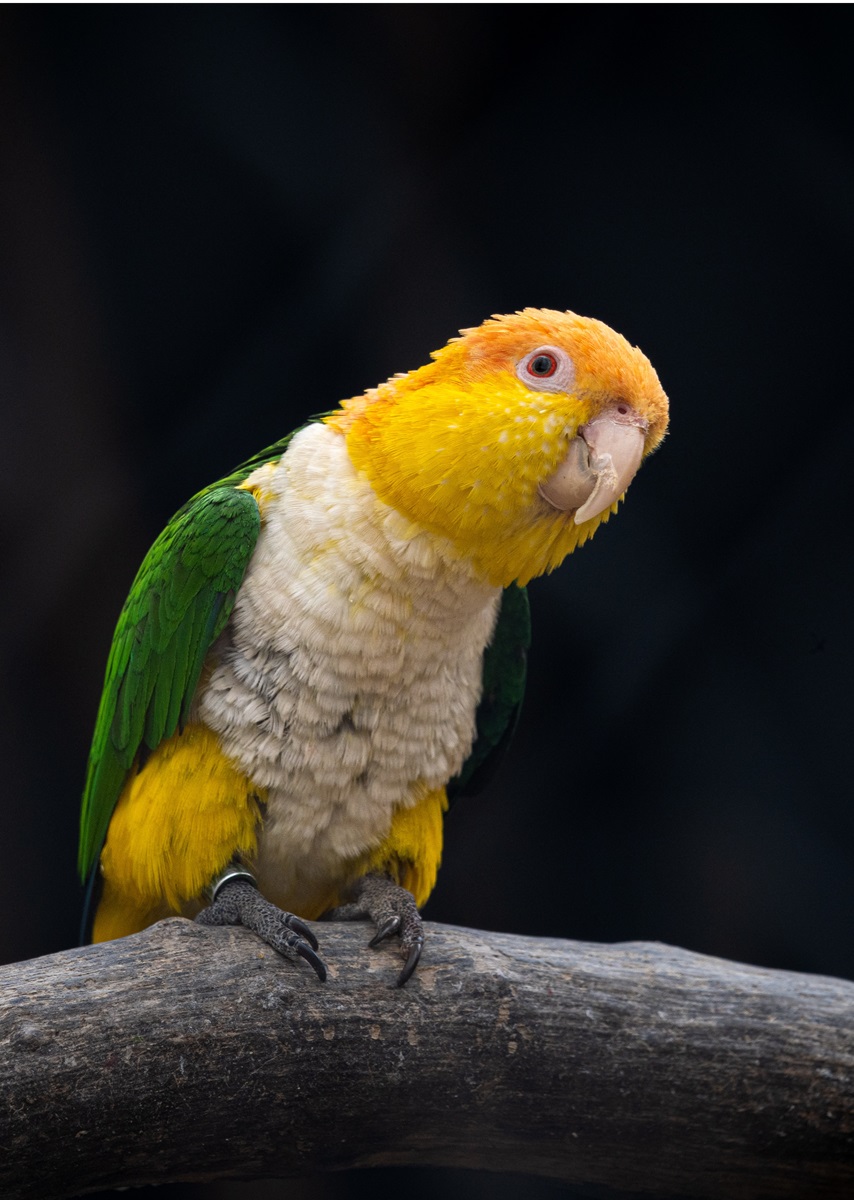
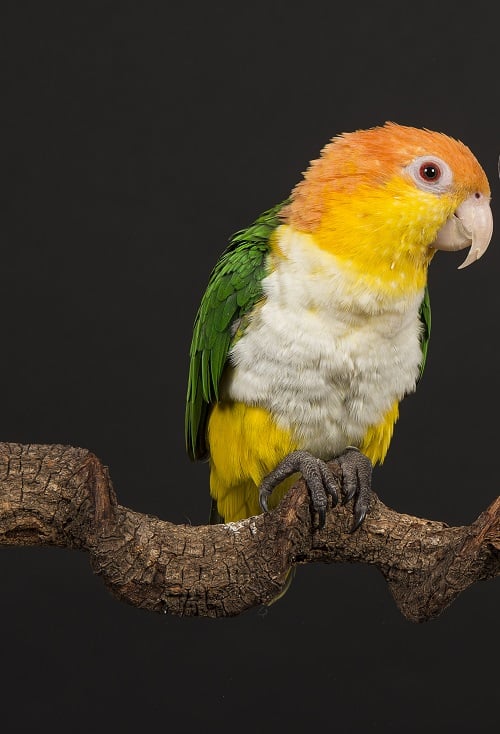
The white-bellied caique is a visually striking parrot, characterized by its compact, stocky build and a maximum length of approximately 23 centimeters (9 inches), weighing up to 170 grams. Their short, somewhat stubby tail contributes to their distinctive profile. As their common name suggests, their ventral plumage, encompassing the chest and belly, ranges from pure white to a creamy hue. This contrasts sharply with the vibrant yellow cheeks, an orange head, and the striking green of their wings and back. The beak is typically beige.

Subtle yet significant color differences distinguish the various forms. The traditional P. l. leucogaster (green-thighed) exhibits green thighs and a green tail. P. l. xanthomerius (yellow-thighed) displays yellow thighs and a green tail, while P. l. xanthurus (yellow-tailed) is identified by yellow thighs and a yellow tail. These variations, particularly in the leg and tail coloration, are central to the ongoing taxonomic discussion among ornithologists. A universally shared trait, however, is their unusual reddish eyes, which are encircled by a distinct bare eye-ring, adding to their expressive appearance. Notably, white-bellied caiques exhibit no discernible visual sexual dimorphism, meaning males and females appear identical. Accurate sex determination typically requires a DNA test, a common practice in avian husbandry.
A Specialized Diet: Bridging Wild Nutrition and Domestic Needs
Understanding the natural diet of white-bellied caiques is paramount for providing optimal nutrition in captivity. A comprehensive 2014 study by Lee et al., which observed 190 wild white-bellied caiques, revealed an incredibly diverse diet comprising no fewer than 44 different plant species. The dietary composition varied seasonally, but seeds, including those from various fruits, were consistently favored. Unripe fruits, which contain lower sugar concentrations than their cultivated counterparts, also constituted a significant portion of their intake. Flowers and flower buds ranked third in their dietary preferences. Further research indicates that caiques also consume pollen and nectar, playing a crucial role as pollinators for certain tree species within their ecosystem.
Beyond these primary food sources, wild caiques occasionally consume leaves and bark. Intriguingly, they have been observed eating ants, suggesting a broader opportunistic foraging strategy. A critical aspect of their wild diet involves visits to clay licks, where they ingest soil. This behavior is believed to be essential for obtaining vital micronutrients and minerals that may be otherwise scarce in their diet, highlighting the importance of mineral supplementation for captive birds.

Translating this complex wild diet into a domestic setting requires careful consideration to avoid common nutritional deficiencies. Avian veterinarians and experienced parrot keepers strongly advise against a seed-only diet, which, despite its prevalence among inexperienced owners, is excessively fatty and lacks the comprehensive array of macro- and micronutrients necessary for long-term health. Similarly, a diet heavily reliant on cultivated fruits is problematic. The fruits consumed in the wild are generally lower in sugars and often eaten unripe, contrasting sharply with the high-sugar content of most fruits bred for human consumption.
Instead, a balanced domestic diet for white-bellied caiques should prioritize a high-quality pelleted diet, constituting 60-70% of their intake, as it provides a consistent and balanced nutritional foundation. The remaining portion should be composed of a wide variety of fresh vegetables, including leafy greens, bell peppers, carrots, broccoli, and various squashes. Fruits should be offered in moderation, with a preference for lower-sugar options such as berries, melon, and papaya. Small amounts of cooked whole grains like quinoa and brown rice, along with legumes and safe sprouts, can also be beneficial additions. Very fatty or sugary items, such as nuts and dried fruits, should be reserved for occasional treats, particularly during training sessions. Consistent access to fresh, clean water from multiple sources is imperative, and a calcium block should always be available to meet their mineral requirements, mirroring their natural behavior of seeking out vital micronutrients.
The Caique Conundrum: Personality, Training, and Social Dynamics
The temperament of white-bellied caiques is arguably their most defining characteristic, setting them apart within the parrot family. While all parrots exhibit intelligence and playfulness, caiques are renowned as the "clowns of the parrot world," a title they earn through their boundless energy, acrobatic antics, and often mischievous behavior. This exuberant nature, however, comes with a unique set of challenges that prospective owners must be prepared to address.
Caiques are capable of forming incredibly strong bonds with their human companions. This deep attachment, however, can also manifest in complex behavioral patterns, particularly as they mature through puberty. Like many parrot species, they often develop a preference for one primary person, and during hormonal periods or even seemingly without provocation, they can exhibit nippy or aggressive tendencies, sometimes described by owners as "possessed." Managing these behaviors requires consistent positive reinforcement training from a young age, coupled with a deep understanding of parrot body language and the ability to de-escalate potential conflicts. Avian behaviorists emphasize that patience and consistency are non-negotiable for successful caique ownership.
Their highly social nature means caiques require significant daily interaction with their owners. A minimum of several hours of out-of-cage time and direct engagement is crucial for their mental and emotional well-being. Failure to provide adequate stimulation and social interaction can lead to severe behavioral issues such as feather plucking, incessant screaming, and heightened aggression. For individuals unable to commit the necessary time, considering a pair of caiques (introduced carefully) can provide essential companionship, though this also doubles the commitment. It is vital to note that caiques are highly territorial and should not be housed with other bird species due to a significant risk of aggression, particularly over cage space or food resources.
The energetic and inquisitive nature of caiques often translates into a penchant for destruction. They possess an innate drive to chew, explore, and manipulate their environment, which means household items are frequently subject to their attention. Owners must anticipate that a caique will inevitably chew or throw objects, creating a constant need for vigilance and a thoroughly "parrot-proofed" living space. Despite their potential for mayhem, their endearing antics and deep capacity for affection make them incredibly rewarding companions for those prepared for the commitment. While not known for extensive mimicry, caiques are adept at picking up whistles and short tunes. Consistent vocalization training, rewarding attempts with treats, can be a fulfilling way to engage with these intelligent birds.
Creating an Optimal Environment: Housing and Enrichment

Given their explosive energy levels, white-bellied caiques require a substantial living space. Even with ample out-of-cage time, a spacious enclosure is critical for their physical and psychological health. The cage must be robustly constructed, made of durable materials that can withstand their powerful beaks, and equipped with secure locking mechanisms, as their intelligence makes them adept at escaping less secure enclosures.
Inside the cage, a variety of natural perches of differing diameters and textures is essential for foot health. Food and water bowls should be easily accessible and cleaned daily. Many caiques enjoy bathing, so a bird bath or regular opportunities for showers should be provided. Beyond the cage, a dedicated, parrot-proofed play area is highly recommended. This playground, ideally constructed from natural, non-toxic wood, should feature a rotating selection of toys designed for chewing, foraging, and problem-solving, ensuring constant mental stimulation.
The concept of "parrot-proofing" extends beyond the cage to any room a caique has access to. Their insatiable curiosity and destructive tendencies can lead to dangerous situations for both the bird and household items. Owners must remove toxic plants, secure electrical wires, eliminate small ingestible objects, and cover open water sources. Furthermore, strict avoidance of scented products (e.g., air fresheners, candles), aerosol sprays, and non-stick cookware (which can emit toxic fumes, particularly PTFE) near the bird is paramount, as avian respiratory systems are highly sensitive to airborne toxins.
Enrichment is not merely an optional extra for caiques; it is a daily necessity to prevent boredom, loneliness, and the resulting behavioral issues like feather plucking or excessive screaming. Key enrichment strategies include:
- Foraging Toys: These mimic their natural foraging behaviors, requiring them to "work" for their food, stimulating their intellect and reducing idleness.
- Chew Toys: Providing a constant supply of safe, destructible toys is crucial for beak health and redirecting their natural chewing instincts away from furniture or other household items.
- Puzzle Toys: These challenge their problem-solving abilities, keeping their intelligent minds engaged.
- Training: Regular, positive reinforcement training sessions for tricks, commands, or even simple behaviors provide mental stimulation and strengthen the bond between bird and owner.
- Social Interaction: Daily, dedicated interaction through play, conversation, and gentle handling is vital for their emotional well-being.
- Environmental Stimulation: Background music or television can provide auditory and visual stimulation, though not as a substitute for direct interaction.
- Bathing: Regular opportunities for bathing are important for feather health and hygiene.
Health and Longevity: A Long-Term Commitment
The decision to welcome a white-bellied caique into a family is a commitment that spans decades, as these birds can live for over 40 years with proper care. This extraordinary lifespan underscores the importance of a long-term perspective on their health and well-being.
Regular veterinary care from an experienced avian veterinarian is non-negotiable. Annual check-ups are crucial for early detection of potential health issues. Owners must also be prepared for potential medical emergencies, which are always a possibility with curious and active pets. Having the contact information for an avian emergency clinic readily available and being able to recognize common signs of illness—such as lethargy, changes in droppings, loss of appetite, or feather plucking—can be life-saving.
Caiques are susceptible to certain health conditions. Polyomavirus, for instance, can cause severe organ issues, particularly in young birds, and can be fatal. Avian veterinarians often recommend vaccinating birds against this disease. Other potential concerns include Psittacine Beak and Feather Disease (PBFD), nutritional deficiencies stemming from an inadequate diet, and respiratory infections. A healthy diet, a clean environment, and regular veterinary oversight are the cornerstones of preventing many common avian ailments.
Beyond the practical aspects of care, owning a white-bellied caique carries significant ethical implications. Their long lifespan means that prospective owners must consider their own life trajectory and ensure they can provide consistent, high-quality care for the bird’s entire life. The potential for rehoming due to unforeseen circumstances, neglect due to a lack of understanding of their needs, or the inability to meet their complex social and environmental requirements highlights the profound responsibility inherent in keeping such an intelligent and long-lived exotic animal. Responsible ownership not only ensures the well-being of individual birds but also indirectly supports broader conservation efforts by reducing the demand for wild-caught parrots and promoting ethical breeding practices.
In conclusion, the white-bellied caique is an undeniably charismatic and rewarding companion for those truly prepared for the extensive commitment they demand. Their vibrant personalities, intelligence, and need for constant engagement require owners to be well-informed, patient, and dedicated. Through comprehensive research, proactive care, and a deep appreciation for their unique nature, white-bellied caiques can thrive, bringing joy and lively energy to the homes they share for many decades.

