


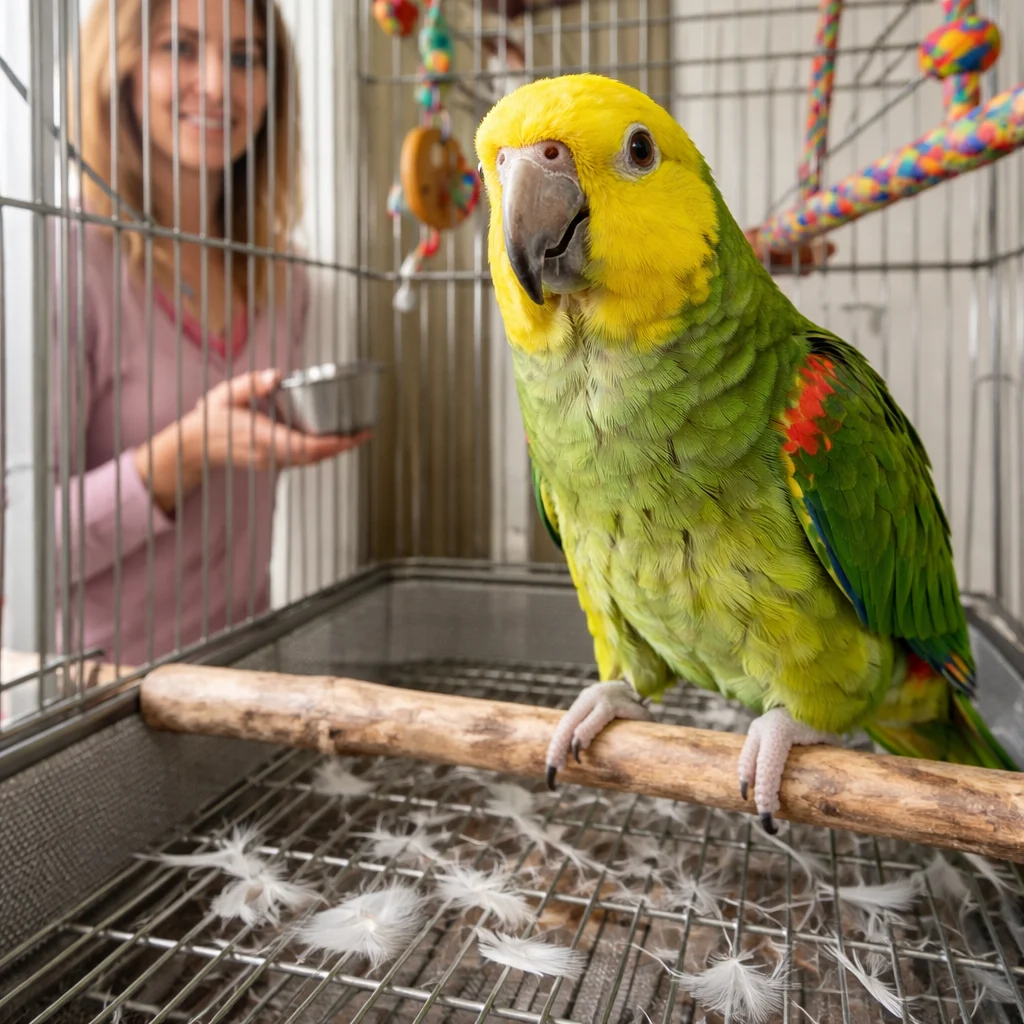
This distressing declaration, voiced by countless bird owners, encapsulates a moment of profound anxiety that often accompanies the discovery of a significant quantity of feathers at the bottom of an avian enclosure. While the immediate reaction for many is a surge of panic—concerning illness or self-mutilation—the reality is frequently a natural, albeit intense, physiological process: molting. Differentiating between a healthy molt and problematic feather plucking is paramount for avian welfare, requiring a keen eye, foundational knowledge of avian biology, and, at times, professional veterinary intervention. This article delves into the critical distinctions, diagnostic methods, underlying causes, and management strategies for feather loss in companion birds.
The Avian Molt: A Biological Imperative
Feathers are marvels of biological engineering, providing insulation, enabling flight, and contributing to communication and camouflage. However, these complex structures are not permanent; they undergo wear and tear, necessitating periodic replacement. This renewal process is known as molting.
Physiology of Feather Growth and Replacement:
A bird’s plumage is constantly, though cyclically, renewed. Feathers are epidermal outgrowths composed primarily of keratin, a protein also found in beaks and nails. Each feather originates from a follicle in the skin. A healthy feather consists of a central shaft (rachis), from which barbs branch out, further dividing into barbules and barbicels that interlock to form a cohesive vane. The calamus, or quill, is the hollow, basal part of the feather that anchors it into the skin.
During a molt, old, worn feathers are systematically shed and replaced by new ones. This process is metabolically demanding, requiring significant energy and nutrient reserves. The growth of new feathers, often referred to as "pin feathers" or "blood feathers," begins with a vascularized shaft, rich in blood supply, enclosed within a protective keratin sheath. As the feather matures, the blood supply recedes, and the sheath flakes off, revealing the fully formed feather. The white flakes often observed during molting are remnants of these keratin sheaths, commonly mistaken for dander, which is actually fine powder produced by specialized powder-down feathers in some species.
Molting Cycles and Triggers:
Most birds undergo at least one complete molt annually, often after the breeding season, but the frequency and extent can vary significantly by species, age, and environmental factors. For instance, juvenile birds experience a "juvenile molt" as they replace their first set of feathers. Environmental cues such as photoperiod (daylight length), temperature, and nutritional status play crucial roles in triggering and regulating molting hormones. In companion birds, artificial lighting cycles and consistent environmental temperatures can sometimes alter or prolong natural molting patterns.
Feather Plucking: A Complex Behavioral Syndrome
In stark contrast to the natural process of molting, feather plucking, or feather destructive behavior (FDB), is a pathological condition where a bird intentionally damages or removes its own feathers. This can range from excessive preening and chewing to complete feather removal, often leaving patches of bare skin. It is one of the most common and frustrating behavioral problems encountered in companion parrots, affecting a significant percentage of captive birds across various species. Studies suggest that up to 10% of captive parrots may exhibit some form of FDB, with certain species, such as African Greys, Cockatoos, and Cockatiels, being particularly predisposed.
Distinguishing Features:
Unlike molting, which is a symmetrical and gradual replacement of feathers, plucking often results in uneven feather loss, damage to remaining feathers, and sometimes skin irritation or self-mutilation. The affected areas are typically those accessible to the bird’s beak, though some species, like cockatoos, can use their feet to pluck feathers from their head or neck.
The 10-Second "Shaft Test": Initial Feather Forensics
When confronted with loose feathers, the immediate diagnostic step involves a macroscopic examination of the feather’s quill. This "feather forensics" can often provide immediate clues.
Characteristics of a Molted Feather:
A feather that has shed naturally during a molt will typically exhibit a smooth, clear, and slightly pointed quill (calamus). The end that was embedded in the skin will appear clean, often with a translucent quality, indicating it slid out without force or damage. The overall feather structure will be intact, though it may show signs of natural wear. The presence of white, flaky material on newly emerging feathers or around the base of the quill is indicative of the keratin sheath shedding from a new pin feather, a definitive sign of molting.
Characteristics of a Plucked Feather:
Conversely, a feather that has been plucked will bear signs of trauma. The quill may appear chewed, jagged, bent, or snapped off, indicating it was forcibly removed or damaged. In some cases, the tip of the quill might be bloody or ragged, pointing to active plucking or aggressive over-preening that has damaged the follicle. Finding feather fragments rather than whole feathers is also a strong indicator of plucking behavior. If the feather is gone but the quill remains in the skin, or if the feather shaft is broken mid-way, these are clear signs of intentional damage.
The "Peace of Mind" Check: Deeper Diagnostics
Beyond the initial feather examination, a more thorough visual inspection of the bird itself can provide crucial information.
1. The "Mist & Part" Test:
Dry feathers can effectively conceal underlying skin conditions or the early stages of feather regrowth. A simple yet effective technique is to lightly mist the bird’s plumage with plain water or a specialized avian-safe spray, such as an Aloe Vera-based product. Once the feathers are damp, gently part them to expose the skin underneath.
- Indications of Molting: The presence of numerous small, developing "spikes" or pin feathers pushing through the skin is a definitive sign of molting. These pin feathers, often encased in their waxy sheaths, signify active feather regeneration. The skin itself should appear healthy, without overt redness, inflammation, or lesions.
- Indications of Plucking: If the skin is visible and appears bare, red, inflamed, scratched, or even bleeding, it points strongly towards plucking or excessive preening behavior. The absence of developing pin feathers in areas where feathers are missing further supports this diagnosis.
2. The "Hot Spot" Species Check:
Behavioral plucking often follows a predictable pattern, with certain species tending to target specific areas of their bodies. Understanding these species-specific "hot spots" can aid in initial assessment, though it’s important to remember that any area accessible to the bird’s beak can theoretically be affected.
| Species | Common Plucking "Hot Spots" BIRDOWNERS CLUB | Primarily, we believe that education is the most effective way to help our companion parrots to thrive. We’re working towards creating the most effective and efficient educational program that will allow bird owners to learn the right way to care for their parrots. We’ve developed a free course and a membership program for our bird owners.
In the wild, molting is largely influenced by natural light cycles, food availability, and breeding seasons. For companion birds, these natural cues are often disrupted. Understanding this distinction is the first step toward effective intervention.
The Safety Check: Blood Feathers
During the "feather forensics," it is crucial to pay attention to any blood feathers. A new "pin" feather has a live vein running through its shaft, making it a "blood feather." If a blood feather is broken, it can bleed profusely, posing a significant health risk to the bird.
- Identification: A blood feather can be identified by its darker, often bluish or purplish, base due to the presence of blood within the shaft.
- Action: If a blood feather is broken and bleeding, immediate action is required to stop the blood loss. Applying direct pressure with a clean cloth or styptic powder can help. In severe cases or if bleeding persists, emergency veterinary care is essential. Owners should also be cautious during handling, as breaking a blood feather can be painful and dangerous for the bird.
Underlying Causes of Feather Plucking: A Multifaceted Challenge
Feather plucking is rarely attributable to a single cause; it is a complex syndrome with medical, environmental, nutritional, and psychological components. A comprehensive diagnostic approach is therefore essential.
1. Medical Causes:
Veterinary examination is critical to rule out underlying medical conditions, which account for an estimated 30-50% of plucking cases.
- Infections: Bacterial, fungal, or parasitic infections (e.g., Giardia, mites) can cause intense itching and skin irritation, leading to plucking. Psittacine Beak and Feather Disease (PBFD), a viral infection, directly damages feather follicles, resulting in abnormal feather growth and loss.
- Internal Organ Diseases: Liver or kidney disease, often linked to poor diet, can manifest as skin and feather issues.
- Allergies: Environmental allergens (dust, pollen, chemicals) or food allergies can trigger skin reactions and subsequent plucking.
- Pain or Trauma: Chronic pain from arthritis, an injury, or even a tumor can cause a bird to pluck feathers in the affected area as a self-soothing mechanism.
- Hypothyroidism: While rare, thyroid imbalances can affect feather quality and skin health.
2. Nutritional Deficiencies:
A diet lacking essential nutrients is a significant contributor to poor feather quality and plucking.
- Vitamin A: Crucial for epithelial tissue health, a deficiency can lead to dry, flaky skin and abnormal feather development.
- Essential Fatty Acids (EFAs): Omega-3 and Omega-6 fatty acids are vital for skin barrier function and feather luster. Deficiencies can result in dry, itchy skin.
- Protein and Amino Acids: Feathers are primarily protein. Inadequate protein or specific amino acids (e.g., methionine, lysine) can impair feather growth and integrity.
- Overall Imbalance: Seed-only diets are notoriously deficient and contribute to a wide range of health issues, including plucking.
3. Environmental Factors:
The captive environment plays a crucial role in a bird’s psychological and physical well-being.
- Lack of Enrichment: Boredom, lack of mental stimulation, and insufficient opportunities for natural behaviors (foraging, chewing, climbing) can lead to self-destructive behaviors like plucking.
- Inadequate Cage Size: A cage that is too small restricts movement and exercise, causing stress and frustration.
- Poor Lighting: Lack of full-spectrum ultraviolet (UV) light can disrupt circadian rhythms, hormone regulation, and vitamin D synthesis, affecting mood and overall health.
- Low Humidity: Dry air, especially in indoor environments, can lead to dry, itchy skin, prompting preening to excess.
- Environmental Stressors: Loud noises, sudden changes in routine, new pets, or even the perception of a threat can induce stress and anxiety, which birds may cope with by plucking.
- Exposure to Irritants: Smoke, aerosols, strong cleaning chemicals, or scented products can irritate a bird’s respiratory system and skin.
4. Psychological/Behavioral Factors:
Parrots are highly intelligent and social creatures. Their complex psychological needs, when unmet, can manifest as plucking.
- Anxiety and Fear: Chronic anxiety or fear, perhaps due to a past trauma or an insecure environment, can trigger plucking.
- Boredom and Frustration: A bird with an active mind but nothing to do can turn to its feathers for stimulation.
- Hormonal Imbalances: Hormonal fluctuations, particularly during breeding season, can lead to increased aggression, territoriality, and sometimes self-mutilation.
- Attention-Seeking: If plucking elicits a strong reaction from owners, it can become a learned behavior for gaining attention, even if negative.
- Over-Bonding and Separation Anxiety: Birds that are overly bonded to a single person may experience severe anxiety when that person is absent, leading to stress-induced plucking.
Expert Recommendations and Management Strategies
Addressing feather plucking requires a holistic and often multi-pronged approach, ideally under the guidance of an avian veterinarian or certified avian behaviorist. Diane Burroughs, LCSW, founder of UnRuffledRx and a specialist in avian feather plucking, emphasizes a "behavior-first" protocol alongside nutritional support, underscoring the interplay between a bird’s physical and mental health.
1. Comprehensive Veterinary Examination:
This is the foundational step. A qualified avian veterinarian will perform a thorough physical exam, blood tests, fecal analysis, and potentially skin biopsies or feather follicle examinations to rule out medical causes. This may include testing for PBFD or other infections.
2. Dietary Optimization:
Transitioning to a high-quality pelleted diet, which should constitute 60-80% of the bird’s intake, is crucial. The remaining diet should consist of fresh fruits, vegetables, and small amounts of healthy grains and legumes.
- Supplements: Specific nutritional supplements may be recommended based on the bird’s diet and identified deficiencies. For instance, omega fatty acid supplements (e.g., flaxseed oil, spirulina), B vitamins, and amino acids can support skin and feather health. Products designed for molting support, which often contain these ingredients, can be beneficial during intense molts or for birds with compromised feather quality.
3. Environmental Enrichment and Stimulation:
A stimulating environment is paramount for a bird’s mental well-being.
- Foraging Opportunities: Provide toys that encourage natural foraging behaviors, such as puzzle feeders or hiding treats in shreddable materials.
- Chew Toys: Offer a variety of safe, destructible chew toys (wood, natural fibers) to provide an outlet for natural chewing instincts.
- Social Interaction: Ensure adequate, positive social interaction with human caregivers, but also encourage independent play. Avoid excessive cuddling that can foster over-bonding and hormonal issues.
- Cage Setup: Ensure the cage is appropriately sized, with a variety of perches of different textures and diameters to promote foot health. Rearrange toys periodically to maintain novelty.
- Lighting: Provide access to natural light and consider full-spectrum UV-A/UV-B lighting for several hours daily to mimic natural sunlight cycles.
4. Humidity and Skin Health:
- Misting/Bathing: Regular misting with plain water or providing opportunities for bathing can help hydrate the skin and feathers, reducing itchiness.
- Humidifiers: In dry climates, a room humidifier can significantly improve environmental humidity.
- Skin-Soothing Sprays: Aloe Vera-based bird sprays can provide topical relief for irritated skin, promoting comfort during molting or mild plucking.
5. Behavioral Modification and Stress Reduction:
- Consistent Routine: Establish a predictable daily routine for feeding, play, and sleep to reduce anxiety.
- Positive Reinforcement: Reward desirable behaviors (playing with toys, preening normally) and avoid inadvertently reinforcing plucking behavior with attention.
- Managing Hormones: Consult with an avian vet on strategies to manage hormonal surges, which may include dietary changes, environmental adjustments, or, in rare cases, medication.
- Minimizing Stressors: Identify and eliminate or mitigate environmental stressors (e.g., moving the cage away from a busy window, controlling noise levels).
6. Long-Term Monitoring and Documentation:
Owners should maintain a detailed log of feather loss, changes in feather quality, skin condition, and any accompanying behavioral shifts. This documentation is invaluable for the veterinarian or behaviorist in assessing the effectiveness of interventions and making necessary adjustments over time.
The Broader Implications: Avian Welfare and Owner Responsibility
The issue of feather loss in companion birds extends beyond individual avian health; it touches upon broader implications for avian welfare and owner responsibility. Feather plucking, when left unaddressed, can lead to chronic skin infections, pain, and a severely diminished quality of life for the bird. It also places a significant emotional and financial burden on owners, who often feel helpless in the face of this persistent problem.
The prevalence of plucking in captive parrots highlights the challenges inherent in providing an environment that fully meets the complex needs of these intelligent and sensitive creatures. It underscores the critical importance of pre-purchase education for prospective bird owners, emphasizing the long-term commitment required for proper avian care. Expert organizations, like UnRuffledRx, advocate for education as the primary tool to help companion parrots thrive, offering resources such as free courses and membership programs to empower owners with the knowledge to prevent and manage these conditions effectively.
In conclusion, while a "floor full of feathers" can indeed be alarming, a calm, systematic approach is vital. Through careful observation, the application of simple diagnostic tests, and collaboration with avian health professionals, owners can often differentiate between a healthy molt and the more serious issue of feather plucking. Early and accurate diagnosis, coupled with a comprehensive management plan addressing medical, nutritional, environmental, and psychological factors, offers the best prognosis for the bird’s recovery and long-term well-being.

